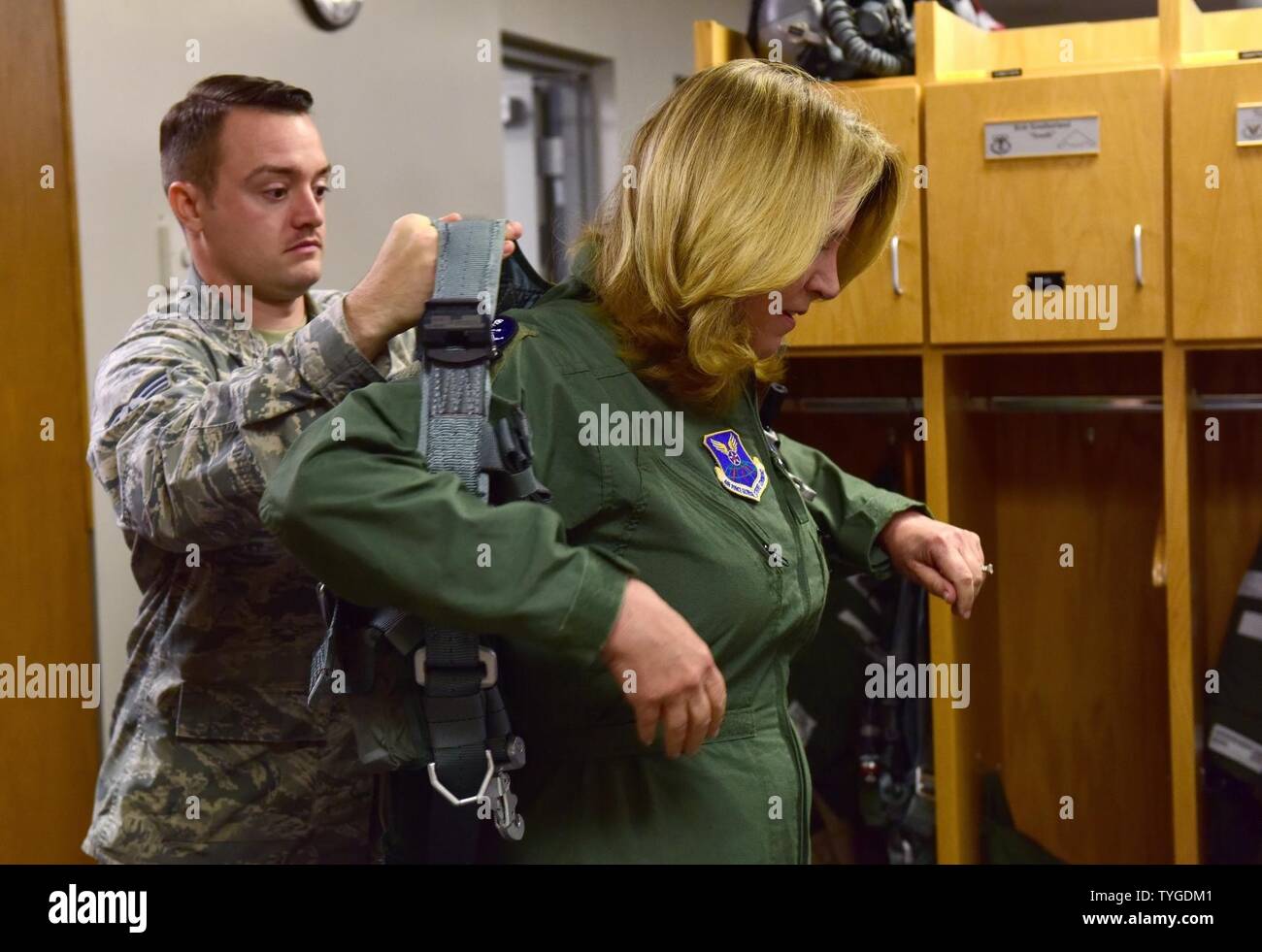
Modern flight operations depend on a carefully coordinated division of labor among specialized professionals who ensure every mission is safe, efficient, and legally compliant. Aircrew roles encompass both flight deck personnel who directly pilot and navigate aircraft and cabin or mission specialists who manage onboard systems, cargo, and passenger safety.
Defining Aircrew Roles and Mission Classifications
Aircrew roles refer to the specific duties, qualifications, and operational responsibilities assigned to individual members of an aircraft’s operating team. These positions span commercial aviation, military operations, cargo transport, and specialized aerial work such as firefighting or medical evacuation. Understanding these positions requires looking at how aviation authorities, such as the Federal Aviation Administration (FAA) or the European Union Aviation Safety Agency (EASA), categorize personnel based on training, certification, and onboard function.
In commercial transport category aircraft, the traditional flight deck consists of a Pilot-in-Command (PIC), often called the captain, and a Second-in-Command (SIC), known as the first officer. Depending on the aircraft type, long-haul routes may also incorporate relief pilots to manage crew fatigue regulations. Beyond the flight deck, cabin crew members manage passenger safety, emergency evacuations, and cabin comfort.
In military, law enforcement, and specialized civil aviation sectors, aircrew roles expand significantly. Mission commanders, tactical coordinators, flight engineers, loadmasters, and sensor operators perform complex technical duties that are vital to mission success. Each position requires specific federal or military certifications, rigorous medical clearances, and continuous recurrent training to maintain proficiency.
Flight Deck Command and Navigation Responsibilities
The flight deck represents the core decision-making center of any aircraft. The Pilot-in-Command carries ultimate legal and operational responsibility for the safety of the flight, the aircraft, its passengers, and its cargo. Before departure, the PIC reviews flight plans, analyzes meteorological data, verifies weight and balance calculations, and ensures the aircraft complies with all airworthiness directives. During flight, the captain manages overall strategy, delegates flying duties, and makes critical command decisions during emergencies or adverse weather conditions.
Working alongside the captain, the First Officer shares piloting and monitoring duties under a philosophy known as Crew Resource Management (CRM). Modern multi-crew operations rely heavily on CRM, which encourages open communication, error trapping, and flattened hierarchy to prevent accidents caused by human factors. While one pilot actively flies the aircraft (the Pilot Flying), the other manages communications, air traffic control clearances, system monitoring, and checklist verification (the Pilot Monitoring).
In complex or older multi-engine aircraft, a dedicated Flight Engineer monitors mechanical, electrical, and fuel systems, relieving the pilots of intensive system management. Although advanced automation and glass cockpits have largely phased out the flight engineer role in modern commercial airliners, the position remains active in heavy military transport, firefighting aircraft, and vintage or specialized cargo carriers.
| Aircrew Position | Primary Operational Focus | Core Certifications Required | Typical Operational Environment |
|---|---|---|---|
| Pilot-in-Command (Captain) | Overall aircraft safety, legal compliance, final decision-making | Airline Transport Pilot (ATP) Certificate, Type Rating | Commercial airlines, charter, military, cargo |
| Second-in-Command (First Officer) | Shared flight duties, system monitoring, tactical communication | Commercial Pilot License with Instrument Rating, Type Rating | Commercial airlines, charter, military, cargo |
| Flight Engineer | Engine, electrical, and hydraulic system management | Flight Engineer Certificate (Turbojet/Turboprop) | Heavy transport, military operations, legacy cargo |
| Cabin Crew (Flight Attendant) | Passenger safety, emergency evacuation, cabin security | FAA/EASA Cabin Crew Attestation, Safety Training Certification | Commercial passenger airlines, charter services |
| Mission Specialist / Loadmaster | Cargo distribution, tactical equipment, specialized mission payloads | Military Qualification or Specialized Civil Training | Military airlift, aerial firefighting, scientific research |
Cabin Safety and Passenger Management Functions
While flight deck personnel focus on navigating and flying the aircraft, cabin crew members serve as safety professionals whose primary mandate is the protection and evacuation of passengers. The popular perception of flight attendants as hospitality staff overlooks the rigorous training required to manage cabin safety, medical emergencies, unruly passengers, and high-stress emergency evacuations.
Cabin crew undergo extensive initial and annual recurrent training covering fire suppression, emergency slide deployment, ditching procedures, hazardous materials recognition, and defensive tactics. In an emergency, cabin crew members direct passenger evacuations, manage life rafts, and administer first aid. On commercial flights, they also monitor the cabin environment for security threats, turbulence warnings, and medical crises, coordinating directly with the flight deck via interphone systems.
The lead flight attendant, or purser, coordinates administrative and operational duties within the cabin. They verify crew complement, conduct pre-flight briefings, ensure compliance with carry-on baggage regulations, and report maintenance discrepancies found in the cabin to the flight deck. This seamless communication between cabin and flight deck ensures that potential safety hazards are addressed before pushback and takeoff.
Specialized Mission and Support Crew Roles
Beyond standard commercial transport, specialized aviation sectors rely on unique aircrew configurations to execute complex operational mandates. Aerial firefighting operations, for instance, utilize lead-plane pilots, air tactical group supervisors, and heavy air tanker flight crews who must coordinate low-altitude drops in mountainous terrain.
In military aviation, aircrew roles divide sharply between pilots and enlisted or commissioned mission specialists. Weapon systems officers, electronic warfare officers, and loadmasters manage offensive, defensive, and logistical capabilities. Loadmasters calculate precise center-of-gravity limits for tactical airdrops and heavy cargo transport, ensuring the aircraft remains within certified flight envelopes despite shifting weight loads.
Scientific and survey aviation represents another distinct niche. Aerial mapping, meteorological research, and geophysical prospecting aircraft carry specialized sensor operators and data analysts. These crew members calibrate sophisticated remote-sensing equipment, monitor real-time data collection feeds, and ensure that scientific objectives are met during specialized flight profiles.
Regulatory Standards, Training, and Certification Pathways
Entering any professional aircrew role requires navigating a structured regulatory framework managed by civil aviation authorities like the FAA, EASA, or national military commands. Training pipelines combine rigorous ground school instruction with simulator sessions and actual flight hours under the supervision of designated check airmen or flight instructors.
Medical certification serves as a foundational prerequisite for all aircrew members. Pilots must hold valid first-class or second-class medical certificates, depending on their operational sector, verifying cardiovascular health, visual acuity, hearing, and psychological fitness. Cabin crew and mission specialists typically undergo comprehensive occupational health screenings to ensure they can perform physically demanding safety tasks.
Recurrent training is a mandatory legal requirement for all active aircrew. Professionals return to training facilities annually or semi-annually to undergo proficiency checks, line operational evaluations (LOE), and emergency drills in high-fidelity flight simulators. These sessions test crew responses to engine failures, severe weather encounters, fire emergencies, and system malfunctions, ensuring high standards of safety across the global aviation network.
Frequently Asked Questions
What is the difference between a Pilot-in-Command and a Second-in-Command?
The Pilot-in-Command (PIC) holds final legal authority and responsibility for the safety and operation of the flight. The Second-in-Command (SIC), or first officer, shares flight duties, monitors aircraft systems, and acts as second-in-command, capable of taking over full control of the aircraft if the PIC becomes incapacitated or during shared operational phases.
Are flight attendants considered essential aircrew members?
Yes, flight attendants are legally mandated safety crew members required by aviation authorities for commercial flights carrying a specified number of passengers. Their primary role is executing emergency evacuations, managing cabin safety, and responding to onboard medical or security incidents.
What qualifications are required to become a commercial airline pilot?
Commercial airline pilots typically require a Commercial Pilot License with an Instrument Rating, a multi-engine rating, a high-performance endorsement, and an Airline Transport Pilot (ATP) certificate or restricted ATP. Candidates must also pass rigorous medical examinations and complete aircraft-specific type ratings.
How do flight crews manage fatigue during long-haul operations?
Airlines and regulatory bodies enforce strict Flight Duty Period (FDP) and rest regulations to mitigate fatigue. Long-haul operations often incorporate augmented flight decks, where relief pilots rotate through scheduled rest periods in designated onboard crew rest facilities.
What is Crew Resource Management (CRM)?
Crew Resource Management is a training system designed to improve aviation safety by optimizing human performance. It focuses on interpersonal communication, leadership, situational awareness, decision-making, and error management among all members of the aircrew.
Do cargo aircraft utilize cabin crew members?
Standard cargo aircraft do not carry passenger cabin crews, but they often utilize specialized loadmasters who manage cargo loading, weight distribution, securement, and sometimes accompany sensitive or hazardous shipments.
Operational Recommendations for Aspiring Aircrew Professionals
Candidates seeking to enter professional aircrew roles should begin by reviewing specific regulatory requirements set by their national aviation authority. Aspiring pilots should focus on building structured flight hours while maintaining exceptional medical and academic standards. Those pursuing cabin crew or mission specialist positions should prioritize customer service excellence, safety awareness, and physical fitness. Securing employment in aviation requires meticulous record-keeping of logbooks, training certificates, and medical clearances, alongside a strong commitment to continuous professional development and adherence to safety protocols.