Aircraft types are systematically classified by their aerodynamic design, lifting principles, propulsion methods, and intended missions, ranging from fixed-wing and rotary-wing craft to lighter-than-air vehicles and specialized uncrewed aerial systems.
Navigating the diverse world of aviation requires a foundational understanding of how aircraft are categorized, designed, and operated. From commercial airliners traversing international airspace to uncrewed drones performing high-resolution aerial mapping, every flying machine belongs to a specific classification dictated by physics, engineering, and regulatory frameworks. Aviation authorities, such as the Federal Aviation Administration (FAA) and the European Union Aviation Safety Agency (EASA), rely on these precise classifications to standardize pilot licensing, airworthiness certifications, and airspace management. Understanding aircraft types is essential for aerospace engineers, commercial operators, private aviators, and aviation enthusiasts alike, as it reveals the complex interplay between aerodynamics, structural integrity, and mission requirements.
Fundamentals of Aerodynamic Lift and Propulsion
Before examining specific aircraft types, it is necessary to examine the primary physical principles that allow these machines to achieve and maintain flight. At its core, aviation relies on generating aerodynamic lift to overcome the force of gravity, while simultaneously managing thrust, drag, and weight. The method by which an aircraft generates lift and creates forward motion dictates its fundamental category.
Fixed-wing aircraft utilize stationary wings—airfoils—attached to a fuselage. As the engine provides forward thrust, air flows rapidly over and under the wings. According to Bernoulli's principle and Newton's third law, the pressure differential between the upper and lower wing surfaces creates an upward lifting force. Conversely, rotary-wing aircraft replace stationary wings with rotating blades, or rotors. These spinning airfoils generate both lift and thrust simultaneously, enabling vertical takeoff, hovering, and precise low-speed maneuvering.
Propulsion systems further differentiate aircraft types. Traditional internal combustion piston engines, turboprops, turbojets, turbofans, and electric motors each offer distinct operational envelopes. For instance, turbofans dominate high-altitude, high-speed commercial transport due to their fuel efficiency at high bypass ratios, whereas piston engines remain popular in light general aviation training aircraft due to their mechanical simplicity and lower operational costs at lower altitudes.
Fixed-Wing Aircraft: From Light General Aviation to Heavy Transports
Fixed-wing aircraft represent the most common and historically enduring category of powered flight. They are typically divided by their engine configuration, structural layout, and intended utility. Understanding these subtypes highlights the engineering compromises required for different flight profiles.
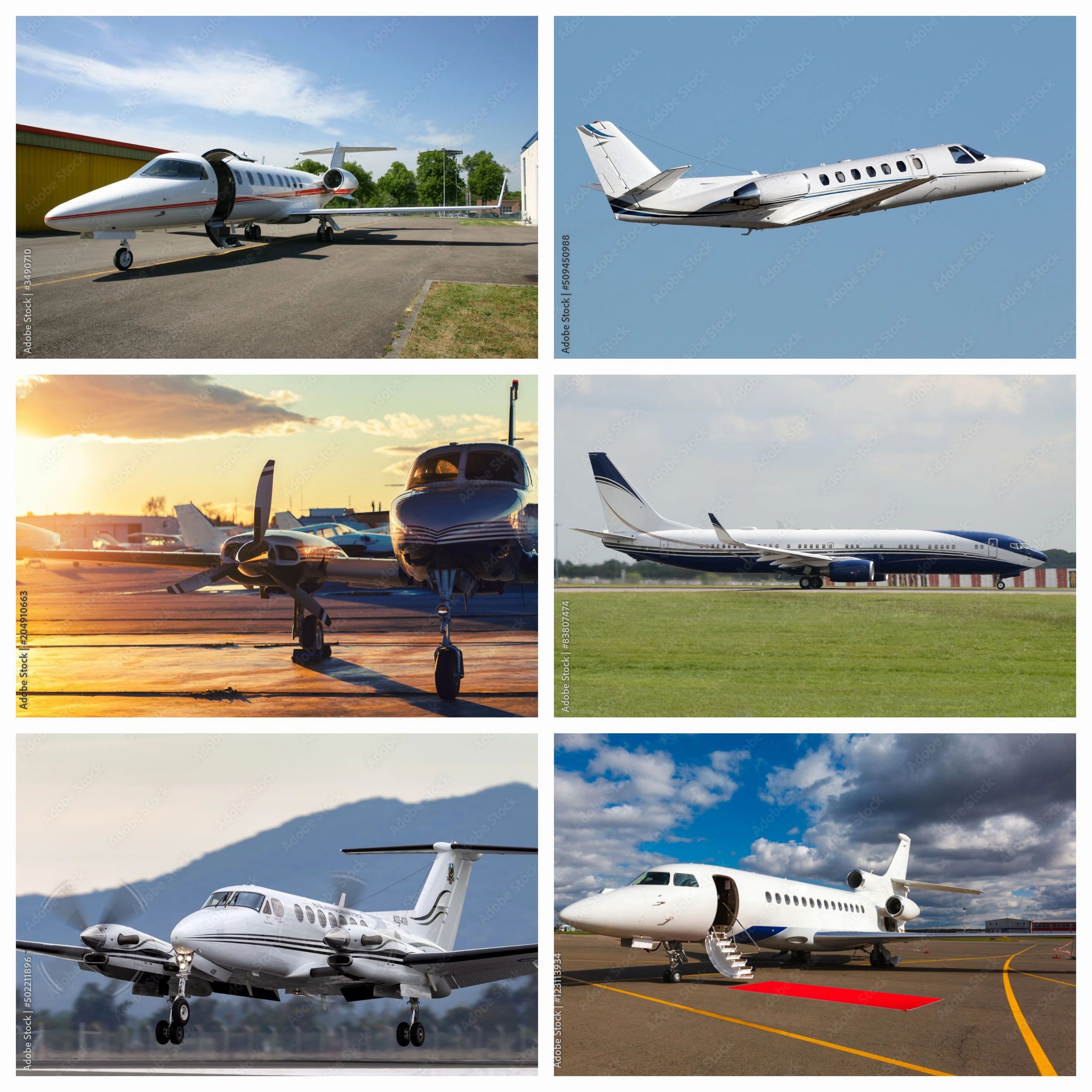
Light general aviation (GA) aircraft, often featuring single-engine piston configurations and high-wing or low-wing designs, are the backbone of pilot training and personal travel. Examples include training mainstays like the Cessna 172 and the Piper Cherokee. These aircraft prioritize docile stall characteristics, ease of maintenance, and stability over high-speed performance.
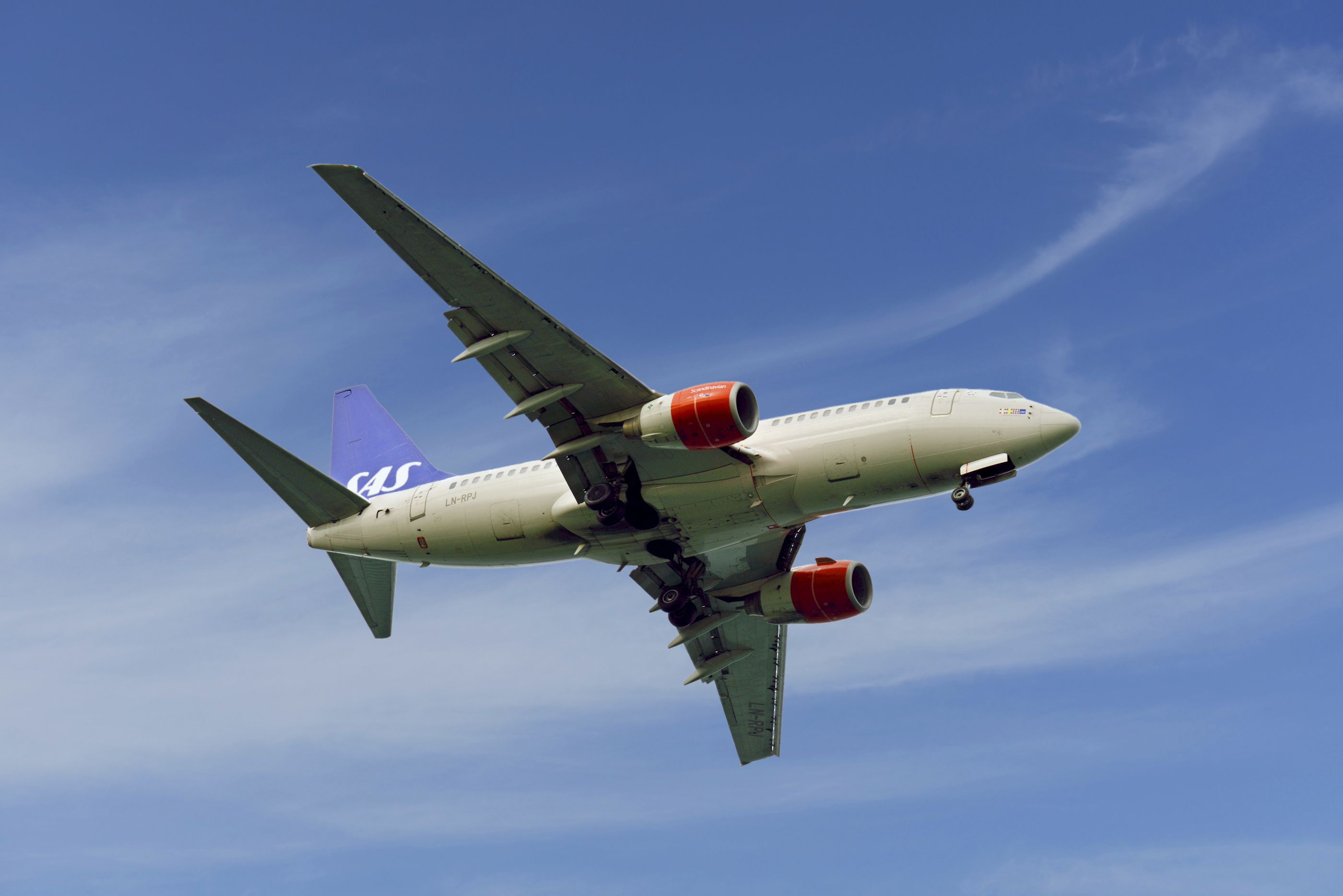
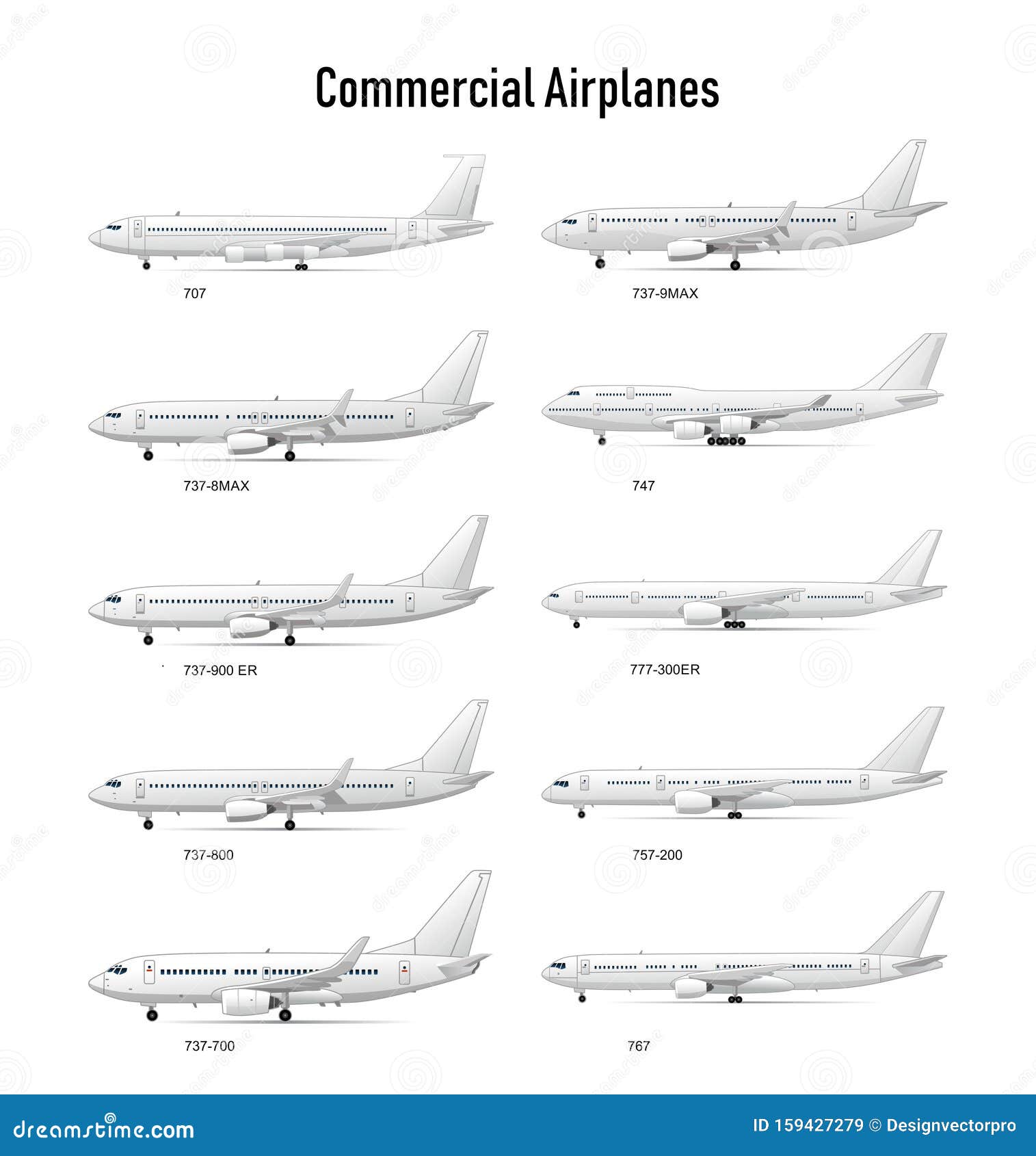
Moving upward in scale, regional turboprops and commercial jet airliners bridge the gap between regional city pairs and intercontinental transit. Commercial jets are characterized by swept wings, pressurized cabins, and high-bypass turbofan engines mounted beneath the wings or at the rear of the fuselage. They operate at high altitudes—typically between 35,000 and 43,000 feet—where thin air reduces aerodynamic drag, allowing for efficient high-speed cruise speeds of Mach 0.78 to 0.85.
Cargo and military transport aircraft form another vital subset of fixed-wing aviation. These specialized frames feature reinforced flooring, large rear loading ramps, and high-wing configurations that clear the ground for bulky cargo and allow high-bypass engines to ingest cleaner air free from ground debris.
Rotary-Wing and Vertical Takeoff and Landing (VTOL) Craft
Rotary-wing aircraft eliminate the requirement for long runways by generating lift through powered rotors. This capability grants them unmatched operational flexibility, allowing access to confined spaces, remote wilderness, rooftop helipads, and maritime vessels.
Helicopters are the most recognizable rotary-wing craft. They utilize a main rotor system for lift and propulsion, balanced by a tail rotor (or a tandem/coaxial counter-rotating configuration) to counteract the torque produced by the engine. This mechanical complexity requires specialized pilot training, particularly regarding emergency procedures such as autorotation—a maneuver executed safely in the event of total engine failure by utilizing upward airflow to keep the rotor blades spinning.
Tiltrotor aircraft, such as the civilian-oriented AW609 or the military V-22 Osprey, represent a hybrid engineering approach. They combine the vertical takeoff and landing versatility of a helicopter with the speed, range, and fuel efficiency of a fixed-wing turboprop by pivoting their rotor nacelles from a vertical orientation to a horizontal one once airborne.
Lighter-Than-Air Vehicles: Balloons and Airships
Lighter-than-air (LTA) aircraft operate on the principle of buoyancy, utilizing gases that are less dense than the surrounding atmosphere, such as helium or heated air, to achieve lift rather than aerodynamic airflow over a wing.
Hot air balloons rely on burners to heat air trapped within a large fabric envelope, reducing its density relative to the ambient air outside. Because they lack aerodynamic control surfaces, free balloons drift with the wind, and a pilot's primary control is limited to vertical ascent and descent by venting or heating the internal air.
Airships, or dirigibles, feature powered propulsion systems and aerodynamic envelopes that allow pilots to steer and navigate against prevailing winds. While historically prominent in early commercial passenger transport before the mid-20th century, modern airships are utilized for specialized aerial surveillance, meteorological research, and heavy-lift industrial applications where long loiter times are prioritized over high travel speeds.
Uncrewed Aerial Systems (UAS) and Modern Innovations
The rapid proliferation of uncrewed aerial systems (UAS), commonly known as drones, has fundamentally transformed modern aviation. UAS range from micro-scale quadcopters used for real estate photography to large, high-altitude long-endurance (HALE) military surveillance platforms capable of remaining aloft for days.
The classification of uncrewed aircraft spans fixed-wing, multi-rotor, and hybrid VTOL architectures. Multi-rotor drones excel in stationary hovering and tight-space navigation, making them ideal for structural inspections and aerial cinematography. Fixed-wing UAS, on the other hand, offer superior aerodynamic efficiency and range, rendering them indispensable for agricultural mapping, pipeline monitoring, and search-and-rescue operations.
| Aircraft Category | Primary Lift Mechanism | Typical Propulsion | Main Operational Use |
|---|---|---|---|
| Fixed-Wing | Stationary Airfoils (Wings) | Piston, Turboprop, Turbofan | Commercial transport, general aviation, cargo |
| Rotary-Wing | Rotating Airfoils (Rotors) | Turboshaft, Piston | Vertical lift, rescue, short-haul transit |
| Lighter-Than-Air | Buoyancy (Helium / Hot Air) | Lightweight Motors, None | Surveillance, recreation, specialized transport |
| Uncrewed (UAS) | Variable (Fixed, Rotary, Hybrid) | Electric Motors, Internal Combustion | Mapping, inspection, military reconnaissance |
Frequently Asked Questions About Aircraft Types
What is the difference between a turboprop and a turbofan aircraft?
A turboprop uses a gas turbine engine to drive an external propeller, which generates the majority of the thrust at lower speeds and altitudes. A turbofan uses a gas turbine core to spin an internal fan enclosed by a nacelle, bypassing most of the air around the engine core to produce high thrust efficiently at high altitudes and speeds.
How do regulatory agencies classify aircraft for licensing?
Aviation regulators like the FAA and EASA classify aircraft based on maximum takeoff weight (MTOW), number of engines, pilot certification requirements (e.g., single-engine land versus multi-engine land), and operational utility, such as normal, utility, acrobatic, or transport categories.
Can a helicopter fly upside down?
Most conventional helicopters cannot fly upside down because their rotor blades are designed to produce positive lift only when spinning in a specific direction and angle of attack. Attempting inverted flight would cause the blades to flap downward and strike the fuselage, though specialized aerobatic helicopters with semi-rigid or rigid rotor systems can execute specific maneuvers.
Why do commercial airliners use swept wings instead of straight wings?
Swept wings delay the formation of shock waves and reduce aerodynamic drag as an aircraft approaches the speed of sound (transonic speeds). This design allows commercial jets to cruise efficiently at higher speeds compared to straight-wing aircraft.
Are electric aircraft currently certified for commercial passenger service?
Small all-electric light aircraft designed for pilot training and short-hop operations are actively undergoing certification and entering early commercial service. However, large commercial passenger electric airliners remain in the research and development phase due to current limitations in battery energy density and weight constraints.
Strategic Selection and Operational Planning
Choosing the appropriate aircraft type for a specific mission requires a rigorous evaluation of payload capacity, range requirements, runway availability, and operating economics. Whether planning an airline fleet expansion, acquiring a general aviation aircraft for private travel, or deploying a drone fleet for commercial mapping, stakeholders must balance capital acquisition costs against ongoing maintenance, fuel consumption, and regulatory compliance. Consulting certified aviation advisors and reviewing official airworthiness directives ensures that chosen aircraft meet both safety standards and operational objectives.