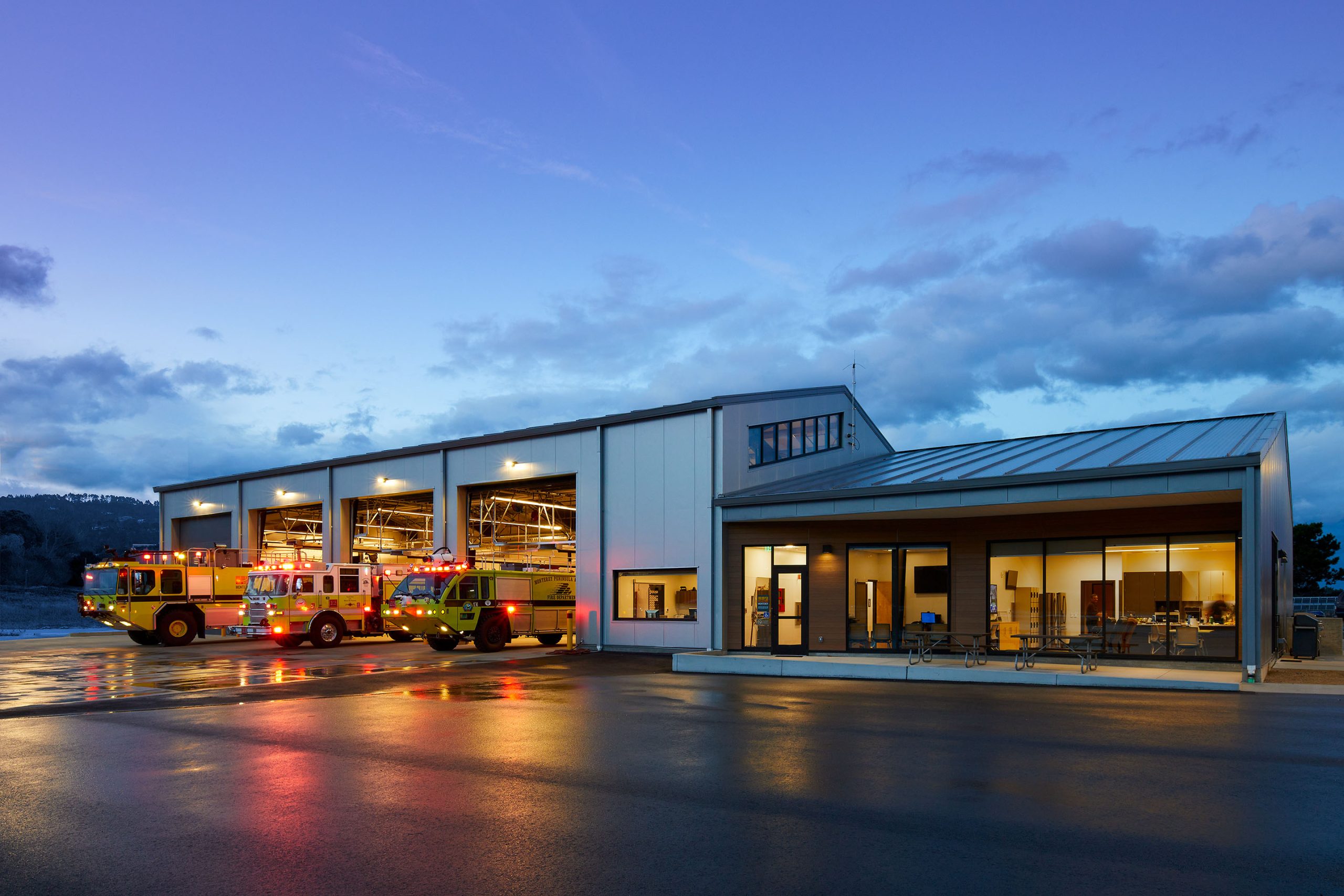
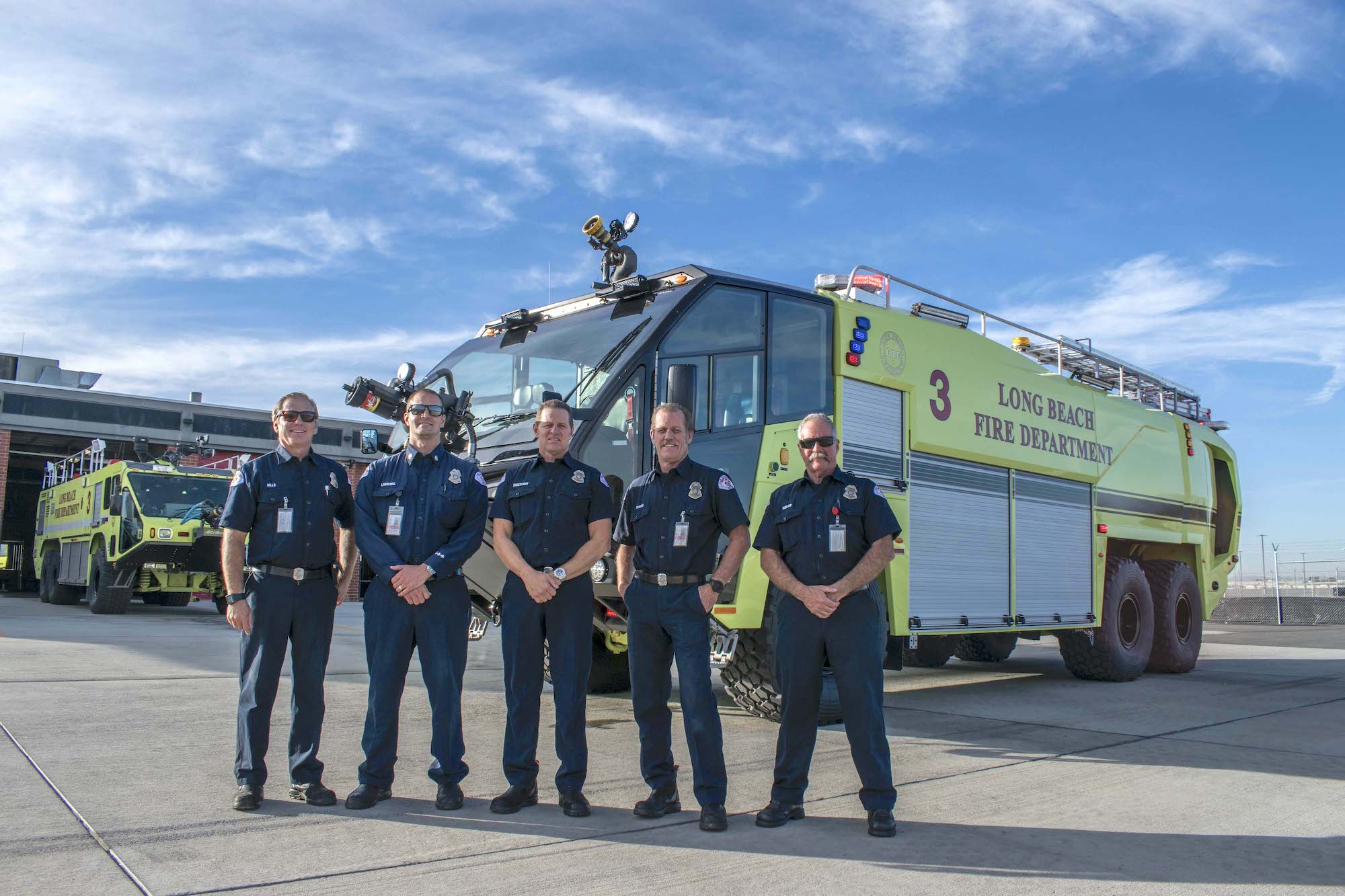
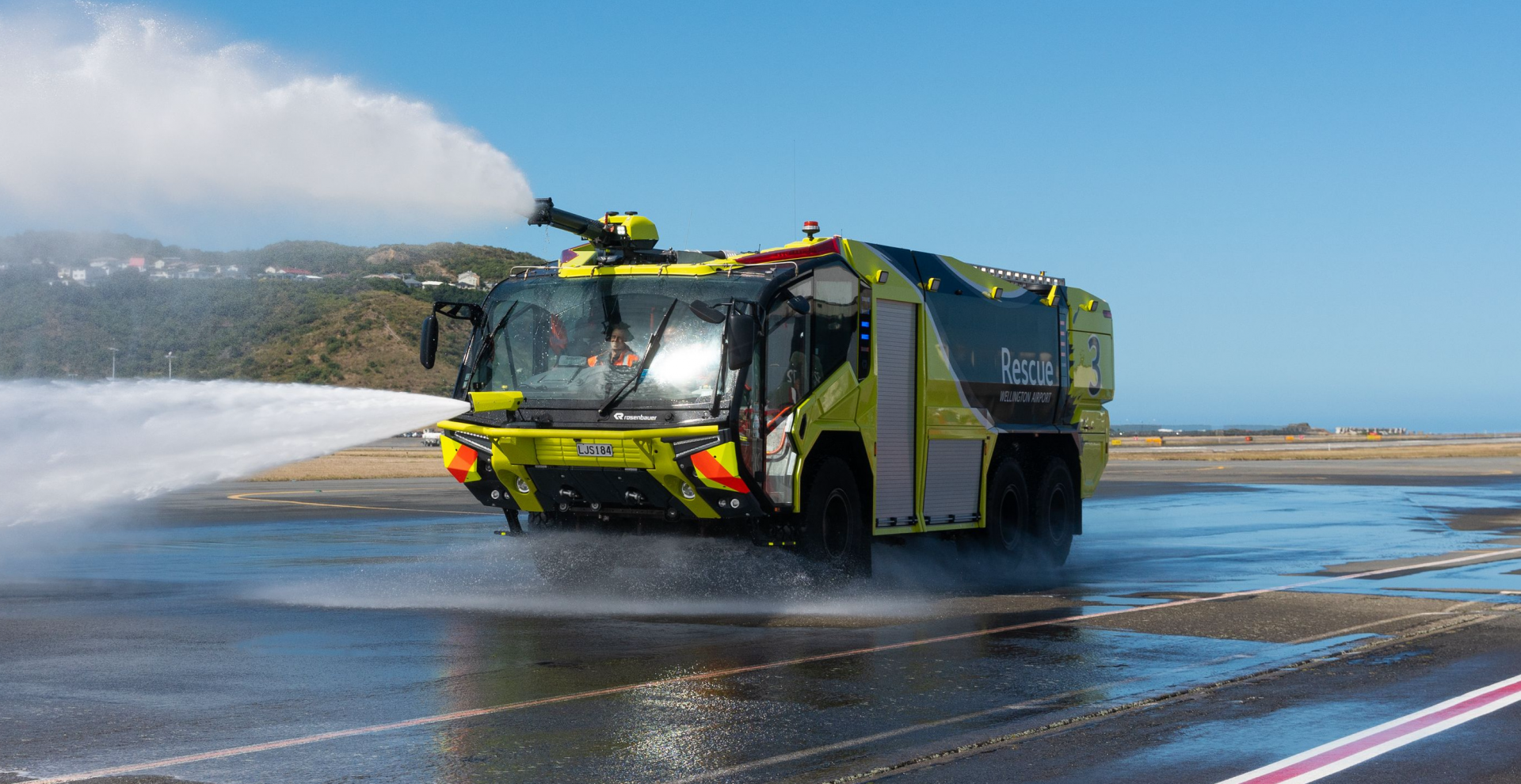
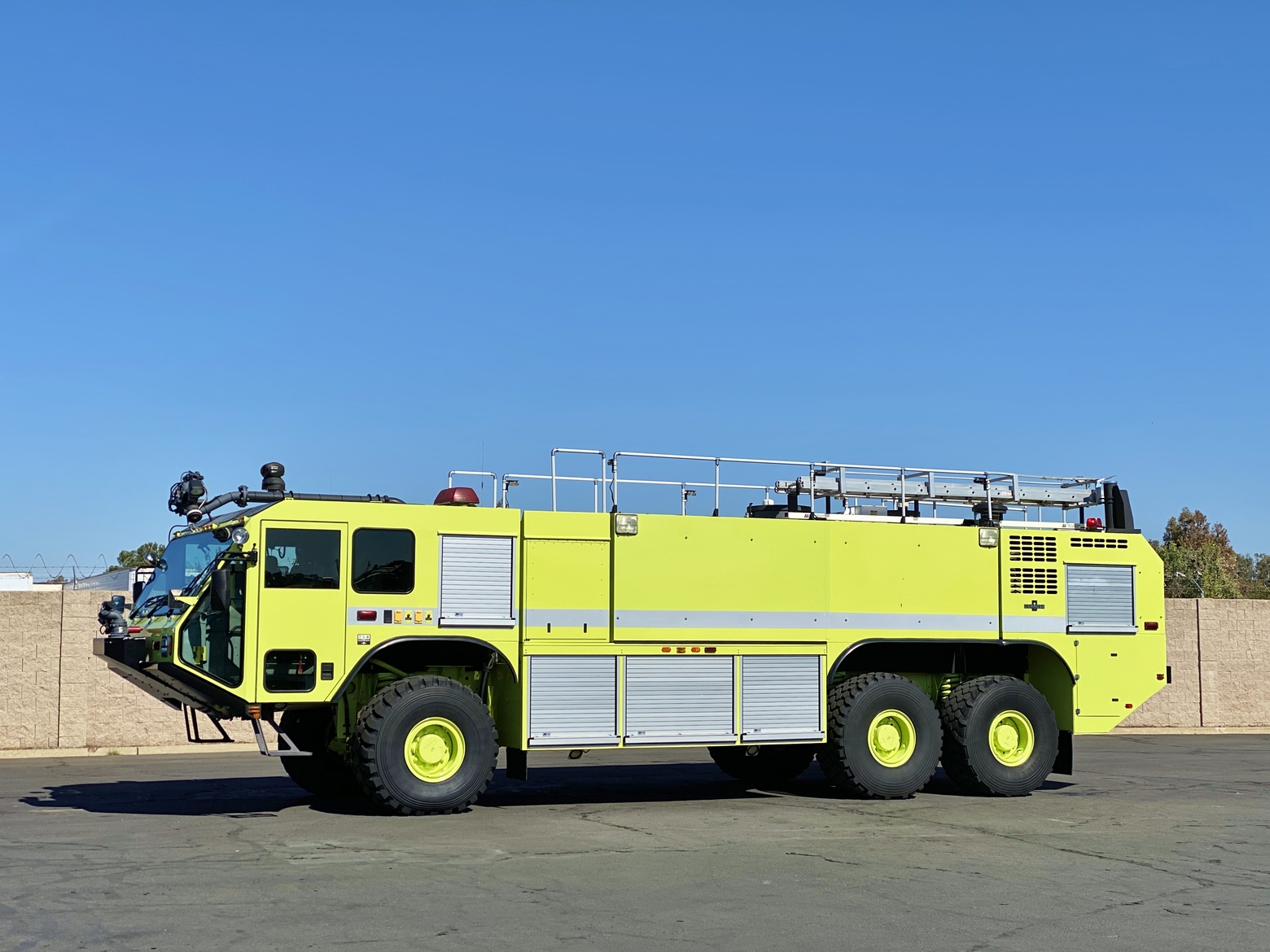
Airport rescue and fire fighting vehicles, commonly known as aircraft rescue and fire fighting (ARFF) apparatus, are specialized emergency response trucks engineered to extinguish severe fuel fires and rescue passengers from downed aircraft. Unlike structural fire engines, an aircraft fire truck must navigate rough terrain outside airport perimeters, accelerate rapidly under immense weight, and discharge thousands of gallons of water and specialized foam within minutes to create a survivable escape path for passengers and crew.
Understanding the Role of ARFF Vehicles in Aviation Safety
Aircraft rescue and fire fighting vehicles represent the frontline defense of commercial and military aviation safety. When an aviation emergency occurs, every second counts. The primary objective of an ARFF vehicle is not necessarily to extinguish the entire fuel fire immediately, but rather to secure a survivable path—often called a rescue envelope—allowing occupants to escape the fuselage before toxic smoke and radiant heat overwhelm the cabin.
Regulatory bodies such as the International Civil Aviation Organization (ICAO) and the Federal Aviation Administration (FAA) mandate strict requirements for these vehicles based on an airport's index classification. Airports are categorized from Index A through Index E, depending on the length and frequency of the largest aircraft serving the facility. Each index dictates the minimum number of rescue vehicles required, the carrying capacity for water and extinguishing agents, and the mandatory response time. An ARFF vehicle must be capable of reaching any point on the operational runway within three minutes under optimal visibility and surface conditions, accelerating from 0 to 50 miles per hour in a fraction of the time required for standard heavy-duty trucks.
Key Technical Specifications and Performance Capabilities
The engineering behind modern aircraft rescue and fire fighting vehicles involves a delicate balance of massive horsepower, specialized propulsion systems, and high-capacity fluid delivery networks. Because these vehicles operate in extreme conditions, their mechanical specifications vastly exceed those of municipal structural engines.
Most contemporary ARFF trucks feature dual-engine configurations or massive single diesel powerplants producing between 500 and over 1,000 horsepower, coupled with automatic transmissions capable of managing gross vehicle weight ratings that often exceed 80,000 pounds. Despite their immense bulk, all-wheel-drive systems, specialized torque-proportioning differentials, and high-flotation tires enable these vehicles to traverse muddy soil, sand, and perimeter fencing without losing momentum.
Extinguishing Agent Capacities and Delivery Systems
Water alone is insufficient to combat aviation fuel fires, which involve volatile jet propellants that float on water and burn at exceptionally high temperatures. ARFF vehicles carry sophisticated proportioning systems that mix water with Aqueous Film-Forming Foam (AFFF) or newer fluorine-free alternatives to create a cohesive blanket that seals flammable vapors and smothers flames.
In addition to water and foam, heavy ARFF units carry complementary extinguishing agents such as dry chemical powders (typically potassium bicarbonate) or clean agents, which are delivered through handlines or specialized boom turrets. The main roof turret, often controlled via a joystick from inside the pressurized cab, can discharge thousands of gallons per minute over distances exceeding 200 feet. Many modern units also incorporate penetrating nozzles mounted on extendable booms, allowing firefighters to pierce the aircraft fuselage and inject water or foam directly into the cabin or cargo hold without exposing personnel to external heat.
Comparative Overview of ARFF Vehicle Classes
Airport operators select and deploy different classes of crash rescue vehicles depending on regulatory minimums, airfield layout, and risk assessments. Understanding the distinctions between light, medium, and heavy units clarifies how multi-vehicle response strategies function during an incident.
| Vehicle Class | Typical Water Capacity | Primary Function | Crew Capacity | Mobility Profile |
|---|---|---|---|---|
| Light/Rapid Intervention | 100 – 500 gallons | Initial rapid attack, restricted access areas, medical support | 1 – 3 personnel | High-speed, highly maneuverable |
| Medium ARFF | 1,500 – 3,000 gallons | Balanced capacity and agility for mid-sized airports | 2 – 4 personnel | All-terrain, robust acceleration |
| Heavy ARFF | 3,000 – 4,500+ gallons | Primary suppression for large hub airports and widebody aircraft | 3 – 5 personnel | Heavy-duty all-wheel drive, high-volume turrets |
| HRET-Equipped Units | 2,000 – 4,500 gallons | Piercing fuselage, elevated tactical discharge | 2 – 4 personnel | Specialized boom articulation, stabilizing jacks |
Operational Protocols and Tactical Deployment
Deploying an aircraft fire truck requires specialized training that differs fundamentally from structural firefighting. Operators must understand aircraft construction materials, including composite panels and lightweight aluminum alloys that degrade rapidly under extreme thermal stress. Furthermore, tactical positioning must account for the danger zones surrounding jet engines, auxiliary power units, and pressurized landing gear struts.
When an aircraft declares an in-flight emergency or suffers a ground mishap, ARFF units preposition themselves along designated grid paths adjacent to the runway before touchdown. As the aircraft lands or comes to a rest, vehicles execute a pincer movement or position themselves upwind to prevent wind-driven flames from engulfing the escape routes. Turrets are discharged immediately to beat back pool fires, while firefighters don proximity suits and deploy handlines for interior search and rescue operations. Coordination with local municipal fire departments is established through mutual aid pacts, but the specialized equipment and tactical leadership remain under the direction of the airport fire chief.
Maintenance, Testing, and Regulatory Compliance
Because ARFF vehicles may sit on standby for extended periods, rigorous maintenance schedules and daily pre-trip inspections are mandatory to ensure absolute reliability. Fleet managers conduct weekly discharge tests to verify foam proportioning accuracy, turret range of motion, and pump pressure stability.
Regulatory audits require documentation of tire tread depth, braking efficiency under heavy loads, and fluid quality. Water tanks must be treated to prevent corrosion and bacterial growth, while foam tanks are monitored for contamination. Electronics, thermal imaging cameras, and infrared guidance systems—crucial for navigating through dense smoke or heavy fog—undergo routine diagnostic testing to prevent mission-critical failures during an actual emergency.
Frequently Asked Questions About Aircraft Rescue and Fire Fighting Vehicles
What is the difference between a structural fire engine and an aircraft fire truck?
Structural fire engines are optimized for building fires, featuring hose lays, ladders, and water pumps designed to connect to municipal hydrants. In contrast, an aircraft fire truck carries its own massive water and foam supply, features high-output roof turrets for mobile discharge, and possesses extreme all-terrain mobility to operate off-road across unpaved airport terrain.
How fast can an aircraft rescue and fire fighting vehicle accelerate?
Despite weighing upwards of 80,000 pounds, heavy ARFF vehicles are engineered with high-output diesel engines to accelerate from 0 to 50 miles per hour in approximately 25 to 35 seconds, meeting strict international response time standards.
What are High Reach Extendable Turrets (HRET)?
HRET systems are hydraulically operated booms mounted on top of the truck equipped with piercing nozzles and thermal cameras. They allow firefighters to puncture an aircraft's fuselage from a safe distance and spray water or foam directly into the interior without requiring personnel to enter dangerous fire zones.
Do airport fire trucks use water or foam to extinguish fires?
They use a mixture of water and specialized foam concentrates. Aviation fuel fires require foam to blanket the burning liquid, cutting off oxygen and suppressing flammable vapors that water alone cannot control.
How do ARFF vehicles navigate in low-visibility weather?
Modern ARFF vehicles utilize advanced navigation aids including differential GPS, thermal imaging infrared cameras, radar mapping systems, and forward-looking infrared (FLIR) technology to safely navigate runways and tarmac areas during heavy fog, snow, or smoke.
Fleet Procurement and Future Operational Planning
Selecting and acquiring a new aircraft fire truck requires close collaboration between airport authorities, municipal financial planners, and specialized emergency vehicle manufacturers. Capital expenditures must account for custom chassis fabrication, specialized bodywork, pump maintenance contracts, and comprehensive operator training programs. As aviation technology evolves with larger composite airframes and alternative propulsion concepts, airport fire services continue to adapt their vehicle specifications, ensuring that crash rescue capabilities keep pace with modern commercial aviation demands.