Navigating indoor temperature control without the high energy consumption of traditional air conditioning has led many to seek aircon like fan cool comfort solutions, which typically combine high-velocity airflow, aerodynamic blade engineering, and advanced evaporative cooling or misting mechanisms to dramatically lower perceived ambient temperatures.
Understanding the Mechanics of High-Performance Cooling Fans
Traditional ceiling and box fans merely circulate existing room air, creating a wind chill effect on human skin through the evaporation of perspiration without actually lowering the temperature of the air itself. In contrast, modern aircon like fan cool comfort solutions utilize advanced fluid dynamics, specialized scroll casings, and multi-stage impellers to compress and direct a high-velocity column of air. This targeted airflow mimics the crisp, refreshing discharge of a split-system air conditioner.
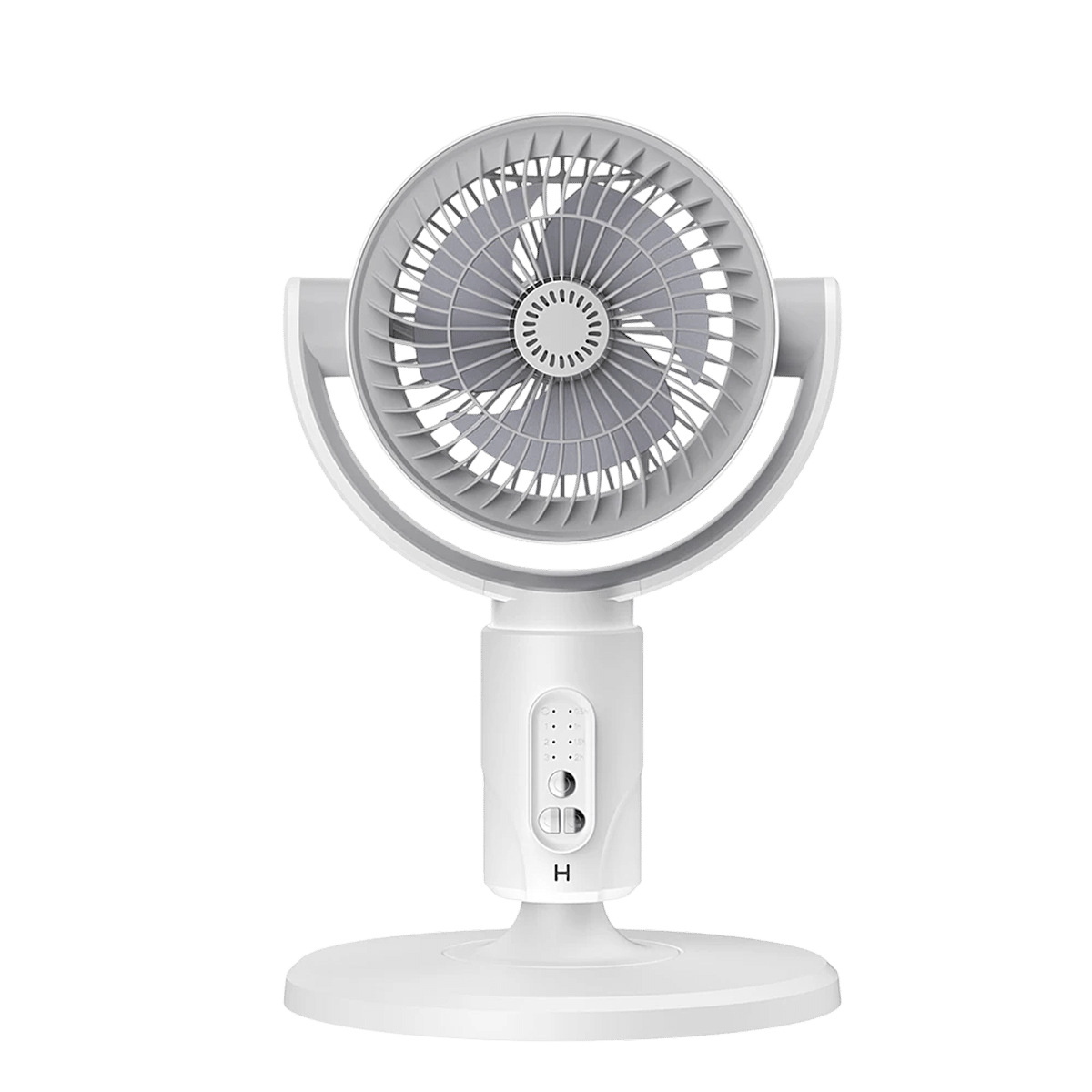
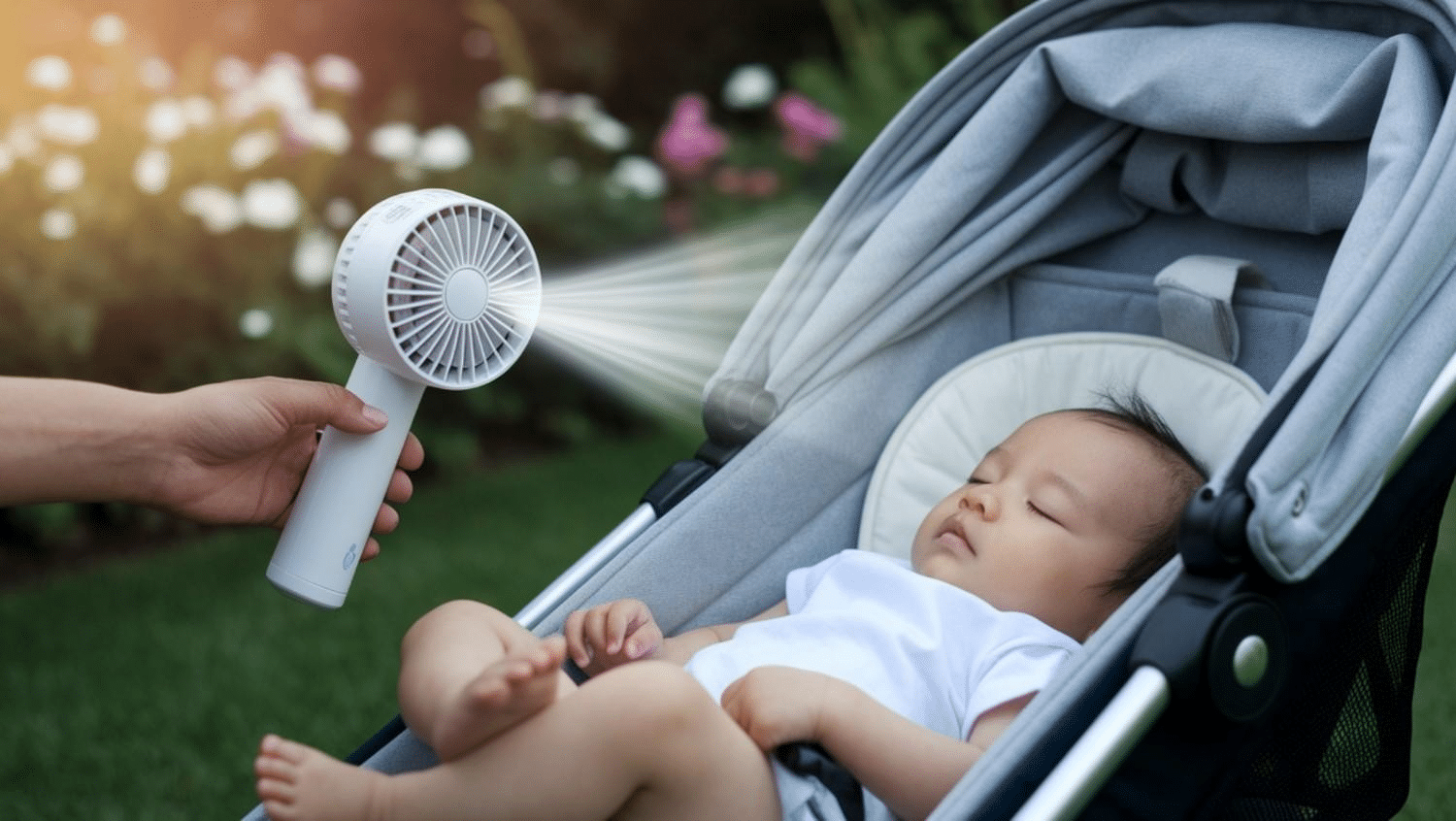
When evaluating these cooling devices, it helps to understand how velocity and volume interact. A standard pedestal fan moves a high volume of air at a low velocity, dispersing the breeze broadly across a room. Conversely, aircon-style cooling fans—often inspired by bladeless technology or heavy-duty industrial designs—accelerate a narrower stream of air over a longer distance. This concentrated airflow enhances convective heat transfer from the human body, allowing individuals to feel up to several degrees cooler than the actual thermometer reading. Furthermore, many of these systems incorporate oscillation angles exceeding 90 degrees and vertical tilt adjustments to ensure uniform distribution throughout living or working areas.
Exploring Evaporative and Mist-Enhanced Air Movement Technologies
To bridge the performance gap between standard fans and mechanical refrigeration units, many advanced cooling solutions integrate evaporative humidification or ultrasonic misting technologies. These units pass warm indoor air through a dampened honeycomb cooling media or atomize water into micro-droplets that instantly flash-evaporate upon contact with the air stream. This phase change absorbs sensible heat, resulting in a measurable drop in air temperature before the breeze reaches the user.
Integrating moisture into the airstream requires careful consideration of relative humidity levels. In arid and semi-arid climates, evaporative cooling solutions excel, dropping ambient temperatures by 5 to 10 degrees Celsius while adding much-needed humidity. However, in humid environments, the air is already saturated with moisture, rendering evaporative cooling less effective and potentially leading to a clammy indoor atmosphere. For indoor residential or office spaces, manufacturers often utilize sealed ice chambers or gel-pack reservoirs that chill the water circulating through the system without excessively raising indoor humidity. This provides a crisp, chilled output reminiscent of a true air conditioning unit while maintaining energy efficiency.
Evaluating Energy Efficiency and Operational Cost Comparisons
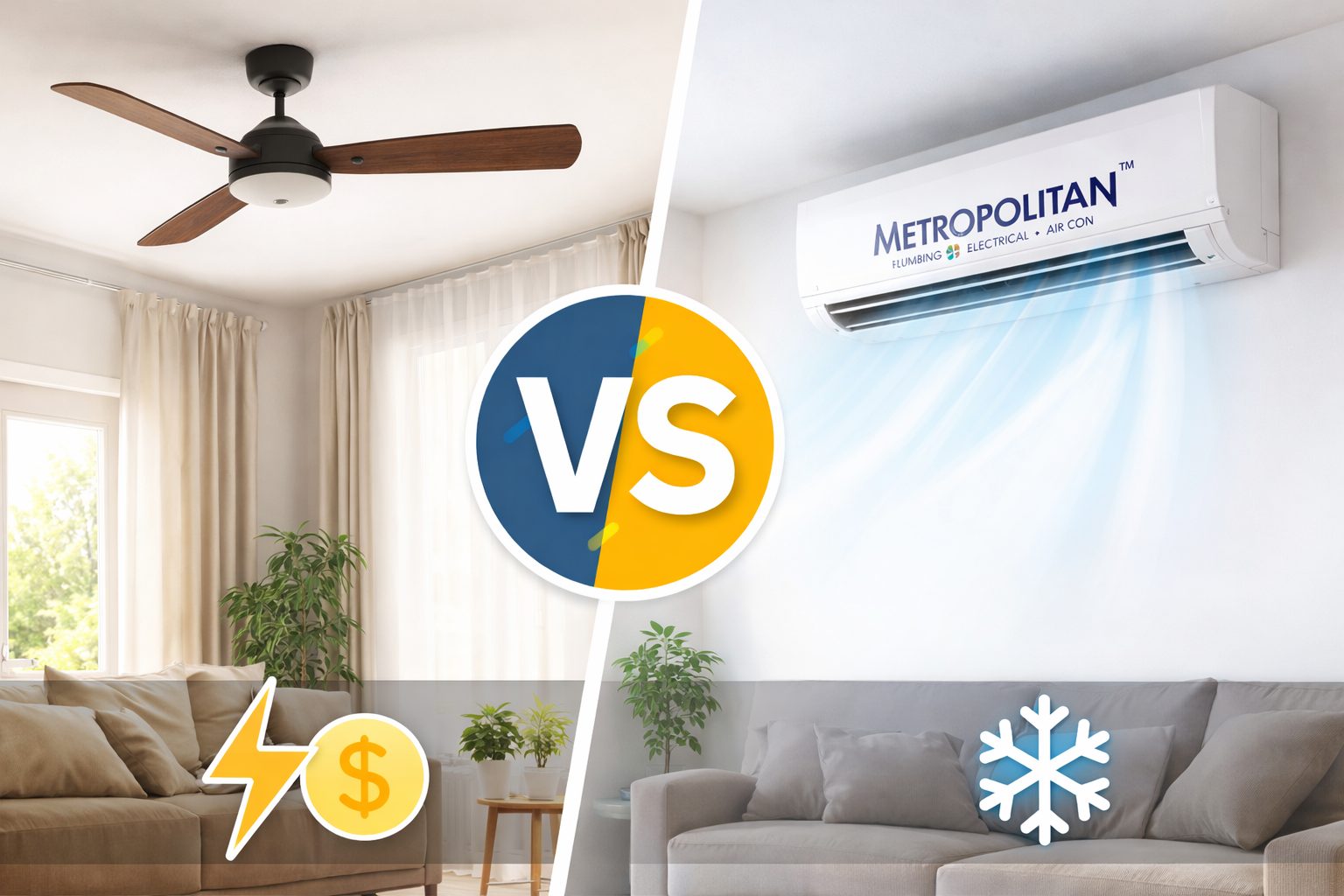
One of the primary drivers behind the adoption of aircon like fan cool comfort solutions is the substantial reduction in electrical consumption compared to traditional vapor-compression air conditioning systems. Standard central air conditioning units typically consume between 1,500 to 3,500 watts of electricity per hour, placing a heavy burden on monthly utility bills and electrical grids. High-performance cooling fans and evaporative units generally operate within a range of 40 to 150 watts, representing a reduction in energy use of up to 90 percent.
| Cooling Technology | Average Power Consumption | Temperature Reduction Mechanism | Best Operating Environment | Approximate Maintenance Frequency |
|---|---|---|---|---|
| Traditional Split AC | 1,000 – 2,500 Watts | Refrigerant compression and heat exchange | All climates, sealed rooms | Annual professional servicing |
| Standard Pedestal Fan | 40 – 75 Watts | Skin evaporation via air movement | Mildly warm indoor spaces | Monthly dusting |
| Aircon-Style Bladeless Fan | 30 – 120 Watts | Aerodynamic air acceleration and compression | Indoor spaces, targeted cooling | Bi-monthly filter and inlet cleaning |
| Evaporative / Chilled Fan | 60 – 180 Watts | Water evaporation and sensible heat absorption | Dry, low-humidity climates | Weekly water reservoir sanitization |
Analyzing these operational figures reveals that while fans cannot chemically alter the thermodynamic temperature of a sealed room in the manner of an air conditioner, they provide localized comfort at a fraction of the cost. For homeowners looking to supplement their existing climate control strategy, running an efficient cooling fan alongside a central thermostat set a few degrees higher can yield significant financial savings over the cooling season.
Key Selection Criteria for Residential and Office Spaces
Selecting the appropriate cooling solution requires a careful assessment of room dimensions, layout, ambient humidity, and noise constraints. Unlike industrial environments where raw air velocity and rugged construction take precedence, indoor residential and office spaces demand a balance of acoustic discretion, aesthetic integration, and safety features.
- Air Delivery Volume (CFM): Measured in cubic feet per minute, this metric dictates how effectively the unit can move air through a specific room size. Ensure the fan's CFM rating matches or exceeds the square footage of your space.
- Noise Level (Decibels): For bedrooms and private offices, look for units that operate below 50 decibels on medium speed to prevent auditory fatigue during extended use.
- Filtration and Air Quality: Many modern cooling solutions feature integrated HEPA, carbon, or washable mesh filters that capture dust, pet dander, and allergens while circulating the air.
- Portability and Form Factor: Consider whether a tower fan, floor-standing drum fan, or compact desktop unit best serves your daily movement patterns and spatial constraints.
Maintenance Requirements and Troubleshooting Common Performance Issues
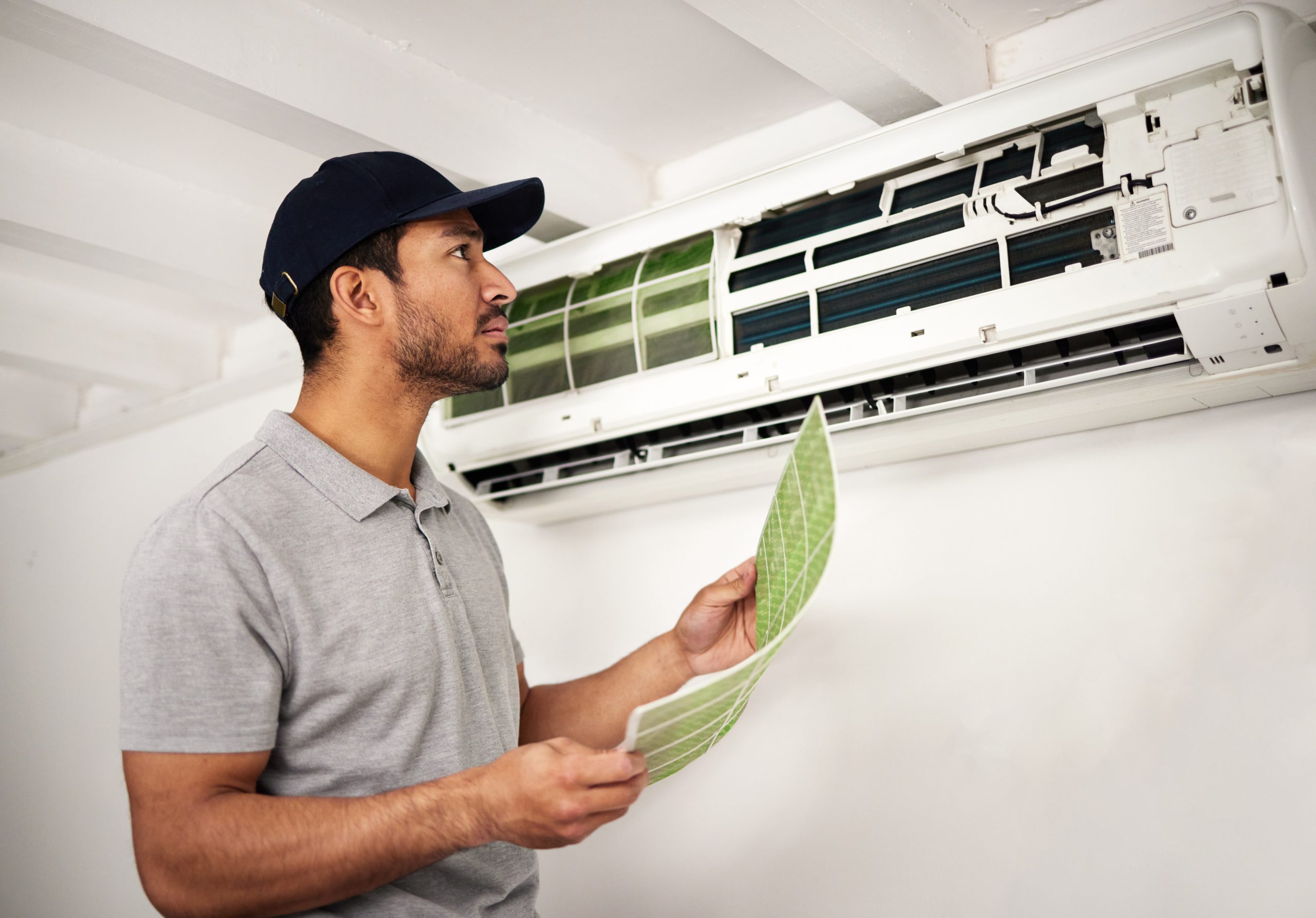
To maintain optimal airflow and hygienic operation, aircon like fan cool comfort solutions require routine maintenance. Over time, dust, airborne particulates, and lint accumulate on fan blades, intake grilles, and evaporative media. This buildup not only restricts airflow and reduces cooling efficiency but can also introduce allergens into the indoor environment.
For standard and bladeless cooling fans, the intake grilles and air channels should be vacuumed or wiped down with a microfiber cloth every two to four weeks. Units equipped with water tanks or evaporative cooling pads require more rigorous oversight. Stagnant water can breed bacteria and mold, leading to unpleasant odors and potential respiratory issues. Reservoirs must be drained, cleaned with a mild disinfectant solution, and refilled with fresh water regularly. If a cooling fan begins to produce an oscillating rattle or a reduction in airflow, inspect the motor housing for obstruction, check that all external screws are secure, and verify that the air filters are free of dense particulate blockages.
Practical Recommendations for Maximizing Indoor Cooling Efficiency
Maximizing the effectiveness of aircon-style cooling solutions involves strategic placement and environmental management rather than relying solely on the device's mechanical output. Position your cooling fan near an open window during the cooler evening hours to pull fresh outdoor air into the living space, or place it directly in front of an open doorway to facilitate cross-ventilation through multiple rooms. During peak daytime heat, draw window blinds or thermal curtains to block solar radiation, allowing the fan's accelerated airflow to cool your immediate zone efficiently without fighting an influx of external heat.