Managing air travel allergies requires a structured strategy combining pre-flight medical preparation, environmental mitigation inside the cabin, and clear communication with airline staff. While high-efficiency particulate air (HEPA) filters clean airborne recirculated air, surface allergens, low cabin humidity, and food cross-contamination present distinct risks that travelers must actively manage through tailored defense protocols.
The Environmental Mechanics of Aircraft Cabins and Allergy Triggers
The microclimate inside a commercial aircraft presents unique physiological challenges for individuals with allergic rhinitis, asthma, or severe food allergies. Commercial cabins operate at pressurized altitudes typically equivalent to 6,000 to 8,000 feet above sea level. This environment features extremely low relative humidity, often dropping below 10% to 20% during long-haul flights. Low humidity dries out the mucous membranes lining the nasal passages and respiratory tract, compromising the mucociliary clearance system. When these natural mucosal barriers dry out, the body becomes significantly more susceptible to irritation from microscopic airborne triggers.
Modern commercial aircraft utilize complex Environmental Control Systems (ECS) that mix outdoor engine bleed air (or fresh air pulled from external compressors on newer jets) with recirculated cabin air. This recirculated portion passes through High-Efficiency Particulate Air (HEPA) filters designed to capture at least 99.97% of airborne particles down to 0.3 microns in size. These industrial-grade filtration systems effectively trap airborne pet dander, pollen, mold spores, and bacterial cells circulating through the ventilation ducting.
- Cabin Air Intake
- HEPA Filtration (99.97% Efficiency)
- Filtered Air Vents
- Passenger Movement
- Uncleaned Tray Tables / Seats
- Surface Contact Risks
Despite the efficiency of HEPA filtration, environmental allergy risks remain prevalent on planes due to surface contact and localized exposure. Airborne filtration cannot clear allergens that have already settled on soft fabrics, carpet fibers, seat cushions, or tray tables. Dust mites thrive in high-turnaround passenger seating, while pet dander carried on the clothing of previous passengers easily transfers to fabric seat covers. Furthermore, when passengers consume snacks containing common allergens like peanuts or tree nuts, heavy handling can deposit protein residues directly onto armrests, seat-back entertainment screens, and latching mechanisms.
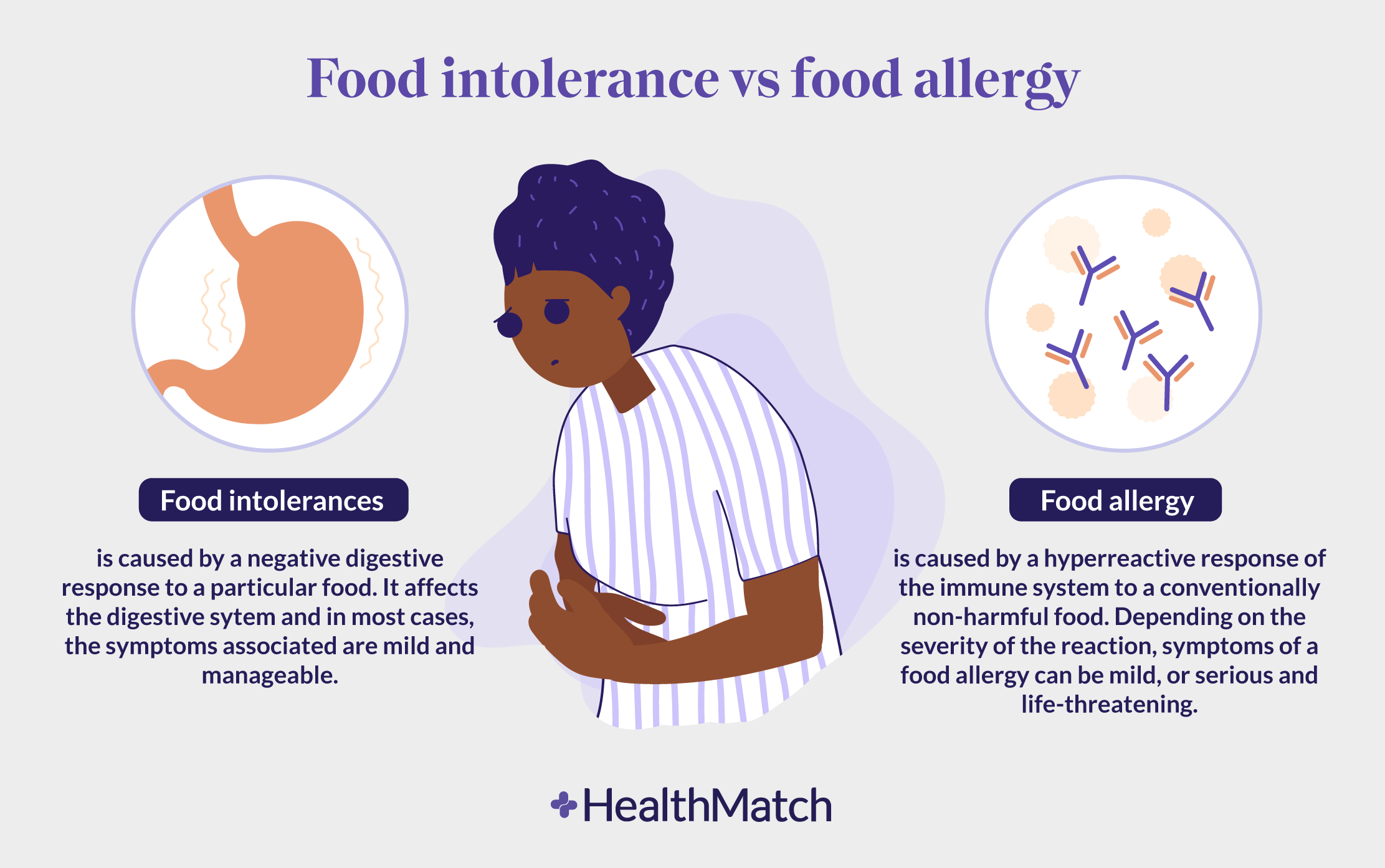
Understanding the difference between airborne and surface exposure is critical for allergy management. While aerosolized food proteins (such as dust from cracked peanut shells) can cause localized upper respiratory irritation or eye redness, systemic anaphylaxis primary occurs through ingestion or mucous membrane contact after touching contaminated surfaces. Consequently, controlling the immediate seating area is just as vital as relying on the aircraft's air purification system.
Navigating Airline Policies, Regulations, and Pre-Boarding Rights
Navigating airline policies requires an understanding of aviation regulations and passenger rights. In the United States, the Department of Transportation (DOT) enforces the Air Carrier Access Act (ACAA), which prohibits discrimination against individuals with disabilities, including severe, life-threatening food allergies that substantially limit major life activities. Under DOT interpretations, airlines operating flights within or to the U.S. must provide reasonable accommodations to allergic passengers, though specific execution varies across air carriers.
A common misconception among travelers is that airlines can guarantee a completely "allergen-free" environment. Commercial airlines explicitly state that they cannot guarantee a nut-free or allergen-free aircraft. Even if an airline agrees to refrain from serving complimentary peanut or tree nut snacks during a flight, they cannot prevent other passengers from bringing their own food onboard. Moreover, residual proteins from earlier flights may remain on surfaces if the aircraft underwent a rapid turnaround between legs.
| CRITICAL LEGAL & SAFETY NOTICE |
|---|
| Regulatory frameworks like the Air Carrier Access Act (ACAA) require airlines to grant pre-boarding to passengers with severe allergies to sanitize their seating area. However, no commercial airline guarantees an absolute allergen-free flight. |
Federal guidelines require air carriers to allow passengers with severe allergies to pre-board the aircraft. Pre-boarding provides a dedicated window—typically 5 to 10 minutes before general boarding begins—to clean hard surfaces, place seat covers, and inspect the immediate seating zone without impeding passenger flow. To utilize this accommodation, passengers should notify the gate agent at least 30 to 45 minutes prior to scheduled boarding and clearly state that they require pre-boarding for medical sanitization under ACAA guidelines.
International regulations differ outside the United States. The European Union Aviation Safety Agency (EASA) and individual international civil aviation authorities offer varying levels of formal oversight for food allergies. European carriers frequently permit passengers to request a "buffer zone"—a policy where crew members request that passengers sitting several rows ahead of and behind the allergic individual refrain from eating specific nut products. However, these buffer zones rely largely on voluntary compliance from fellow passengers rather than enforceable legal mandates.
TSA Guidelines and Managing Medical Kits for Flight Day
Packing and transporting essential medical supplies for air travel requires strict adherence to security protocols to avoid delays or confiscation. The Transportation Security Administration (TSA) maintains clear exceptions for medically necessary liquids, gels, and aerosols, allowing them to bypass standard 3-1-1 container limitations.
Epinephrine auto-injectors (such as EpiPen, Auvi-Q, or generic equivalents), liquid antihistamines, corticosteroid nasal sprays, and asthma rescue inhalers are classified as medically necessary items. Passengers are permitted to carry these medications in quantities exceeding 3.4 ounces (100 milliliters) in their carry-on luggage. These items should never be packed in checked baggage, where extreme temperature fluctuations in cargo holds can denature protein-based medications like epinephrine, rendering them ineffective during an emergency.
| Medication Category | Security Guidelines & Exceptions | Storage & Handling Requirements |
|---|---|---|
| Epinephrine Auto-Injectors | Exempt from 3-1-1 liquid rules. Must pass X-ray or manual inspection. Keep dual-pack together. | Store at room temperature (68°F to 77°F / 20°C to 25°C). Avoid freezing or cargo holds. |
| Liquid Antihistamines | Exempt from 3-1-1 rules if declared to TSA officers at the start of screening. | Carry in original packaging with pharmacy prescription label attached. |
| Asthma Inhalers & Spacers | Allowed in carry-on baggage. Nebulizers are subject to separate device inspection. | Ensure protective caps are fitted; keep device accessible during flight. |
| Sanitizing Wipes & Spray | Packets of wipes are unrestricted. Liquid cleaning sprays must follow 3-1-1 unless declared medical. | Use commercial surfactant/detergent wipes; alcohol gel does not break down food proteins. |
When passing through security checkpoints, remove your allergy medical kit from your main carry-on bag and present it separately to the screening officer. Clearly state that the kit contains medically necessary liquids and auto-injectors. While a doctor's note is not strictly mandatory under TSA rules for domestic U.S. travel, carrying an official Allergy and Anaphylaxis Emergency Plan signed by a licensed physician provides helpful documentation during international security checks or customs declarations.
Epinephrine auto-injectors should always be packed in pairs. Anaphylaxis management protocols emphasize carrying two complete auto-injectors because up to 20% of severe allergic reactions require a second dose of epinephrine if initial symptoms fail to subside within 5 to 15 minutes. Ensure all auto-injectors are unexpired, clearly labeled by the pharmacy, and kept in a thermal insulating pouch to protect them from direct heat exposure or cold drafts near aircraft doors.
Aircraft Seating Decontamination: A Step-by-Step Guide
Properly sanitizing your immediate seating area lowers the risk of contact-derived allergic reactions. Follow this procedure immediately upon pre-boarding the aircraft:
- Request Pre-Board Access Early: Inform the gate agent during the pre-boarding announcement phase that you require medical pre-boarding to wipe down your seat area for severe contact allergies.
- Inspect the Seating Environment: Visually check the seat cushion, floor area, and seat-back pocket for visible debris, food packaging, or loose nut shells left by previous passengers. Request assistance from crew members if major debris requires vacuuming or seat replacement.
- Decontaminate Hard Surfaces: Using commercial detergent or surfactant-based wipes, thoroughly scrub all hard non-porous surfaces. Focus effort on:
- The top, bottom, and edges of the folding tray table.
- The tray table latching mechanism.
- Armrests and seat-belt buckles.
- The outer bezel of the seat-back entertainment screen and remote control buttons.
- The wall panel and window shade if sitting in a window seat.
- Avoid Alcohol Gels for Food Residues: Do not rely on standard alcohol-based hand sanitizers to clean food surfaces. While alcohol kills bacteria and viruses, it does not denature or break down food proteins (such as ARA h 1-8 peanut proteins). Physical removal via a wet surfactant wipe is necessary to strip sticky proteins from hard plastics.
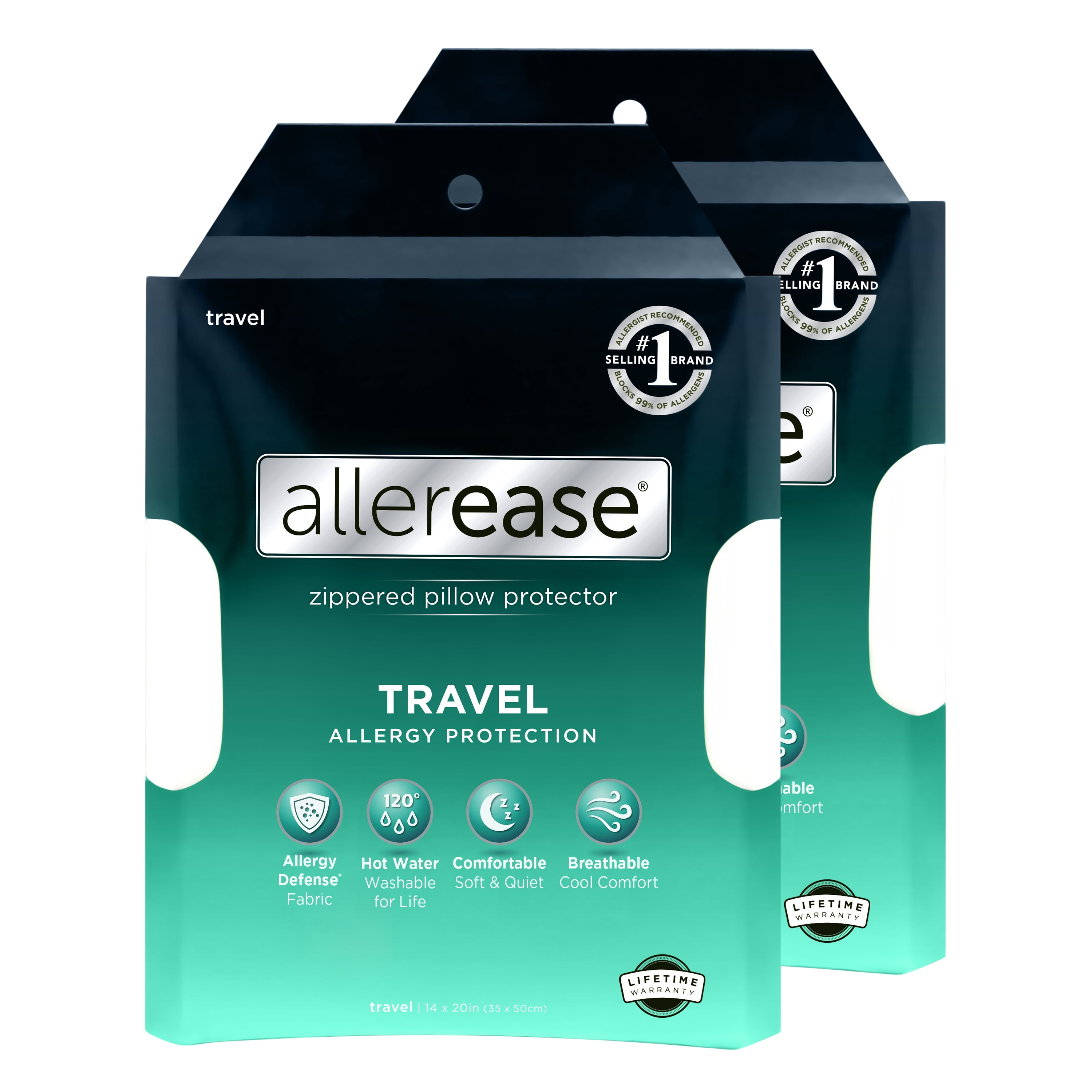
- Install Physical Barriers: Place a washable, reusable seat cover or clean blanket over porous fabric seats to prevent contact with trapped pet dander or dust mite allergens embedded in the upholstery.
- Adjust Individual Ventilation Vents: Turn the individual overhead air vent (the gasper) to a medium flow rate and direct the air stream so it blows straight down directly in front of your face. This creates a clean air curtain of HEPA-filtered air that pushes unfiltered cabin ambient air away from your breathing zone.
Comparative Analysis of Airline Accommodations and Regulations
Airlines operate under different statutory frameworks and company policies regarding medical accommodations. The following table highlights the standard operational practices, regulatory authorities, and practical limitations encountered across international commercial aviation.
| Regulatory Jurisdiction / Authority | Mandatory Accommodations | Voluntary Airline Policies | Practical Limitations & Passenger Actions |
|---|---|---|---|
| U.S. Dept. of Transportation (ACAA) | Pre-boarding rights for seat sanitization; non-discrimination rules for medical conditions. | Public announcements requesting passengers refrain from eating nuts; nut-free snack swaps. | Airlines cannot ban passengers from bringing personal food. Passengers must supply their own wipes and seat covers. |
| European Union (EASA Framework) | Basic medical accessibility rules; varying national civil aviation enforcement. | "Buffer zone" creation (restricting allergen consumption 2–3 rows around passenger). | Buffer zone compliance relies on passenger cooperation and crew enforcement; non-binding on many carriers. |
| International Air Transport Assoc. (IATA) | Global standard guidelines for onboard emergency medical kits (EMKs). | Provision of pre-ordered special meals (e.g., gluten-free, low-allergen options). | Special meals are prepared in commercial catering facilities that process multiple common food allergens. |
Understanding these distinctions helps set realistic expectations. Travelers should never assume that requesting a "special meal" guarantees safety from severe cross-contamination. Aircraft catering facilities prepare thousands of meals daily in shared commercial kitchens. Passengers with life-threatening food allergies should bring their own self-prepared, non-perishable food to sustain themselves for the duration of the flight and any potential tarmac delays.
Managing In-Flight Symptoms and Emergency Protocols
Despite thorough planning, allergic exposures can still occur onboard. Recognizing the signs of an emerging reaction and taking swift action is essential to maintaining flight safety.
Recognizing Systemic Anaphylaxis Symptoms
Allergic reactions range from mild cutaneous reactions to severe, life-threatening anaphylaxis. Symptoms can develop within seconds to several hours following exposure:
- Skin and Mucous Membranes: Hives (urticaria), flushing, itching, swelling of the lips, tongue, soft palate, or periorbital tissue (angioedema).
- Respiratory Tract: Repetitive coughing, wheezing, shortness of breath, chest tightness, throat tightness, voice hoarseness, or stridor.
- Gastrointestinal System: Severe abdominal cramps, nausea, persistent vomiting, or sudden diarrhea.
- Cardiovascular System: Dizziness, lightheadedness, pale or blue skin discoloration, weak pulse, sudden drop in blood pressure, or loss of consciousness.
Immediate In-Flight Emergency Sequence
If a severe allergic reaction or anaphylaxis occurs mid-flight, execute the following emergency steps immediately:
Recognize Symptoms
Administer Epinephrine Immediately (Outer Thigh)
Notify Cabin Crew & Request Emergency Medical Kit (EMK)
Position Patient Flat (Elevate Legs) / Recline Seat
Flight Crew Contacts MedLink / Air-to-Ground Medical Support
Evaluate Need for Emergency Diversion
Administer Epinephrine First: Do not wait to see if symptoms improve or rely solely on oral antihistamines. Epinephrine is the primary treatment for anaphylaxis. Inject the auto-injector firmly into the outer mid-thigh muscle (vasus lateralis), holding it in place according to device instructions (typically 3 to 10 seconds). Record the exact time of injection.
Alert the Flight Crew Immediately: Press the attendant call button and inform the crew that a passenger is experiencing severe anaphylaxis. Flight attendants are trained in first aid, CPR, and basic emergency procedures.
Position the Patient Correctly: Place the passenger flat on their back with their legs elevated to maintain blood flow to critical organs. If breathing is difficult, allow them to sit up slowly, but avoid sudden upright standing, which can cause a fatal drop in blood pressure (empty heart syndrome). If the patient is vomiting or unconscious, place them on their side in the recovery position.
Access the Onboard Emergency Medical Kit (EMK): Commercial aircraft carrying more than 19 passengers are required by aviation authorities to carry an onboard Emergency Medical Kit. These kits contain injectable epinephrine (typically 1:1,000 and 1:10,000 concentrations for medical personnel), intravenous fluids, supplemental oxygen, and injectable antihistamines.
Utilize Air-to-Ground Medical Support: Flight crews will establish direct communication with specialized ground-based medical consultation services, such as MedLink or Stat-MD. On-call emergency physicians evaluate the patient's condition via the aircraft radio or satellite communication system, advise the crew on administering advanced medications from the EMK, and help the Captain determine whether an immediate emergency diversion to an alternate airport is necessary.
Prepare for a Second Injection: If symptoms persist or return after 5 to 15 minutes, administer a second epinephrine auto-injector in the opposite thigh.
Strategic Pre-Flight Checklist for Allergic Travelers
To ensure comprehensive preparation prior to departure, complete the following pre-flight action items:
- Consult Your Allergist: Obtain an updated, signed Allergy and Anaphylaxis Emergency Care Plan detailing specific medical steps and prescribed medication dosages.
- Audit Expiration Dates: Verify that all epinephrine auto-injectors, rescue inhalers, and antihistamines have expiration dates extending well beyond your return travel date.
- Prepare Medical Carry-On Storage: Pack all allergy medications in a dedicated, clear, thermal-insulated travel bag that remains with you at all times under your front seat—never in an overhead bin or checked luggage.
- Contact Airline Reservations: Record your allergy profile in your passenger record (PNR) at least 72 hours before departure, noting your intent to pre-board for seating area sanitization.
- Assemble Sanitization Supplies: Pack a dedicated pouch containing surfactant-based disinfectant wipes, hand cleaning wipes, and single-use, impermeable seat covers.
- Prepare Personal Food Supplies: Pack sufficient non-perishable, safe food and snacks to last through the flight plus an additional 12 to 24 hours of potential travel disruptions or diversion delays.
- Check Travel Insurance Coverage: Verify that your travel insurance policy covers pre-existing medical conditions, emergency medical evacuations, and international hospital stays related to allergic emergencies.
Frequently Asked Questions
Can I request a completely peanut-free or nut-free flight?
No commercial airline can guarantee an absolute nut-free or allergen-free flight environment. While many airlines will agree not to serve complimentary peanuts or tree nuts during your flight, they cannot prevent other passengers from bringing nut products onboard or eliminate residual allergens from previous flights. Always bring your own sanitizing wipes and pre-board to clean your seating area.
How does cabin air quality affect respiratory allergies like asthma or allergic rhinitis?
Aircraft environmental control systems use HEPA filters that remove 99.97% of airborne pollen, mold spores, and pet dander from recirculated air. However, extremely low cabin humidity (10% to 20%) can dry out nasal passages and airway mucosa, causing irritation and heightened sensitivity. Using saline nasal sprays during long flights and staying hydrated helps maintain mucosal barrier function.
What should I do if an auto-injector is required during a flight over open water?
Administer the epinephrine auto-injector into the outer thigh immediately at the first sign of anaphylaxis. Inform the cabin crew right away so they can notify the flight deck. The flight crew will connect with ground-based physicians via satellite communications to manage the medical emergency, provide supplemental oxygen, and plan the fastest routing to an alternate landing site if needed.
Are liquid allergy medications exempt from standard airport security liquid limits?
Yes. Medically necessary liquids, gels, and sprays—including liquid antihistamines, epinephrine auto-injectors, and asthma inhalers—are exempt from the standard TSA 3-1-1 container size limits. Declare these items to security officers at the start of the screening process and keep them in a separate pouch for manual inspection.
How do I effectively clean an aircraft tray table to remove food allergen residues?
Scrub all hard surfaces thoroughly using commercial detergent-based or surfactant wipes. Physical scrubbing removes sticky proteins from non-porous plastics. Do not rely on alcohol-based hand sanitizing gels alone, as alcohol sanitizers kill germs but do not denature or break down food proteins like peanut or tree nut residues.
Recommended Next Actions
Before your travel date, review your personalized medical plan with your primary care physician or allergist. Ensure that your prescriptions for epinephrine auto-injectors are filled with dual-packs that remain valid for the duration of your trip. Contact your air carrier to verify your pre-boarding accommodations, download clear digital copies of your medical action plan to your phone, and keep your emergency medical kit easily accessible under your seat throughout your flight.