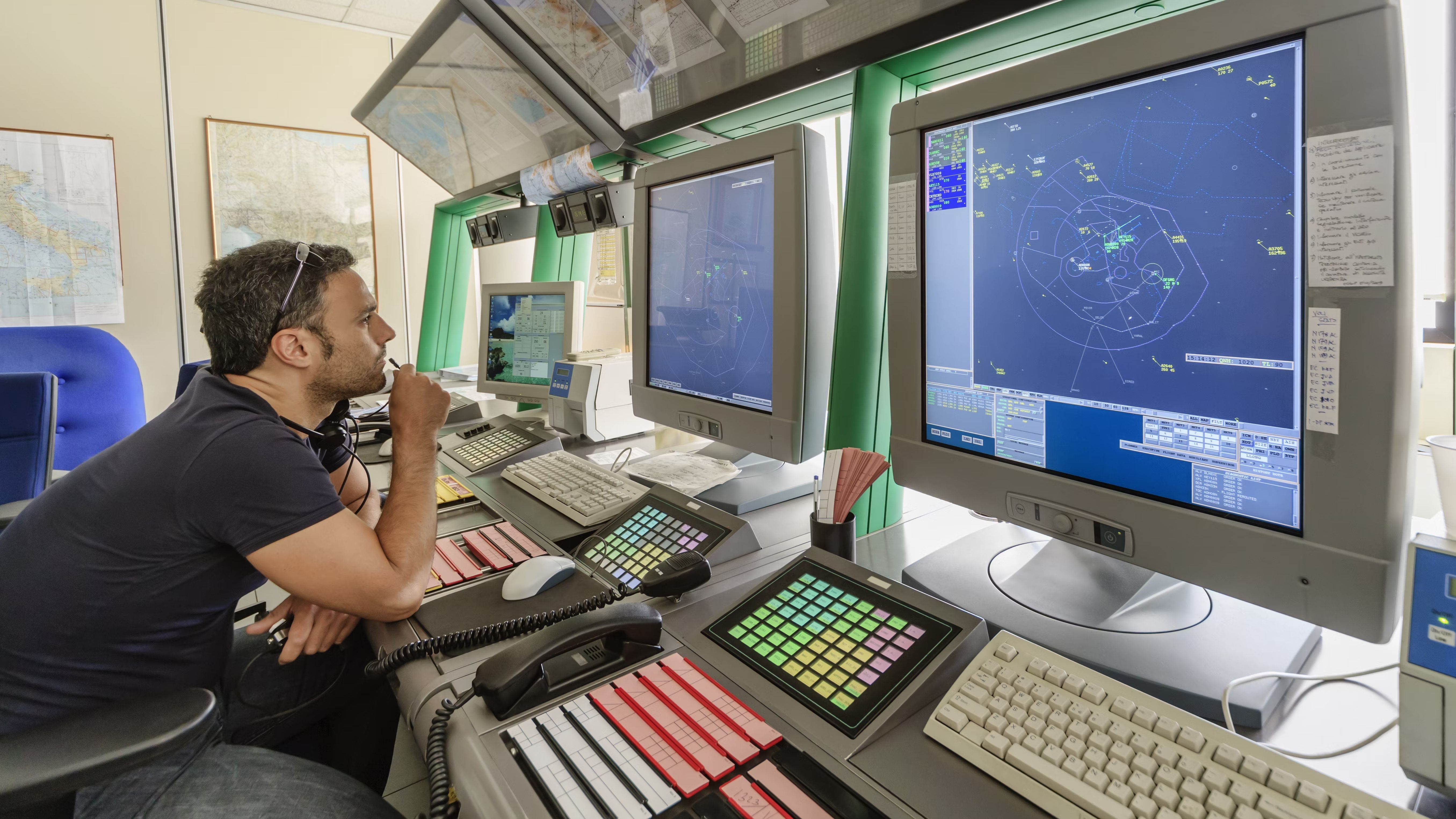
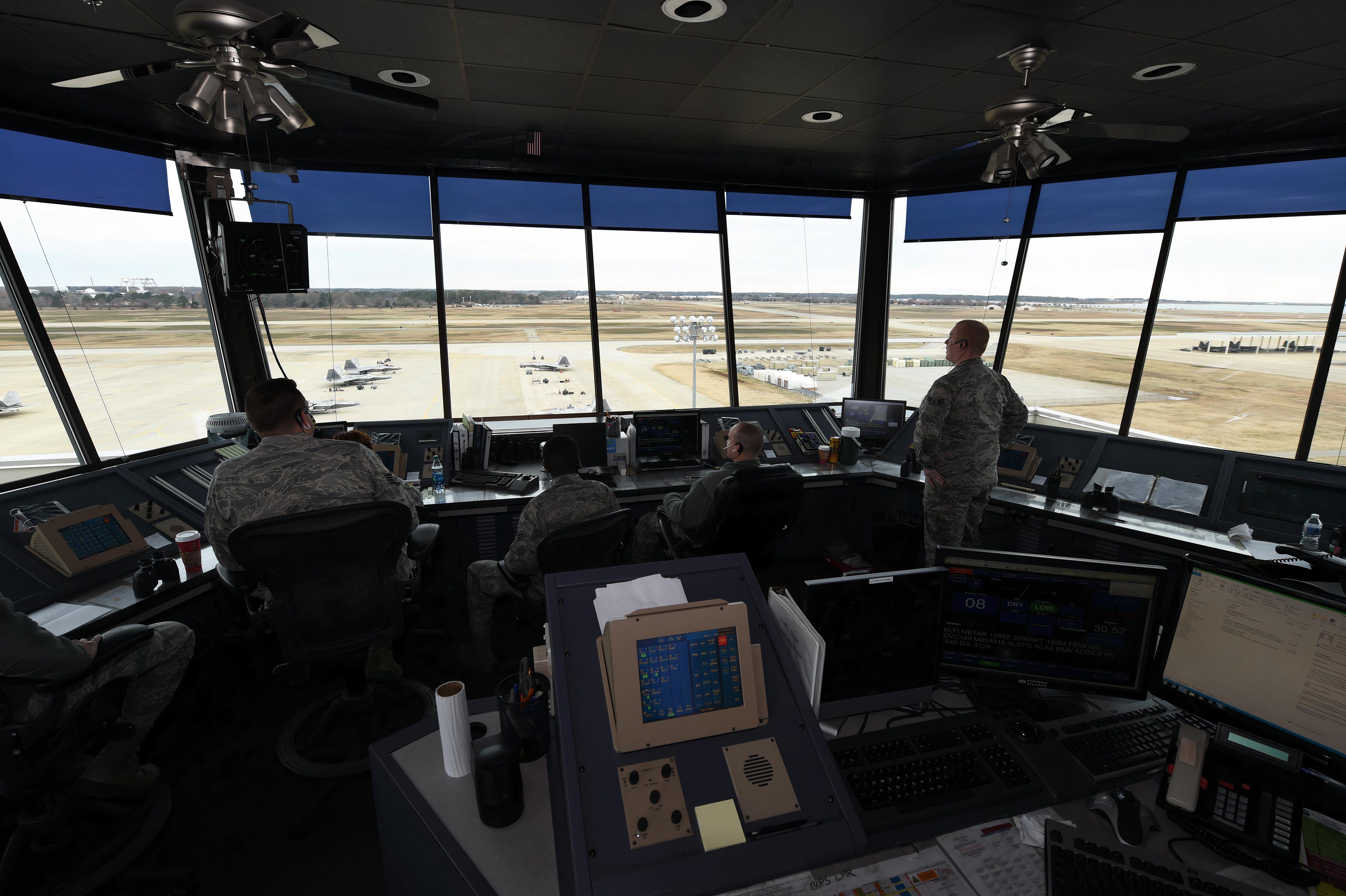
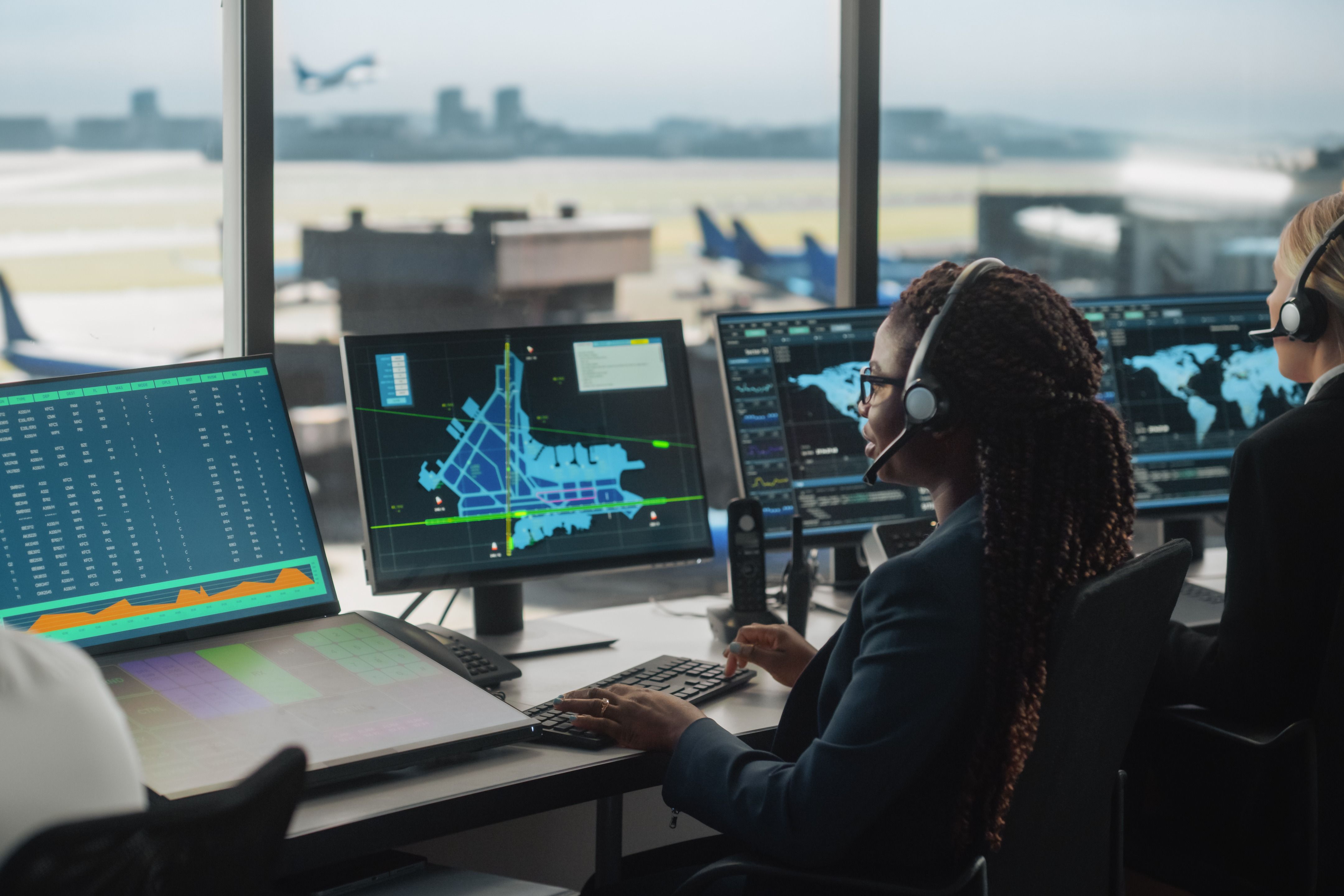
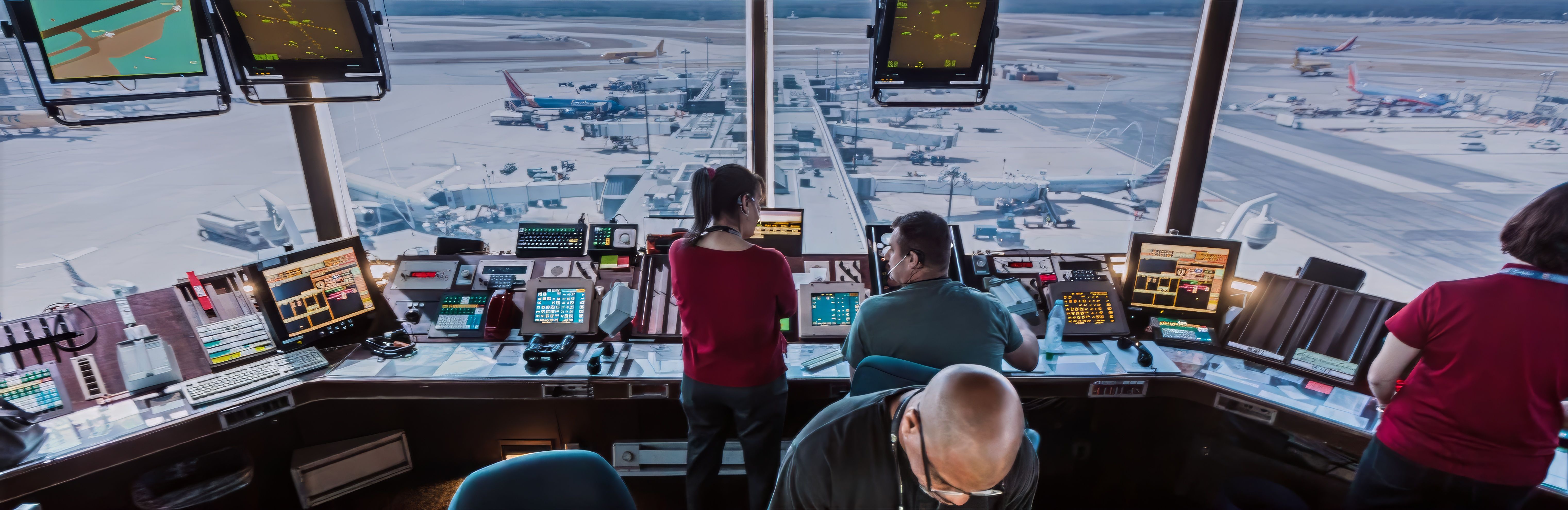
Air traffic control (ATC) is a global network of specialized personnel, advanced radar and satellite infrastructure, and standardized operational procedures designed to direct aircraft safely through shared airspace. By maintaining strict separation between planes on the ground and in flight, ATC prevents mid-air collisions, organizes smooth traffic flows, and provides critical flight information to pilots.
The Architecture of Airspace: Categorization and Separation
Airspace around the globe is structured into distinct zones to manage varying densities of air traffic, terrain features, and airport operations safely. The International Civil Aviation Organization (ICAO Air Navigation Bureau) establishes standard airspace classifications—designated by letters A through G—which member states integrate into national airspace systems.
Controlled airspace (Classes A, B, C, D, and E) requires pilots to adhere to specific operational rules, maintain continuous two-way radio communications, and accept active air traffic control instructions. In contrast, Class G represents uncontrolled airspace, where ATC does not exercise active vectoring or separation services, though flight information and advisory services remain available where practical.
Airspace Classification Overview:
- Class A: High altitude (18,000+ ft MSL). IFR only. Full ATC separation.
- Class B: Major international hubs. Positive control for IFR & VFR.
- Class C: Regional airports with radar control. Radio contact & transponder required.
- Class D: Smaller regional airports with operational towers. Radio contact required.
- Class E: General controlled airspace supporting En Route/Approach connections.
- Class G: Uncontrolled airspace; pilot self-announce & visual separation apply.
Operating within these classes depends heavily on the flight discipline employed by the flight crew:
- Visual Flight Rules (VFR): Pilots navigate primarily by visual reference to the ground, maintaining direct visual separation from other aircraft. VFR operations are subject to minimum weather conditions, including specific visibility distances and cloud clearance thresholds.
- Instrument Flight Rules (IFR): Aircraft navigate using cockpit instruments, radio navigation beacons, and satellite signals (GPS/GNSS). IFR flight is mandatory in Class A airspace and in instrument meteorological conditions (IMC). Under IFR, air traffic controllers bear the primary responsibility for maintaining positive separation between aircraft using radar, telemetry data, and standardized routing.
The Three Primary Domains of Air Traffic Control
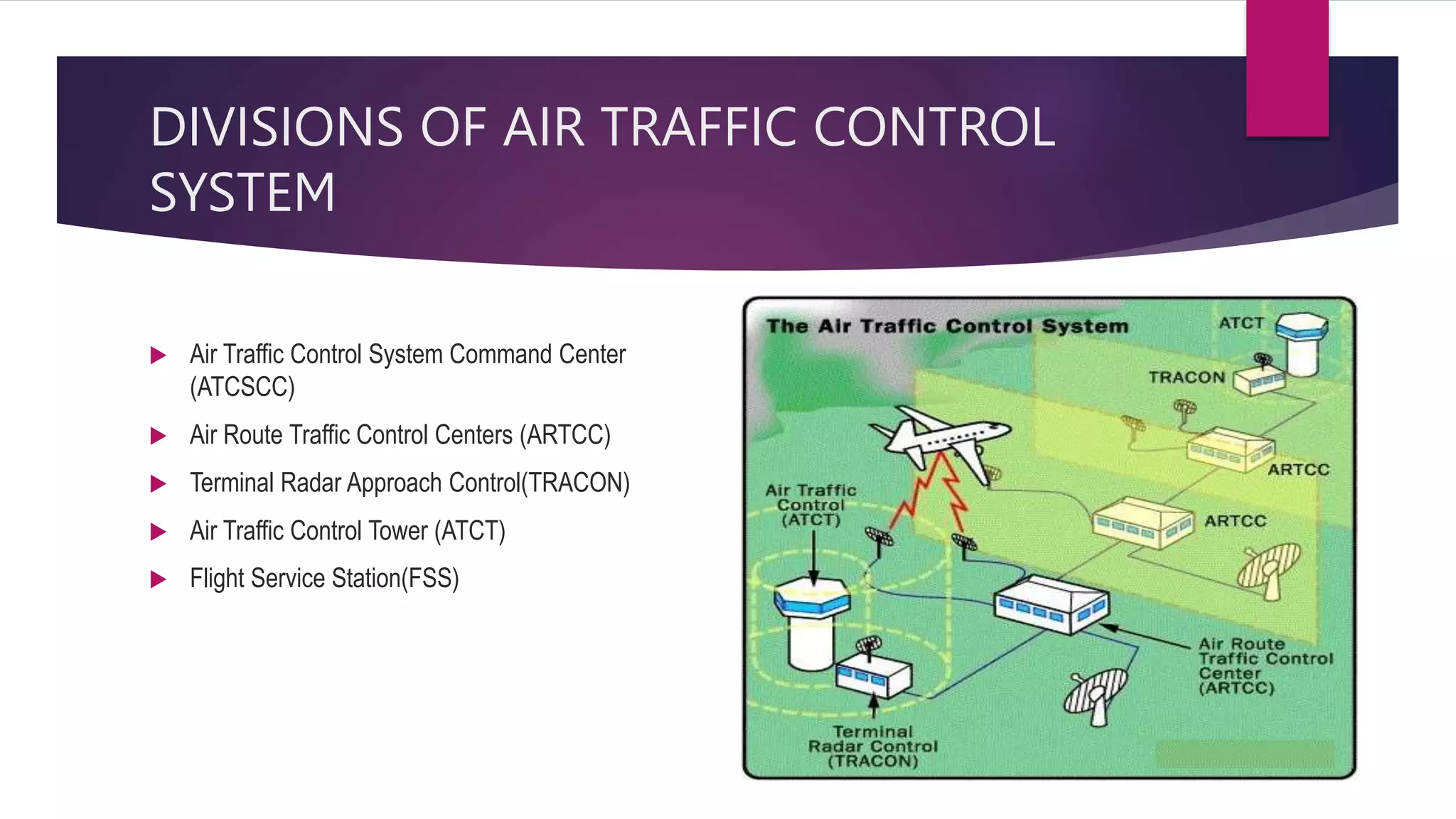
Air traffic management is divided across three interconnected operational domains. An aircraft traveling from origin to destination transitions seamlessly through these specialized facilities.
Flight Journey Phase & Facility Handoff:
- Ramp / Taxi
- Air Traffic Control Tower (ATCT)
- Departure Handoff
- Terminal Radar Approach Control (TRACON)
- Climb Handoff
- Air Route Traffic Control Center (ARTCC / En Route)
- Descent Handoff
- Terminal Radar Approach Control (TRACON)
- Final Approach Handoff
- Air Traffic Control Tower (ATCT)
- Gate Arrival
1. Air Traffic Control Tower (ATCT)
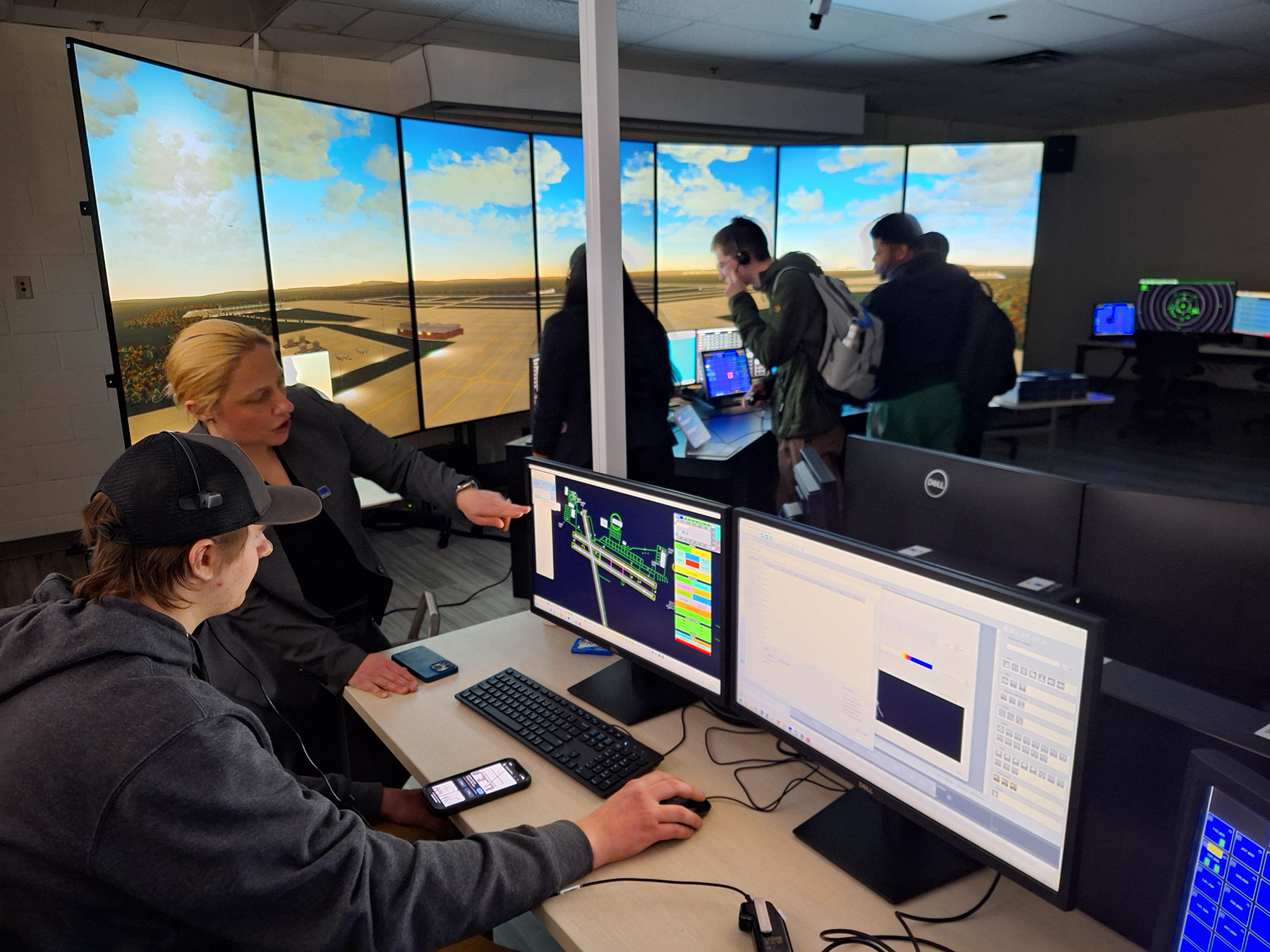
Located directly at airports, visual tower controllers monitor and manage aircraft within the immediate airport operating area, typically extending up to 5 nautical miles from the airfield and up to 2,500 feet above ground level. Tower operations are split into specialized positions:
- Clearance Delivery: Issues IFR flight plan clearances, departure routes, and initial cruise altitudes to departing aircraft prior to pushback.
- Ground Control: Directs the movement of aircraft and ground service vehicles along taxiways, ensuring safe sequences and preventing runway incursions.
- Local Control (Tower): Manages active runway operations, issuing takeoff and landing clearances while maintaining visual observation of the airfield.
2. Terminal Radar Approach Control (TRACON)
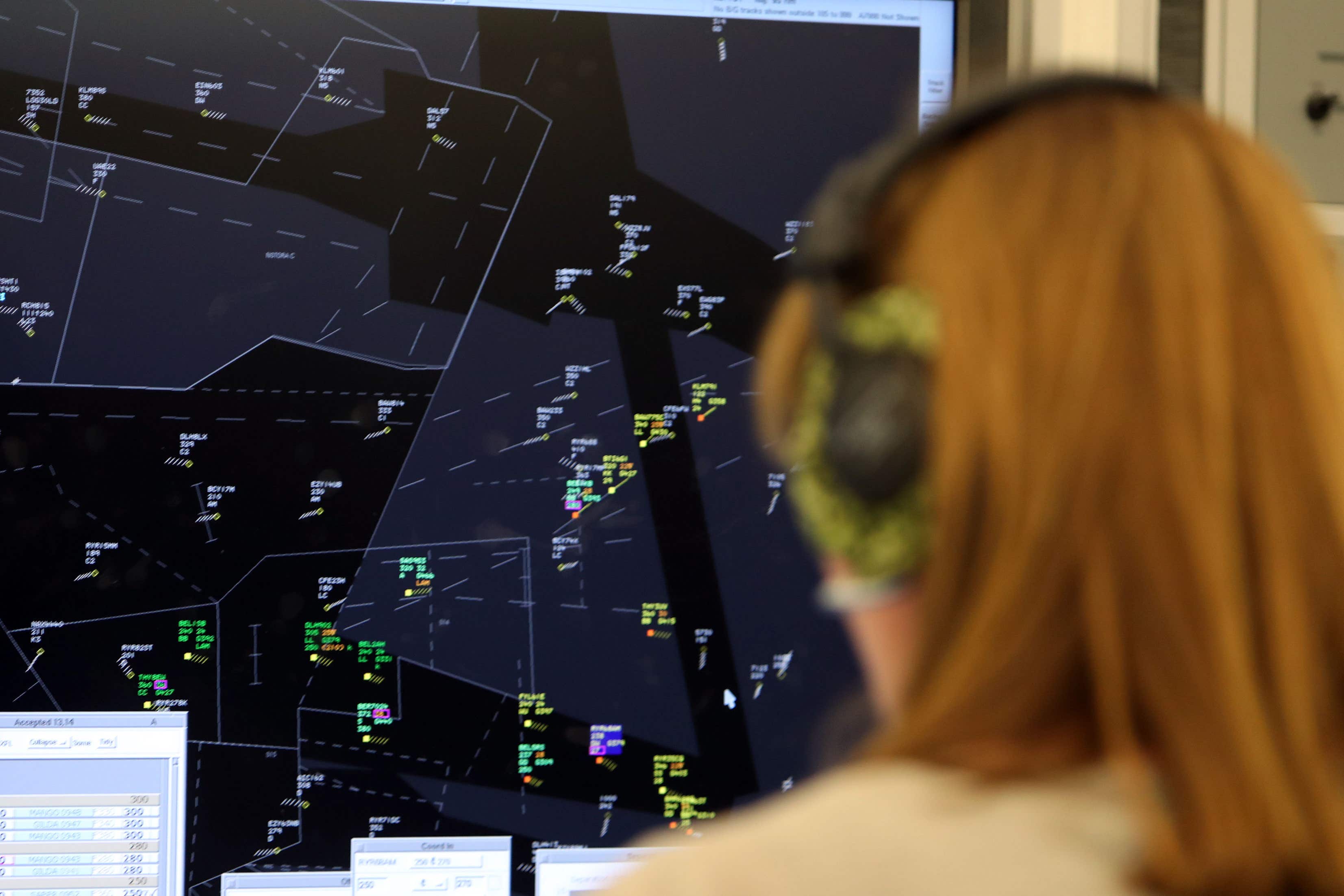
TRACON facilities manage the high-density airspace surrounding major metropolitan airports, generally spanning a radius of 30 to 50 nautical miles and altitudes from 1,000 feet up to roughly 17,000 feet. Approach and departure controllers rely on radar screens to merge incoming traffic streams from multiple airfields into organized landing sequences and guide departing aircraft onto high-altitude airways.
3. Air Route Traffic Control Center (ARTCC / En Route Center)
En Route centers manage high-altitude cruising traffic across vast geographic regions spanning thousands of square miles. ARTCC controllers manage aircraft flying on established jet routes and direct routing corridors. They coordinate oceanic transits, optimize cruise altitudes for fuel efficiency, and monitor long-distance flight paths until the aircraft descends into a destination airport's TRACON coverage.
| Facility Type | Geographic / Vertical Scope | Primary Objective | Primary Surveillance Tool |
|---|---|---|---|
| ATCT (Tower) | 0–5 NM from airport; Surface to 2,500 ft AGL | Safe taxi, takeoff, and landing operations | Direct visual sight, ASDE-X, local radar |
| TRACON | 5–50 NM radius; ~1,000 to 17,000 ft MSL | Sequencing arrival/departure flows | Digital Terminal Automation System (DTAS), ADS-B |
| ARTCC (En Route Center) | Regional (multi-state/oceanic); 18,000+ ft MSL | En route separation, altitude optimization | En Route Automation Modernization (ERAM), ADS-B |
Technical Infrastructure and Navigation Technologies
Modern air traffic control relies on an integrated suite of surveillance, communication, and automation technologies to maintain high safety margins across crowded skies.
Surveillance Systems: Radar to ADS-B
Historically, air traffic management relied primarily on primary radar, which detects aircraft by bouncing radio waves off the target's skin. Modern control systems utilize Secondary Surveillance Radar (SSR), which interacts directly with onboard aircraft transponders to retrieve precise altitude (Mode C) and unique identifier codes (Mode S "squawk" codes).
Transitioning globally through programs like the Federal Aviation Administration NextGen initiative and Europe's Eurocontrol SESAR program, air navigation service providers rely heavily on Automatic Dependent Surveillance-Broadcast (ADS-B). ADS-B-equipped aircraft determine their position via satellite navigation (GPS/GNSS) and broadcast their exact position, altitude, airspeed, and flight ID twice per second to ATC ground stations and nearby aircraft. This satellite-based tracking delivers far greater positional accuracy and faster update rates than traditional rotating ground radar systems.
Surveillance Data Transmission Flow:
- GPS Satellites
- Location Signal
- Aircraft Navigation System
- ADS-B Out Broadcast
- Ground ATC Network
- ADS-B In
- Flight Deck Displays
Communication Systems
Clear, unambiguous communication between controllers and flight crews forms the backbone of aviation safety:
- VHF/UHF Voice Communications: Standard aviation radio frequencies (118.000 to 136.975 MHz) transmit voice clearances using standardized phraseology to prevent misunderstandings across international operations.
- Controller-Pilot Data Link Communications (CPDLC): A text-based digital messaging framework that allows controllers to transmit routine clearances, route modifications, and frequency changes directly to aircraft cockpit displays. CPDLC reduces voice congestion on crowded radio frequencies and eliminates phonetic transmission errors during long-haul oceanic routes.
Operational Separation Standards and Protocols
Air traffic controllers maintain predefined spatial buffers around every IFR aircraft. These separation standards vary based on flight phase, surveillance precision, and terrain environment.
Standard IFR Radar Separation Buffers:
Aircraft
- 1,000 ft Vertical (RVSM: FL290–FL410)
- 3 to 5 NM Lateral Separation
Vertical Separation: Under Standard Instrument Flight Rules, aircraft below Flight Level 290 (29,000 feet) are separated vertically by at least 1,000 feet. Within Reduced Vertical Separation Minimum (RVSM) airspace—operating between FL290 and FL410—specially certified aircraft maintain 1,000 feet of vertical separation instead of the traditional 2,000-foot requirement, significantly expanding airspace capacity.
Lateral and Longitudinal Separation: Under terminal radar environments, controllers maintain a minimum of 3 nautical miles of horizontal separation between aircraft. In en-route environments controlled by ARTCCs, this threshold increases to 5 nautical miles. In remote or oceanic areas lacking direct radar or ADS-B coverage, procedural separation intervals based on time or oceanic reporting points can extend to 30 nautical miles or more.
Wake Turbulence Separation: Heavy jet engines generate powerful wingtip vortices that trail behind the aircraft. Controllers enforce mandatory distance and time delays behind departing or landing heavy aircraft (such as the Boeing 777 or Airbus A380) to protect trailing smaller aircraft from wake turbulence upsets.
Career Pathways: Becoming an Air Traffic Controller
Operating within an air traffic control facility requires specialized cognitive abilities, high spatial awareness, disciplined communication skills, and emotional resilience under pressure. Regulatory authorities enforce strict hiring, screening, and certification standards.
1. Basic Eligibility and Prerequisites
In the United States, candidates seeking entry into the Federal Aviation Administration (FAA) controller workforce must meet foundational eligibility criteria:
- Must be a U.S. citizen.
- Must begin the application process prior to reaching their 31st birthday (exceptions apply for military ATC veterans).
- Must pass a comprehensive medical exam, a psychological evaluation, and a security background investigation.
- Must demonstrate qualifying experience, such as three years of progressively responsible work experience, a four-year bachelor's degree, or a combination of post-secondary education and full-time employment.
2. Screening and Qualification Testing
Applicants must pass the Air Traffic Skills Assessment (ATSA), a computerized exam designed to evaluate spatial reasoning, visual memory, numerical computation, dynamic multi-tasking abilities, and stress tolerance. Candidates scoring high on the ATSA advance to facility selection and academy training.
3. Professional Training and Certification Pipeline
- Initial Training Academy: Newly selected candidates attend the FAA Academy in Oklahoma City (or national equivalents worldwide). Students undergo intensive instruction covering aviation regulations, non-radar procedures, terminal radar vectoring, and flight rules.
- Facility Placement and Development: Academy graduates report to their assigned air traffic facility as Developmental Controllers.
- On-the-Job Training (OJT): Developmentals spend months to years training directly alongside certified controllers, handling live traffic under supervision across all operational sectors within their facility.
- Certified Professional Controller (CPC): After mastering all assigned radar sectors or control positions and passing rigorous oral and practical evaluations, the candidate achieves full CPC status.
Modern Challenges and Future Developments
Air traffic management continues to evolve rapidly to meet modern commercial, environmental, and technological demands.
- Integrating Autonomous Systems and Unmanned Aircraft: The rapid proliferation of commercial drones, high-altitude platform systems, and Urban Air Mobility (UAM) electric vertical takeoff and landing (eVTOL) aircraft requires automated traffic management frameworks (UTM) that interface seamlessly with traditional ATC systems.
- Workforce Capacity and Fatigue Management: Managing operational staffing levels and controller shift scheduling remains a priority. Regulatory agencies update fatigue risk management systems (FRMS) to mandate rest intervals and optimize shift rotation patterns.
- Environmental Efficiency Optimization: Advanced flight management automation enables continuous descent approaches (CDA) and optimized profile climbs (OPC). These procedures allow aircraft to glide smoothly down to landing approaches at idle engine thrust rather than using step-down descents, saving millions of gallons of aviation fuel annually and reducing terminal noise emissions.
Actionable Steps for Prospective Candidates and Aviation Professionals
Whether pursuing a professional career in air traffic operations or seeking to understand ATC procedures as a pilot, consider these practical next steps:
- Review Official Regulatory Requirements: Consult official civil aviation authorities—such as the FAA Air Traffic Organization or local national aviation administration websites—to verify current application windows and medical requirements.
- Develop Spatial and Multitasking Aptitude: Utilize ATSA preparation resources, interactive radar simulators, and logical reasoning exercises to build the cognitive skills tested during technical candidate screenings.
- Study Standard Aviation Phraseology: Review standard international aviation phraseology guides published by ICAO or national flight information publications (such as the FAA Aeronautical Information Manual) to understand controller-pilot communication standards.
- Engage with Local Aviation Communities: Tour local air traffic control tower facilities through educational outreach programs or join regional aviation organizations to observe operational environments firsthand before applying.
Frequently Asked Questions
What is the difference between ground control and tower control?
Ground control manages all aircraft and ground vehicles moving along airport taxiways, pushback zones, and holding areas. Tower control (Local Control) exclusively manages active runways, issuing clearances for takeoffs, landings, and runway crossings.
Why is there an upper age limit to apply as an air traffic controller?
In many jurisdictions, initial application limits (such as age 30 in the U.S.) and mandatory retirement ages (typically age 56) exist due to the cognitive demands of real-time air traffic management. These rules help maintain high operational performance, reaction speeds, and long-term workforce stability.
How do air traffic controllers handle an emergency on an aircraft?
When a pilot declares an emergency, controllers assign priority handling to that aircraft. The controller clears surrounding traffic out of the flight path, provides vectors to the nearest suitable airport, alerts airport rescue and firefighting (ARFF) services, and minimizes unnecessary radio chatter to assist the crew.
What is the difference between VFR and IFR flight plans?
VFR (Visual Flight Rules) flight plans rely on visual navigation, where pilots maintain sight of terrain and avoid other aircraft visually. IFR (Instrument Flight Rules) flight plans require pilots to navigate using instrument guidance systems, allowing them to fly in clouds and poor visibility while receiving direct routing and separation services from air traffic control.
How does ADS-B improve air traffic control compared to traditional radar?
ADS-B utilizes satellite positioning data broadcast directly from the aircraft to ground receivers, updating position reports rapidly (twice per second) with high precision. Traditional primary and secondary radar systems rely on rotating antennas, updating positional information only every 4 to 12 seconds with lower geometric resolution.