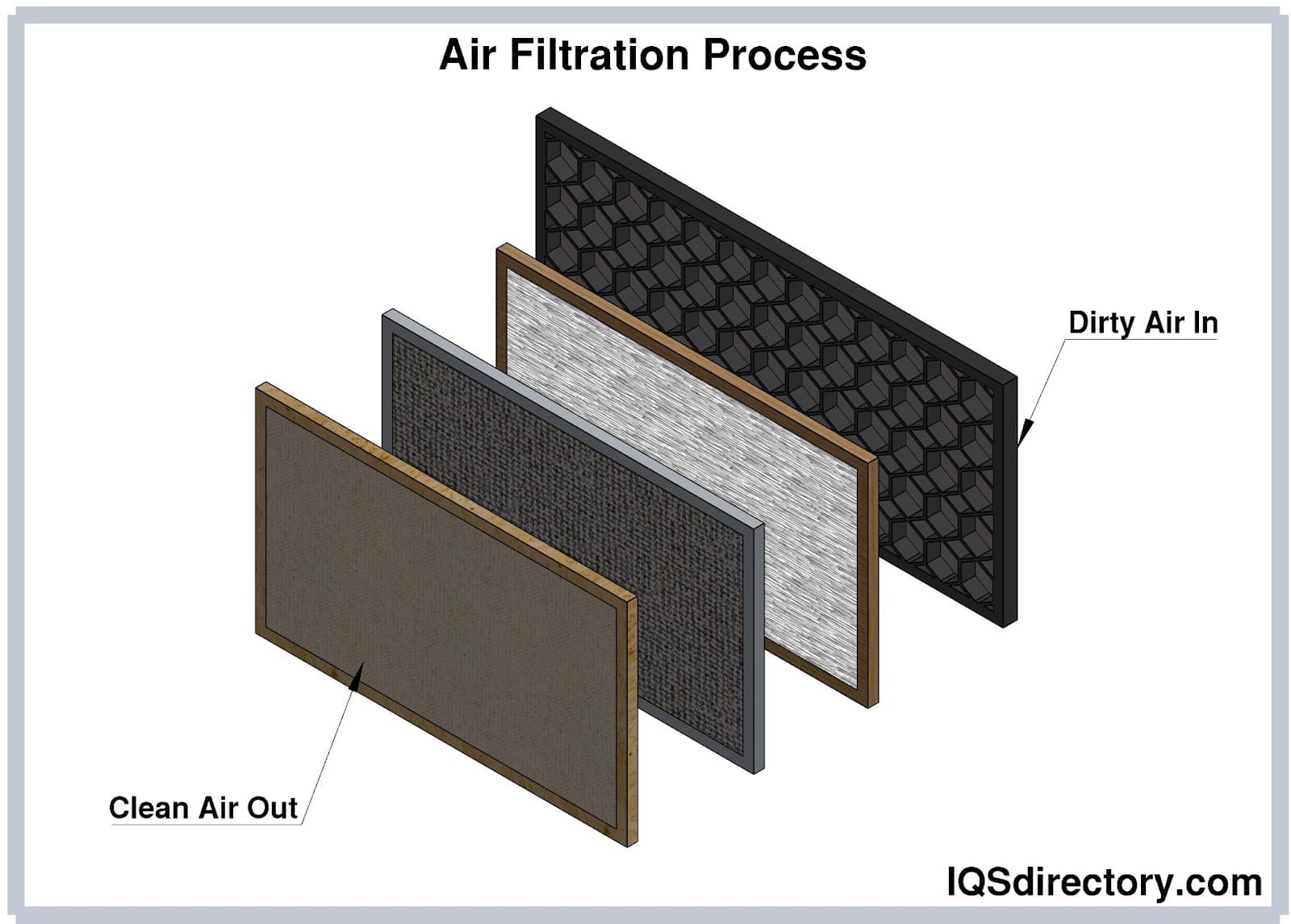
Air quality purification relies on capturing, neutralizing, or displacing airborne particulates, volatile organic compounds, and biological contaminants through targeted filtration media and advanced air-handling technologies. Effective indoor air purification requires matching specific filtration mechanisms—such as high-efficiency particulate air filters, activated carbon beds, and non-ozone-producing oxidation—to room volume, airflow rates, and localized pollutant profiles.
Understanding Indoor Air Pollutant Categories and Dynamics
Indoor air pollutants fall into three distinct physical and chemical classes: solid or liquid particulate matter, gaseous chemical contaminants, and airborne biological aerosols. Designing or selecting an effective air quality purification system requires understanding how these contaminants behave within enclosed spaces.
| Indoor Air Pollutant Types | Details |
|---|---|
| Particulate Matter (PM) | Solid particles & liquid droplets (PM10, PM2.5, ultrafine <0.1 µm) |
| Gaseous Contaminants (VOCs) | Off-gassed vapors, formaldehyde, benzene, nitrogen dioxide, combustion products |
| Biological Aerosols (Bioaerosols) | Viruses, bacteria, fungal spores, dust mite allergens, pet dander |
Particulate Matter (PM)
Particulate matter is categorized by aerodynamic diameter. PM10 includes coarse particles between 2.5 and 10 micrometers ($\mu\text{m}$), such as pollen, mold spores, and fugitive dust. PM2.5 covers fine particles between 0.1 and 2.5 $\mu\text{m}$, including wildfire smoke, combustion soot, and pet dander. Ultrafine particles (UFPs) measure smaller than 0.1 $\mu\text{m}$ and can remain suspended in room air indefinitely due to Brownian motion, posing significant respiratory risks because they can penetrate deep into lung alveoli and cross into the bloodstream.
Gaseous Contaminants and Volatile Organic Compounds (VOCs)
Gaseous pollutants exist in a molecular phase that mechanical particulate filters cannot capture. Volatile Organic Compounds (VOCs)—including formaldehyde, benzene, toluene, and xylene—off-gas from building materials, paints, furniture adhesives, and cleaning agents. Off-gassing increases with elevated temperature and relative humidity. Other critical gaseous pollutants include nitrogen dioxide ($\text{NO}_2$), carbon monoxide ($\text{CO}$), and radon decay products, each requiring dedicated gas-phase capture or source ventilation.
Biological Aerosols (Bioaerosols)
Bioaerosols comprise living or viable organisms and bio-derived allergens. Fungal spores typically range from 2 to 100 $\mu\text{m}$, bacteria range from 0.5 to 5 $\mu\text{m}$, and individual virus particles range from 0.02 to 0.3 $\mu\text{m}$. However, viruses rarely travel as isolated particles; they are predominantly expelled within larger respiratory droplets and droplet nuclei measuring 0.5 to 10 $\mu\text{m}$, making them susceptible to mechanical capture by properly specified media.
Core Technologies in Air Quality Purification
Air purification systems utilize mechanical, chemical, electronic, or thermodynamic processes to remove or neutralize pollutants. Combining technologies often produces the most balanced performance across particle sizes and chemical phases.
| Air Purification Mechanisms | Details |
|---|---|
| Mechanical Filtration | Direct impaction, interception, diffusion (HEPA, MERV media) |
| Gas-Phase Adsorption | Physical & chemical bonding (Activated carbon, zeolites) |
| Electronic Capture & Irradiance | Electrostatic precipitation, UV-C germicidal inactivation |
Mechanical Particulate Filtration
Mechanical filters force air through a fibrous matrix, capturing particles via four primary physical mechanisms:
- Direct Impaction: Large, heavy particles (>1.0 $\mu\text{m}$) cannot follow the curving airstream around filter fibers; their momentum carries them directly into the fiber surface where they adhere.
- Interception: Mid-sized particles (0.1 to 1.0 $\mu\text{m}$) follow the air stream contours but pass close enough to a fiber that their physical radius touches it, sticking to the material.
- Diffusion: Ultrafine particles (<0.1 $\mu\text{m}$) collide continuously with gas molecules (Brownian motion), causing them to wander randomly through the filter matrix. This erratics path increases the likelihood that they contact and stick to a fiber.
- Electrostatic Attraction: Specialized charged media (electret filters) use passive electrostatic charges on fibers to attract oppositely charged or polarized particles, improving initial capture efficiency without increasing airflow resistance.
Under U.S. Department of Energy (DOE) standards, a True HEPA filter must remove at least 99.97% of airborne particles as small as 0.3 $\mu\text{m}$. The 0.3 $\mu\text{m}$ benchmark represents the Most Penetrating Particle Size (MPPS), where the combination of impaction, interception, and diffusion is at its lowest efficiency. European standards (EN 1822 / ISO 29463) classify filters from E10 to U17, with H13 HEPA requiring 99.95% overall efficiency and H14 requiring 99.995% efficiency at the MPPS.
| HEPA Particle Capture Dynamics | Details |
|---|---|
| Direct Impaction (>1.0 µm) | High inertia drives particle into fiber surface. |
| Interception (0.1 - 1.0 µm) | Particle follows airflow; edge touches fiber. |
| Diffusion (<0.1 µm) | Brownian motion creates erratic path into fiber. |
Gas-Phase Sorption (Activated Carbon and Chemisorption)
Mechanical filters pass gaseous molecules without restriction. Removing VOCs, odorous gases, and combustion products requires sorbent media.
- Physical Adsorption: Highly porous activated carbon provides massive internal surface area (often 1,000 to 2,000 square meters per gram). Gas molecules adhere to the internal pore surfaces via weak van der Waals forces.
- Chemisorption: For light, low-molecular-weight gases like formaldehyde, ammonia, or hydrogen sulfide—which do not adsorb efficiently to standard carbon—the media is impregnated with chemical agents such as potassium permanganate ($\text{KMnO}_4$) or phosphoric acid. These agents chemically react with and convert target gases into harmless solid compounds or less harmful gases.
Sorbent bed mass directly dictates operational lifespan. Thin carbon sheets or carbon-coated mesh filters saturate rapidly (often within weeks), whereas deep-bed carbon canisters containing 5 to 20 pounds of granular media maintain long-term adsorption efficiency.
Electronic Air Cleaners and Ionization Systems
Electronic air purifiers use high-voltage electrical fields to charge airborne particles:
- Electrostatic Precipitators (ESPs): Air passes through an ionizing section where wires impart a positive electrical charge to incoming particles. The charged particles then pass through parallel collector plates charged with opposing polarities, drawing the particles out of the airstream and trapping them on the plates. ESPs offer low airflow resistance and reusable collector plates, but require frequent cleaning to prevent efficiency drop-offs.
- Ionizers and Bipolar Ionization: Negative ionizers and needlepoint bipolar ionization (NPBI) systems emit charged ions into the room air. These ions attach to airborne particles, causing them to agglomerate into larger clusters that settle out of the air onto surrounding surfaces or become easier for mechanical filters to capture.
A primary technical consideration with electronic systems is the potential generation of ground-level ozone ($\text{O}_3$), a reactive respiratory irritant. Modern devices should comply with stringent safety standards such as UL 2998, which validates zero ozone emissions (defined as emitting less than 5 parts per billion of ozone during operation).
Ultraviolet Germicidal Irradiation (UV-C) and Photo-Electrochemical Oxidation (PECO)
- UV-C Irradiation: Ultraviolet light in the 200–280 nanometer spectrum (peaking near 254 nm) damages the nucleic acids (DNA and RNA) of biological micro-organisms, rendering them incapable of replication. In portable air purifiers, UV-C light effectiveness depends on dwell time (how long the microbe is exposed to the light) and irradiance intensity. Because air moves rapidly through residential purifiers, UV-C lamps are often more effective at preventing microbial growth on internal filter surfaces than inactivating fast-moving airborne pathogens in a single pass.
- Photocatalytic Oxidation (PCO) and PECO: PCO systems use a light source (usually UV or high-intensity LED) focused on a catalyst surface, typically titanium dioxide ($\text{TiO}_2$). This reaction generates hydroxyl radicals ($\cdot\text{OH}$) that break down VOCs and organic matter into water vapor and carbon dioxide. While theoretically effective, poorly engineered PCO systems can produce harmful incomplete-oxidation byproducts, such as formaldehyde or acetaldehyde, if airflow rates or light exposure times are inadequate.
Evaluating Performance Standards: CADR, MERV, and Air Exchange Rates
Evaluating air purification performance requires standardized metrics that measure volumetric clean air output rather than simple fan capacity or filter rating alone.
Clean Air Delivery Rate (CADR)
Established by the Association of Home Appliance Manufacturers under standard AHAM AC-1, CADR measures an air cleaner's delivery of particle-free air in cubic feet per minute (CFM). CADR reports three specific particle size categories:
- Tobacco Smoke: 0.09 to 1.0 $\mu\text{m}$ (represents fine particulate matter and combustion products).
- Dust: 0.5 to 3.0 $\mu\text{m}$ (represents typical coarse dust and fine soil particles).
- Pollen: 5.0 to 11.0 $\mu\text{m}$ (represents large plant pollens and heavy spores).
The "Two-Thirds Rule" provides a baseline for room sizing: a purifier's smoke CADR rating should equal at least two-thirds of the room's total floor area in square feet (assuming standard 8-foot ceiling heights). For example, a 300-square-foot room requires a minimum smoke CADR of 200 CFM to maintain basic air clearance rates.
Minimum Efficiency Reporting Value (MERV)
Developed by the American Society of Heating, Refrigerating and Air-Conditioning Engineers (ASHRAE Standard 52.2), the MERV scale rates central HVAC filter efficiency across three particle size ranges ($E_1$: 0.3–1.0 $\mu\text{m}$, $E_2$: 1.0–3.0 $\mu\text{m}$, $E_3$: 3.0–10.0 $\mu\text{m}$):
- MERV 1–4: Low-efficiency fiberglass mesh filters primarily designed to protect HVAC blower motors from large dust accumulation; negligible fine particle capture.
- MERV 8–11: Residential mid-tier pleated filters capturing 20% to 65% of $E_2$ particles and up to 85% of $E_3$ particles (dust mite debris, pet dander).
- MERV 13: Recommended baseline for capturing fine aerosols, smoke, and virus carriers. Captures $\ge50%$ of $E_1$ (0.3–1.0 $\mu\text{m}$) particles and $\ge85%$ of $E_2$ (1.0–3.0 $\mu\text{m}$) particles.
- MERV 14–16: High-efficiency commercial and hospital-grade filters capturing up to 95% of fine particles down to 0.3 $\mu\text{m}$.
Air Changes per Hour (ACH)
Air Changes per Hour (ACH) calculates how many times per hour an air purifier processes the total volume of air within a given room. The formula for calculating ACH is:
$$\text{ACH} = \frac{\text{CADR (CFM)} \times 60}{\text{Room Volume (Cubic Feet)}}$$
For general comfort and dust control, 2 to 3 ACH is usually sufficient. For allergic individuals or respiratory protection, public health guidelines generally recommend target ventilation and purification rates of 4 to 6 ACH.
Air Quality Purification Technology Comparison Matrix
| Purification Technology | Target Pollutants | Primary Physical/Chemical Mechanism | Recognized Efficiency / Standard | Operating Limitations & Byproducts |
|---|---|---|---|---|
| True HEPA (DOE / H13) | Fine PM2.5, smoke, spores, viral droplet nuclei | Mechanical impaction, interception, diffusion | $\ge99.97%$ at 0.3 $\mu\text{m}$ (DOE); $\ge99.95%$ (H13) | High airflow resistance (static pressure); zero gas phase capture. |
| Activated Carbon (Granular) | VOCs, odors, chemical vapors, off-gassing | Physical adsorption via van der Waals forces | Variable; based on carbon bed mass (lbs) and residence time | Saturation risks outgassing; ineffective for dust/particulates. |
| Impregnated Carbon / Sorbents | Formaldehyde, ammonia, acid gases | Chemisorption (chemical neutralization reaction) | Specific to target reagent ($\text{KMnO}_4$, acid/base washes) | Higher initial cost; limited capacity for non-target compounds. |
| Electrostatic Precipitator (ESP) | Dust, pollen, medium particulates | High-voltage ionization and conductive plate capture | Rated via MERV equivalent or CADR testing | Requires frequent plate washing; can generate ozone if uncalibrated. |
| Needlepoint Bipolar Ionization | Suspended fine particulates, static charge | Charge transfer causing particle agglomeration | Evaluated via single-pass efficiency & decay rates | Efficacy depends on room air currents; requires UL 2998 certification. |
| UV-C Germicidal Light | Surface and airborne biological pathogens | Photochemical nucleic acid destruction (DNA/RNA) | Irradiance dose ($\mu\text{W}\cdot\text{s}/\text{cm}^2$) across wavelength | Requires sufficient dwell time; non-effective on inert dust or chemical VOCs. |
| Photocatalytic Oxidation (PCO/PECO) | Organic gaseous pollutants (VOCs), pathogens | Hydroxyl radical ($\cdot\text{OH}$) surface oxidation | Varies; assessed by VOC single-pass clearance rates | Risk of partial oxidation byproducts (formaldehyde) if unoptimized. |
Step-by-Step Selection and Deployment Strategy
Selecting and implementing an effective indoor air purification solution requires systematically evaluating room mechanics and contaminant profiles.
- STEP 1: Audit Indoor Pollutants (PM, VOCs, Allergens)
- STEP 2: Calculate Room Volume & Determine ACH (Target: 4-6 ACH)
- STEP 3: Match CADR (CFM) Rating to Space Dimensions
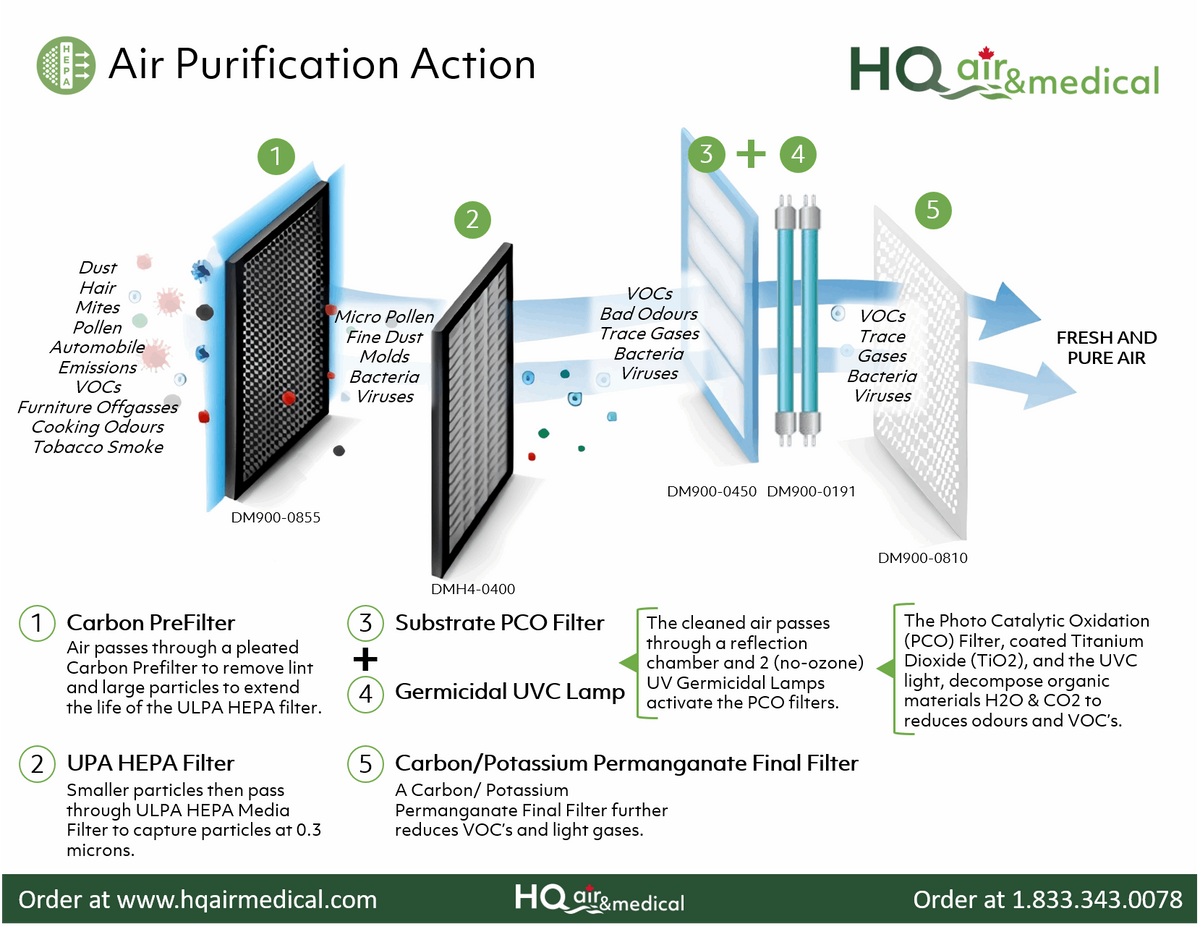
- STEP 4: Select Suitable Media (HEPA + Carbon Mass + Secondary Tech)
- STEP 5: Optimize Placement & Maintain Filter Schedules
Step 1: Audit Specific Indoor Pollutant Sources
Identify the primary contaminants in the target environment:
- For wildfire smoke, dust, or asthma triggers, prioritize high-CADR mechanical HEPA filtration.
- For new cabinetry, fresh paint, or solvent odors, prioritize heavy granular activated carbon units (preferably containing 5 to 15+ lbs of sorbent media).
- For damp areas prone to fungal growth, combine HEPA filtration with high airflow to reduce overall relative humidity.
Step 2: Measure Space Volume and Calculate Required CADR
Calculate room volume in cubic feet ($\text{Length} \times \text{Width} \times \text{Height}$). Determine the required airflow delivery using the target ACH formula:
$$\text{Required CADR (CFM)} = \frac{\text{Room Volume (cu ft)} \times \text{Target ACH}}{60}$$
Example: A 400-square-foot room with 9-foot ceilings has a volume of 3,600 cubic feet. To achieve 5 ACH:
$$\text{Required CADR} = \frac{3,600 \times 5}{60} = 300\text{ CFM}$$
Step 3: Optimize Device Placement within the Room
Placement significantly impacts clean air mixing:
- Avoid Corners and Obstructions: Place portable air purifiers at least 1.5 to 3 feet away from walls, heavy drapery, and furniture to prevent blocking intake grilles or output louvers.
- Align with Natural Air Currents: Position units near sources of pollutant entry (such as doorways or open windows during high-pollution events) or close to primary breathing zones (such as near a bed or desk).
- Elevate Small Units: Desktop or small tower units draw air more effectively when elevated 2 to 3 feet off the floor, capturing suspended fine particulates before they settle.
Step 4: Implement Rigorous Maintenance Protocols
Filter loading increases resistance and reduces volumetric airflow, lowering effective CADR over time:
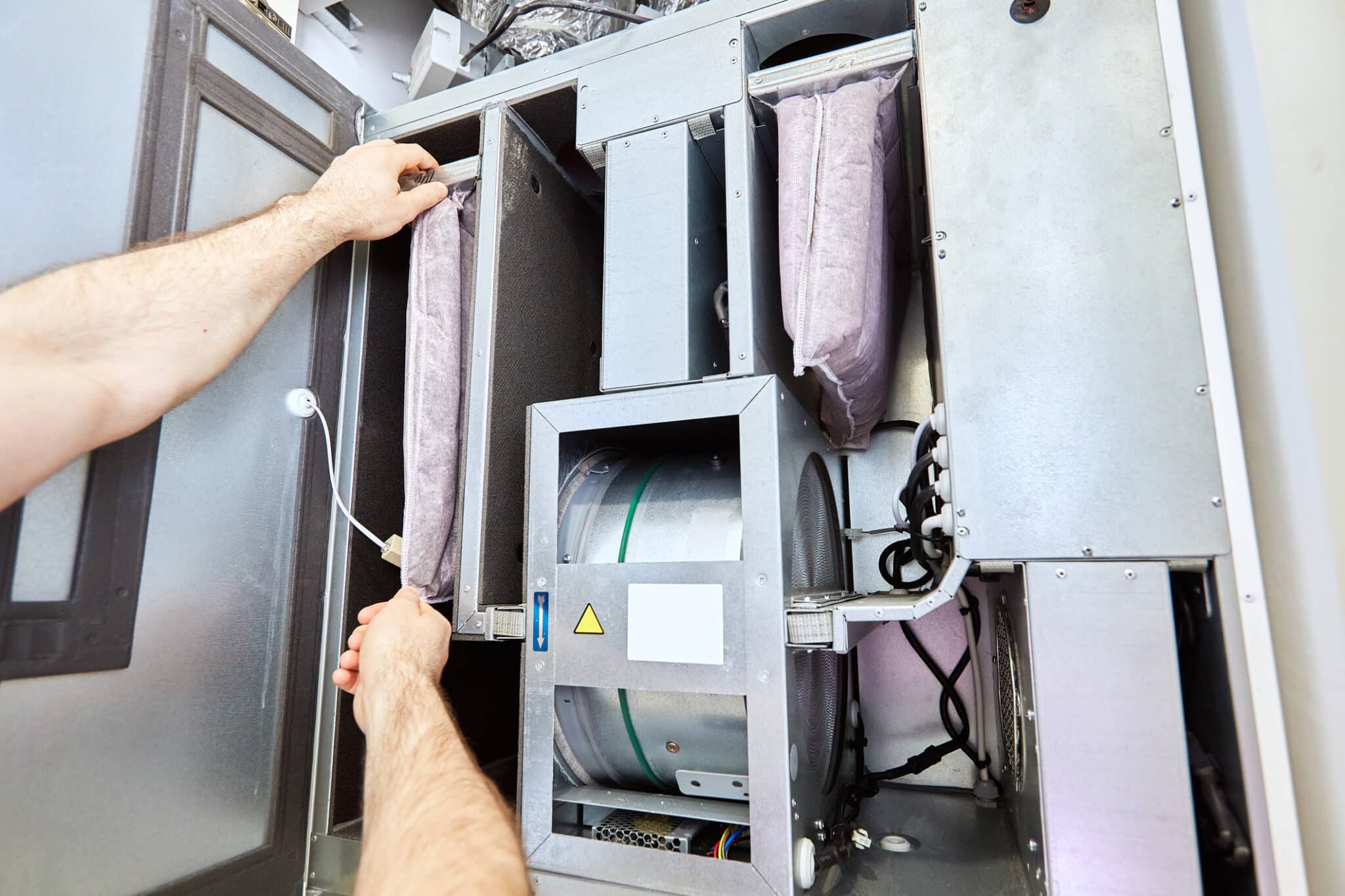
- Pre-filters: Wash or vacuum foam/mesh pre-filters every 2 to 4 weeks to protect primary HEPA media from coarse dust and hair.
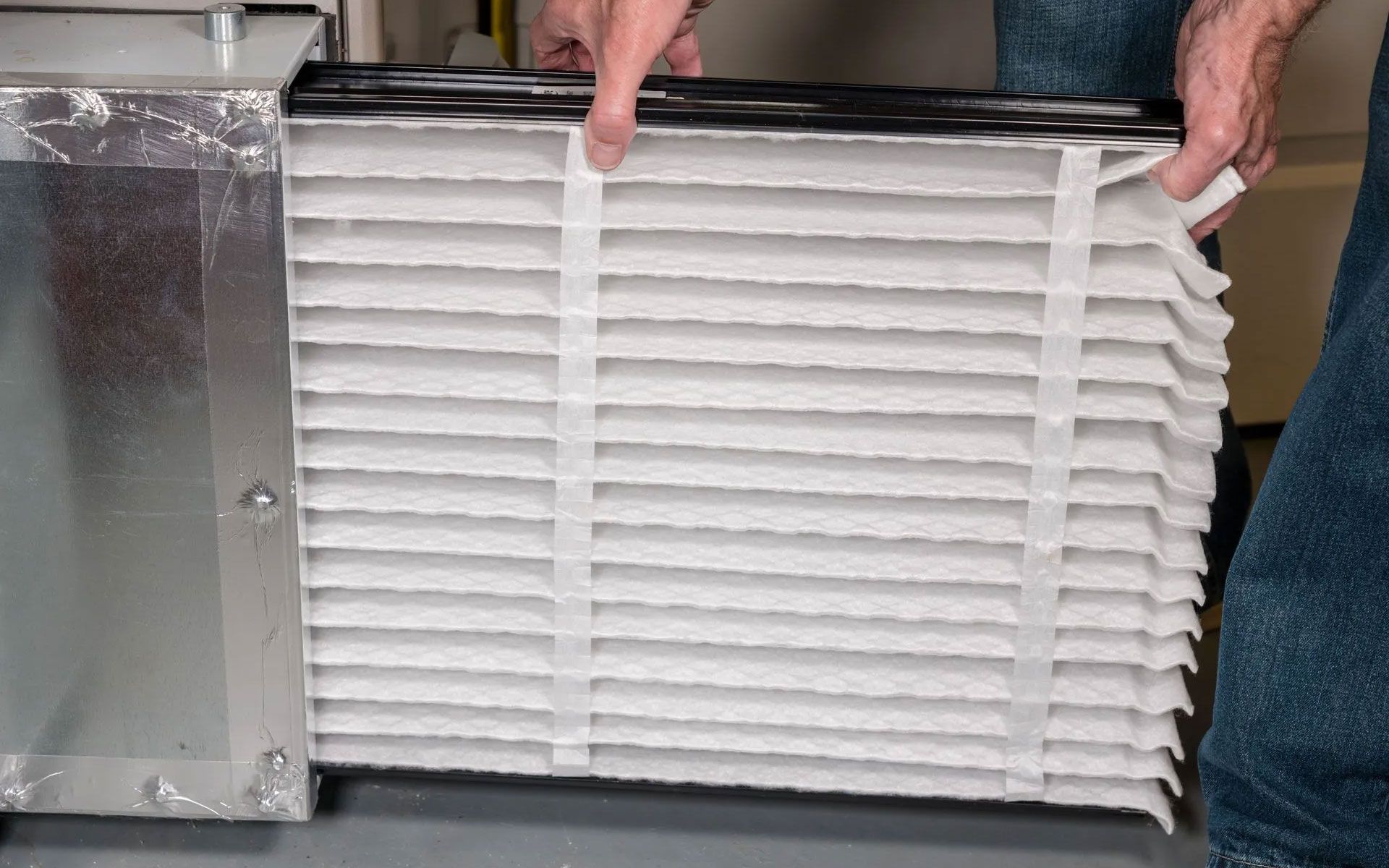
- HEPA Filters: Replace standard HEPA elements every 6 to 12 months (or up to 2 to 5 years in heavy-duty commercial units with high-surface-area pleated media), monitoring pressure drop indicators where available.
- Gas-Phase Media: Replace carbon media when odor breakthrough occurs or according to manufacturer schedules (typically 6 to 18 months depending on carbon mass and VOC exposure).
Mitigating Risks and Avoiding Harmful Byproducts
While air quality purification aims to reduce exposure to harmful substances, improper equipment selection or operation can introduce secondary health hazards.
Ozone Generation Hazards
Ozone ($\text{O}_3$) is a gas composed of three oxygen atoms. While stratospheric ozone protects the earth from solar radiation, ground-level ozone irritates the respiratory tract, reduces lung function, and exacerbates asthma. Certain electronic air purifiers—including older ionizers, electrostatic precipitators, plasma generators, and unshielded UV lamps operating below 200 nm—produce ozone as a deliberate or accidental operational byproduct.
When choosing electronic purifiers, confirm third-party certification under UL 2998 (Zero Ozone Emissions Validation) or standard California Air Resources Board (CARB) air cleaner certification, which limits ozone emissions to no more than 0.050 ppm (50 ppb).
| Safety Standards to Verify | Details |
|---|---|
| UL 2998 Standard | Validates zero ozone emissions (<5 ppb output). |
| CARB Air Cleaner Certification | Limits ozone emissions to maximum 0.050 ppm (50 ppb) for electronic purifiers. |
Filter Saturation and Desorption
Sorbent media such as activated carbon operate on equilibrium dynamics. If a carbon filter becomes saturated with VOCs and room environmental conditions shift—such as a sudden spike in ambient temperature or relative humidity—the filter can undergo desorption. During desorption, previously trapped volatile chemicals off-gas back into the airstream simultaneously, causing elevated indoor concentration spikes. Replacing gas-phase media on schedule prevents saturation and secondary off-gassing.
Frequently Asked Questions
Can a portable air purifier eliminate carbon monoxide or radon?
No. Standard portable air purifiers equipped with HEPA filters and activated carbon cannot safely extract carbon monoxide ($\text{CO}$) or radon gas from indoor air. Carbon monoxide molecules are too small for physical filtration and do not readily adsorb to standard activated carbon; it requires immediate source control and dedicated fuel-gas ventilation. Radon is a noble gas that does not bind to air purifier media; managing radon requires specialized architectural mitigation, such as sub-slab depressurization systems and continuous structural ventilation.
What is the practical difference between True HEPA and "HEPA-type" filters?
True HEPA is an established performance standard requiring verified removal of at least 99.97% of particles down to 0.3 $\mu\text{m}$. Terms like "HEPA-type," "HEPA-like," or "99% HEPA" are unstandardized marketing designations. Filters carrying these labels often achieve only 80% to 90% efficiency at 0.3 $\mu\text{m}$ and degrade rapidly under continuous airflow pressure. Always look for verified test results referencing US DOE standards or EN 1822 / ISO 29463 classifications (such as H13 or H14).
Does upgrading an HVAC filter to MERV 13 cause system damage?
Upgrading to a high-efficiency filter increases static pressure across the HVAC system's blower motor because the tighter weave restricts airflow. If an older or under-sized HVAC system cannot overcome this static pressure, airflow across the heat exchanger or cooling coil drops, potentially causing system freezing, overheating, or premature motor failure. Prior to installing a MERV 13 or higher filter, check the system's rated Maximum Allowable Static Pressure (typically listed on the air handler panel) or consult an HVAC technician to ensure proper system performance.
Are UV-C lamps necessary inside residential air purifiers?
For most residential applications, high-efficiency mechanical HEPA filters capture airborne biological pathogens effectively without requiring UV-C supplementation. Portable unit UV-C lamps often lack sufficient lamp wattage and exposure dwell time to achieve high single-pass inactivation rates as air rushes past the bulb. UV-C light is most effective when installed inside continuous HVAC ductwork or positioned over evaporator coils to prevent surface mold growth.
Can an air purifier replace the need for fresh outdoor ventilation?
No. Air purifiers recalculate, filter, and clean existing indoor air, but standard filtration media cannot remove carbon dioxide ($\text{CO}_2$) generated by human respiration or replenish oxygen levels. While purifiers reduce particulate and VOC counts, sealed indoor spaces require mechanical outdoor ventilation (such as Energy Recovery Ventilators or fresh-air intakes) to dilute $\text{CO}_2$ accumulation and maintain optimal oxygen balance.
Designing an Integrated Indoor Air Quality Strategy
Relying solely on air purifiers without addressing pollutant sources yields suboptimal results. Comprehensive indoor air management follows a three-tiered hierarchy established by public health agencies and building systems engineers:
TIER 1: SOURCE CONTROL (Eliminate or seal VOC off-gassing materials, dust traps)
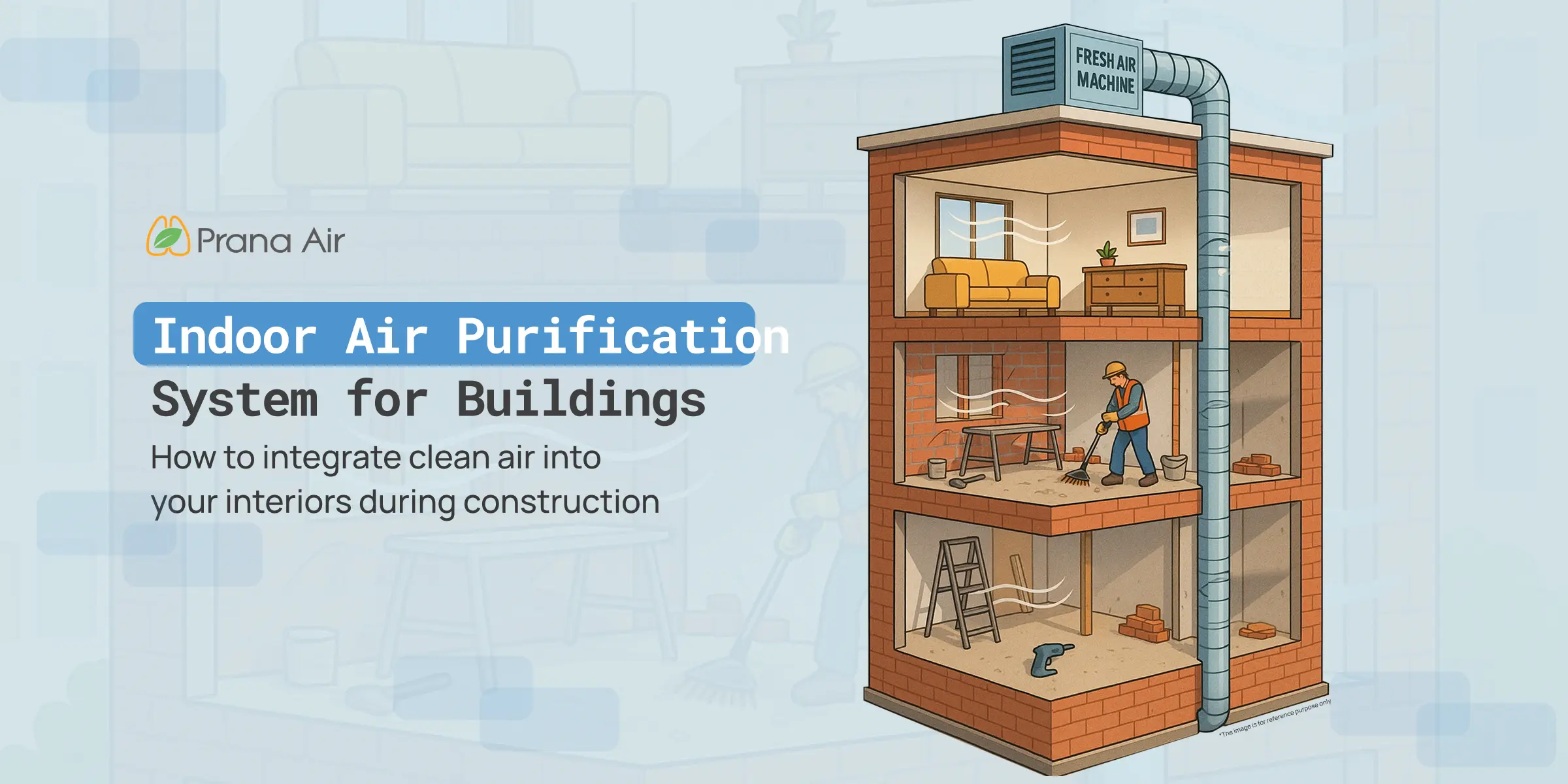
TIER 2: VENTILATION (Introduce filtered outdoor air to dilute CO2 & gases)
TIER 3: AIR PURIFICATION (Deploy HEPA & targeted media for internal clearance)
Source Control: Remove or isolate contaminant sources whenever possible. Use low-VOC paints and building materials, store chemical solvents outside primary living spaces, enforce smoke-free indoor rules, and manage humidity levels below 50% relative humidity to prevent mold growth.
Dilution Ventilation: Introduce fresh outdoor air through balanced mechanical ventilation systems (such as ERVs or HRVs) equipped with MERV 13+ intake filtration. Outdoor air ventilation dilutes indoor carbon dioxide, moisture, and uncaptured gaseous compounds.
Targeted Air Purification: Deploy dedicated air purifiers with verified CADR ratings and non-ozone-producing technologies to clear internal continuous emissions, seasonal pollen, wildland smoke incursions, and ambient particulate matter.
Combining source control, outdoor air exchange, and correctly sized mechanical air purification maintains healthy indoor air quality across changing seasonal conditions and varying occupancy loads.