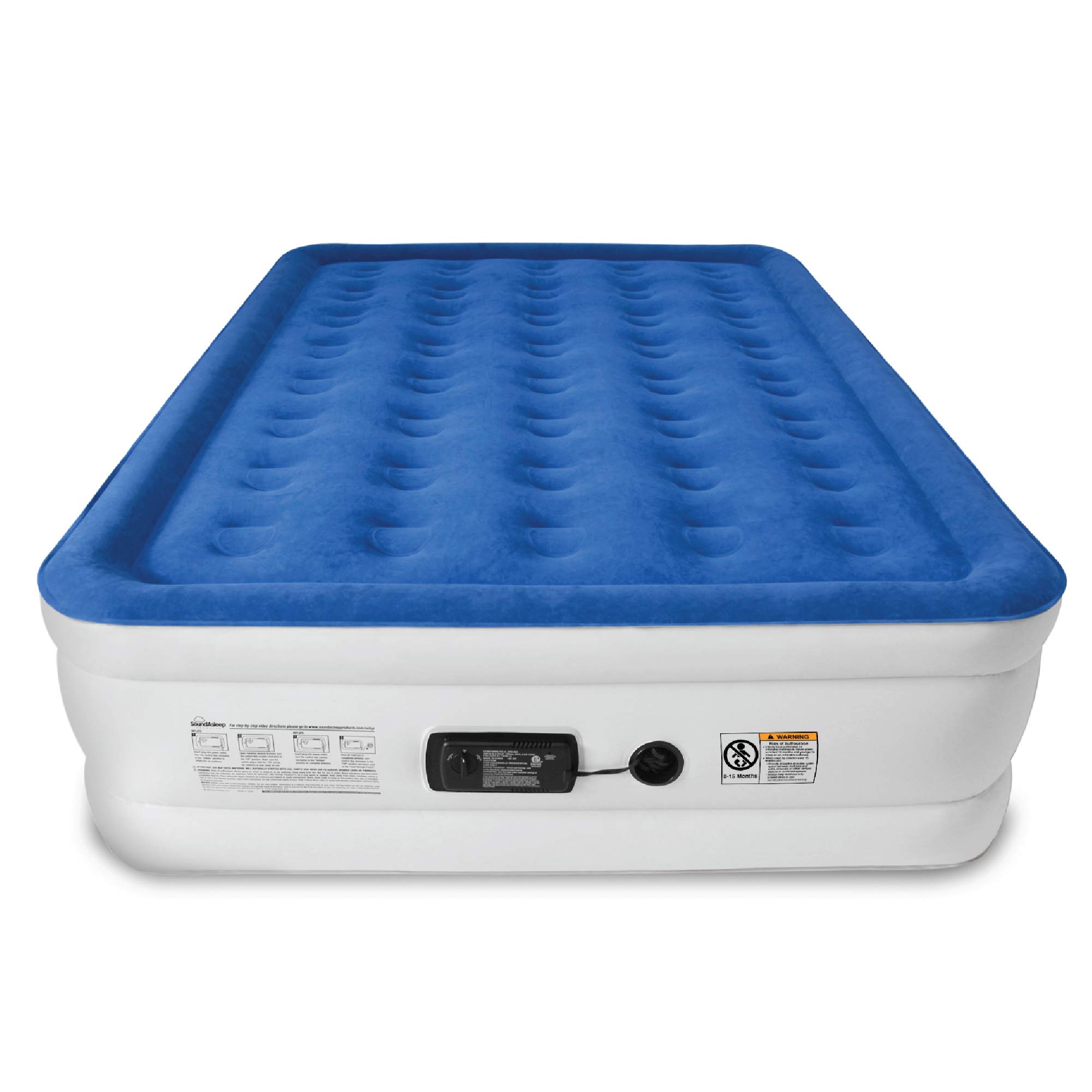
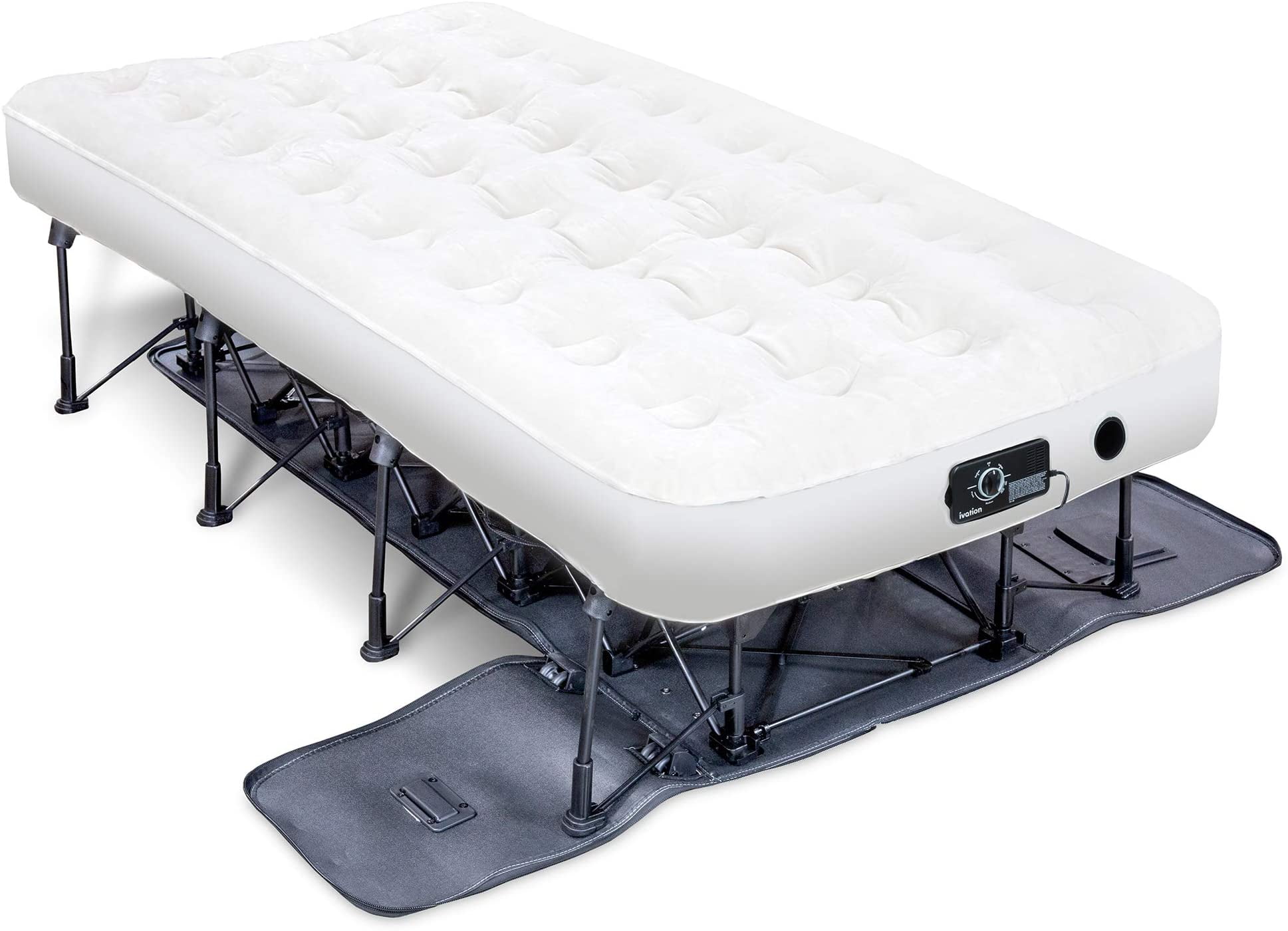
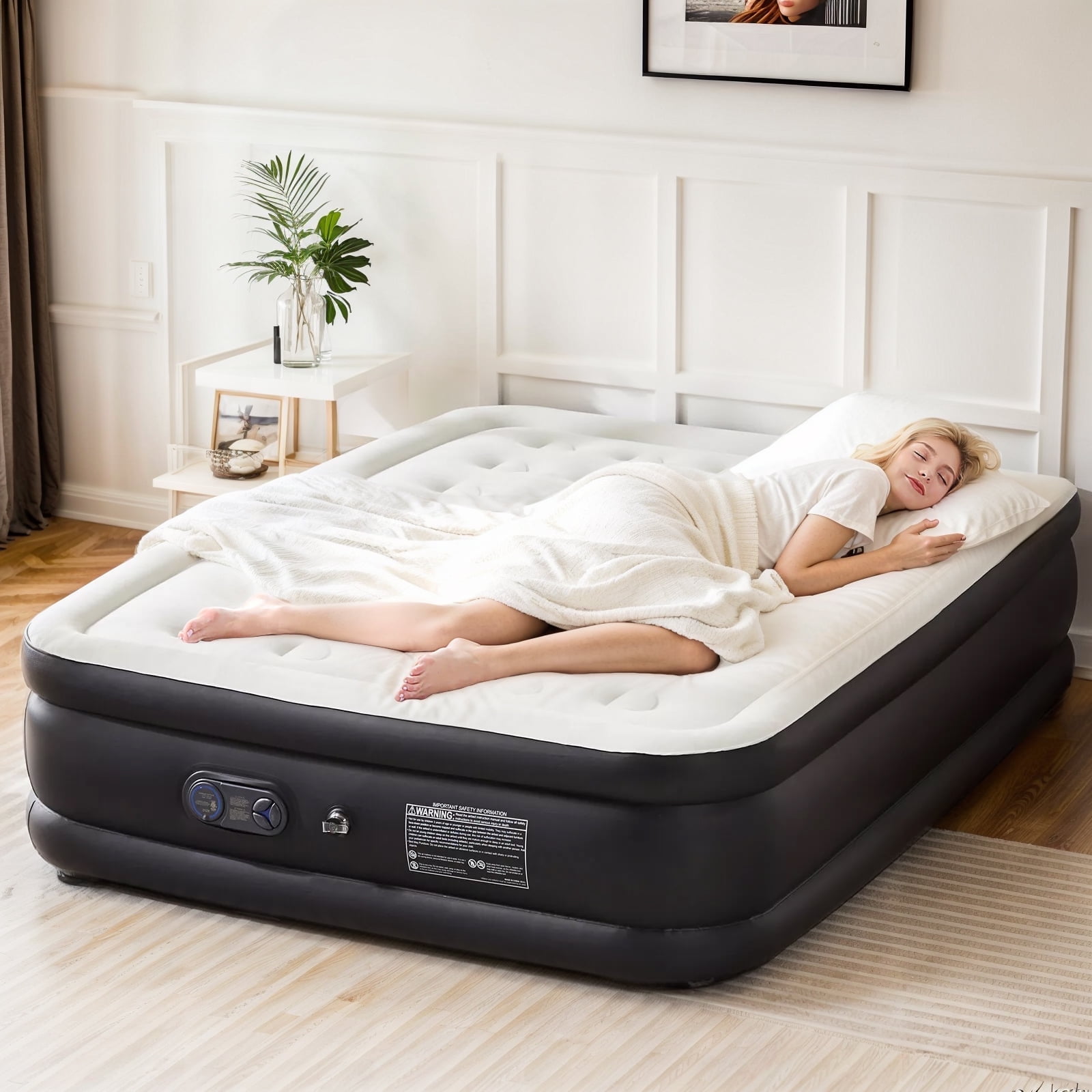
Air mattresses are portable, inflatable sleeping surfaces designed for temporary use during camping, travel, or guest hosting. Modern versions utilize advanced materials like TPU and internal coil-beam structures to provide support similar to traditional mattresses, often featuring integrated electric pumps for rapid inflation and "never-flat" technology to maintain pressure overnight.
Material Science: Understanding PVC vs. TPU and Internal Architecture
The durability and comfort of an air mattress are primarily determined by its construction materials and internal support system. Traditionally, most air mattresses have been manufactured using Polyvinyl Chloride (PVC). While PVC is cost-effective and relatively durable, it is prone to "stretching" during the first few uses, which many users mistake for a leak. Furthermore, PVC can be sensitive to temperature fluctuations and may emit a plastic odor, known as off-gassing.
By 2026, Thermoplastic Polyurethane (TPU) has become the gold standard for high-end air mattresses. TPU is significantly lighter than PVC, more resistant to punctures, and more environmentally friendly. Unlike PVC, TPU does not stretch as much, meaning the mattress retains its firmness more consistently throughout the night. It also remains flexible in cold temperatures, making it a superior choice for winter camping or unheated guest rooms.
Beyond the outer skin, the internal architecture—often referred to as the "coil" or "beam" system—is what prevents the "hammock effect" (where the middle of the bed sags).
- Air Coils: These are individual vertical pillars of air that mimic the feel of a traditional innerspring mattress. They distribute weight more evenly and provide better edge support.
- I-Beams: These are horizontal or vertical channels of air. While common in entry-level models, they may not offer the same level of contouring as coil systems.
- Tritech or Fiber-Tech: Specialized proprietary constructions use high-strength polyester fibers or laminated layers to ensure the mattress keeps its shape and does not deform over years of use.
Categorizing Air Mattresses by Primary Use Case
When selecting an air mattress, the intended environment dictates the necessary specifications. A mattress designed for a luxury guest room will fail in a camping scenario due to weight and power requirements, while a lightweight camping pad will likely be too thin for an adult guest to use comfortably in a home setting.
Guest and Temporary Home Use
These mattresses are usually "raised" or "double-high," standing 16 to 22 inches off the ground. This height makes it easier for users to get in and out of bed, closely approximating the feel of a standard mattress. They often feature "flocked" tops—a velvet-like material that prevents sheets from slipping and adds a layer of soft insulation. Integrated 120V AC pumps are standard here, allowing the bed to be ready in under four minutes.
Camping and Outdoor Expeditions
Outdoor mattresses prioritize weight, packability, and insulation. For car camping, a "low-profile" mattress (8 to 10 inches thick) is usually sufficient. However, for backpacking, inflatable sleeping pads are measured by their "R-value," which indicates how well the pad resists heat loss to the cold ground. In these scenarios, manual pumps, battery-operated pumps, or "stuff sack" inflation methods are used instead of heavy integrated electric pumps.
Essential Features for Comfort and Support
The difference between a restless night and a restorative sleep on an air mattress often comes down to small feature details.
Raised Edges and Stability: Higher-quality mattresses feature a perimeter rim or raised edge. This prevents the sleeper from rolling off the side during the night—a common complaint with cheaper, rounded-edge models. It also helps keep fitted sheets securely in place.
The "Never-Flat" Secondary Pump: One of the most significant innovations in air mattress technology is the dual-pump system. The primary pump is used for rapid inflation and deflation. A secondary, silent pump monitors the air pressure throughout the night. If the pressure drops due to temperature changes or minor material stretching, the secondary pump engages automatically to maintain the desired firmness level without waking the sleeper.
Flocking and Surface Texture: A flocked top is not just for comfort; it serves a functional purpose. Air mattresses are notoriously poor at regulating temperature. The air inside the mattress eventually matches the temperature of the floor or the room. Flocking provides a thin barrier that reduces the "cold bed" sensation and provides enough friction to keep standard bedding from sliding off the plastic surface.
Pump Systems and Inflation Technology
The pump is the heart of the air mattress. By 2026, the technology has branched into three distinct categories based on power source and efficiency.
- Integrated Electric Pumps: These are built directly into the mattress wall. They are the most convenient for home use, featuring a dial for inflation, deflation, and sometimes a firmness adjustment. The main drawback is the requirement for a wall outlet and the fact that if the pump fails, the entire mattress may become unusable.
- External Electric Pumps: These can be powered by standard outlets, 12V car adapters, or rechargeable lithium-ion batteries. They are versatile and allow the mattress to be lighter and more foldable, as there is no heavy motor embedded in the vinyl.
- Manual and Foot Pumps: While labor-intensive, these are essential for remote camping where power is unavailable. Modern foot pumps have been redesigned for higher volume output, reducing inflation time significantly compared to older models.
Comparison of Common Air Mattress Tiers
| Feature | Entry-Level (Standard) | Mid-Range (Enhanced) | Premium (Luxury) |
|---|---|---|---|
| Material | Standard PVC | Thick PVC / Laminated | TPU or Fiber-Tech |
| Pump Type | External (often manual) | Internal Electric | Dual-Pump (Never-Flat) |
| Height | 8–10 inches (Single High) | 16–18 inches (Double High) | 20–24 inches (Raised) |
| Support | Basic I-Beam | Coil-Beam | Reinforced Air Coils |
| Weight Capacity | 250 lbs (Twin) / 450 lbs (Queen) | 300 lbs (Twin) / 500 lbs (Queen) | 350 lbs+ (Twin) / 600 lbs+ (Queen) |
| Typical Warranty | 90 Days | 1 Year | 2–3 Years |
Maintenance, Leak Repair, and Storage Best Practices
An air mattress is an investment that can last for years if handled correctly. Most "leaks" are actually caused by improper storage or over-inflation.
The Initial Stretch Period: When you first inflate a new air mattress, the material will expand. This is often perceived as a leak when the bed feels softer the next morning. It is recommended to inflate the mattress a few hours before use and top it off right before sleeping. This allows the fibers to settle.
Finding and Fixing Leaks: If a leak is suspected, the "soapy water method" is the most effective diagnostic tool. Spray a mixture of water and dish soap over the surface; bubbles will form at the site of the puncture. Most mattresses include a repair patch kit. When applying a patch, ensure the surface is completely dry and the air is fully expelled from the mattress. Applying a heavy weight over the patch for 24 hours ensures a permanent bond.
Storage Guidelines: Never store an air mattress in a garage or attic where temperature extremes occur. Excessive heat can weaken the adhesive seams, while extreme cold can make the PVC brittle and prone to cracking. Always fold the mattress loosely rather than tight, sharp creases, which can create weak points in the material over time.
Troubleshooting Common Issues
Why does my mattress feel cold? Air mattresses lack insulation. The air inside the mattress pulls heat away from your body. To solve this, place a mattress pad or a thick blanket between the air mattress surface and your bottom sheet. This creates a thermal break that prevents body heat from being absorbed into the air chamber.
The mattress is bulging or lopsided. This usually indicates a ruptured internal beam or coil, often caused by over-inflation or someone jumping on the bed. Once an internal support structure snaps, it cannot be repaired. To prevent this, never use high-pressure air compressors (like those for car tires) to inflate the bed, and always leave a small amount of "give" in the mattress rather than inflating it to its absolute maximum tension.
Loud pump noise. Integrated pumps are naturally loud (similar to a vacuum cleaner). If the pump begins making a high-pitched whining sound, check the intake valve for debris or lint. For guest rooms, it is best to inflate the bed before the guest arrives to avoid noise disturbances late at night.
FAQ
How long do air mattresses typically last?
With occasional use and proper storage, a high-quality air mattress can last 5 to 8 years. However, frequency of use, the weight of the sleepers, and the environment (indoor vs. outdoor) significantly impact longevity. Entry-level PVC models used daily may only last 6 months to a year before seam fatigue occurs.
Can I use an air mattress as a permanent bed?
While possible, it is not recommended for long-term spinal health. Air mattresses lack the multi-layered support systems of traditional mattresses. If you must use one permanently, opt for a premium TPU model with a dual-pump system to ensure consistent firmness, and add a high-quality memory foam topper to improve pressure relief.
What is the best way to clean an air mattress?
Use a damp cloth with mild soap to wipe down the PVC or TPU surfaces. For the flocked top, a vacuum with a brush attachment can remove dust and lint. Avoid using harsh chemicals or bleach, as these can degrade the material and cause it to become porous over time. Always ensure the mattress is 100% dry before folding it for storage to prevent mold.
How do I prevent my air mattress from sliding on hardwood floors?
Air mattresses have a plastic bottom that can slide easily on smooth surfaces. Placing a thin rug, a piece of grip-lined shelf paper, or even a yoga mat underneath the mattress will provide the necessary friction to keep it in place and reduce the "squeaking" noise that occurs when the plastic rubs against the floor.
Is it safe for pets to sleep on an air mattress?
Pet claws are the leading cause of punctures. While modern 2026-era materials like TPU are more puncture-resistant, they are not claw-proof. If a pet sleeps on the bed, it is vital to use a thick mattress protector or multiple layers of heavy blankets to protect the inflatable surface from accidental tears.
Strategic Selection for Long-Term Value
To get the most value from an air mattress, prioritize the intended user's weight and the environment of use. For frequent guest hosting, investing in a raised mattress with a secondary "never-flat" pump is essential to ensure guest comfort and prevent midnight adjustments. For outdoor enthusiasts, prioritize R-value and TPU construction to ensure the mattress survives rugged terrain and keeps the sleeper warm. Always verify the manufacturer's weight limit and stick to it; exceeding this limit is the most common cause of premature seam failure. By selecting a mattress with reinforced internal structures and proper material thickness, you can ensure a reliable temporary sleeping solution for years to come.