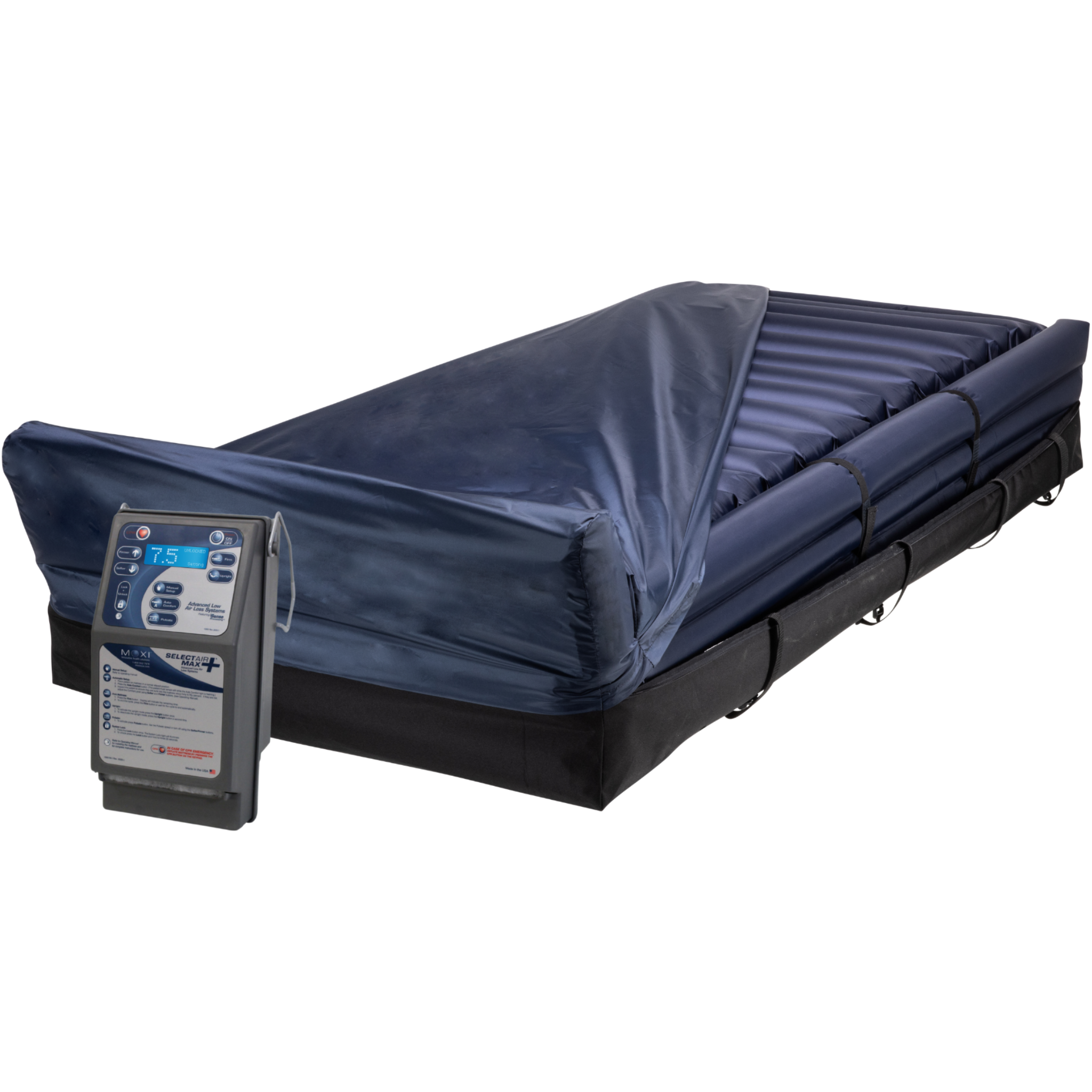
Effective air mattress selection requires balancing three primary factors: your specific use case (camping vs. indoor guest use), the internal support structure (coils vs. beams), and the pump mechanism. For most indoor users, a double-high mattress with an internal AC pump and circular coil construction offers the best durability and comfort. For outdoor enthusiasts, a lightweight, TPU-reinforced mattress with a battery-operated or manual pump is essential for portability and puncture resistance.
The air mattress industry has evolved significantly by 2026, moving away from simple "blow-up beds" toward sophisticated sleep systems that rival traditional mattresses in support and heat regulation. Whether you are hosting holiday guests or preparing for a backcountry expedition, understanding the technical specifications of modern air beds will ensure you invest in a product that maintains its pressure and integrity over time.
Defining the Primary Use Case: Indoor vs. Outdoor
The first step in air mattress selection is identifying where the mattress will spend most of its time. While some "all-purpose" models exist, they often compromise on either weight or comfort.
Guest Room and Indoor Applications
Indoor air mattresses, often referred to as "raised" or "double-high" beds, are designed to mimic the height of a standard mattress (typically 16 to 22 inches). This height makes it easier for guests to get in and out of bed, which is a critical consideration for older adults. These models are generally heavier and feature soft, "flocked" tops that hold bed sheets in place. Because weight is not a primary concern, these mattresses often include built-in electric pumps and reinforced bottom grippers to prevent the bed from sliding on hardwood or tile floors.
Camping and Outdoor Environments
Outdoor air mattresses prioritize portability, durability, and insulation. In a camping scenario, a "single-high" mattress (7 to 10 inches) is preferred to save space inside a tent. The materials used in outdoor models are typically more rugged to withstand rocks, twigs, and uneven ground. Furthermore, outdoor air mattress selection must account for R-value—a measure of thermal resistance. Without proper insulation, the air inside the mattress will equalize with the cold ground, pulling heat away from the sleeper’s body. For 2026, many high-end camping mattresses now feature synthetic or down-filled chambers to provide an R-value of 4.0 or higher, suitable for four-season use.
Understanding Internal Support Structures
A common complaint regarding air mattresses is the "hammock effect," where the center of the bed sags, or the "bouncy castle effect," where movement on one side of the bed disturbs the sleeper on the other. These issues are resolved by the internal architecture of the mattress.
Circular Coils
Circular coils are individual pillars of air created by welding the top and bottom of the mattress together at specific points. This design mimics the feel of a traditional innerspring mattress. Air mattresses with a higher coil count generally offer more uniform support and are less likely to develop bulges over time. For a queen-sized indoor mattress, a count of 35 to 40 coils is considered the industry standard for premium support.
I-Beam and Vertical Beam Construction
I-beam construction uses horizontal or vertical strips of material to create chambers within the mattress. While generally more affordable, I-beams can sometimes feel less stable than coils. However, many modern outdoor pads utilize vertical beams to create a "box" structure that provides excellent edge support, preventing the sleeper from rolling off the mattress during the night.
Air-in-Coil Technology
In 2026, we see an increase in "air-in-coil" or "hybrid" designs. These utilize a layer of memory foam or a secondary set of micro-coils on top of the air chambers. This hybrid approach significantly improves pressure relief for side sleepers, who often find traditional air mattresses too firm for their shoulders and hips.
Material Durability and Environmental Considerations
The longevity of an air mattress is almost entirely dependent on its material composition. Traditionally, Polyvinyl Chloride (PVC) has been the standard. However, material science has shifted toward more sustainable and durable alternatives.
- Puncture-Resistant PVC: Modern PVC is often multi-layered or reinforced with polyester fibers (often branded as "Dura-Beam" or similar terms). This prevents the material from stretching too much, which is the leading cause of pressure loss.
- TPU (Thermoplastic Polyurethane): TPU is becoming the preferred material for high-end air mattress selection in 2026. It is lighter, more flexible, and more resistant to temperature fluctuations than PVC. Crucially, TPU does not "outgas" chemical odors (the "new mattress smell") and remains supple in freezing temperatures, making it ideal for winter camping.
- Laminated Fabrics: These involve bonding a fabric layer, such as nylon or oxford cloth, to the airtight membrane. This creates a mattress that feels more like a traditional bed and is significantly harder to puncture than bare plastic.
Pump Systems and Inflation Technology
The method of inflation determines both the convenience and the reliability of the mattress. In 2026, manual lung-power inflation is largely obsolete for anything other than the most minimalist ultralight sleeping pads.
Internal AC Pumps
Standard for indoor models, these pumps plug into a wall outlet and can inflate or deflate a queen-sized mattress in under four minutes. The most advanced models now include "NeverFlat" technology—a secondary, silent pump that monitors air pressure throughout the night and replaces any lost air without waking the sleeper.
Battery and USB-C Rechargeable Pumps
For campers, integrated rechargeable pumps have become the norm. These units are often detachable and can be charged via USB-C or a portable power station. When selecting a mattress with an integrated battery pump, it is essential to check the battery's milliampere-hour (mAh) rating to ensure it can handle multiple inflation/deflation cycles on a single charge.
External and Manual Pumps
Manual hand or foot pumps remain the most reliable choice for remote expeditions where power is unavailable. Many modern camping mattresses also utilize "pump sacks"—lightweight bags that capture air and force it into the mattress. This prevents moisture from the breath from entering the mattress, which can lead to mold growth inside the air chambers.
Dimensions and Weight Capacity
Standardization in the air mattress industry allows most models to fit standard bed sheets, but buyers should always verify the exact dimensions.
| Mattress Size | Dimensions (Approx.) | Ideal Use Case | Typical Weight Capacity |
|---|---|---|---|
| Twin | 38" x 75" | Children, single guest, solo camping | 250 - 300 lbs |
| Full | 54" x 75" | Single adult, small guest rooms | 400 - 450 lbs |
| Queen | 60" x 80" | Couples, primary guest bed | 500 - 600 lbs |
| King | 76" x 80" | Couples with pets/children | 600+ lbs |
When evaluating weight capacity, it is important to remember that these limits are based on static weight. Sitting down heavily or jumping on the mattress creates dynamic pressure that can exceed these limits and cause seam failure. Always select a mattress with a capacity at least 25% higher than the intended load.
Maintenance and Longevity: Preventing the "Morning Sag"
Most users assume an air mattress is leaking if it feels softer in the morning. However, this is often due to material stretching or temperature changes. To ensure longevity, follow these maintenance protocols:
- The "Break-In" Period: New PVC mattresses will stretch significantly during the first 48 hours of use. Inflate the mattress and let it sit for several hours before the first use, then top it off.
- Temperature Regulation: Air contracts when it cools. If you inflate a mattress in a warm room and the temperature drops 10 degrees at night, the mattress will lose firmness even without a leak.
- Proper Storage: Never store an air mattress in a garage or attic where temperature extremes can cause the material to become brittle. Fold it loosely rather than tight-creasing it to prevent seam stress.
- Cleaning: Use only mild soap and water. Harsh chemicals can degrade the PVC or TPU coating, leading to microscopic pores that allow air to escape.
FAQ
How do I find a leak in an air mattress?
The most effective method is the "soapy water test." Mix a small amount of dish soap with water in a spray bottle and apply it to the inflated mattress. Bubbles will form at the site of the leak. Pay close attention to the seams and the area around the pump or valve, as these are the most common failure points.
Can I use an air mattress as a permanent bed?
While modern air mattresses are more supportive than ever, they are not designed for permanent use. Most manufacturers' warranties are voided if the mattress is used as a primary bed. Long-term use can lead to back pain due to the lack of specialized spinal support found in traditional mattresses.
What is the best R-value for an air mattress?
For indoor use, R-value is irrelevant. For summer camping, an R-value of 1.0 to 2.0 is sufficient. For three-season camping, aim for 3.0 to 4.0. For winter camping or sleeping on frozen ground, you will need an R-value of 5.0 or higher to prevent significant body heat loss.
Is it better to get an internal or external pump?
Internal pumps are more convenient for indoor use as they cannot be lost and often include auto-shutoff features. External pumps are better for versatility; if the pump fails, you can replace it without discarding the entire mattress. External pumps are mandatory for most outdoor applications.
Why does my air mattress smell like plastic?
This is known as "off-gassing," common with new PVC products. While generally harmless in the long term, it can be irritating. To mitigate this, inflate the mattress in a well-ventilated room or garage for 24 to 48 hours before the first use. Models made from TPU generally have little to no odor.
Recommendations for Final Selection
When making your final air mattress selection, prioritize the quality of the warranty and the reputation of the manufacturer. Brands that offer at least a one-year limited warranty on both the pump and the mattress material are generally more reliable. According to the Sleep Foundation, a quality air mattress should maintain its structural integrity for at least 30 to 50 inflation cycles before showing signs of material fatigue.
For guest rooms, seek out a 18-inch raised queen mattress with a secondary "silent" pump system. For car camping, prioritize a TPU-coated mattress with a high R-value and a rechargeable USB pump. By matching these technical specifications to your specific environment, you can ensure a comfortable, supportive sleep surface that lasts for years.