To choose the right air mattress in 2026, first determine if your primary use is indoor guest hosting or outdoor camping. Prioritize "double-high" raised models with internal coil structures for home comfort, or lightweight, battery-operated versions for travel. Always verify the pump type, weight capacity, and material durability before purchasing.
Choosing an air mattress is no longer just about finding a temporary place for a guest to sleep. Modern engineering has transformed these inflatables into sophisticated sleep systems that rival traditional mattresses in support and stability. Whether you are prepping for a cross-country camping trip or outfitting a spare room for the holidays, understanding the technical specifications and material differences is essential for a good night’s rest.
Defining Your Primary Use Case
The first step in any air mattress buying journey is identifying where the bed will spend most of its time. While some mattresses claim to be "all-purpose," most designs lean heavily toward either indoor luxury or outdoor portability.
Indoor Guest Accommodations
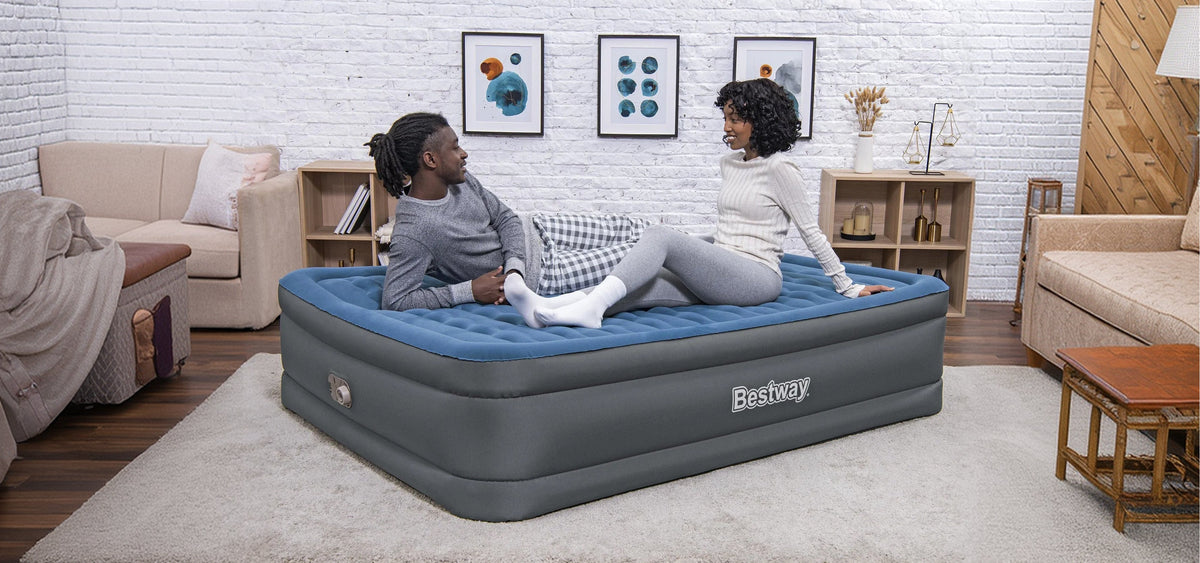
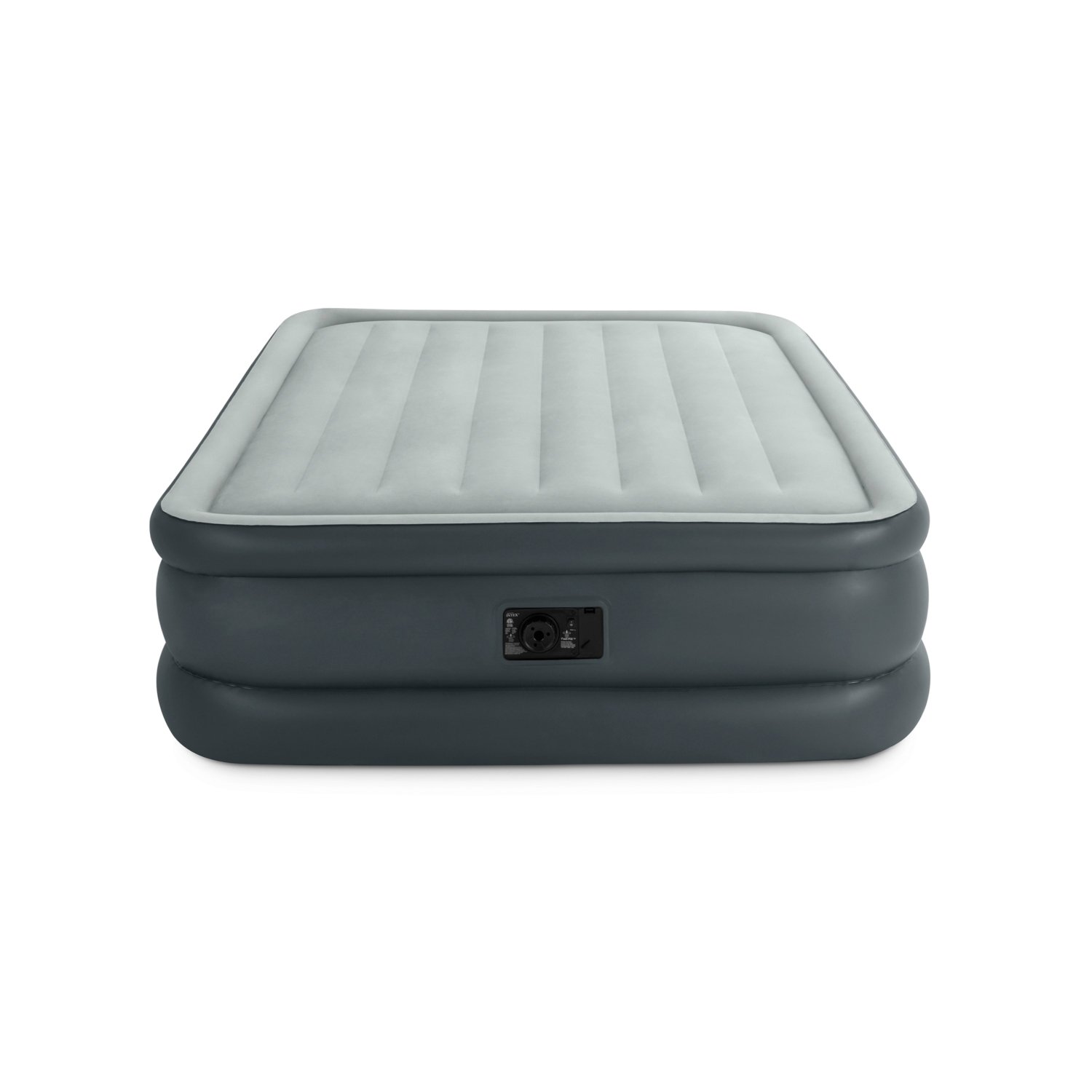
For home use, comfort and ease of access are the primary drivers. Most shoppers prefer raised air mattresses, often referred to as "double-high." These stand 18 to 22 inches off the floor, making it significantly easier for guests—especially older adults—to get in and out of bed. Because weight is less of a concern indoors, these models often feature heavy-duty materials and integrated 110V AC pumps that plug directly into wall outlets.
Camping and Travel
Outdoor enthusiasts require a different set of features. Weight, packability, and power source are the critical variables here. A camping mattress is typically a low-profile or "single-high" model, measuring 4 to 10 inches thick. This lower height makes them lighter and easier to fit inside a tent. Furthermore, they often require manual, battery-operated, or rechargeable pumps, as standard electrical outlets are rarely available at a campsite.
Anatomy of a Modern Air Mattress
Understanding what happens inside the mattress is just as important as the surface material. The internal architecture determines how well the bed supports your spine and whether you will wake up in a "taco" shape in the middle of the night.
Internal Support Structures
The most common internal designs involve air coils or Dura-Beam technology. Standard budget mattresses may use simple baffles, which are long chambers of air. However, high-quality models utilize hundreds of individual cloth-fiber or vinyl columns. These columns distribute weight evenly across the surface, mimicking the feel of a traditional coil-spring mattress. This prevents the edges from collapsing when you sit on them and minimizes the "transfer of motion" if two people are sharing the bed.
Height and Profile
As mentioned, height impacts both comfort and insulation. In 2026, many premium indoor models have reached heights of 24 inches, providing a platform that feels like a real bed. Beyond ease of movement, a taller mattress provides more "air cushion" between the sleeper and a cold floor, which can improve temperature regulation. Conversely, low-profile mattresses are superior for children’s sleepovers or backpacking where every ounce of gear matters.
Inflation and Deflation Mechanisms
The days of lightheadedness from manual inflation are largely over, thanks to advancements in pump technology. The type of pump you choose will dictate the convenience and speed of your setup.
Internal (Built-in) Pumps
Internal pumps are the gold standard for indoor air mattresses. They are housed within the mattress frame and controlled by a simple dial or button. Most can fully inflate a Queen-sized mattress in under four minutes. A significant advantage of modern internal pumps is the inclusion of auto-shutoff sensors that stop the motor once the desired firmness is reached, preventing over-inflation and seam strain.
External Pumps
External pumps are separate units that attach to a valve on the mattress. These are common for camping models. When selecting an external pump, ensure it matches your power availability.
- Plug-in (AC): Fastest, but requires a wall outlet.
- Battery-Operated (D or Rechargeable): Essential for remote camping.
- 12V Car Adapters: Great for "car camping" where you can inflate the bed near your vehicle.
Secondary "Silent" Pumps
One of the most significant innovations in recent years is the dual-pump system. The primary pump does the heavy lifting of inflation. A secondary, smaller pump—often called a constant-comfort pump—runs silently throughout the night. It monitors air pressure and automatically adds small amounts of air if the mattress stretches or the temperature drops, ensuring you don't wake up on a sagging surface.
Material Science and Durability
The durability of an air mattress is almost entirely dependent on the quality of the PVC (polyvinyl chloride) or TPU (thermoplastic polyurethane) used in its construction.
PVC vs. TPU
Most standard air mattresses are made of heavy-gauge PVC. While durable and affordable, PVC is prone to "stretching" during its first few uses, which many users mistake for a leak. In contrast, TPU is an eco-friendly alternative that is increasingly popular in 2026. TPU is more puncture-resistant, lighter, and does not have the "plastic smell" associated with new PVC. It also handles temperature fluctuations better, making it less likely to become brittle in cold weather.
Flocking and Lamination
The "flocked top" is the soft, velvet-like coating on the sleeping surface. This serves two purposes: it prevents bed sheets from sliding off and adds a layer of puncture resistance. When shopping, look for laminated surfaces. Lamination fuses the outer fabric to the internal vinyl, which significantly reduces the natural stretching of the material over time, helping the mattress maintain its shape for years.
Comparison of Air Mattress Categories
The following table compares the three most common tiers of air mattresses available in 2026 to help you align your budget with your needs.
| Feature | Budget / Entry Level | Mid-Range / Standard | Premium / Luxury |
|---|---|---|---|
| Typical Height | 4 – 10 inches | 15 – 18 inches | 18 – 24 inches |
| Pump Type | External (often manual) | Internal AC Pump | Dual-Pump "NeverFlat" Tech |
| Internal Support | Simple Baffles | Linear Beams | Fiber-Tech / Air Coils |
| Common Materials | Thin Gauge PVC | Standard PVC with Flocking | Laminated TPU or Thick PVC |
| Best Use Case | Children / Emergency | General Guest Use | Long-term Guest / Master Bed |
| Price Range (2026) | $30 – $60 | $70 – $130 | $150 – $300+ |
Sizing and Weight Capacity Considerations
Standard mattress sizes apply to air beds, but their physical footprints can vary slightly once fully inflated. It is crucial to measure your space before purchasing.
- Twin / Twin XL: Ideal for single sleepers or tight spaces like small apartments or tents. Capacity is usually around 250–300 lbs.
- Full / Double: A middle ground, but often too cramped for two adults. Best for one adult who wants extra room.
- Queen: The most popular size for couples. Most Queen models are designed to handle 500–600 lbs.
- King: Provides maximum space but requires a large room and a powerful pump. Weight capacities can reach 700 lbs or more.
Always check the manufacturer’s weight limit. Exceeding this limit doesn't just make the bed uncomfortable; it puts immense pressure on the seams, leading to "slow leaks" that are nearly impossible to repair.
Essential Comfort Features to Look For
Beyond the basics, several features can elevate an air mattress from a "temporary fix" to a legitimate sleeping solution.
- Integrated Headboards: Some high-end models include an inflatable headboard. This prevents pillows from falling off the back of the bed and provides a more stable feel for those who like to sit up and read.
- Raised Edges / Perimeter Construction: A raised outer rim helps prevent sleepers from rolling off the bed during the night. It also provides more stability when sitting on the edge to put on shoes.
- USB Ports: In 2026, many mattresses with internal pumps now include built-in USB charging ports, allowing guests to charge phones without needing an extension cord.
- Carry Bags: A high-quality, oversized carry bag is often overlooked. Ensure the bag is made of durable canvas or nylon, as fitting a deflated mattress back into its original box is nearly impossible.
Maintenance and Longevity Tips
To ensure your investment lasts several seasons, proper maintenance is required. The most common cause of air mattress failure is user error during storage or setup.
- The "Break-In" Period: When you first inflate a new PVC mattress, the material will naturally expand. It may feel softer after a few hours. This is not a leak; simply top it off with more air. This process usually stabilizes after 2-3 uses.
- Temperature Awareness: Air contracts when it gets cold. If you inflate a bed in a warm room and then turn the AC on, the bed will soften. This is physics, not a defect.
- Clear the Floor: Before laying the mattress down, vacuum the area thoroughly. Even a small stray staple or sharp pebble can create a microscopic puncture.
- Avoid Over-Inflation: Never inflate the mattress until the seams are bulging. A slight "give" when you press down with your hand is ideal for both comfort and seam longevity.
- Storage: Always store the mattress in a climate-controlled environment. Drastic temperature shifts in a garage or attic can cause the vinyl to crack over time.
How do I find a leak in an air mattress?
The most effective way to find a leak is the "soapy water test." Mix a small amount of dish soap with water in a spray bottle. Inflate the mattress fully and spray the soapy water over the seams and valves. If there is a leak, the escaping air will create visible bubbles. Once found, dry the area completely before applying a vinyl repair patch.
Why does my air mattress feel deflated in the morning if there are no holes?
This is usually caused by temperature changes or material stretching. As the air inside the mattress cools overnight, it becomes denser and takes up less space, making the bed feel soft. Additionally, new PVC mattresses will stretch during their first few uses. If your mattress has a secondary "silent" pump, ensure it is plugged in to counteract this natural pressure drop.
Can I sleep on an air mattress every night?
While modern air mattresses are supportive, they are generally not designed for permanent, nightly use over several years. Most lack the breathability of traditional mattresses, which can lead to heat buildup. However, for short-term periods (weeks or a few months), a high-quality model with internal coils and a foam topper can provide adequate spinal support.
Is a higher "gauge" of vinyl always better?
Generally, yes. A higher gauge indicates thicker, more puncture-resistant material. However, the construction of the seams is often more important than the thickness of the material itself. Look for "welded" or "reinforced" seams, as these are the most common points of failure regardless of vinyl thickness.
What is the best way to clean an air mattress?
Use a damp cloth with mild soap to wipe down the flocked top and vinyl sides. Avoid harsh chemicals or bleach, which can degrade the material and cause it to become brittle. Always allow the mattress to air dry completely before folding and storing it to prevent mold and mildew growth.
Choosing Your Next Step
Before making a final purchase, verify the manufacturer’s warranty—a one-year replacement warranty is standard for reputable brands. If you are buying for a guest room, prioritize a 20-inch Queen model with a dual-pump system for the best user experience. For those heading into the wilderness, look for a TPU-based low-profile mattress to maximize durability while minimizing pack weight. By matching the technical specifications of the pump and internal structure to your specific environment, you ensure a reliable and comfortable sleep solution for years to come.