An air mattress is an inflatable bed made from PVC, TPU, or reinforced nylon, designed to provide a portable and adjustable sleep surface for guests, camping, or temporary living arrangements. By utilizing pressurized air as the primary support medium, these mattresses offer customizable firmness levels and can be deflated for compact storage when not in use.
The air mattress has evolved from a basic camping accessory into a sophisticated piece of household furniture. In 2026, advancements in material science and integrated pump technology have addressed many of the historical complaints regarding durability and overnight deflation. Whether you are preparing a guest room for the holidays or planning a rugged outdoor excursion, understanding the technical specifications and maintenance requirements of modern air mattresses is essential for ensuring a restorative night’s sleep.
Technical Construction and Material Composition
The durability and comfort of an air mattress are primarily determined by its material composition and internal architecture. Historically, polyvinyl chloride (PVC) has been the industry standard due to its low cost and flexibility. However, as of 2026, many high-end manufacturers have shifted toward Thermoplastic Polyurethane (TPU) or laminated fabrics. TPU is significantly more puncture-resistant, lighter in weight, and less prone to "stretching"—the phenomenon where the material expands under pressure, leading to a perceived loss of air.
Internal support structures are equally critical. Without internal reinforcement, an air mattress would simply bulge in the center like a balloon. Manufacturers use two primary methods to create a flat, supportive surface:
- Coil-Beam Construction: This design uses independent air pillars or "coils" distributed throughout the mattress. These coils mimic the feel of a traditional innerspring mattress, providing localized support and reducing the "bounce" felt when a partner moves.
- I-Beam Construction: This involves long horizontal or vertical channels that run the length of the mattress. While generally more affordable, I-beam mattresses are typically found in camping pads or entry-level guest beds.
Furthermore, the "flocking" on the top surface—a velvet-like texture—serves two purposes. It provides a more comfortable, non-slip surface for bedding and acts as a minor thermal barrier between the sleeper and the cold air inside the mattress.
Categories of Air Mattresses by Use Case
Choosing the right air mattress requires a clear understanding of its intended environment. The requirements for a stationary guest bed differ significantly from those of a portable camping mattress.
Indoor Guest Beds (Raised or Double-Height)
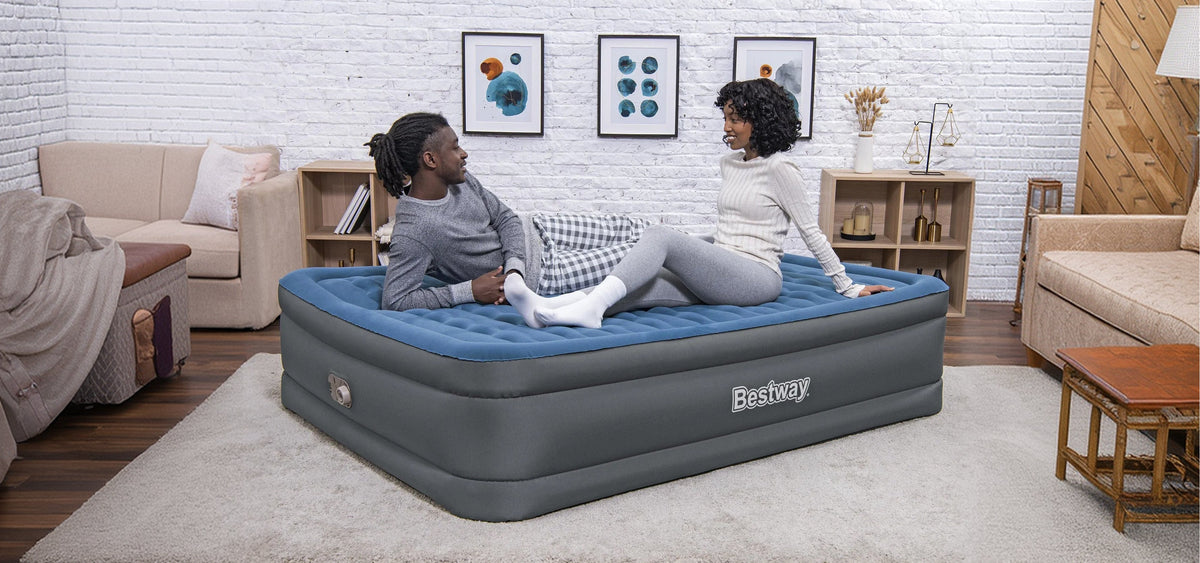
These mattresses are designed to mimic the height of a standard bed, typically ranging from 16 to 22 inches tall. The primary advantage is ease of access; users do not have to "climb off the floor," which is a significant consideration for older guests. These models almost exclusively feature built-in electric pumps and are constructed from heavier materials that prioritize comfort over weight reduction.
Outdoor and Camping Mattresses
In contrast, camping mattresses prioritize portability, weight, and resistance to environmental factors. These are usually "single-height" (8 to 10 inches) to fit inside tents with sloped walls. They are often treated with antimicrobial coatings to prevent mold growth in humid environments and may feature manual or battery-operated pumps to accommodate locations without electrical outlets.
Specialized Low-Profile Pads
Often used by backpackers or for minimalist travel, these pads focus on R-value (insulation). Because air is a poor insulator, specialized pads use internal foam or reflective layers to prevent the sleeper's body heat from being sucked into the cold ground.
Inflation Systems and Pump Technology
The method of inflation is the most significant factor in user convenience. In 2026, the market is dominated by three main pump types:
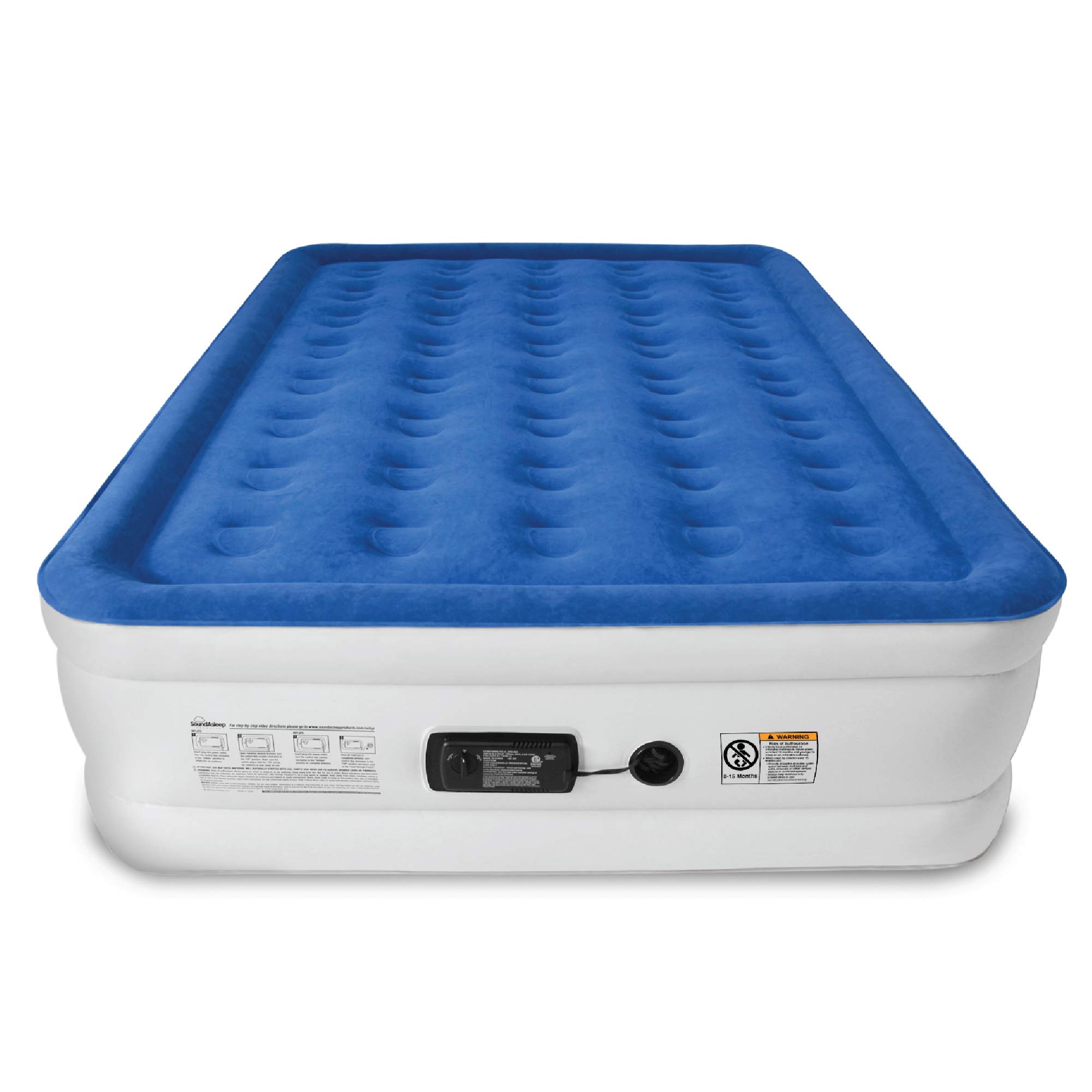
- Integrated Electric Pumps: Most common in home-use mattresses, these are built directly into the side of the bed. They can inflate or deflate a queen-sized mattress in under four minutes. Modern versions often include an auto-shutoff feature to prevent over-inflation.
- Dual-Pump Systems (Never-Flat Technology): Some premium models feature a secondary, silent pump. This pump monitors air pressure throughout the night and subtly adds air if the pressure drops due to temperature changes or material stretching, ensuring the mattress remains firm until morning.
- External Manual or Battery Pumps: These are used for camping. While slower than electric pumps, they offer the versatility needed for off-grid use. Battery technology has improved to the point where a single charge can handle multiple inflation/deflation cycles.
Performance Comparison Table
The following table compares the primary characteristics of common air mattress types available in 2026.
| Feature | Raised Guest Bed | Standard Camping Mattress | Ultra-Light Sleeping Pad |
|---|---|---|---|
| Typical Height | 18–22 inches | 8–10 inches | 2–4 inches |
| Pump Type | Built-in Electric (AC) | External (Battery/Manual) | Manual or Breath-inflated |
| Primary Material | Heavy-duty PVC / Flocked Top | Reinforced PVC / TPU | Ripstop Nylon / TPU |
| Weight Capacity | 500–600 lbs (Queen) | 300–450 lbs (Queen) | 250–300 lbs (Single) |
| Portability | Low (Heavy/Bulky) | Moderate | High (Fits in backpack) |
| Best Use Case | Long-term guests | Car camping | Backpacking / Hiking |
Maintenance, Troubleshooting, and Longevity
The lifespan of an air mattress is heavily dependent on how it is handled and stored. The most common issue reported is "leaking," though many users mistake material stretching for a hole. During the first two or three uses, the synthetic fibers and PVC will naturally expand under the weight of a sleeper. This increases the internal volume, causing the mattress to feel softer, even though no air has escaped.
Finding and Repairing Leaks
If a genuine puncture occurs, the most effective way to locate it is the "soapy water method." By wiping down the inflated mattress with a sponge dipped in soapy water, you can identify a leak by looking for bubbles forming over the hole. Once located, the area must be dried completely before applying a patch. Most modern mattresses come with a repair kit; it is vital to use the specific adhesive provided, as some household glues can melt the plastic materials.
Storage Protocols
To prevent "pinhole" leaks, never fold an air mattress too tightly or in the same pattern every time. Repeatedly creasing the material in the same spot weakens the plastic, eventually leading to a failure. Store the mattress in a temperature-controlled environment; extreme heat can degrade the adhesives in the seams, while extreme cold can make the PVC brittle and prone to cracking.
Thermal Regulation and Comfort Optimization
One of the inherent drawbacks of an air mattress is its lack of insulation. Because the mattress is essentially a giant reservoir of room-temperature or cold air, it can act as a heat sink, pulling warmth away from the body. To counteract this, users should consider the following:
- Insulated Toppers: Placing a quilted mattress pad or a thick wool blanket between the mattress surface and the bottom sheet provides a thermal break.
- Pressure Adjustment: Do not over-inflate. An air mattress should have a slight "give" to allow for proper spinal alignment. A mattress that is too hard can cause pressure points on the hips and shoulders.
- Placement: If using an air mattress on a cold floor (like a basement or a tent), placing a rug or foam tiles underneath the mattress can significantly improve heat retention.
Why does my mattress smell like plastic?
This is known as "off-gassing." New synthetic materials, especially PVC, release Volatile Organic Compounds (VOCs) when first unpacked. In 2026, most reputable brands adhere to low-VOC standards, but it is still recommended to inflate the mattress in a well-ventilated garage or spare room for 24 to 48 hours before the first use to allow odors to dissipate.
Frequently Asked Questions
Can I sleep on an air mattress every night?
While possible, most air mattresses are not designed for permanent use. They lack the sophisticated edge support and multi-layered comfort systems of traditional mattresses, which may lead to back pain over long periods. If daily use is required, look for "permanent-inflation" models that use higher-density TPU and dual-pump systems to maintain consistent orthopedic support.
How do I prevent my air mattress from sliding on hardwood floors?
Air mattresses are lightweight and often have smooth plastic bottoms, causing them to shift during the night. Placing a non-slip rug, a yoga mat, or even a few strips of rug-gripper tape underneath the mattress will provide the necessary friction to keep the bed stable.
What is the maximum weight capacity for a queen-size air mattress?
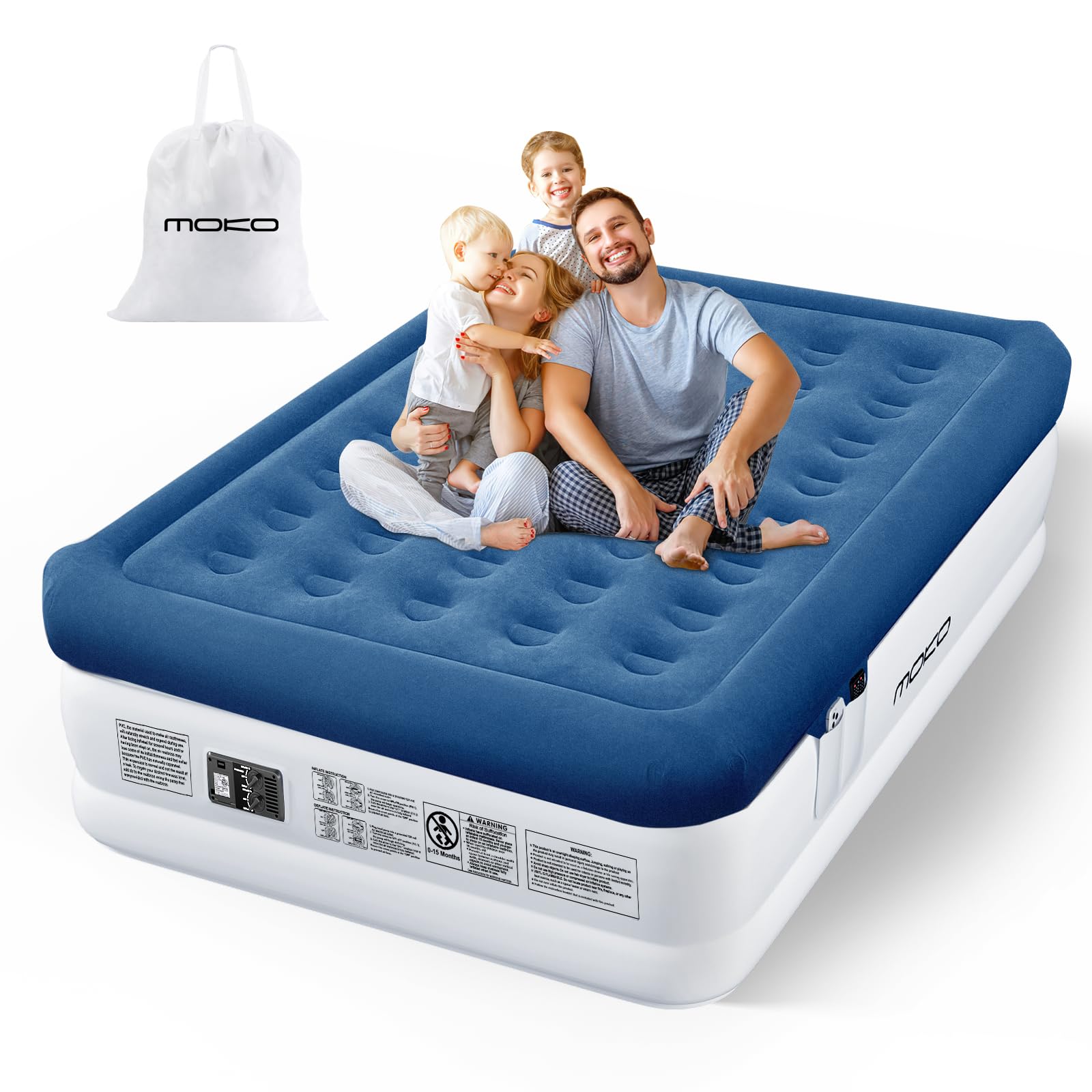
Most standard queen-size air mattresses in 2026 are rated for 500 to 600 pounds. However, this is a static weight limit. Sudden impacts, such as children jumping on the bed, can create high-pressure spikes that cause the internal seams or "beams" to burst, even if the total weight is below the limit.
Is it normal for an air mattress to lose air overnight?
It is common for a mattress to feel softer in the morning, but this is often due to physics rather than a leak. As the air inside the mattress cools (due to the drop in ambient night temperature), it contracts and takes up less volume. This, combined with the natural stretching of the material, creates a softer feel that can be corrected with a quick 10-second top-off from the pump.
Recommended Setup for Optimal Durability
To maximize the life of your air mattress and ensure guest satisfaction, follow a standardized setup routine. First, clear the floor of any debris, including small pebbles or staples, which are the primary cause of bottom-side punctures. Inflate the mattress to about 90% capacity and let it sit for an hour to allow the material to stretch before adding the final bit of air for firmness. Always use a mattress protector; this not only adds a layer of comfort but also protects the flocking from skin oils and spills, which can degrade the material over time. Finally, when guests depart, use the "deflate" setting on the pump rather than just opening the valve; this removes all residual air, making the mattress easier to fold properly and reducing the risk of stress on the seams during storage.