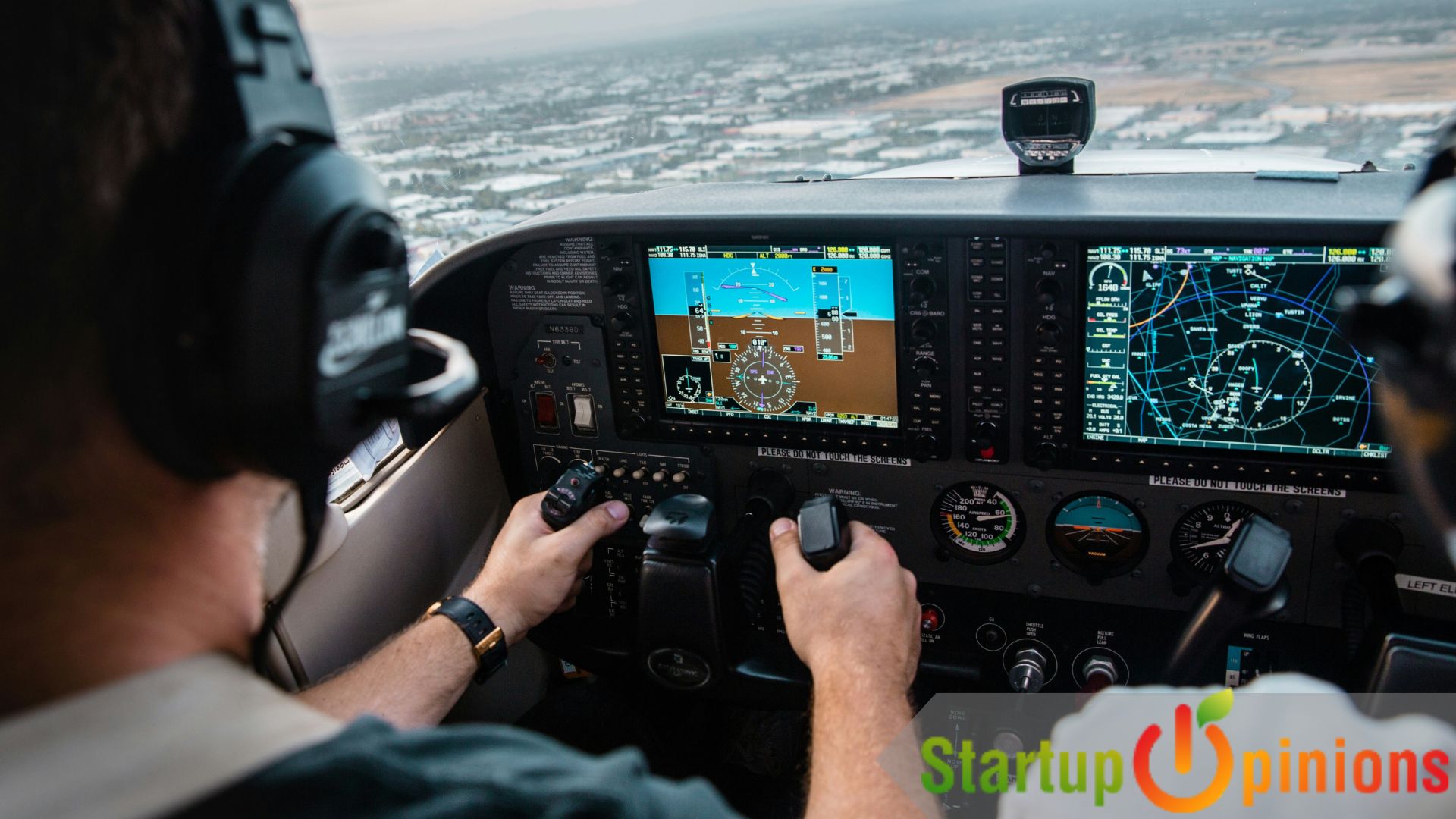
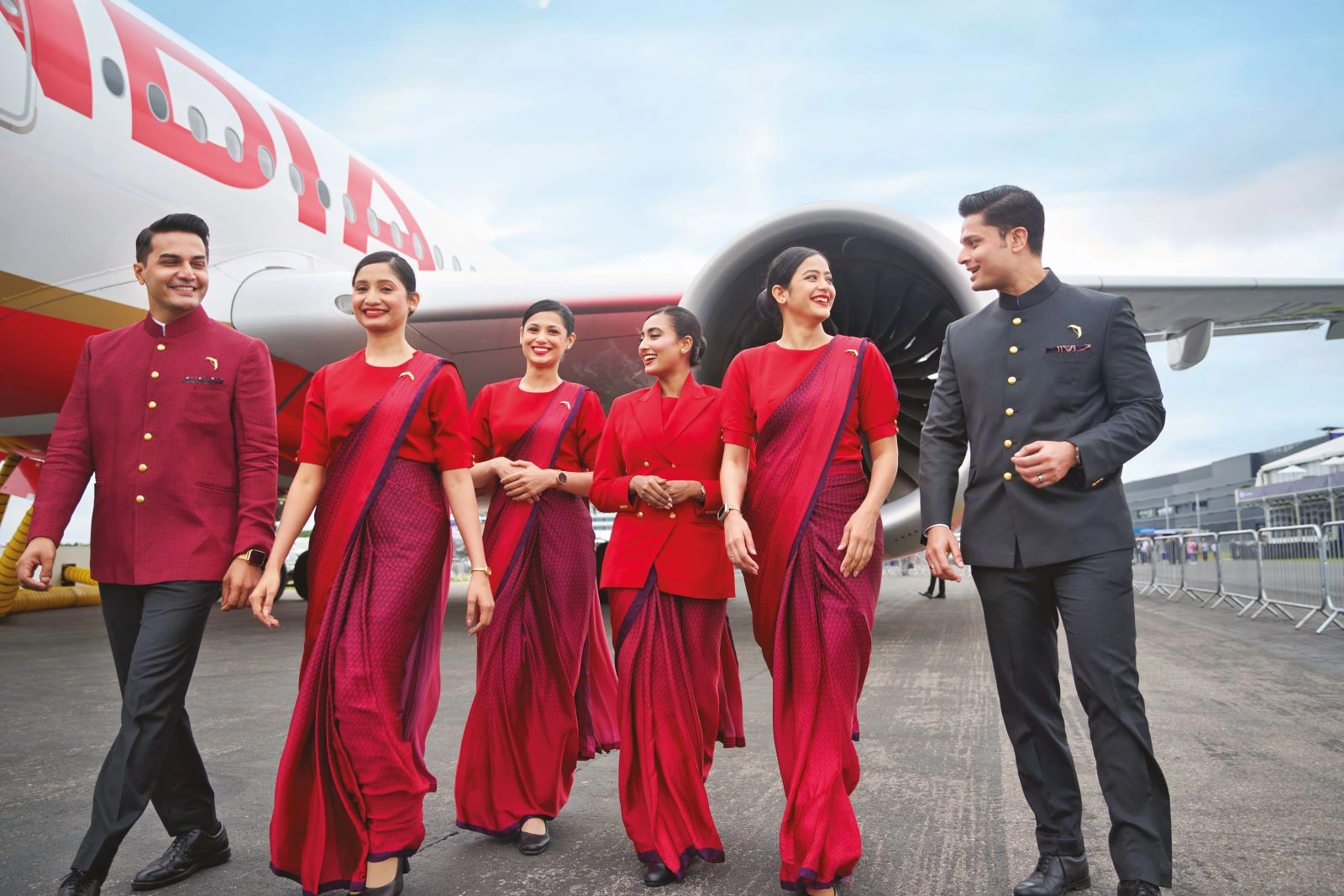
To become an Air India pilot in 2026, candidates must possess a Commercial Pilot License (CPL) issued by the DGCA, meet specific age and educational criteria (10+2 with Physics and Mathematics), and pass rigorous medical and technical evaluations. The career path moves from Cadet or Junior First Officer to Commander and Senior Management roles.
The Evolution of Pilot Roles at Air India
Under the ownership of the Tata Group and the completion of the "Vihaan.AI" transformation program, Air India has redefined the operational roles of its flight crew. In 2026, the airline operates one of the world's youngest and most diverse fleets, ranging from the fuel-efficient Airbus A320neo family for short-haul domestic routes to the advanced Airbus A350 and Boeing 777X for ultra-long-haul international sectors.
The primary roles are categorized by rank and aircraft complexity. First Officers serve as the second-in-command, responsible for monitoring flight instruments, managing radio communications, and assisting the Captain in all phases of flight. As they gain experience, they transition to Commanders (Captains), who hold the ultimate legal and operational responsibility for the aircraft, passengers, and crew.
Beyond the cockpit, Air India pilots in 2026 are increasingly involved in specialized instructional roles. Line Training Captains (LTC) and Type Rating Instructors (TRI) are senior pilots who mentor junior crew members during actual flight operations or in advanced flight simulators. The most experienced pilots may reach the level of Type Rating Examiner (TRE), where they conduct official checks and certifications on behalf of the Directorate General of Civil Aviation (DGCA).
Mandatory Requirements for Aspiring Air India Pilots
Entering the cockpit of India's flagship carrier requires a combination of academic excellence, physical fitness, and technical proficiency. Air India maintains strict adherence to the standards set by the DGCA and international bodies like ICAO.
Academic and Age Qualifications
Candidates must have completed their 10+2 (Higher Secondary) education from a recognized board with Physics and Mathematics as core subjects. A minimum aggregate percentage is often required, typically around 60%, to ensure the candidate possesses the analytical skills necessary for flight planning and emergency management. As of 2026, the minimum age to begin pilot training is 18, while the maximum age for entry-level recruitment generally caps at 35, though this may vary for experienced lateral hires.
Licensing and Certifications
Every Air India pilot must hold a valid Indian Commercial Pilot License (CPL) or an Airline Transport Pilot License (ATPL) for senior roles. This involves passing specific theoretical examinations:
- Air Navigation: Planning and executing flight paths.
- Aviation Meteorology: Understanding weather patterns and their impact on flight safety.
- Air Regulations: Knowledge of national and international aviation laws.
- Aircraft Technical (General and Specific): Deep dives into how engines and airframes function.
Additionally, a valid Flight Radio Telephone Operator's License (FRTO) and a Radio Telephony Restricted (Aeronautical) License (RTR) are mandatory for communication with Air Traffic Control (ATC).
Medical Standards
Pilots must maintain a Class I Medical Assessment issued by DGCA-approved medical centers. This assessment evaluates cardiovascular health, vision (correctable to 6/6), hearing, and neurological functions. In 2026, mental health wellness is also a significant component of the recurring medical checks to ensure pilots can handle the high-stress environment of long-haul flying.
The Entry Paths: Cadet Program vs. Direct Entry
Air India offers two primary pathways for aviators to join their ranks, catering to both freshers and experienced professionals.
The Air India Cadet Pilot Program
This is the most popular route for individuals with no prior flying experience. In partnership with global flight training organizations (FTOs) like CAE and L3Harris, Air India sponsors or facilitates a "ground-to-cockpit" program.
- Selection: Aspiring cadets undergo aptitude tests and psychometric evaluations.
- Ground School: Intensive study of aviation theory and DGCA exams.
- Flight Training: Conducted at flight schools in India or abroad (e.g., USA, New Zealand) to earn a CPL.
- Type Rating: Specialized training on a specific aircraft in the Air India fleet (e.g., A320 or B787). The advantage of this program is a clear, mentored path to a job, often with financing options supported by the airline.
Direct Entry Pilots (DEP)
For pilots who already hold a CPL and have accumulated flying hours at other airlines or flight schools, Air India opens "Direct Entry" windows. These candidates are often required to have a specific number of hours on "multi-engine" aircraft or a pre-existing Type Rating. Direct entry is common for experienced Captains needed to man the rapidly expanding wide-body fleet.
The Recruitment and Selection Process
The selection process at Air India is designed to be exhaustive, ensuring that only those with the highest "airmanship" potential are chosen. In 2026, this process is highly digitized and standardized.
- Online Application and Screening: Initial filtering based on licenses, medical validity, and academic records.
- CASS/WOMBAT Testing: Computerized pilot aptitude tests that measure spatial orientation, multi-tasking abilities, and reaction times.
- Technical Written Test: A comprehensive exam covering all DGCA subjects and aircraft-specific technical knowledge.
- Psychometric Evaluation: Assessing personality traits, leadership potential, and emotional stability under pressure.
- Simulator Evaluation (Sim Check): Candidates are put into a full-motion flight simulator to test their basic flying skills, ability to follow instructions, and handling of simulated emergencies.
- Personal Interview: A board consisting of senior pilots and HR professionals evaluates the candidate's communication skills, attitude, and alignment with the airline's revamped culture.
Career Progression and Training Pipeline
A pilot's career at Air India is a journey of continuous learning. The progression is strictly regulated by both company policy and DGCA flight hour requirements.
Training Phases
Once hired, a pilot enters the Type Rating phase if not already qualified on the assigned aircraft. This is followed by Base Training, where the pilot performs actual take-offs and landings without passengers. The final stage is Line Training, where the trainee flies regular routes under the close supervision of a Check Pilot until they are cleared for "Line Release."
Promotion Hierarchy
- Junior First Officer (JFO): The starting point for freshers.
- First Officer (FO): Attained after completing a specific number of hours (usually 500) and proving proficiency.
- Senior First Officer (SFO): Requires higher flying hours (typically 1,500+) and an ATPL.
- Commander: To "upgrade" to the left-hand seat, a pilot usually needs 2,500 to 3,500 flying hours, successful completion of a Command Course, and rigorous simulator checks.
- Senior Commander: Pilots with significant experience who often operate the most complex ultra-long-haul routes.
| Designation | Min. Experience (Approx.) | Primary Aircraft Type | Role Focus |
|---|---|---|---|
| Junior First Officer | 200 Hours (CPL) | A320 / B737 | Basic cockpit assistance, monitoring |
| First Officer | 500+ Hours | A320 / A350 | Navigation, radio, assisting command |
| Senior First Officer | 1,500+ Hours (ATPL) | Fleet-wide | Advanced co-piloting, preparation for command |
| Commander | 3,000+ Hours | A320 / B787 / B777 | Final authority, safety, crew leadership |
| Senior Commander | 10+ Years in Rank | B777 / A350 | Mentoring, ultra-long-haul operations |
Salary, Benefits, and Lifestyle for Air India Pilots (2026)
Working for Air India is considered one of the most prestigious aviation jobs in the Indian subcontinent. In 2026, the compensation packages have been modernized to stay competitive with Middle Eastern and global carriers.
Compensation Structure
A pilot's salary is typically divided into a fixed base pay and a flying allowance based on the number of hours flown per month. Guaranteed flying hours (usually 70 hours per month) provide income stability. Junior First Officers can expect starting packages upwards of ₹2.5 to ₹3.5 Lakhs per month, while experienced Senior Commanders on wide-body aircraft can earn between ₹10 to ₹15 Lakhs per month, depending on their instructional roles and overtime.
Benefits and Perks
- Staff Travel: Heavily discounted or free air tickets for pilots and their immediate families on the Air India and Star Alliance network.
- Insurance: Comprehensive health, life, and "Loss of License" insurance, which provides financial security if a pilot is grounded for medical reasons.
- Accommodation and Transport: Layover stays in high-end international hotels and dedicated transport to and from the airport.
- Global Exposure: The opportunity to fly to major hubs like London, New York, Tokyo, and Paris, providing a diverse operational experience.
Lifestyle and Rostering
Modern rostering systems at Air India in 2026 aim to improve work-life balance. Pilots typically follow a "stable roster" that allows for predictable time off, though the nature of the job still requires working on holidays, weekends, and through various time zones, which can impact the circadian rhythm.
What is the minimum educational requirement to become an Air India pilot?
Candidates must have passed 10+2 or an equivalent examination with Physics and Mathematics. This is a mandatory requirement set by the DGCA to ensure that pilots have the foundational understanding of mechanics and calculations necessary for aviation.
How long does it take to become a Captain at Air India?
Progressing from a Junior First Officer to a Commander usually takes between 5 to 8 years. This timeline depends on the pilot’s ability to accumulate the required 2,500–3,000 flying hours, the availability of upgrade slots, and the successful completion of the airline's rigorous command training program.
Does Air India pay for pilot training?
For the Cadet Pilot Program, Air India typically facilitates the training but does not pay for it upfront. However, they often provide "letters of intent" that allow candidates to secure specialized educational loans. Once the cadet is inducted as a pilot, the salary allows for the repayment of these loans. Direct entry pilots must already be trained and licensed at their own expense.
What is the retirement age for Air India pilots in 2026?
The retirement age for pilots in India is generally 65 years, provided they pass frequent and more stringent medical examinations after the age of 60. Air India adheres to these DGCA guidelines to maintain a balance of experience and safety within their crew.
Can a pilot with a foreign CPL join Air India?
Yes, but the foreign license must be converted to an Indian CPL. This involves passing the DGCA conversion exams (Meteorology and Regulations) and completing a flight check in India. Air India only hires pilots who hold a valid Indian license and medical certificate.
Next Steps for Aspiring Air India Aviators
If you are aiming to join Air India, your first priority should be achieving high marks in Physics and Mathematics at the 10+2 level. Once eligible, research the latest intake for the Air India Cadet Pilot Program, as this offers the most streamlined route into the airline. Ensure you maintain peak physical fitness and begin preparing for the DGCA theoretical exams as early as possible. For those already flying, focusing on "multi-engine" hours and maintaining an accident-free flying record is crucial for successful lateral entry into the carrier's expanding fleet.