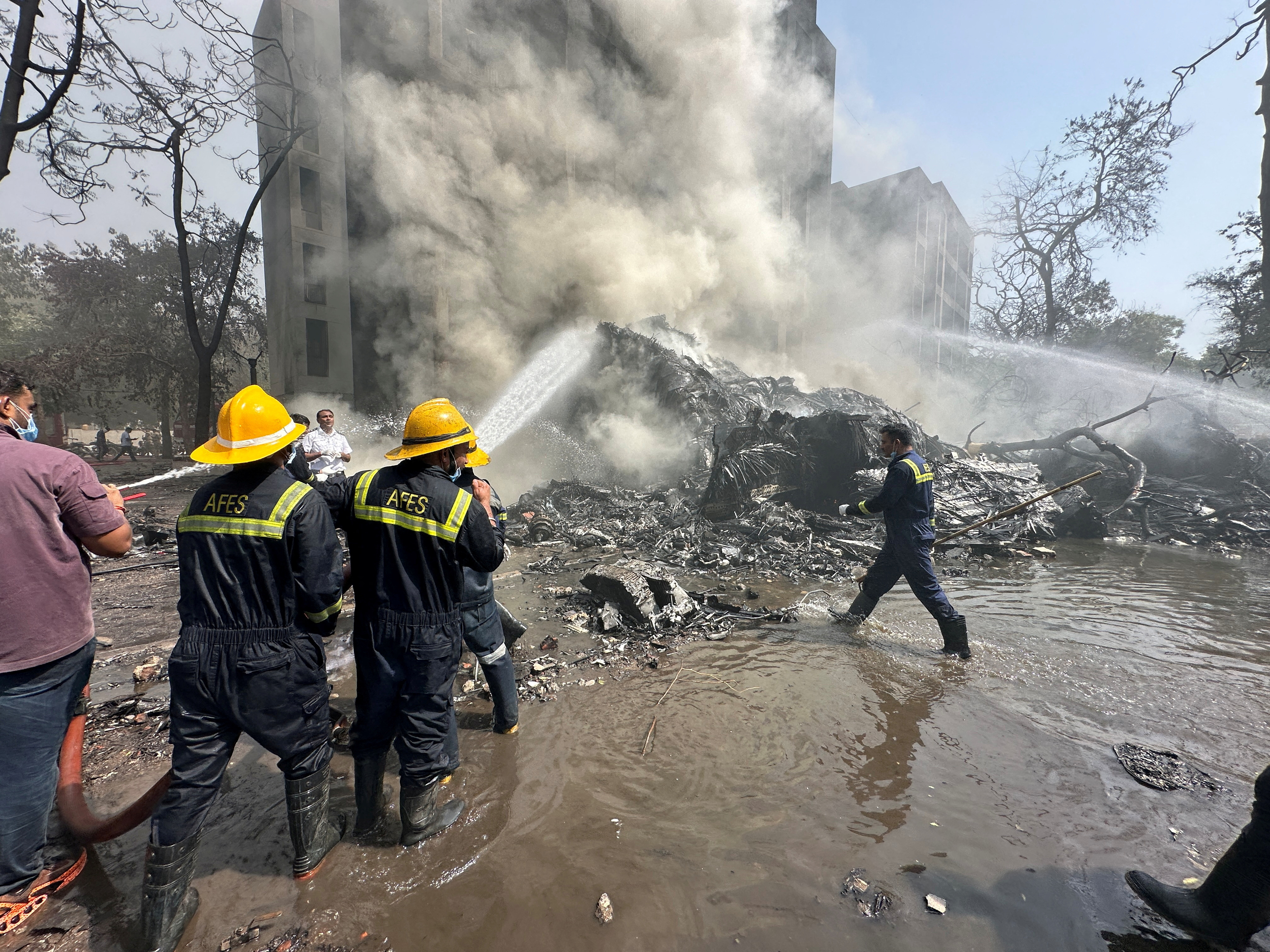
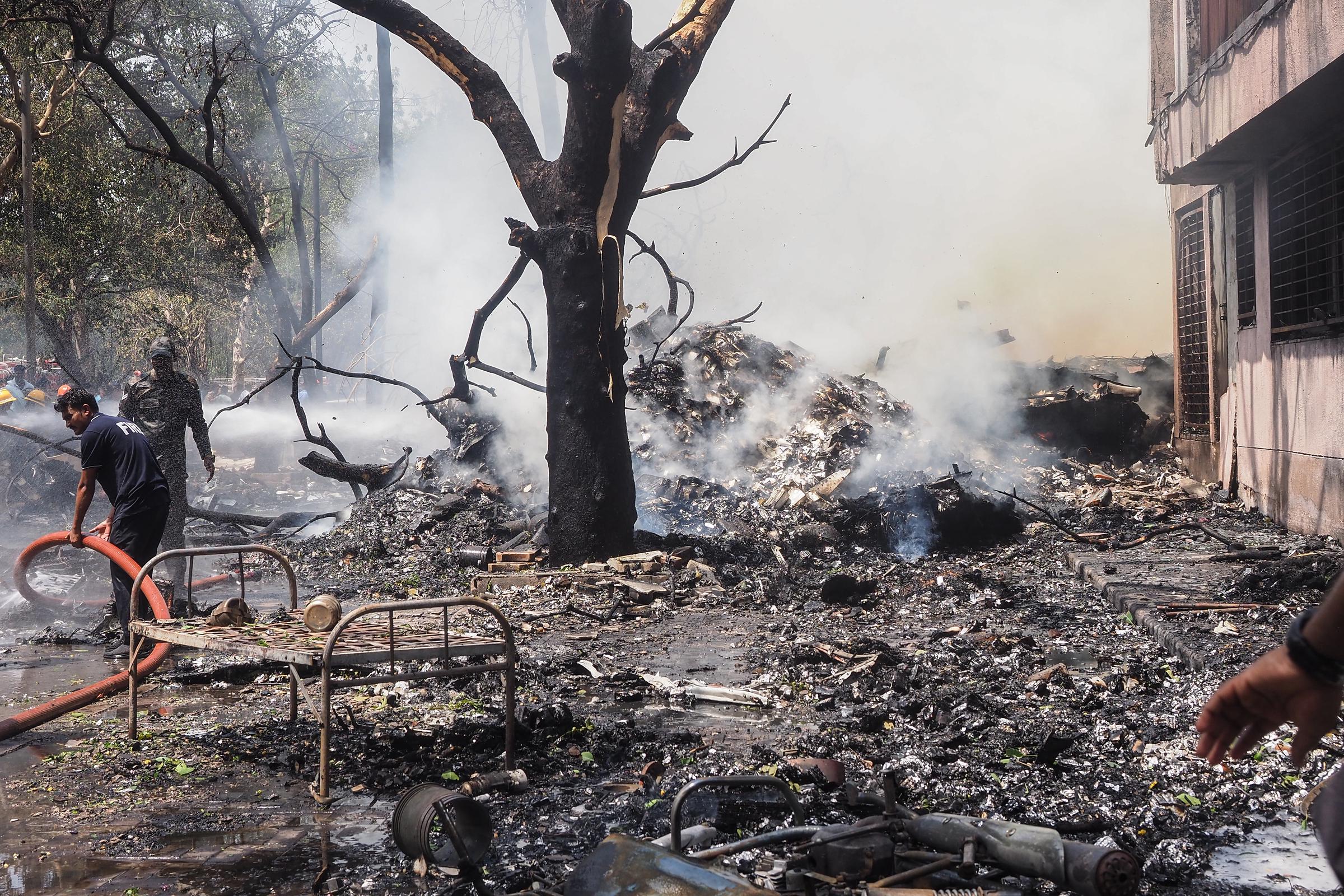
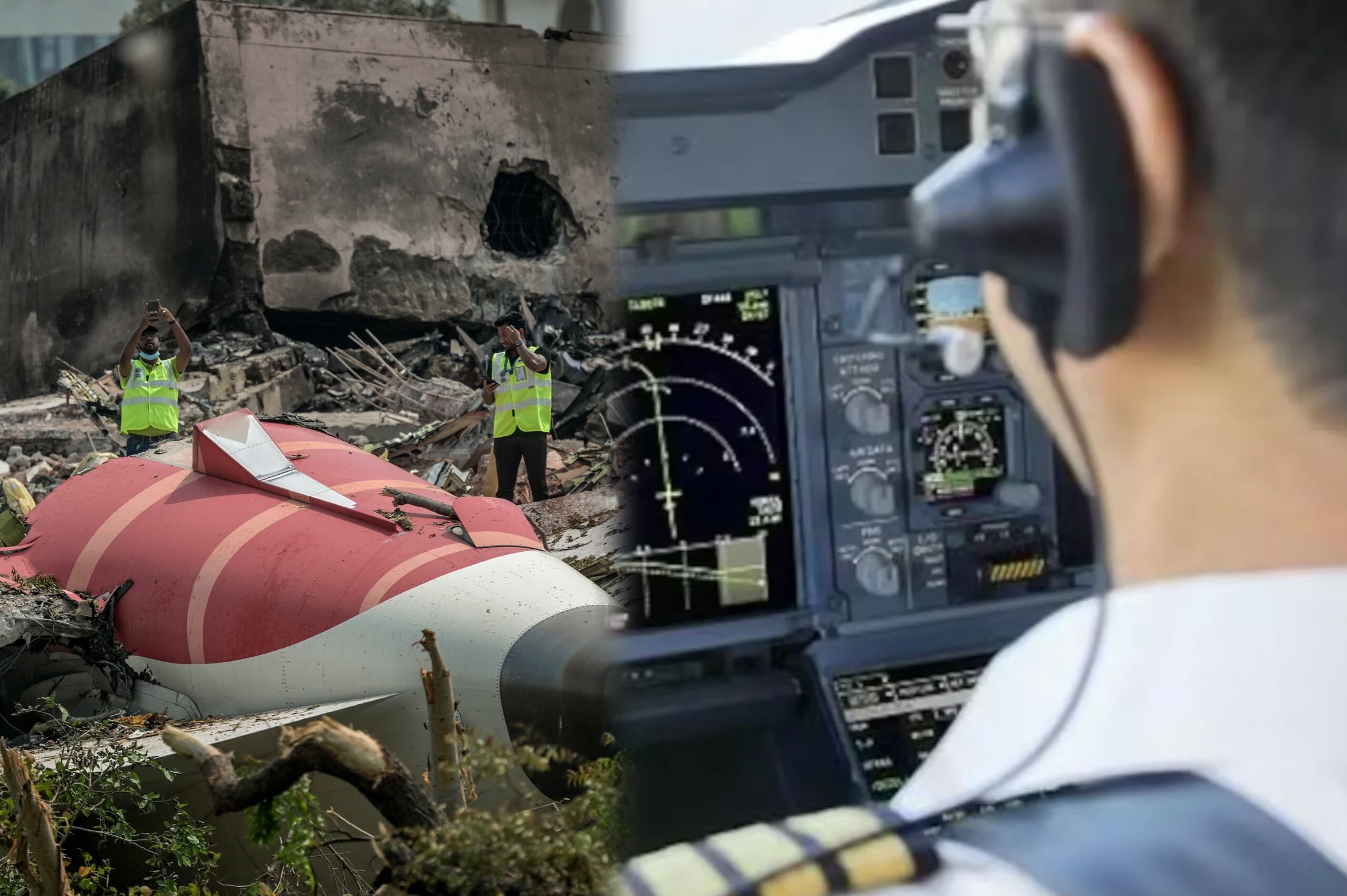
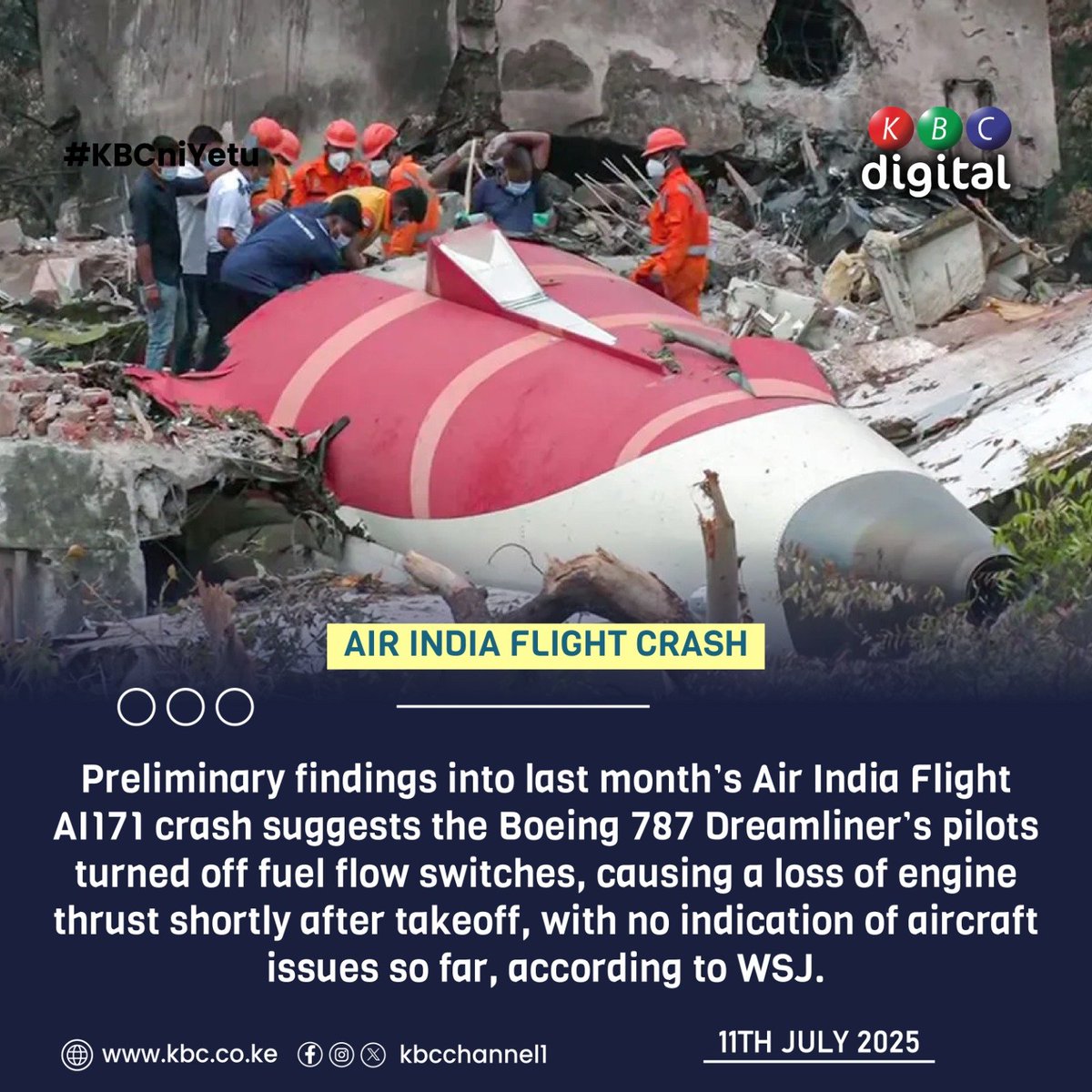
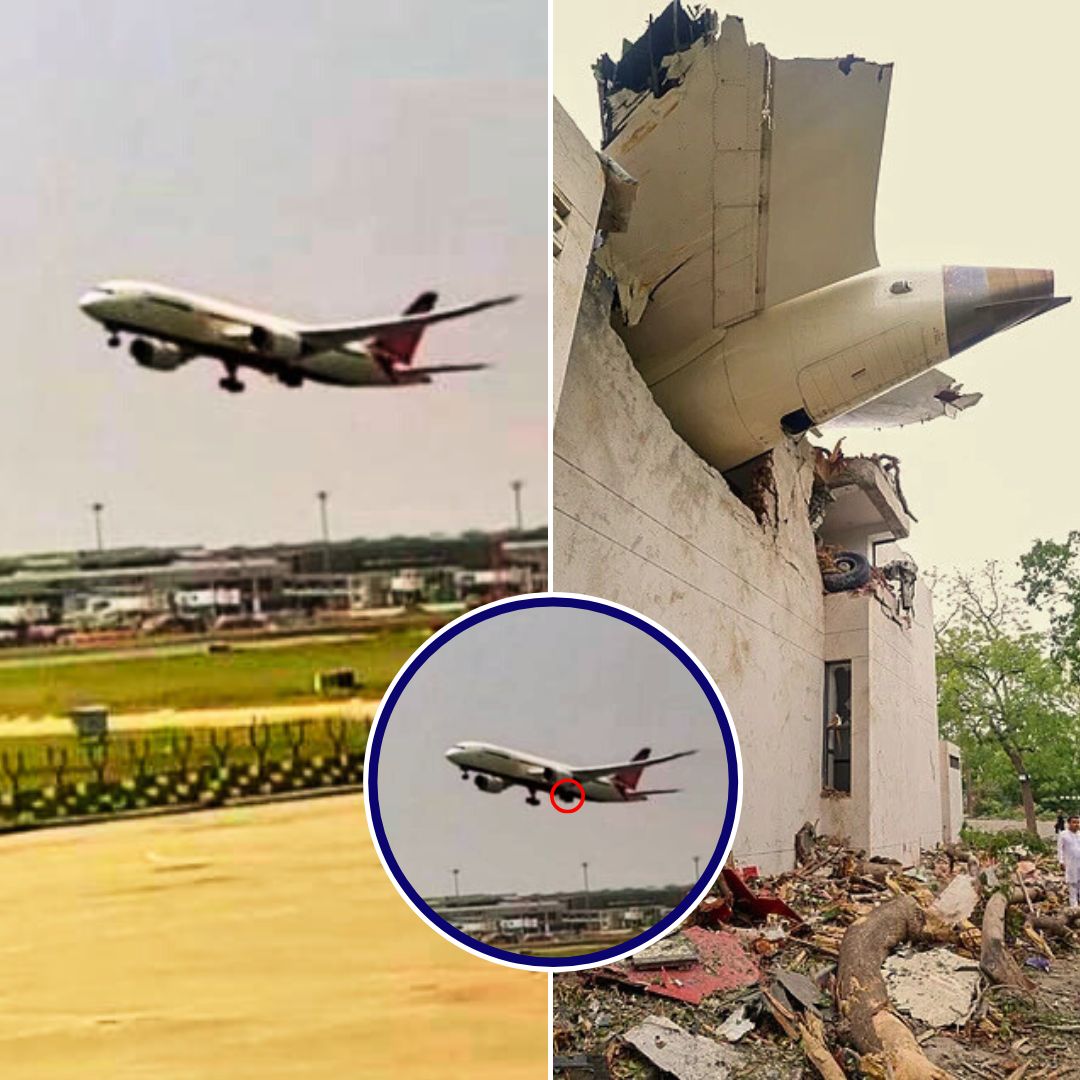
The historical crash of Air India Flight AI171 occurred on October 12, 1976, when a Sud Aviation Caravelle suffered a catastrophic engine failure and fire shortly after departing from Bombay (now Mumbai). As of 2026, no recent accidents have occurred under this flight number, which currently serves international long-haul routes with modern, high-safety aircraft.
Historical Overview of the 1976 Air India Flight 171 Tragedy
To understand the context of Air India Flight AI171, one must look back to the early hours of October 12, 1976. The aircraft involved was a Sud Aviation SE-210 Caravelle VI-N, registration VT-DWN, named "Santa Cruz." This short-to-medium-range jet airliner was a staple of Air India’s regional fleet during the 1960s and 70s. The flight was scheduled to operate a domestic leg from Bombay’s Sahar Airport to Madras (now Chennai).
The flight carried 89 passengers and 6 crew members. Among the passengers were notable figures, including the popular South Indian film actress Rani Chandra. The flight took off at approximately 01:33 local time. Almost immediately after rotation and gear retraction, the crew was alerted to a serious problem in the number two (right-hand) engine.
The 1970s was a transitional period for Indian aviation, moving from older piston and turboprop engines to pure jet turbines. The Caravelle, while revolutionary for its rear-mounted engines and clean wing design, presented specific challenges during catastrophic engine failures, particularly regarding the proximity of fuel lines and hydraulic systems to the engine housing. The failure of AI171 remains one of the most significant accidents in the history of Bombay’s airport, prompting a massive shift in how the Directorate General of Civil Aviation (DGCA) approached turbine engine maintenance and fire suppression.
Sequence of Events: From Takeoff to the Final Moments
The timeline of the AI171 crash is relatively short, lasting only a few minutes from the initial emergency to the final impact. Verified flight data and cockpit voice recordings from the investigation indicate a rapid escalation of the onboard crisis.
- Rotation and Initial Climb: At 01:33, the aircraft began its takeoff roll on Runway 09. Shortly after the wheels left the ground, the number two engine suffered an internal structural failure.
- Engine Fire Notification: The cockpit crew received a fire warning for the right engine. Following standard emergency procedures of the era, Captain G.P. Narasimhan and his co-pilot attempted to throttle back and activate the fire suppression bottles.
- The Turn-Back Maneuver: The crew communicated with Air Traffic Control (ATC), declaring an emergency and requesting an immediate return to Bombay. They began a visual circuit to align with the runway for an emergency landing.
- Loss of Control: As the aircraft attempted to level out for the final approach, the fire—which had not been extinguished by the onboard systems—severely compromised the aircraft’s hydraulic lines. The Caravelle, like many jets of its time, relied heavily on hydraulic pressure for control surface movement.
- The Impact: Control was lost entirely in the final seconds. The aircraft crashed roughly 1,000 yards short of the runway threshold. The impact was high-energy and was followed by a massive fuel-fed fire.
All 95 souls on board perished. The speed with which the fire incapacitated the aircraft’s flight controls meant that despite the crew’s proximity to the runway, a safe landing was physically impossible under the circumstances.
Technical Investigation and Probable Cause
Following the disaster, the Indian government appointed a Court of Inquiry headed by Justice S.B. Bhasin. The investigation was exhaustive, involving metallurgical analysis of the engine remains and a review of maintenance logs.
The investigation identified the root cause as a fatigue crack in the tenth-stage compressor disk of the number two Rolls-Royce Avon engine. When the disk shattered, high-velocity fragments breached the engine casing. These fragments severed the fuel lines and ignited the fuel. More critically, the resulting inferno was not contained within the engine nacelle; it spread to the structure of the aircraft, melting hydraulic lines and the support structures of the control surfaces.
The Bhasin Committee's findings highlighted several critical safety gaps:
- Metallurgical Fatigue: The compressor disk had developed a crack that was not detected during routine maintenance cycles. This underscored the need for more advanced Non-Destructive Testing (NDT) methods in jet engine overhauls.
- Inadequate Fire Walling: The investigation found that the separation between the engine and the fuel/hydraulic systems was insufficient to withstand a high-intensity titanium or steel fire resulting from a disk burst.
- Emergency Limitations: The crew followed the correct procedures, but the "uncontained" nature of the engine failure rendered those procedures ineffective.
As a result of these findings, the Aviation Safety Network and other international bodies updated their databases to reflect the risks of uncontained engine failures in rear-mounted engine configurations.
Evolution of Air India’s Safety Culture Post-1976
The legacy of Flight AI171 led to a significant overhaul of safety protocols within Air India and the Indian civil aviation sector. By the 1980s, Air India began phasing out the Caravelle fleet in favor of more modern Boeing 737s and Airbus A300s, which featured improved engine containment shields and redundant hydraulic systems.
In the decades since, the DGCA has implemented the Safety Management System (SMS) framework, which is mandated by the International Civil Aviation Organization (ICAO). This system shifts the focus from reactive investigation (learning after a crash) to proactive risk identification. For modern flights operating under the AI171 designation in 2026, these protocols include real-time engine health monitoring (EHM), where data is beamed via satellite to maintenance centers while the plane is still in the air.
Modern AI171 flights, typically operating between major hubs like Newark Liberty International (EWR) and Indian cities like Ahmedabad (AMD) or Mumbai (BOM), utilize Boeing 777 or Airbus A350 aircraft. These platforms have a safety record that is orders of magnitude superior to the 1970s-era Caravelles, featuring "triple-redundant" systems that ensure flight control even if one or two systems fail.
Comparative Specifications: 1976 vs. 2026 Flight Standards
The following table compares the technical environment of the 1976 AI171 crash with the current operational environment for the same flight number in 2026.
| Feature | 1976 Incident (AI171) | 2026 Current Operations (AI171) |
|---|---|---|
| Aircraft Type | Sud Aviation Caravelle VI-N | Boeing 777-200LR / Airbus A350-941 |
| Engine Configuration | 2x Rolls-Royce Avon (Rear-mounted) | 2x GE90-110B1 / Trent XWB (Under-wing) |
| Safety Redundancy | Dual Hydraulic Systems (Non-isolated) | Triple/Quadruple Isolated Redundancy |
| Maintenance Protocol | Manual inspections / Basic NDT | Real-time Satellite Engine Monitoring |
| Fire Suppression | Single-shot Halon / Manual Trigger | Multi-zone automated suppression |
| Accident Status | Confirmed Catastrophic Loss | No Recent Incidents Reported |
Modern Context: Flight AI171 in the 2020s
In 2026, flight numbers are reused frequently. The designation AI171 is currently recognized as a flagship long-haul route connecting the United States and India. There is often confusion on social media platforms and among aviation enthusiasts when historical flight numbers are searched, leading to "false alarms" or the resurfacing of old news as if it were current.
It is verified that no crash of Air India Flight AI171 has occurred in the 21st century. Air India’s current safety record reflects its acquisition by the Tata Group, which has invested billions in fleet renewal and enhanced pilot training programs. The current AI171 operates under stringent ETOPS (Extended-range Twin-engine Operational Performance Standards) regulations, which require the aircraft to be within a certain flying time of an emergency airport at all times, supported by highly reliable modern turbofans.
The Directorate General of Civil Aviation (DGCA) continues to oversee the safety of these long-haul routes, ensuring that the dark lessons of 1976—specifically regarding engine metallurgy and hydraulic isolation—remain a core part of maintenance training.
Frequently Asked Questions
Was there a recent crash of Air India Flight AI171?
No. The only fatal crash involving Air India Flight AI171 occurred on October 12, 1976. In 2026, the flight number is active and operates safely on international routes. Any recent reports suggesting a crash of this flight number are likely misinformed or referencing historical data.
What was the specific cause of the 1971 crash?
The official investigation determined that a fatigue crack in the 10th-stage compressor disk of the right engine caused the engine to explode. This "uncontained" failure severed hydraulic lines and ignited a fire that the crew could not extinguish, leading to a total loss of control.
Did anyone survive the 1976 AI171 accident?
Unfortunately, there were no survivors. All 89 passengers and 6 crew members on board died when the aircraft crashed and caught fire near the Bombay airport runway. The high intensity of the fuel-fed fire made rescue operations impossible for anyone inside the cabin.
What aircraft is used for AI171 today in 2026?
As of 2026, Air India typically utilizes long-range widebody aircraft for the AI171 route, such as the Boeing 777-200LR or the Airbus A350. These aircraft are equipped with state-of-the-art safety technology and are significantly different from the Caravelle involved in the 1976 disaster.
How can I verify the current status of an Air India flight?
The most reliable way to verify the status of a current flight is through Air India’s official website or verified flight tracking services like FlightRadar24 or FlightAware. For official accident reports or historical safety data, the DGCA India website and the ICAO archives are the authoritative sources.
Verifying Information and Next Actions
When researching aviation incidents, it is vital to distinguish between historical records and current operational status. The 1976 AI171 crash is a documented historical fact, while the 2026 AI171 flight is a standard operational service.
Next Actions for Readers:
- Check Dates: Always look for the year in news reports. If you see "AI171 crash," ensure the report mentions 1976 to avoid unnecessary alarm regarding current travel.
- Consult Official Databases: Use the ICAO ADREP system or the DGCA's official accident investigation page for verified technical reports.
- Understand Flight Numbering: Recognize that flight numbers are identifiers for routes, not specific aircraft. An accident associated with a number 50 years ago does not imply a risk for the same number today.
For those traveling on AI171 today, the operational environment is governed by modern safety standards that have been built directly upon the findings of past investigations like the Bhasin Committee’s report.