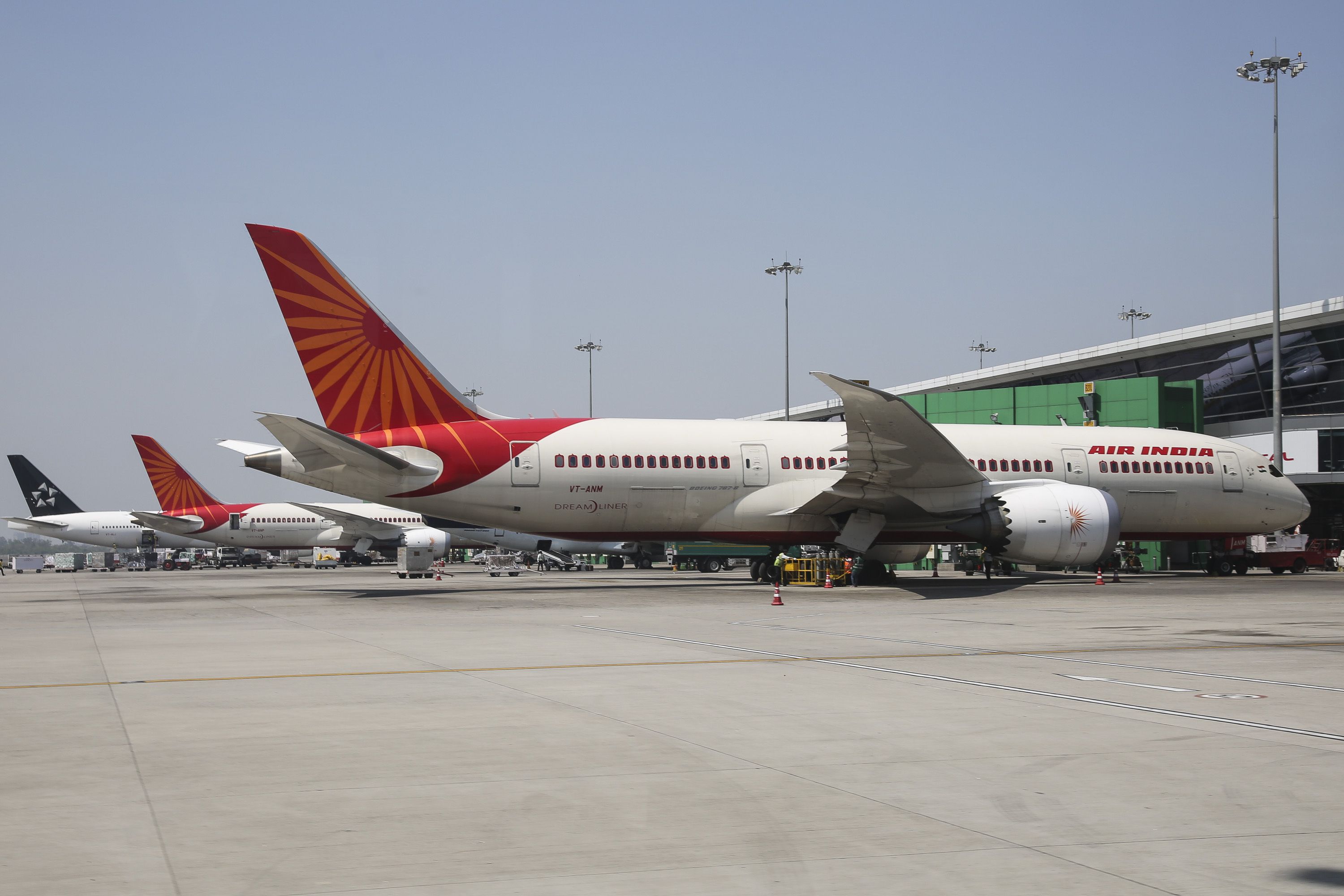
Air India is India’s premier full-service international airline, currently operated by the Tata Group. By 2026, the carrier has successfully integrated Vistara’s operations and completed its ambitious "Vihaan.AI" transformation, offering a modernized fleet of Airbus A350s and Boeing 777s, revamped cabin interiors, and an extensive global network connecting India to major financial and cultural hubs.
The Tata Legacy and the Vihaan.AI Transformation
The journey of Air India is one of the most significant turnarounds in aviation history. Founded originally as Tata Airlines in 1932 by J.R.D. Tata, the airline was nationalized in 1953. For decades, it served as the face of Indian hospitality, represented by the iconic "Maharajah" mascot. However, years of financial struggle and operational inefficiencies led the Indian government to privatize the carrier, with the Tata Group officially regaining control in January 2022.
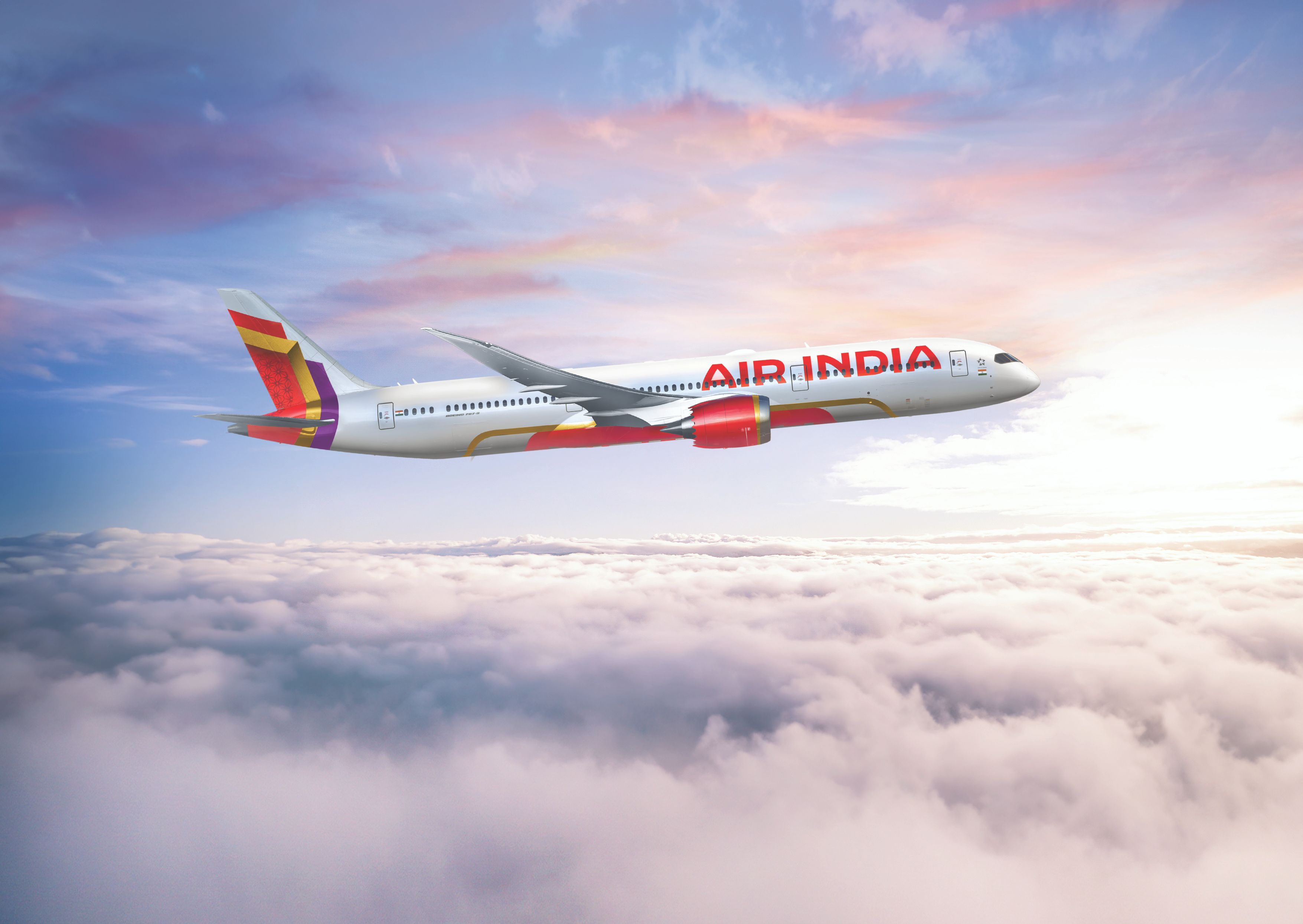
By 2026, the airline is in the final "Climb" phase of its five-year transformation roadmap, known as Vihaan.AI. This roadmap was designed to restore Air India’s position as a world-class global carrier. The strategy focused on five key pillars: exceptional customer experience, robust operations, industry-best talent, commercial efficiency, and a modernized fleet. The successful execution of this plan has allowed Air India to double its market share in both domestic and international segments, moving away from its legacy image toward a tech-driven, premium service provider.
The organizational restructuring involved a total overhaul of the technology stack, moving to cloud-based systems and utilizing artificial intelligence for flight planning, crew scheduling, and revenue management. This digital backbone ensures that by 2026, passengers experience seamless booking and real-time updates, significantly reducing the "friction points" that once plagued the airline’s customer service reputation.
The Modernized Fleet: A350s and the New Era of Long-Haul Travel
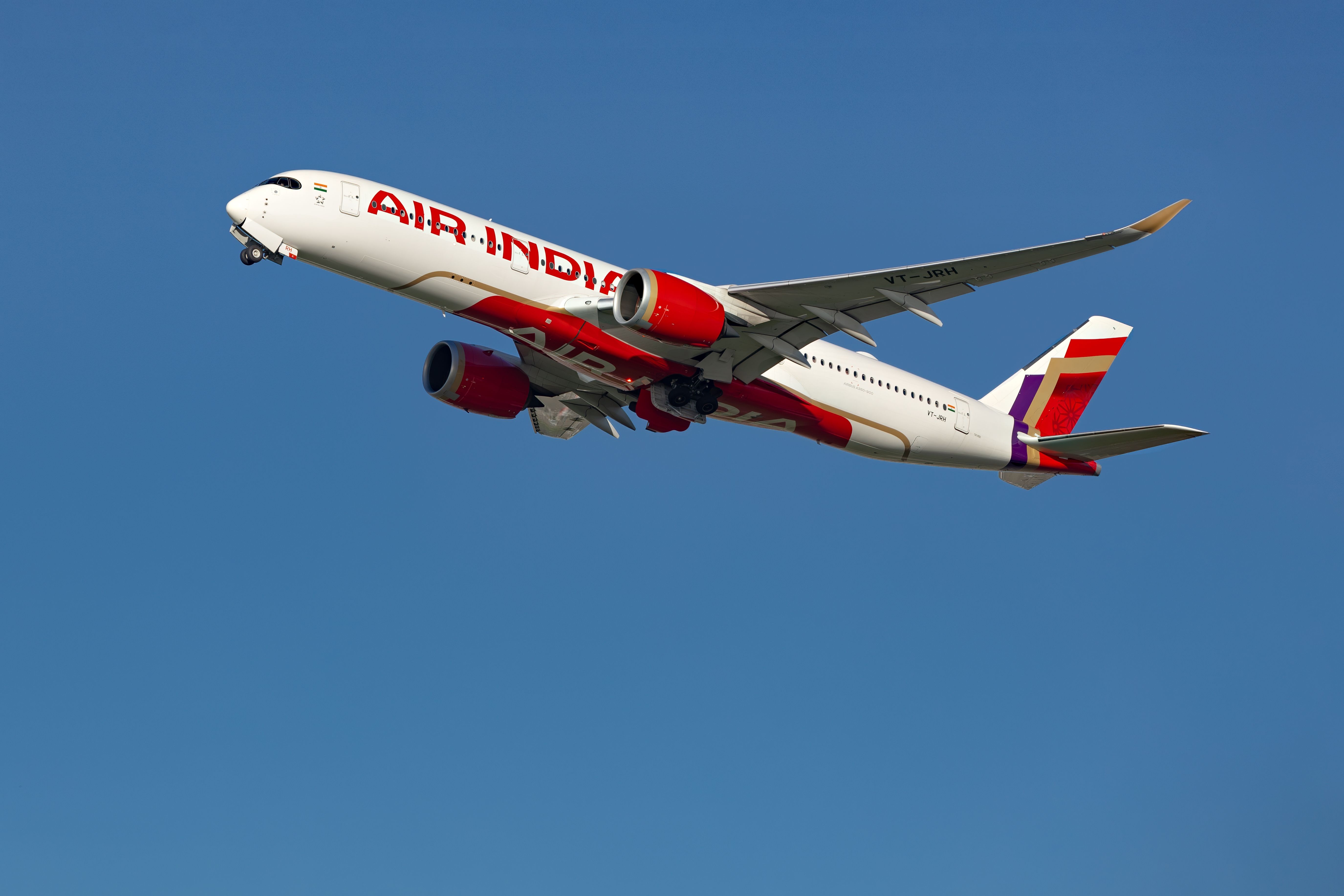
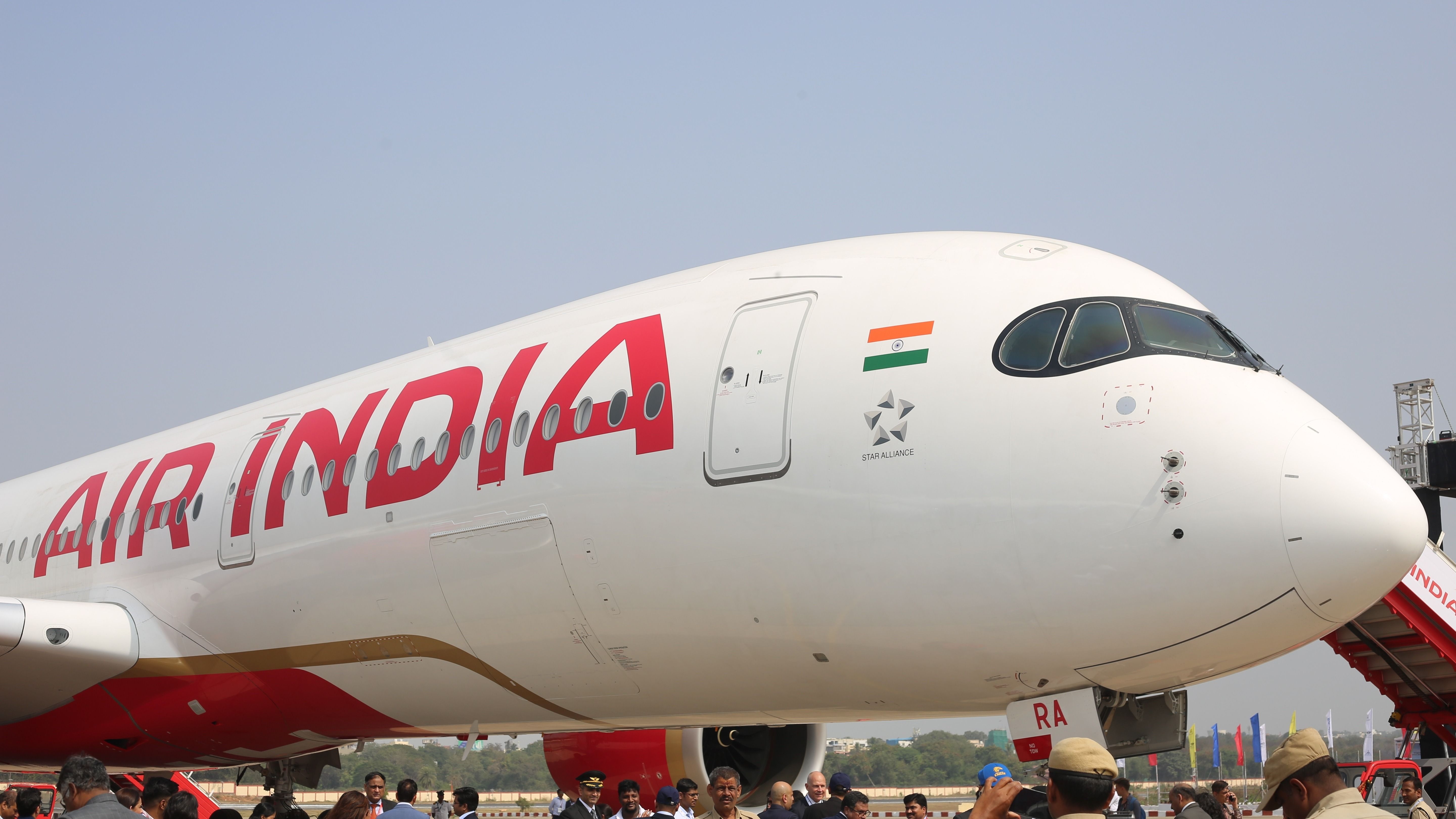
Central to the 2026 experience is the massive fleet expansion. Following a record-breaking order of 470 aircraft from Boeing and Airbus, Air India has replaced its aging airframes with fuel-efficient, next-generation models. The flagship of the fleet is now the Airbus A350-900 and A350-1000, which operate on major long-haul routes to North America, Europe, and Australia.
These aircraft are equipped with the latest Rolls-Royce Trent XWB engines, which offer 25% better fuel efficiency compared to previous generation aircraft. For the passenger, this translates to a quieter cabin and better humidity levels, reducing jet lag. Furthermore, the retrofitting program for the older Boeing 777-300ER and 787-8 Dreamliner fleet is now complete. Every long-haul aircraft in the Air India fleet now features a consistent product offering, including modernized seating, upgraded In-Flight Entertainment (IFE) systems, and on-board Wi-Fi.
The narrow-body fleet, consisting primarily of Airbus A320neo and A321neo aircraft, handles domestic and short-haul international routes (such as the Gulf and Southeast Asia). These planes offer a "Full Service" experience with hot meals and seat-back entertainment in many configurations, distinguishing Air India from the low-cost carriers (LCCs) that dominate the Indian domestic market.
Cabin Classes and In-Flight Service Standards
Air India has redefined its cabin hierarchy to compete with top-tier Middle Eastern and Asian carriers. In 2026, the airline offers four distinct classes on most international long-haul routes:
First Class: The Peak of Luxury
Available on select flagship routes (like New York, London, and San Francisco), the First Class cabin offers fully enclosed suites. Passengers enjoy world-class privacy, fine dining on demand, and premium bedding. The service reflects the legendary "Tata hospitality," combining traditional Indian warmth with modern luxury standards.
Business Class: The New Industry Standard
The "Vista" Business Class features a 1-2-1 configuration, ensuring direct aisle access for every passenger. The seats are full-flat beds with high-definition 17-inch touchscreens. Noise-canceling headphones, luxury amenity kits, and an expansive menu featuring both Indian regional specialties and international "Global" cuisine are standard.
Premium Economy: The Growing Middle Ground
Recognizing the demand for a middle-tier product, Air India has standardized Premium Economy across its long-haul fleet. This class offers extra legroom (usually a 38-inch pitch), dedicated check-in counters, and an enhanced meal service compared to Economy Class. It is specifically targeted at corporate travelers and leisure tourists seeking comfort without the Business Class price tag.
Economy Class: Comfort and Connectivity
Economy Class has seen significant improvements in ergonomics. Seats are designed for long-haul comfort with adjustable headrests and personal IFE screens. In 2026, the "Air India Play" system offers over 2,000 hours of content, including the latest Bollywood blockbusters, Hollywood hits, and live news.
Strategic Integration: The Merger with Vistara and Air India Express
A pivotal moment in the airline’s history was the completion of the merger with Vistara (a former joint venture between Tata and Singapore Airlines). By 2026, the Vistara brand has been fully integrated into Air India. This merger brought in Vistara’s renowned service culture and operational discipline, helping Air India elevate its standard across the board.
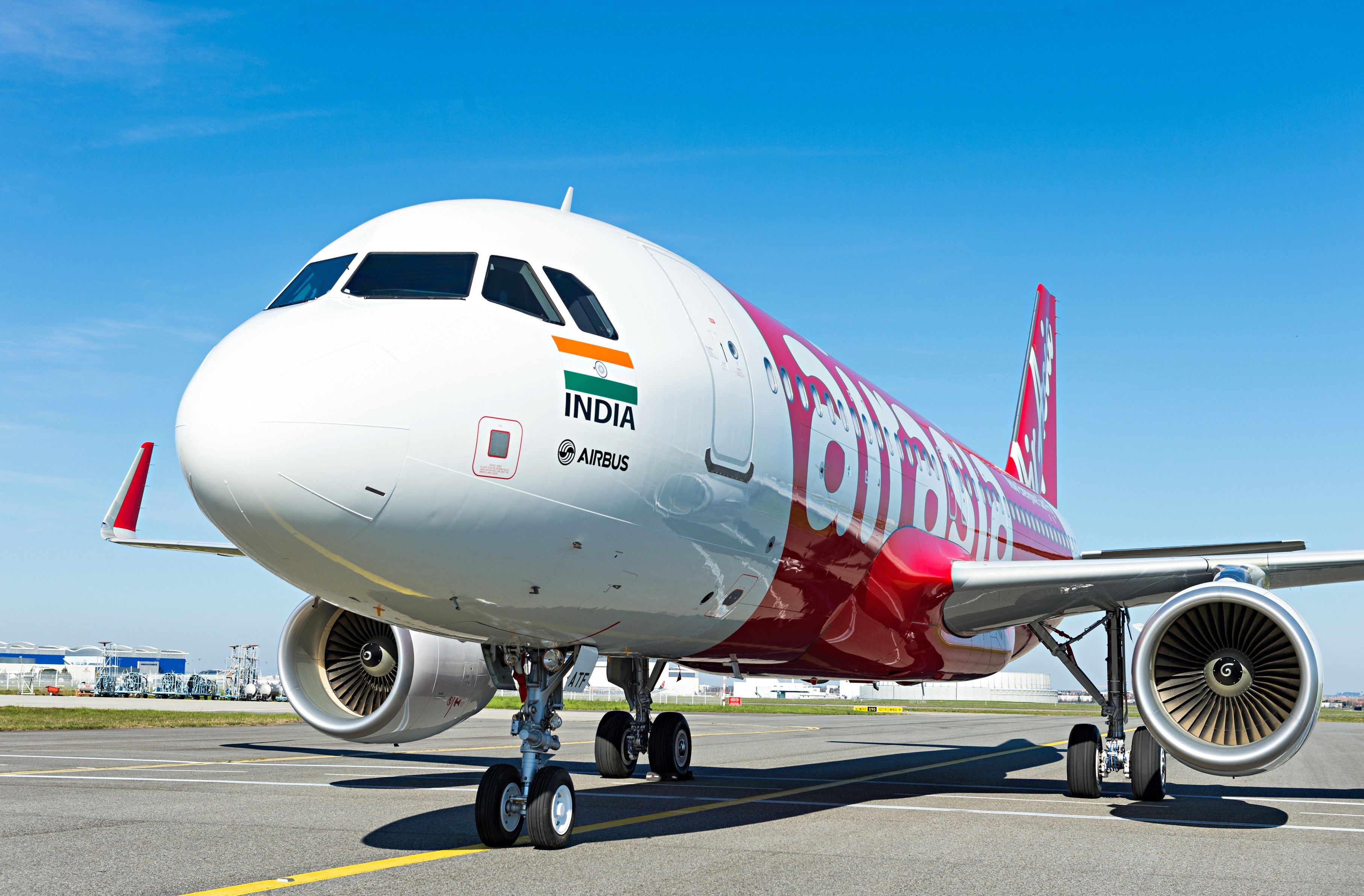
On the budget side, the airline consolidated Air India Express and AIX Connect (formerly AirAsia India) into a single low-cost entity under the Air India Express brand. This dual-brand strategy allows the group to dominate the market:
- Air India: A full-service carrier for premium domestic and global routes.
- Air India Express: A value carrier focusing on regional connectivity and short-haul international flights to the Middle East and Southeast Asia.
This synergy allows for seamless connectivity. A passenger can fly from a smaller Indian city on Air India Express and connect to an Air India flight to London or New York on a single PNR (Passenger Name Record), with baggage checked through to the final destination.
Booking, Baggage, and Fare Structure for 2026
Air India utilizes a "Branded Fares" model to provide passengers with flexibility based on their needs and budget. Whether traveling domestically within India or across continents, passengers can choose from various fare families.
| Fare Feature | Value | Comfort | Flex |
|---|---|---|---|
| Baggage (Domestic) | 15 kg - 20 kg | 20 kg - 25 kg | 25 kg+ |
| Seat Selection | Paid | Standard Included | All Seats Included |
| Change Fees | High | Moderate | Nil (only fare diff) |
| Refundability | Non-refundable | Partial Refund | Fully Refundable |
| Loyalty Points | 50% - 75% | 100% | 125% - 150% |
Note: Baggage allowances vary by route and cabin class. Always verify the specific allowance on your e-ticket.
For international travel, Air India generally follows a piece-based system for North America (usually 2 pieces of 23kg each in Economy) and a weight-based system for Europe, Australia, and Asia. As a member of Star Alliance, Air India offers reciprocal benefits to frequent flyers of other member airlines, including United Airlines, Lufthansa, and Singapore Airlines.
Flying Returns: Maximizing the New Loyalty Ecosystem
The Flying Returns program was completely overhauled in 2024 and 2025 to become more user-friendly and rewarding. In 2026, it operates on a spend-based model rather than just miles flown, meaning passengers earn more points for premium bookings.
The program is divided into four tiers:
- Red (Base): Entry-level membership with basic earning capabilities.
- Silver: Offers priority waitlisting and extra baggage allowance.
- Gold (Star Alliance Gold): Provides lounge access across the Star Alliance network, priority boarding, and additional baggage.
- Platinum: The highest tier, offering upgrade vouchers, dedicated relationship managers, and "bypass" status for customer service queues.
Points can be redeemed for "Reward Seats," which have become more accessible due to the increased seat inventory from the new aircraft. Members can also use a "Cash + Points" option to reduce the cost of their tickets.
Frequently Asked Questions
Is Air India still a government-owned airline?
No, Air India is entirely privately owned by the Tata Group. The privatization was completed in early 2022, and the airline now operates as a commercial entity under the management of Tata’s aviation wing, which also includes Air India Express.
Does Air India provide free meals on all flights?
As a full-service carrier, Air India provides complimentary hot meals and beverages (including alcoholic beverages on most international routes) to all passengers. This distinguishes them from low-cost carriers where food must be purchased separately.
What is the baggage allowance for Air India international flights?
Baggage allowances depend on the destination. For flights to the USA and Canada, the allowance is typically two pieces of 23kg each in Economy. For other international destinations, it usually ranges from 30kg to 45kg depending on the fare class. Always check the official Air India baggage portal for the most current rules.
How do I manage my booking or check-in online?
Passengers can manage their booking via the Air India mobile app or website. Online check-in typically opens 48 hours before departure and closes 60 to 90 minutes before the flight, depending on whether it is a domestic or international journey.
Is Vistara still flying in 2026?
By 2026, the Vistara brand has been sunsetted and fully merged into Air India. All former Vistara aircraft, staff, and routes now operate under the Air India name, though the high service standards associated with Vistara have been integrated into the "New Air India" experience.
Navigating Your Next Flight with Air India
When planning travel in 2026, passengers should prioritize booking through the official Air India app to take advantage of "App-Only" fare discounts and seamless management of loyalty points. If you are traveling long-haul, look specifically for flights operated by the Airbus A350 to experience the pinnacle of the airline's new cabin products.
For business travelers, the "Flex" fare remains the most prudent choice, providing the ability to change flights without heavy penalties—a crucial feature in the dynamic global business environment. Always ensure that your Flying Returns number is linked at the time of booking to ensure you receive Star Alliance Gold benefits, such as lounge access and priority handling, which significantly enhance the airport experience at major hubs like Delhi’s Terminal 3 or Mumbai’s Terminal 2.