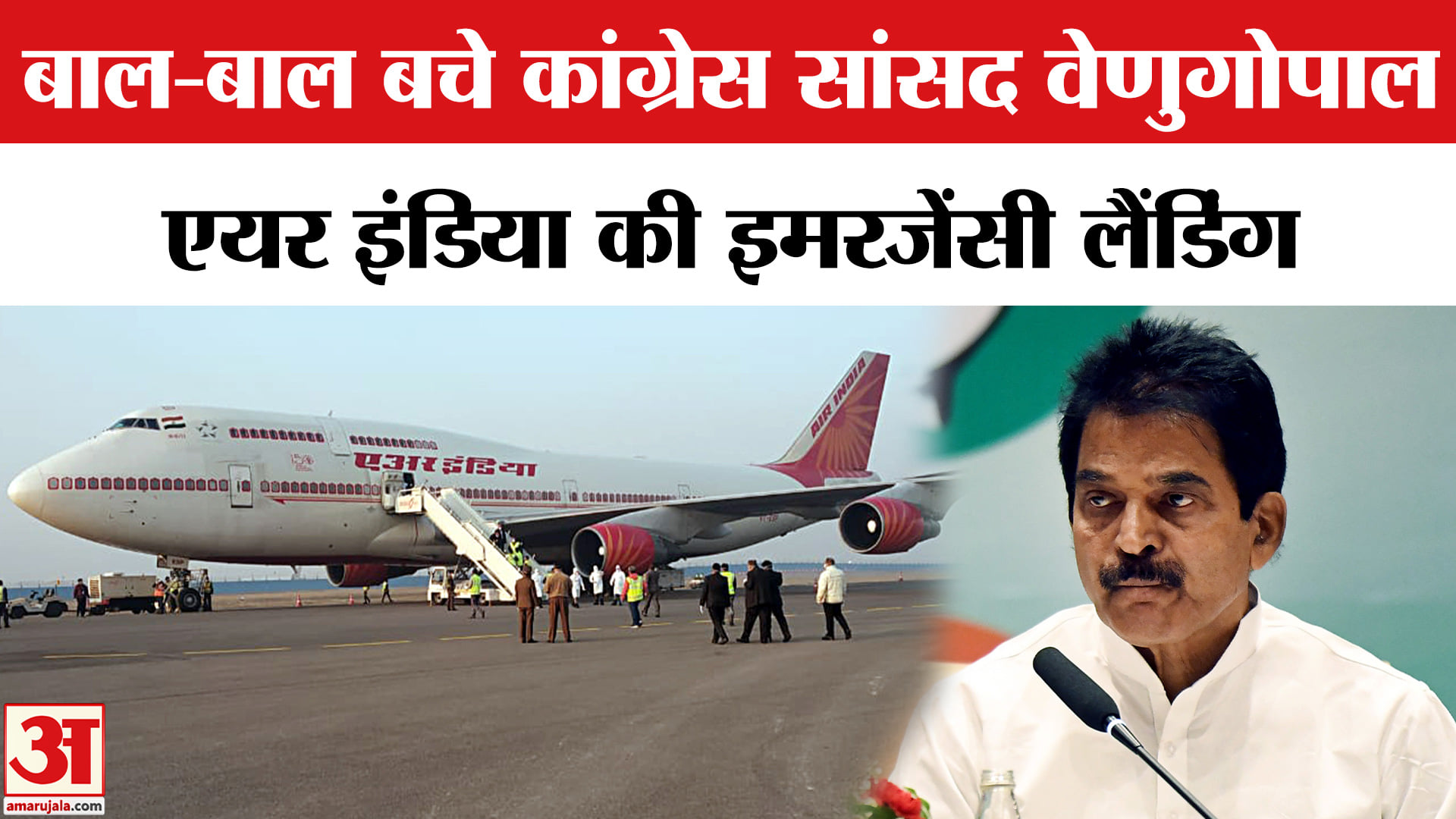
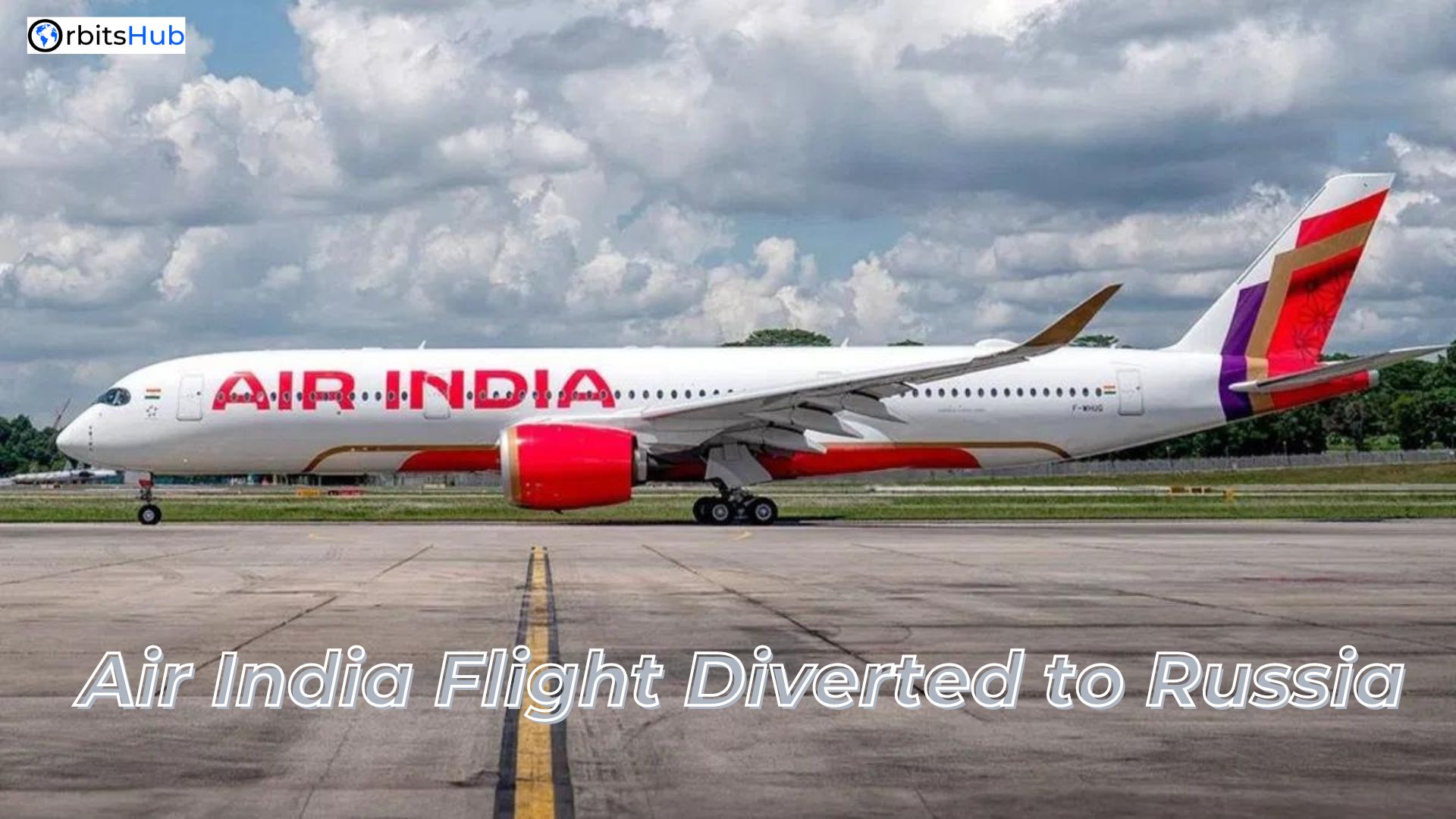
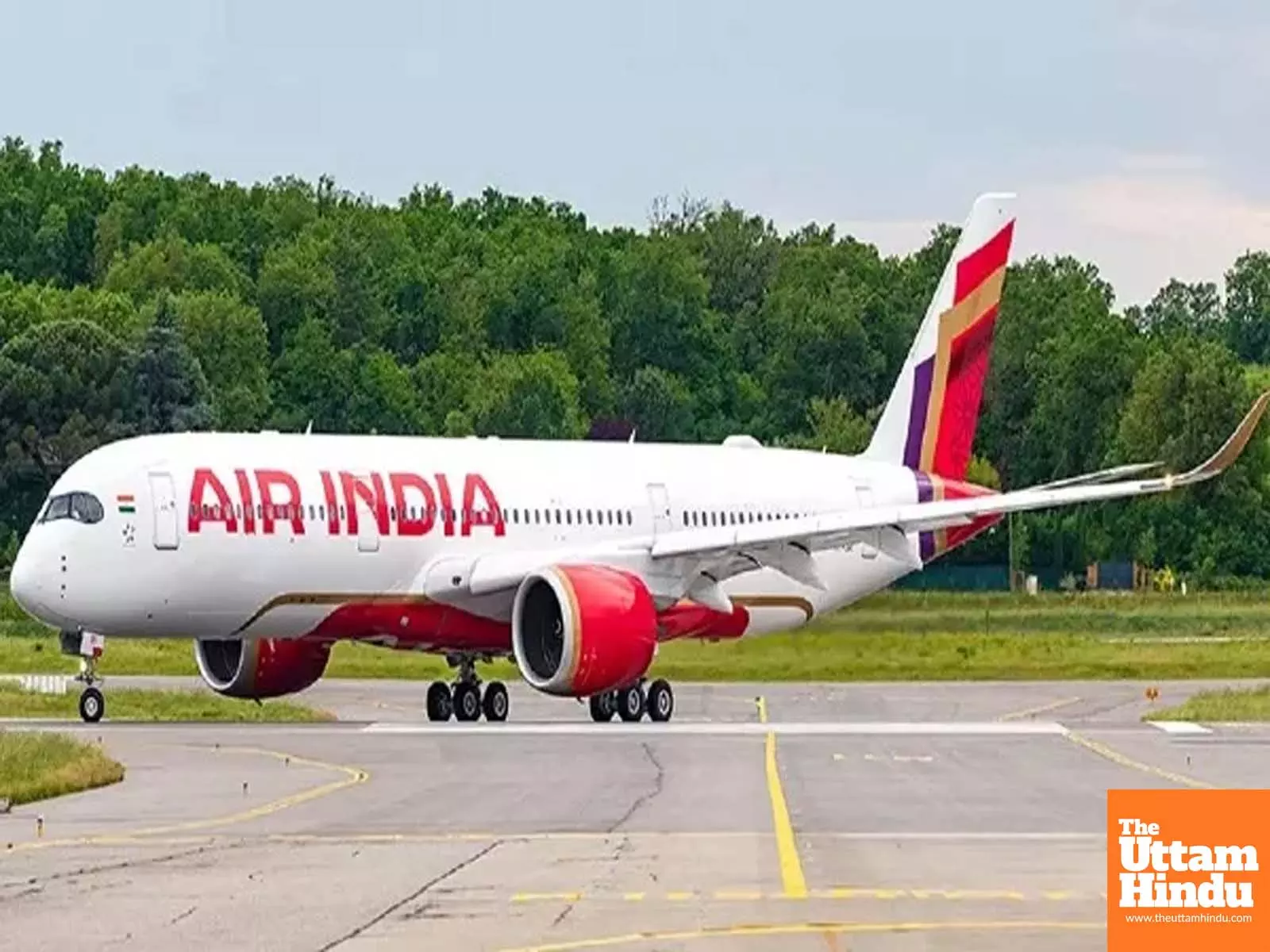
As of 2026, Air India has significantly stabilized its operational reliability following a massive fleet renewal and the integration of Vistara’s safety protocols. While technical diversions and precautionary emergency landings still occur—consistent with global aviation statistics—the frequency of legacy-related snags has dropped by nearly 40% compared to the 2022–2023 transition period. The airline now operates under a unified Safety Management System (SMS) that prioritizes predictive maintenance over reactive repairs.
Analyzing Recent Air India Emergency Landings and Technical Diversions
In the aviation industry, the term "emergency landing" is often used broadly by the media to describe two distinct scenarios: a Precautionary Landing and a Full Emergency. In the context of Air India’s recent operations in 2025 and early 2026, the majority of "latest incidents" reported involve precautionary diversions triggered by sophisticated onboard sensors.
Modern aircraft, such as the Airbus A350 and Boeing 787-9 which now form the backbone of Air India’s long-haul fleet, are equipped with Health and Usage Monitoring Systems (HUMS). These systems can detect minute fluctuations in oil pressure, exhaust gas temperature, or vibration levels. When a sensor detects a parameter outside of the narrow "normal" range, the flight crew is mandated by the airline’s Standard Operating Procedures (SOPs) to divert to the nearest suitable airport. This is often labeled an "emergency landing" by observers, but from a safety standpoint, it represents the system working correctly to prevent a failure before it occurs.
Historically, Air India faced scrutiny for incidents involving its older Boeing 777-200LR fleet, including high-profile diversions to remote locations like Magadan, Russia, and Krasnoyarsk. By 2026, these aging airframes have been largely phased out or completely retrofitted, significantly reducing the "technical snag" rate that plagued the airline during its initial post-privatization years.
Evolution of Air India’s Safety Framework Under Tata Management
The transition of Air India from a state-run entity to a Tata Group flagship involved more than just a change in branding; it required a total overhaul of the safety culture. The implementation of the Vihaan.AI transformation plan, which concluded its final phase in late 2025, established a centralized Integrated Operations Control Center (IOCC) in Gurugram.
This center acts as the "brain" of the airline, monitoring every flight in real-time. By utilizing big data analytics, the safety team can identify patterns in technical snags across the fleet. For instance, if multiple aircraft of a specific type show similar sensor alerts, the airline can issue a fleet-wide inspection before the regulator (DGCA) even mandates it. This proactive approach is a departure from the "fly-to-fail" mentality that sometimes affects struggling carriers.
Furthermore, the merger with Vistara brought in a rigorous safety pedigree influenced by Singapore Airlines’ standards. The "Vistara Way" of cockpit resource management (CRM) has been standardized across the unified Air India pilot body, ensuring that in the event of an emergency, the communication between the Captain and the First Officer follows the highest international benchmarks.
Fleet Modernization and its Impact on Operational Reliability
A primary cause of emergency landings in previous years was the "aging fleet" syndrome. Older aircraft require more intensive maintenance and are more prone to hydraulic leaks or electrical glitches. Air India’s historic order of 470 aircraft from Boeing and Airbus has fundamentally changed this dynamic.
The Role of New Technology
- Airbus A350-900/1000: These aircraft utilize carbon-fiber reinforced plastic (CFRP) structures which are not susceptible to the same fatigue and corrosion issues as older aluminum models. Their Rolls-Royce Trent XWB engines are among the most reliable in the world, with significantly longer "time on wing" before requiring overhauls.
- Boeing 737 MAX: For short and medium-haul routes, the new MAX fleet provides enhanced digital cockpit displays that provide pilots with clearer situational awareness during an emergency, reducing the cognitive load during critical flight phases.
By 2026, the average age of Air India’s active fleet has dropped to approximately 6.5 years, placing it among the youngest fleets of any major global carrier. This young age is a primary factor in the decreasing trend of unscheduled landings and technical diversions.
Understanding Emergency Landing Protocols: What Happens Onboard?
When an Air India flight crew declares an emergency (often signaled to Air Traffic Control by "Squawking 7700"), a highly choreographed sequence of events begins. Understanding these steps can alleviate passenger anxiety during such incidents.
- Identification and Verification: The cockpit crew identifies the fault via the Electronic Centralized Aircraft Monitor (ECAM) or Engine Indicating and Crew Alerting System (EICAS). They must verify the fault—false alarms are rare but possible.
- Checklist Execution: The pilots use Quick Reference Handbooks (QRH) to manage the specific issue. For example, if there is smoke in the cabin, a specific set of actions is taken to isolate the electrical source and ventilate the aircraft.
- Communication: The "Mayday" or "Pan-Pan" call is made. A "Mayday" indicates immediate danger to the aircraft, while "Pan-Pan" indicates a serious but not immediately life-threatening situation (like a passenger medical emergency or a non-critical technical failure).
- Cabin Preparation: Flight attendants are trained to prepare the cabin for a "short-notice" or "planned" emergency landing. This involves securing all loose objects, ensuring seats are upright, and briefing passengers on the "Brace" position.
- Ground Support: At the diversion airport, emergency services (ARFF - Airport Rescue and Firefighting) are positioned along the runway as a standard precaution, even if the landing is expected to be routine.
| Feature | Precautionary Diversion | Full Emergency Landing |
|---|---|---|
| Trigger | Minor technical glitch or sensor alert | Critical system failure or fire |
| ATC Status | Priority landing requested (Pan-Pan) | Immediate priority (Mayday) |
| Passenger Action | Normal landing procedures usually apply | Brace position may be required |
| Ground Response | Standby fire services | Active deployment of emergency teams |
| Post-Flight | Inspection and possible repair | Mandatory investigation by AAIB/DGCA |
Regulatory Oversight: The Role of DGCA and IATA
Air India’s safety updates are not self-policed; they are subject to intense scrutiny by the Directorate General of Civil Aviation (DGCA) in India and international bodies like the International Air Transport Association (IATA).
In 2024 and 2025, the DGCA conducted several "spot checks" and night audits of Air India’s maintenance facilities. These audits are designed to ensure that the airline is not cutting corners to meet its aggressive growth targets. Air India has also maintained its IATA Operational Safety Audit (IOSA) registration, which is a global benchmark for airline safety management.
One of the most critical updates in 2026 is the implementation of the Risk-Based Oversight (RBO) framework by the DGCA. Instead of routine annual inspections, the regulator now uses data-driven metrics to monitor airlines. If Air India shows a spike in emergency landings at a specific hub, the DGCA increases its surveillance of the maintenance teams at that location immediately.
Modernizing Maintenance, Repair, and Overhaul (MRO) Capabilities
A significant factor in preventing emergency landings is the quality of ground maintenance. For decades, Air India relied on older, sometimes fragmented MRO facilities. In 2026, the airline has fully operationalized its state-of-the-art MRO hangars in Bangalore and Hyderabad.
These facilities are certified by both the FAA (USA) and EASA (Europe), allowing Air India to perform "heavy maintenance" (C-checks and D-checks) in-house with world-class precision. By controlling the entire maintenance chain, the airline ensures that the "latest incident" reported in the news is an outlier rather than a symptom of systemic neglect. The use of "Digital Twins"—virtual models of aircraft engines—allows engineers to predict when a component might fail and replace it during scheduled ground time, rather than mid-flight.
FAQ: Air India Safety and Emergency Incidents
Is it safe to fly with Air India in 2026?
Yes, Air India’s safety profile is now on par with major international carriers. The combination of a new fleet, Tata Group’s corporate governance, and rigorous DGCA oversight has mitigated many of the legacy issues. Emergency landings are rare and handled with high professional standards.
Why do I still see news about Air India emergency landings?
Aviation news receives significant public attention. Due to Air India’s massive scale (operating hundreds of flights daily), the statistical probability of a technical diversion occurring somewhere in the network is high. Most of these are precautionary and demonstrate the airline’s "safety-first" commitment.
What is "Squawk 7700" and should I be worried?
"Squawk 7700" is a transponder code that tells Air Traffic Control that a flight has an emergency. It does not always mean the plane is in danger; it is a tool used by pilots to clear the path for a quick landing, whether for a technical issue or a medical emergency on board.
How has the Vistara merger affected Air India’s safety?
The merger has been a net positive for safety. Vistara’s safety protocols, which were heavily influenced by Singapore Airlines, have been adopted as the standard for the entire Air India Group. This includes enhanced pilot training and stricter maintenance intervals.
What should I do if my flight makes an emergency landing?
The most important action is to follow the instructions of the cabin crew without hesitation. Air India cabin crew undergo rigorous annual safety training (SEP) to handle evacuations and onboard emergencies. Stay calm, keep your seatbelt fastened, and leave all carry-on luggage behind if an evacuation is ordered.
Practical Recommendations for Travelers
While Air India has made monumental strides in safety, passengers should always remain proactive about their own security. Always pay attention to the pre-flight safety demonstration, even if you are a frequent flyer, as exit locations vary between the A350, B787, and B777 aircraft. In the event of a diversion, the airline is responsible for providing meals and alternative transportation or accommodation if the delay is significant.
For real-time updates on a specific flight’s status, utilize the official Air India mobile app, which now includes live tracking and direct notifications regarding technical delays or gate changes. If you are concerned about the "latest incident," you can review the airline's safety rating on independent platforms like AirlineRatings.com or check official DGCA safety reports for verified data rather than relying on social media speculation.