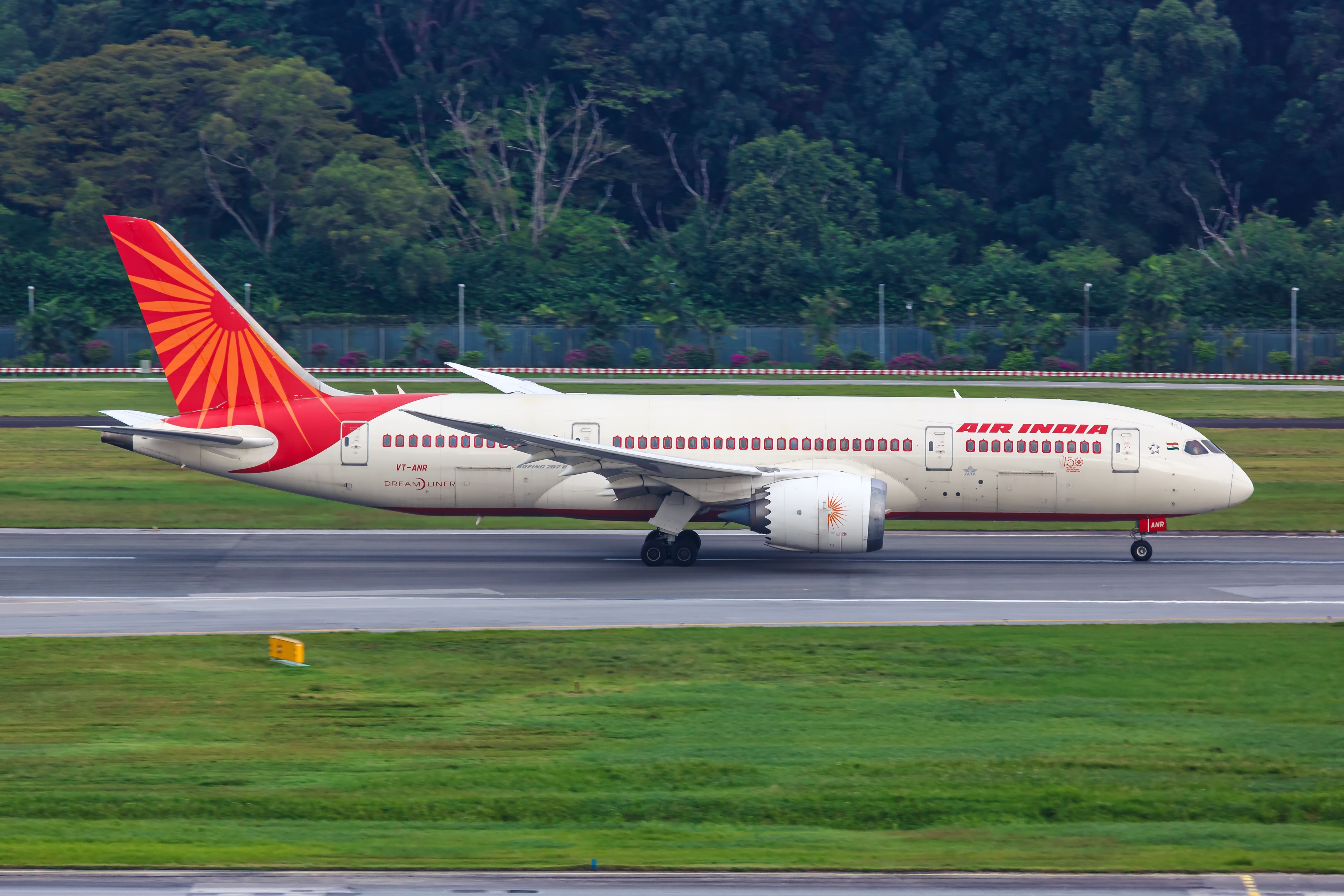
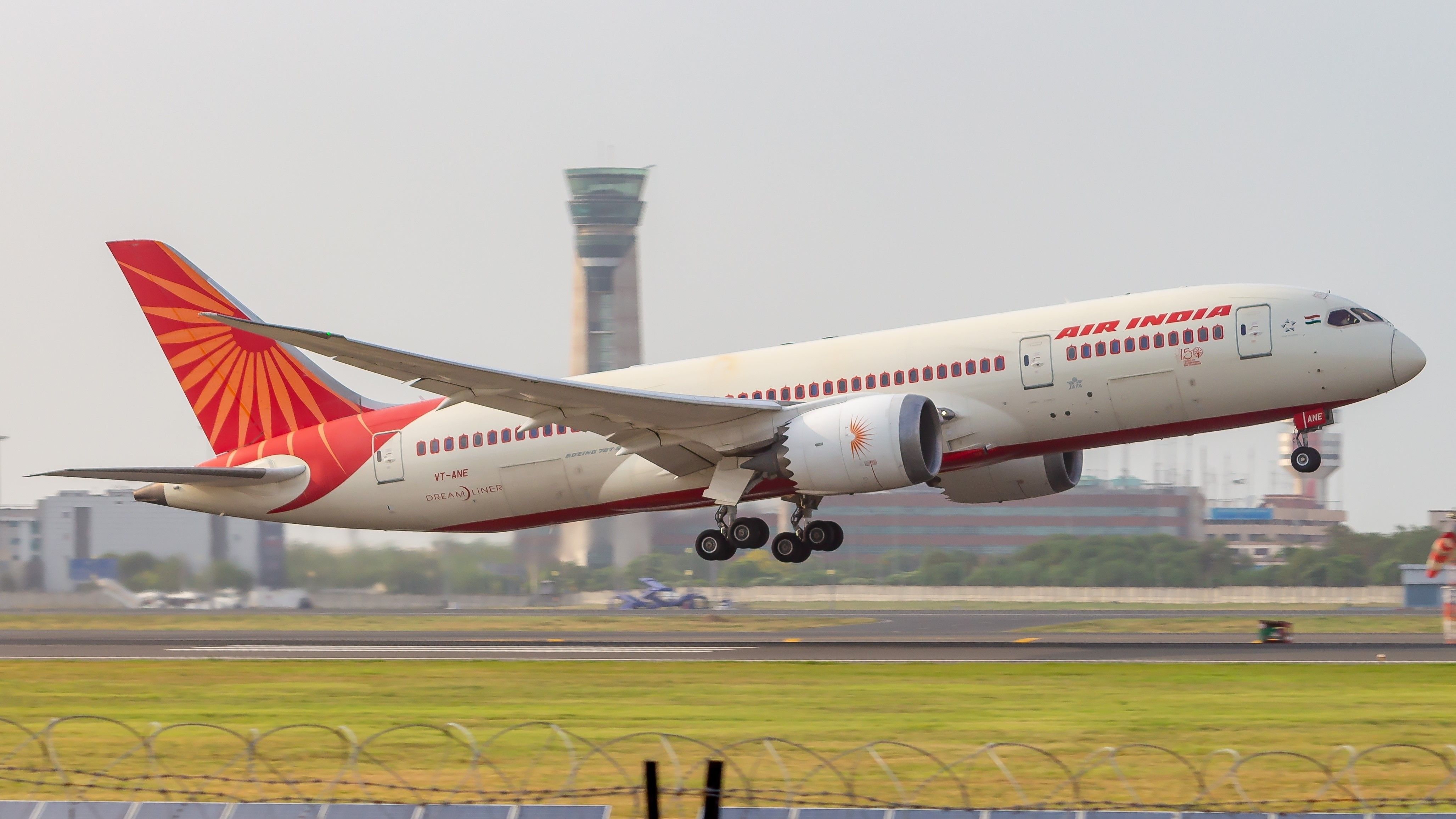
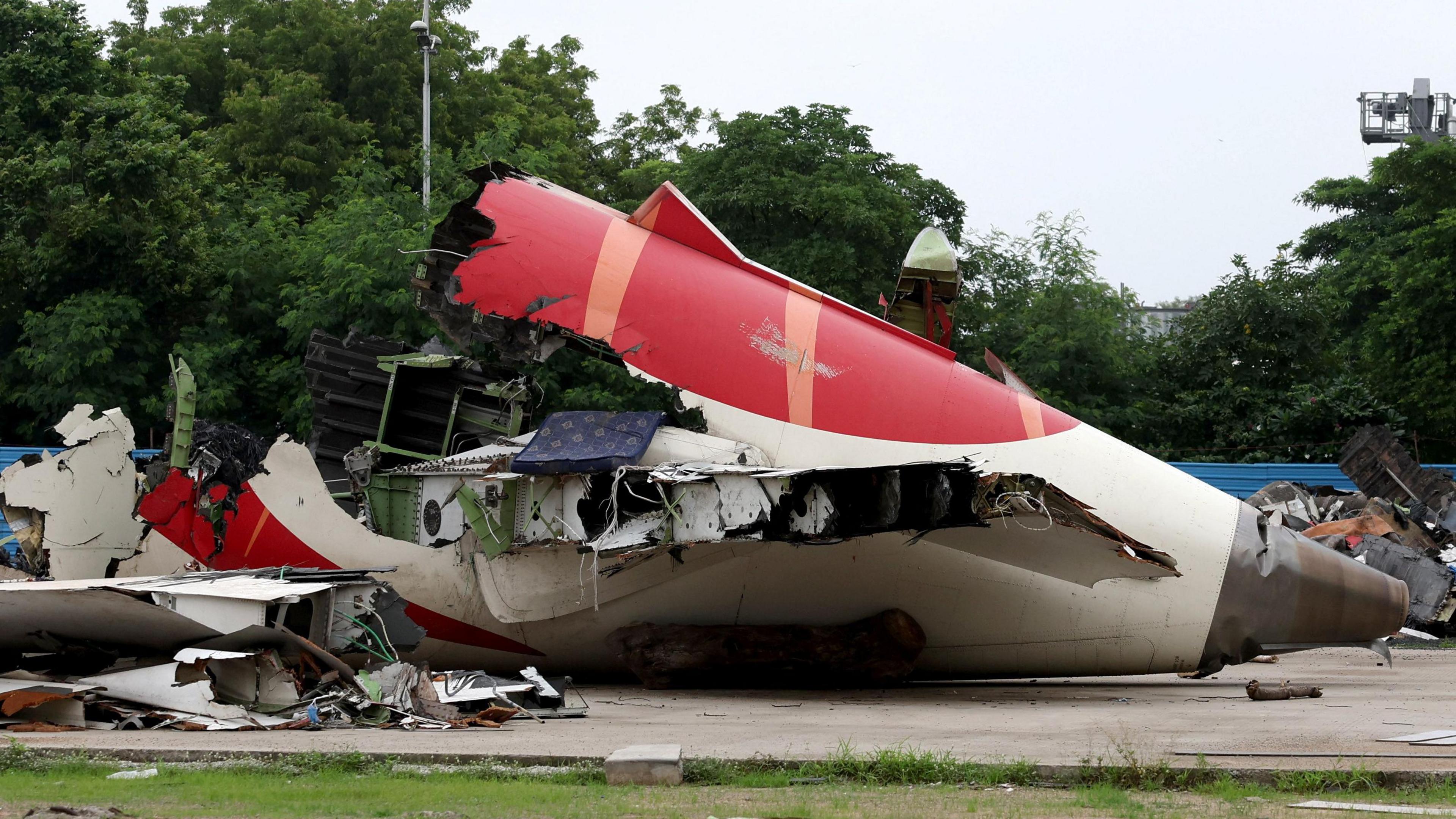
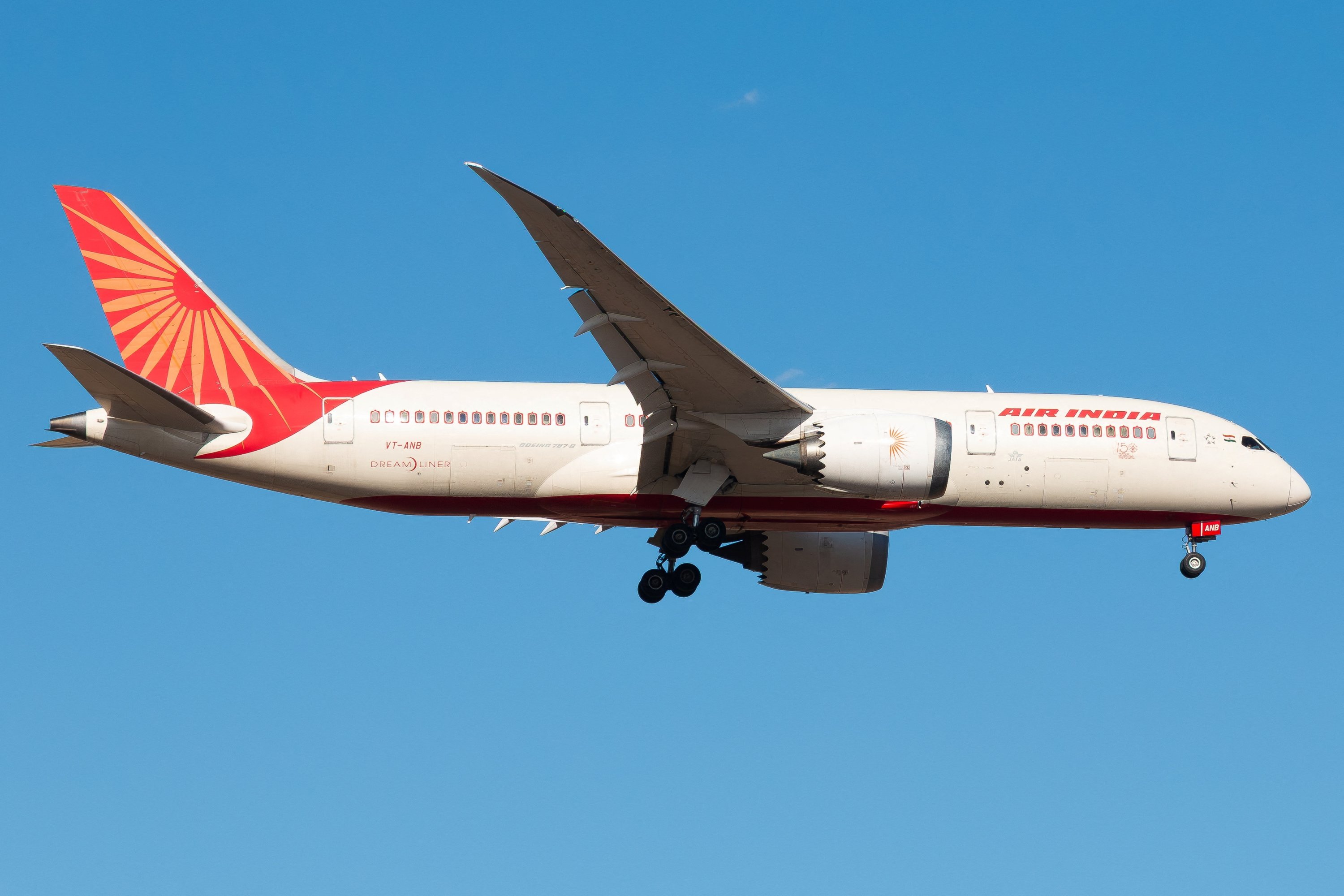
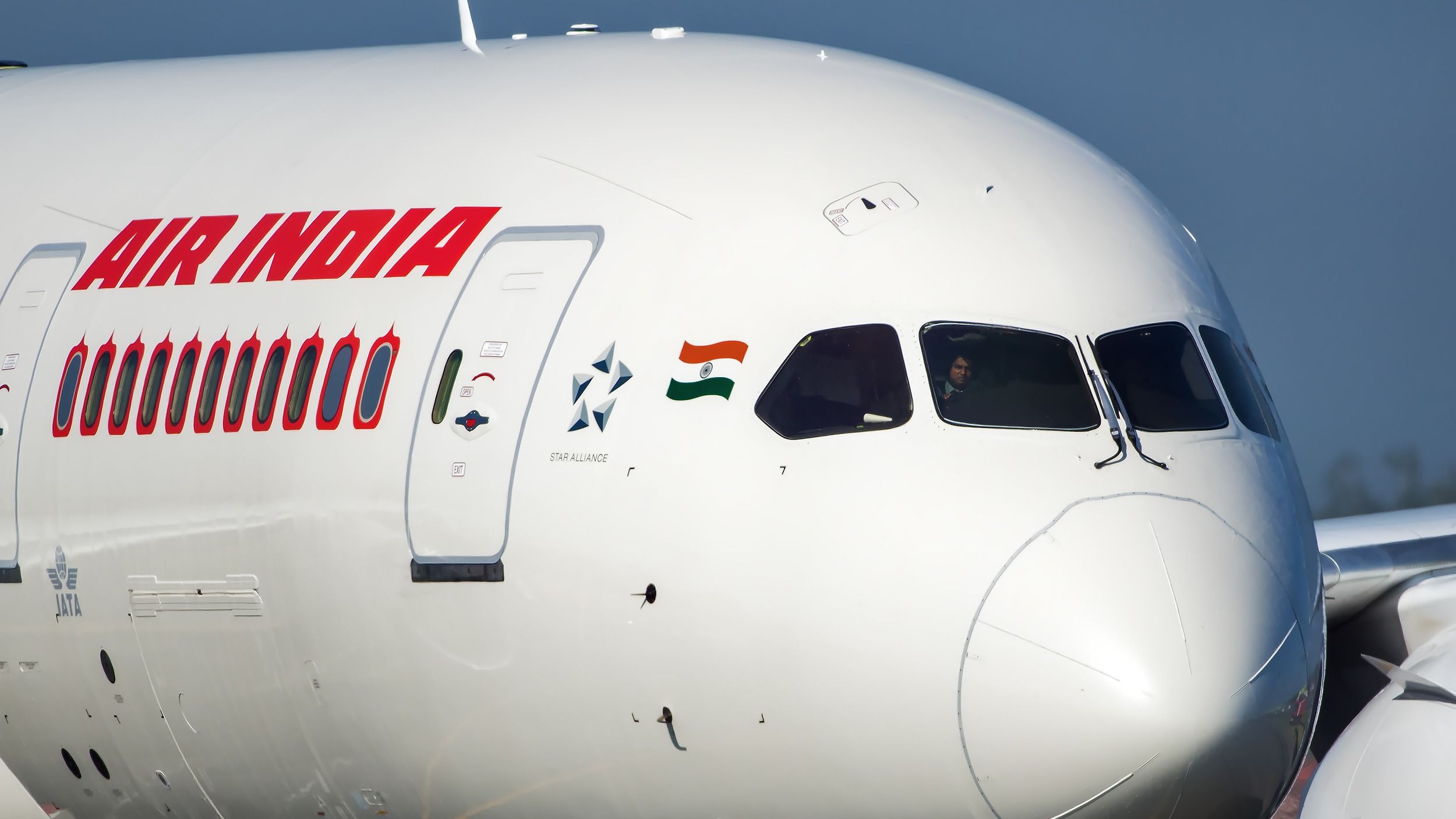
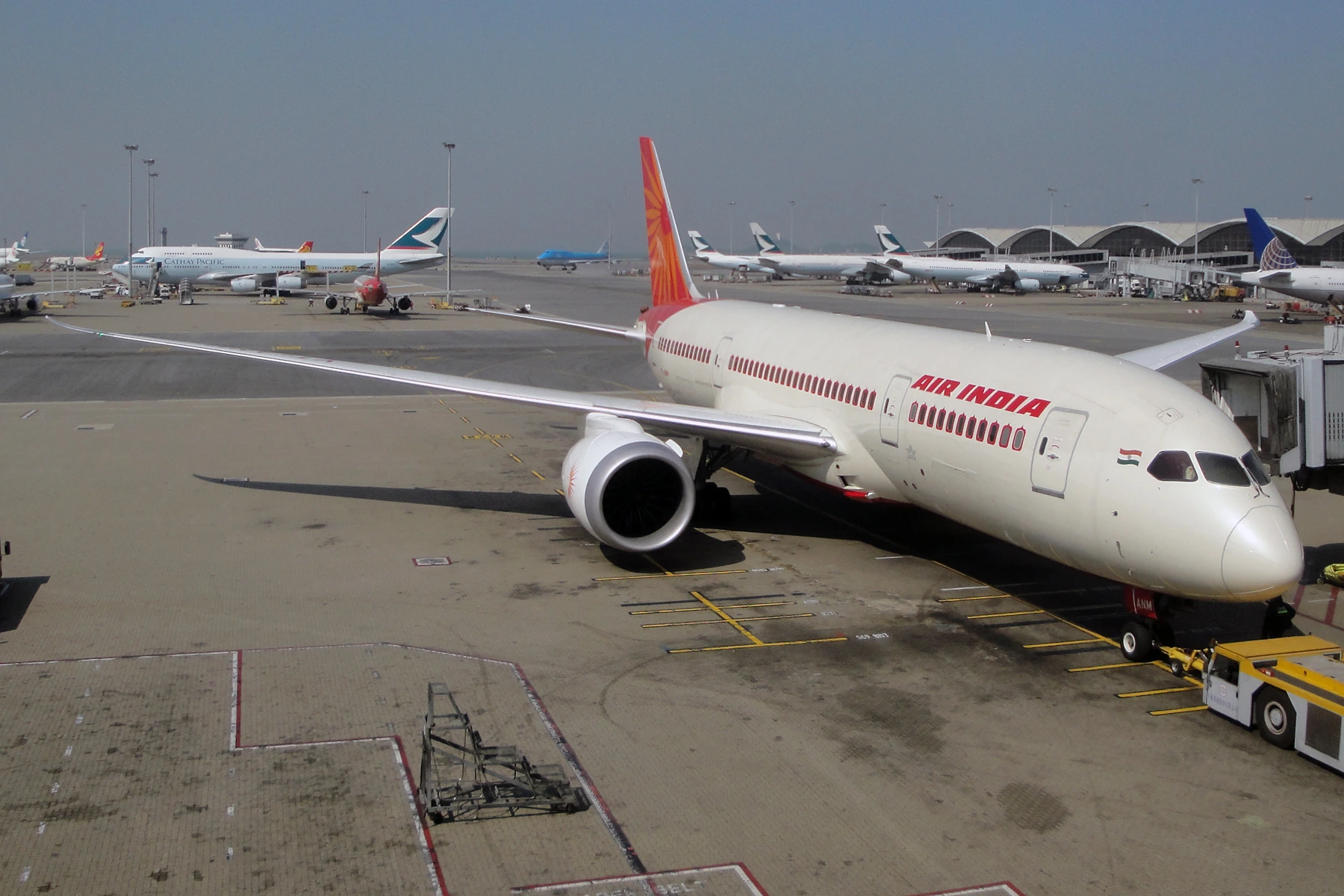
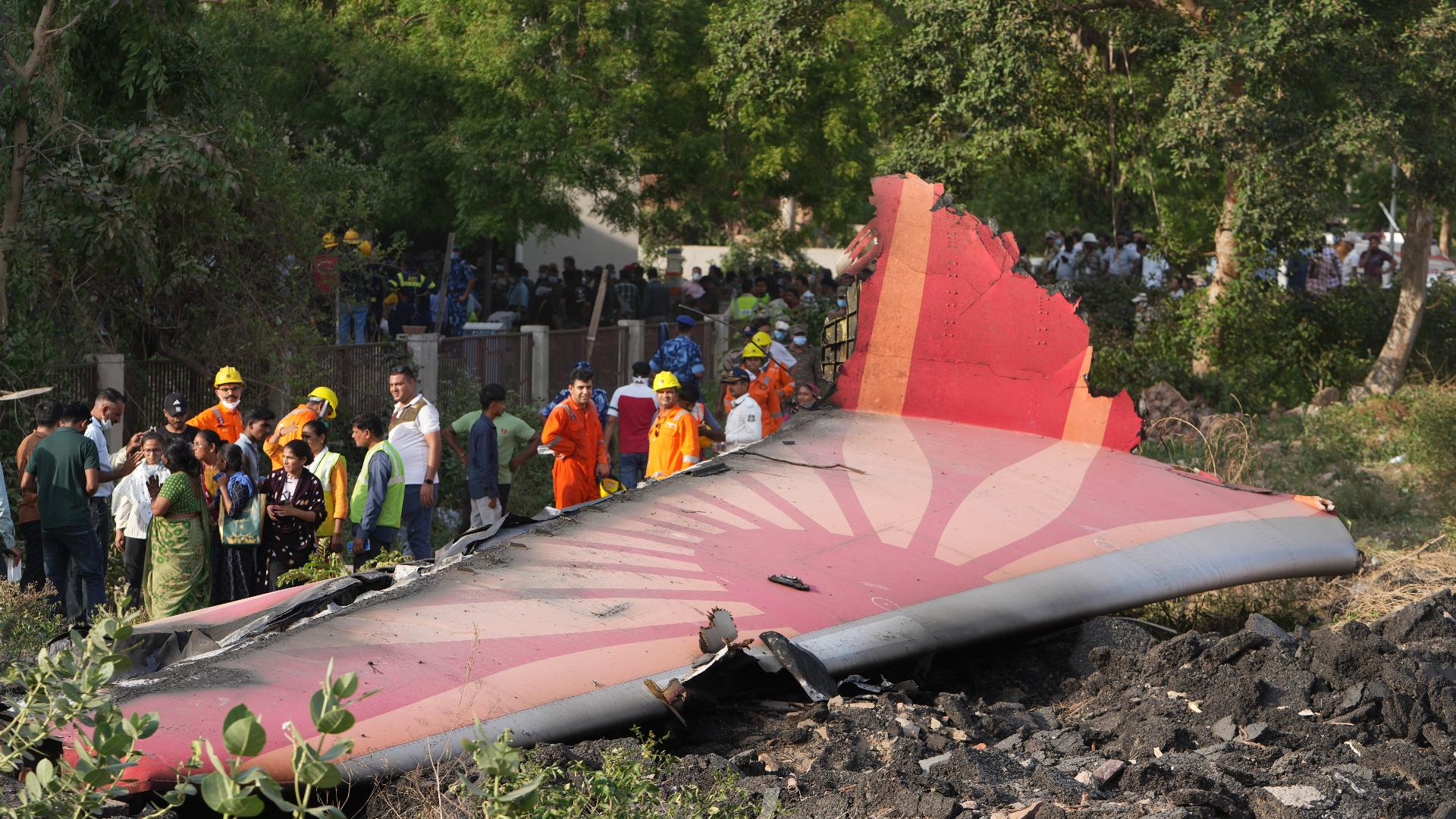
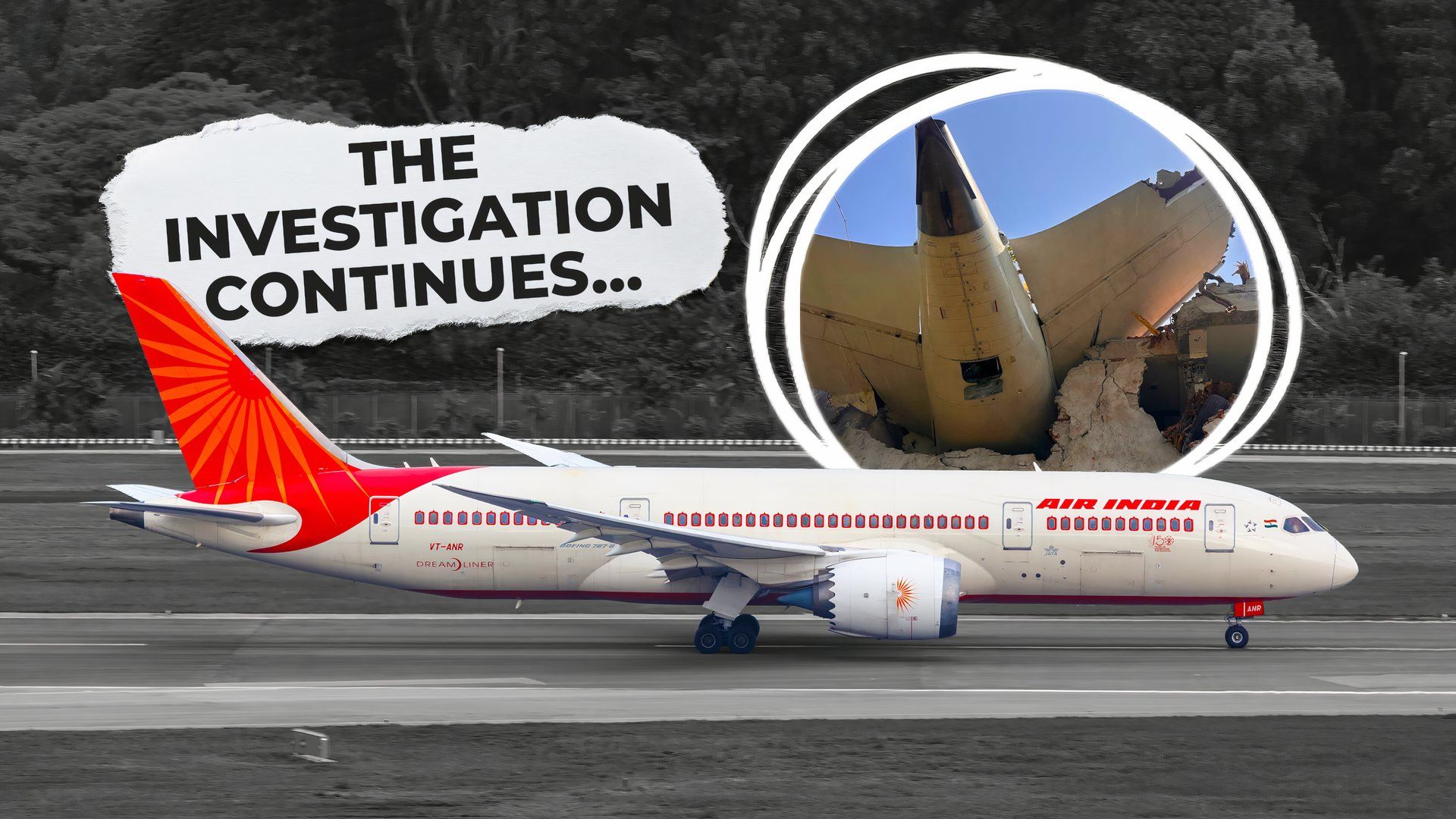
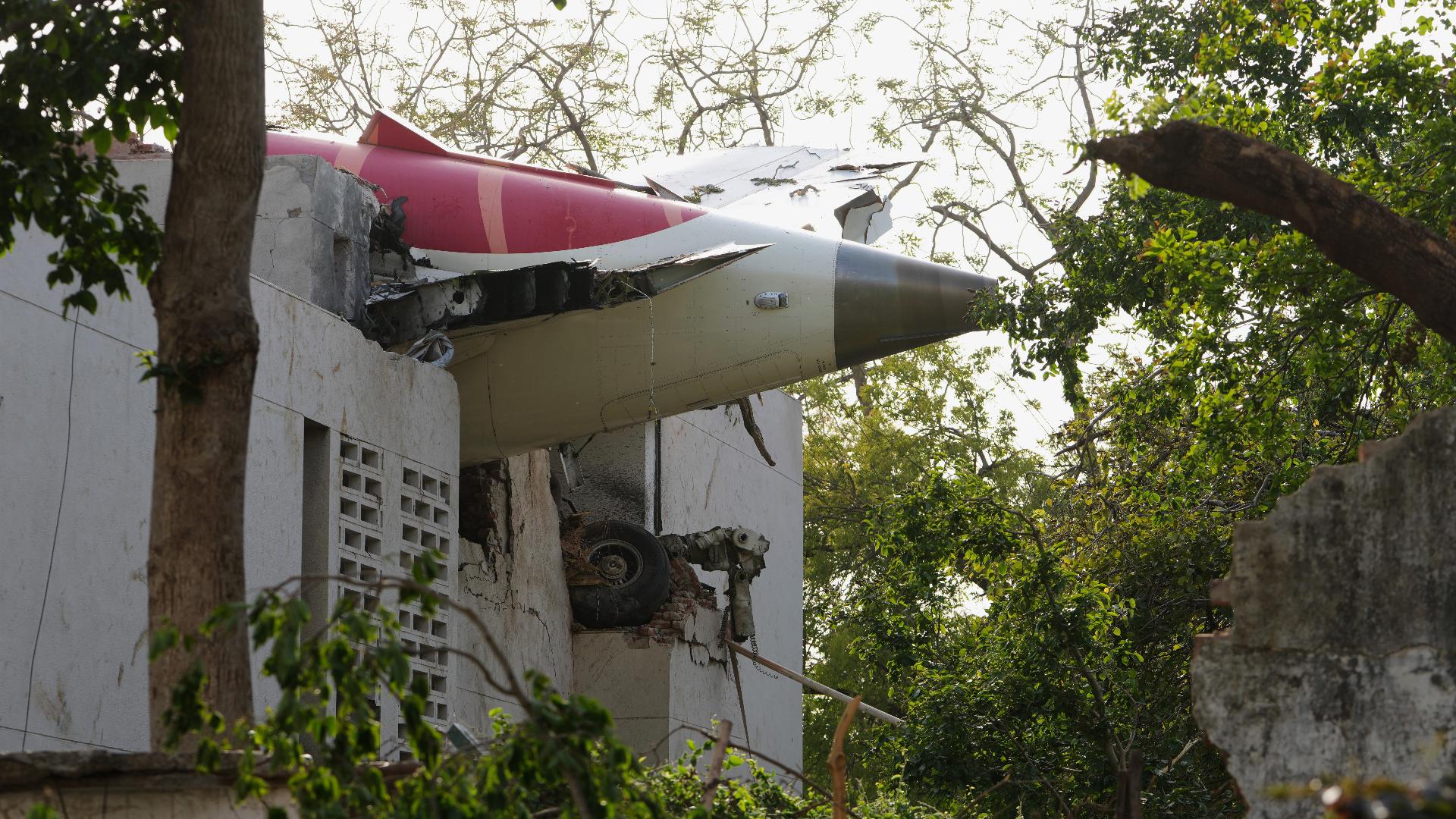
As of 2026, there has been no recorded hull loss or fatal crash involving an Air India Boeing 787 Dreamliner. While the fleet has faced several high-profile technical diversions and regulatory audits between 2023 and 2025, the aircraft remains a cornerstone of Air India’s long-haul operations with an improved safety reliability rating following the implementation of the "Vihaan.AI" maintenance transformation.
The Safety Profile of Air India’s Boeing 787 Fleet
The Boeing 787 Dreamliner is a wide-body, twin-engine jetliner that utilizes a high percentage of composite materials in its airframe. Air India was one of the early adopters of the 787-8 variant, integrating it into its fleet to replace aging Boeing 777-200LRs and 747s. Since the Tata Group took control of Air India, the safety protocols surrounding this specific fleet have undergone significant modernization.
In 2026, the global safety record for the Boeing 787 remains among the highest in aviation history. However, for Air India, the journey has been marked by "technical snags"—a term often used by the Directorate General of Civil Aviation (DGCA) to describe non-fatal mechanical or electronic failures. These incidents often trigger public concern, leading to search queries regarding "crashes" when, in fact, the events were controlled emergency diversions or precautionary landings.
The distinction between an "accident" (involving hull damage or injury) and an "incident" (a technical failure that does not result in serious damage) is crucial. Air India's 787 fleet has maintained a zero-fatality record, but it has been the subject of several Serious Incident Reports (SIR) issued by the Aircraft Accident Investigation Bureau (AAIB) of India.
Analysis of Recent Major Technical Incidents
To understand the current safety landscape in 2026, one must examine the pivotal incidents that shaped today's maintenance protocols. Most notable were the diversions related to engine performance and cockpit instrumentation.
The Magadan Diversion and Its Aftermath
In June 2023, an Air India Boeing 787-8 (VT-ALH) flying from Delhi to San Francisco developed a technical issue with one of its engines, necessitating an emergency diversion to Magadan, Russia. While the aircraft landed safely, the incident highlighted the challenges of operating twin-engine aircraft on trans-polar routes. The subsequent investigation focused on the GEnx-1B engine's oil pressure sensors. By 2026, Air India has implemented a fleet-wide sensor replacement program to mitigate the "false positive" warnings that led to several such diversions.
Cabin Pressure and Windshield Integrity
Several reports in 2024 and 2025 documented "cracked windshields" on 787 routes to Europe. While a cracked outer pane of a triple-layered windshield is not an immediate catastrophe, it requires an immediate descent to a lower altitude. The AAIB's 2025 annual safety review identified "thermal stress" during rapid altitude changes as a contributing factor. In response, Air India updated its pilot training manuals to include revised climb-gradient protocols to reduce stress on the composite-to-glass interface.
DGCA and FAA Oversight: The 2026 Safety Audit
Regulatory oversight of the Air India 787 fleet is a multi-layered process involving the Indian DGCA and the American Federal Aviation Administration (FAA), as Boeing is a U.S.-based manufacturer. In 2026, the DGCA concluded a comprehensive "Special Audit" of Air India’s engineering facilities in Delhi and Mumbai.
The 2026 audit focused on:
- Spare Parts Inventory: Previous delays in 787 maintenance were often attributed to a lack of genuine Boeing components. Under Tata management, the "Mega Warehouse" in Delhi now stocks over 1 million parts, significantly reducing the "Minimum Equipment List" (MEL) deferrals that were common in the early 2020s.
- Software Configuration: The 787 is essentially a "flying computer." Updates to the Flight Control Electronics (FCE) are now mandatory every quarter to address bugs that could cause erroneous cockpit displays.
- Engine Health Monitoring (EHM): Air India now utilizes real-time telemetry data that beams engine performance metrics directly to General Electric and Air India’s Operations Control Center. This allows for "predictive maintenance," where a part is replaced before it fails.
Technical Specifications and Safety Redundancy
The Boeing 787 is designed with multiple layers of redundancy. Understanding these systems helps clarify why technical "incidents" rarely escalate into "crashes."
The GEnx-1B Engines
Air India’s Dreamliners are powered by General Electric GEnx engines. These engines are designed with a "contained failure" mechanism. If an internal component fails, the debris is engineered to stay within the engine casing, preventing damage to the wing or fuselage. The 787 is also ETOPS-330 certified, meaning it can fly for five and a half hours on a single engine if one fails over the ocean.
Fly-By-Wire and Envelope Protection
The 787 uses a sophisticated fly-by-wire system. This electronic interface prevents the pilot from making maneuvers that would stall the aircraft or exceed its structural limits. In the event of a system failure, there are three independent flight control computers. If all three were to fail (an astronomical improbability), there is a simplified mechanical backup for basic control.
Composite Structure Reliability
The 787 fuselage is made of carbon-fiber-reinforced polymer. While there were early concerns about the "delamination" of these materials, the 2026 safety data shows that the 787 airframe is more resistant to corrosion and fatigue than traditional aluminum. Air India’s 2026 inspection cycles use advanced non-destructive testing (NDT) like ultrasonic scanning to ensure the integrity of these composite shells.
Incident Type vs. Regulatory Action (2024-2026)
The following table summarizes the primary technical challenges faced by the Air India 787 fleet and the corresponding safety actions taken by regulators.
| Incident Category | Primary Cause | Safety Response/Status (2026) | Risk Level |
|---|---|---|---|
| Engine Shutdown (In-flight) | Oil pressure fluctuations/Sensor errors | Fleet-wide sensor upgrade; EHM real-time monitoring enabled. | Moderate (Managed by ETOPS) |
| Windshield Cracks | Thermal expansion/Rapid heating cycles | New de-icing/heating protocols; improved pane sealing. | Low |
| Avionics Blanking | Software glitch in power cycles | Mandatory software v6.2.1 update across all frames. | Low |
| Lithium-Ion Battery Heat | Internal short circuits (Historical) | New stainless steel enclosures and venting systems. | Resolved |
| Hydraulic Leaks | Seal degradation in high-humidity | Accelerated seal replacement schedule (every 4,000 hours). | Moderate |
Air India’s Internal Safety Management System (SMS)
Following several fines from the DGCA in 2023 for safety reporting lapses, Air India overhauled its Internal Safety Management System (SMS). By 2026, the airline has adopted a "Just Culture" policy, which encourages pilots and engineers to report even the smallest anomalies without fear of retribution.
This shift is critical because it allows the airline to identify patterns. For example, if multiple pilots report a "sluggish" response in the nose-gear steering of the 787, the engineering team can proactively inspect the entire fleet for hydraulic fluid contamination.
Furthermore, Air India’s partnership with Airbus and Boeing for a new pilot training center in Gurugram has standardized the 787 Type Rating. In 2026, all Air India 787 pilots undergo mandatory simulator sessions every six months specifically focused on "unreliable airspeed" and "complex system failures," ensuring that even if a technical snag occurs, the human element remains a failsafe rather than a liability.
FAQ: Air India 787 Safety and Incident Reports
Has an Air India Boeing 787 ever crashed?
No. As of 2026, no Air India Boeing 787 has been involved in a fatal crash or a hull loss. The search for "crash updates" usually stems from news reports about emergency diversions due to technical snags, which are precautionary measures and not accidents.
What was the most serious incident involving an Air India 787?
One of the most widely reported incidents was the June 2023 diversion of flight AI173 to Magadan, Russia, due to an engine issue. While no one was injured, the logistical challenge of rescuing passengers from a remote location sparked a massive safety review regarding trans-polar flight operations.
Is the Boeing 787 Dreamliner safe to fly in 2026?
Yes. The Boeing 787 is considered one of the safest aircraft in the world. Its "dispatch reliability" (the percentage of flights that depart without technical delay) is over 98%. Air India’s fleet, specifically, has seen improved reliability following the 2024-2025 fleet-wide maintenance overhaul.
Why does Air India have so many technical snags compared to other airlines?
Many of Air India's 787s were older airframes that suffered from deferred maintenance during the period of government ownership. Since 2022, the Tata Group has invested billions into "Heavy Maintenance Visits" (D-Checks) to bring these aircraft back to original factory standards. By 2026, the incident rate has aligned with global industry averages.
How do I check the safety report for a specific flight?
Safety reports for serious incidents are published by the Aircraft Accident Investigation Bureau (AAIB) of India. For general fleet safety data, the DGCA India provides monthly and annual safety summaries.
Verifying Safety Information for Future Travel
Passengers concerned about the safety of their upcoming flights should focus on official regulatory data rather than social media speculation. The International Air Transport Association (IATA) maintains the Operational Safety Audit (IOSA) registry, which Air India has successfully renewed through 2026. This certification confirms that the airline's operational management and control systems meet global safety standards.
For those tracking specific aircraft reliability, flight tracking services can show the recent history of a specific tail number (e.g., VT-ANP). If an aircraft has a history of consistent on-time performance without diversions, it is a strong indicator of its current mechanical health. Moving forward, Air India's investment in the Boeing Global Services digital suite ensures that their 787 fleet is monitored with the most advanced diagnostic tools available in 2026.