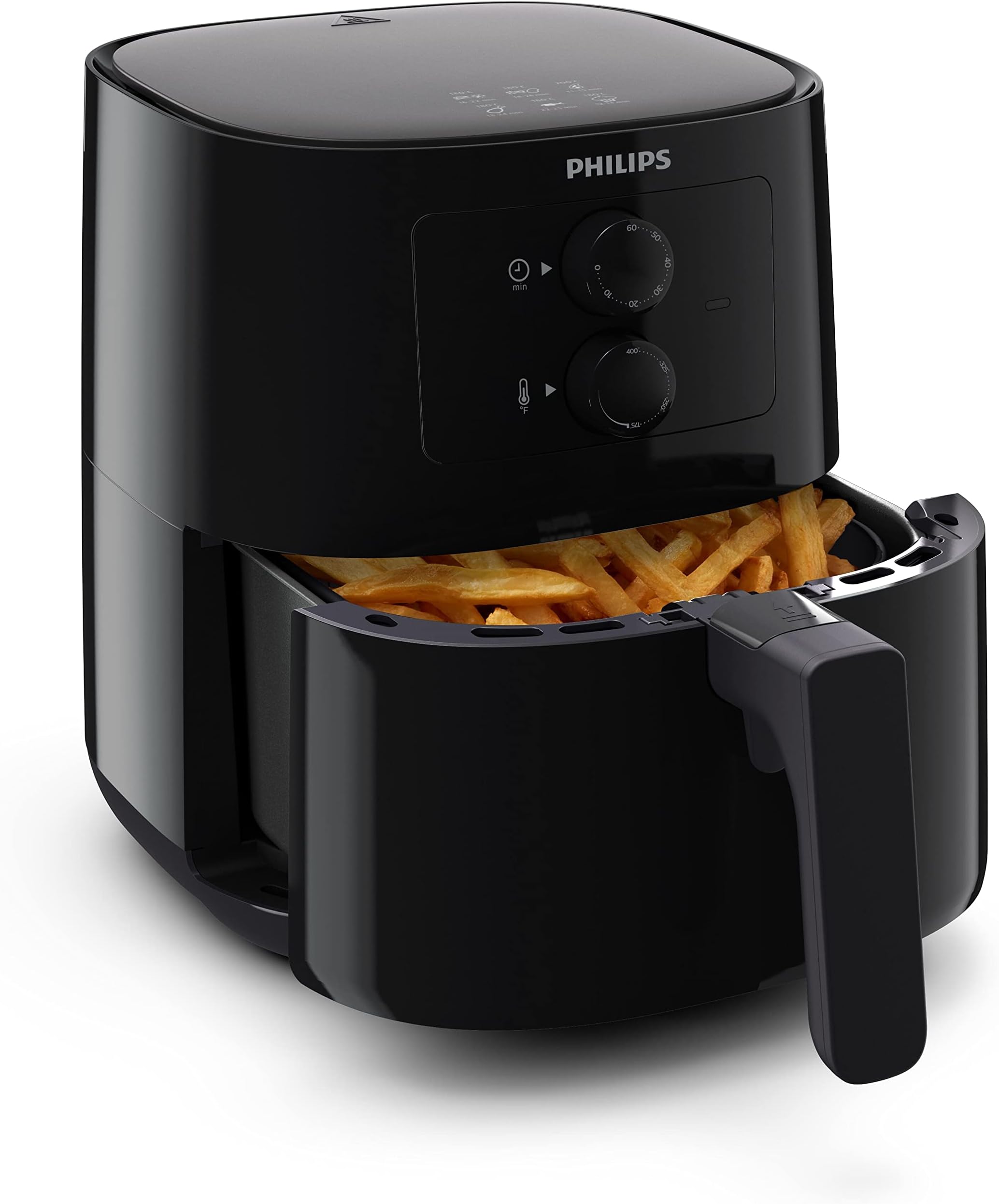
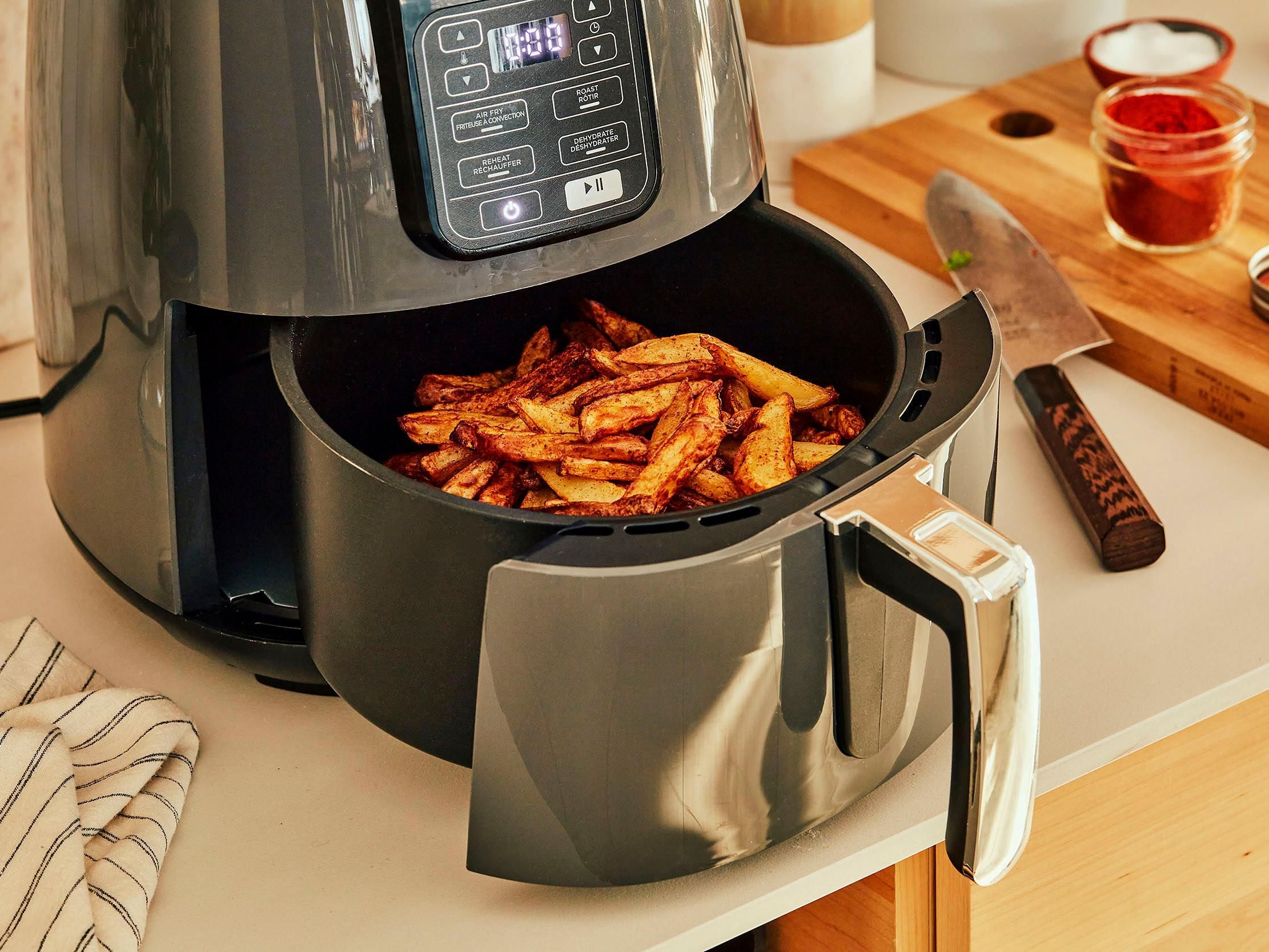
An air fryer is a specialized countertop convection oven designed to simulate deep frying without submerging food in oil. By utilizing a high-powered fan to circulate hot air at high speeds, it triggers the Maillard reaction, producing a crispy, browned exterior while keeping the interior moist and cooked through.
The air fryer has transitioned from a niche kitchen gadget to an essential household appliance. As of 2026, the technology has matured significantly, moving beyond simple heating elements to include sophisticated sensors, multi-functional capabilities, and improved energy efficiency. Understanding the mechanics, benefits, and operational nuances of these devices is critical for any consumer looking to optimize their kitchen workflow or improve their nutritional intake.
The Science of Air Frying: Rapid Air Technology Explained
The term "air fryer" is technically a misnomer; the device does not fry food in the traditional sense. Instead, it utilizes Rapid Air Technology, a refined form of convection heating. While a standard oven uses heating elements to warm the air inside a large cavity, an air fryer uses a concentrated heating element located directly above a powerful fan.
This fan circulates air at high velocities—often measured in hundreds of cubic feet per minute—around a small, perforated basket. This creates a high heat transfer coefficient. Because the air moves so quickly, it strips away the "cold air" moisture barrier that typically surrounds food, allowing the heat to penetrate the surface almost instantly. This process mimics the thermal conductivity of hot oil, which is much higher than that of still air.
The result is the Maillard reaction, a chemical reaction between amino acids and reducing sugars that gives browned food its distinctive flavor and texture. In a traditional oven, this process takes longer and can result in the interior of the food drying out before the exterior becomes crisp. In an air fryer, the speed of the air ensures the exterior crisps up in a fraction of the time, preserving internal moisture.
Comparative Benefits: Health, Speed, and Efficiency
The primary driver behind the air fryer's dominance is its perceived health benefit, but its utility extends into operational efficiency and energy conservation.
Nutritional Impact and Fat Reduction
Traditional deep-frying requires food to be submerged in oils, which are high in saturated and trans fats. During the frying process, the food absorbs a significant portion of this oil, drastically increasing its caloric density. Peer-reviewed studies have consistently shown that air frying can reduce the fat content of popular foods like french fries and chicken wings by up to 75% to 80%.
Furthermore, air frying at lower temperatures compared to deep frying can reduce the formation of acrylamide, a chemical compound that can form in some foods (especially starchy ones) during high-temperature cooking processes. Acrylamide has been identified by the International Agency for Research on Cancer as a "probable human carcinogen."
Energy and Time Efficiency
As of 2026, energy costs remain a significant concern for households. Air fryers are inherently more efficient than full-sized electric ovens for three reasons:
- Small Cavity Size: Heating a 6-quart basket requires significantly less energy than heating a 3- to 5-cubic-foot oven.
- No Preheating Requirements: Most modern air fryers reach their target temperature within 60 to 90 seconds, whereas a traditional oven may require 10 to 15 minutes.
- Faster Cook Times: Due to the high-velocity air circulation, cook times are typically 20% to 30% faster than in a conventional oven.
Understanding the Different Types of Air Fryers
The market in 2026 offers several distinct form factors, each suited to different household needs and kitchen configurations.
| Feature | Basket-Style Air Fryer | Air Fryer Toaster Oven | Dual-Zone Air Fryer |
|---|---|---|---|
| Primary Design | Vertical cylinder with pull-out drawer. | Horizontal box with a glass door and racks. | Two independent baskets side-by-side. |
| Best For | Singles, couples, or side dishes. | Large families and multi-purpose cooking. | Cooking two different foods simultaneously. |
| Footprint | Compact, vertical orientation. | Large, requires significant counter space. | Wide, requires horizontal space. |
| Cleaning | Very easy; most baskets are dishwasher safe. | Moderate; requires wiping down interior walls. | Easy to moderate; two baskets to clean. |
| Versatility | Limited to air frying and reheating. | Can toast, bake, broil, and dehydrate. | High versatility for complete meals. |
Basket-Style Air Fryers
These remain the most popular due to their ease of use. The drawer design allows users to "shake" the food mid-cycle, ensuring even browning. In 2026, many of these models feature PFAS-free ceramic coatings, addressing long-standing consumer concerns regarding non-stick chemical leaching at high temperatures.
Air Fryer Toaster Ovens
These hybrid units have largely replaced the traditional toaster. They offer a larger surface area, which is better for laying out food in a single layer (critical for dehydrating or making jerky). While they take longer to clean, their ability to function as a secondary oven makes them indispensable for holiday cooking or large meal prep.
Dual-Zone and Flex-Basket Models
A significant trend leading into 2026 has been the rise of dual-zone technology. These units allow you to cook, for example, salmon in one basket at 350°F and asparagus in the other at 400°F, with a "Match Cook" or "Smart Finish" feature that ensures both items finish exactly at the same time.
Key Technical Specifications to Evaluate
When selecting an air fryer, consumers should look beyond the marketing aesthetics and focus on technical specifications that impact performance and longevity.
- Wattage (1400W – 1800W): Higher wattage generally correlates with faster heat-up times and better crisping capability. Units under 1200W may struggle to maintain high temperatures when filled with frozen foods.
- Temperature Range: A versatile unit should offer a range from 100°F (for dehydration) up to at least 400°F or 450°F (for searing).
- Capacity (Quarts): For a single person, a 2-3 quart model is sufficient. Families of four typically require a 5.5-7 quart model to avoid overcrowding, which is the leading cause of "soggy" air-fried food.
- Safety Features: Ensure the unit is UL-listed and includes an automatic shut-off feature when the basket is removed or the timer expires.
Best Practices for Optimal Performance
Achieving restaurant-quality results requires more than just pressing a button. Mastery of the air fryer involves understanding air-flow dynamics.
- The "Single Layer" Rule: Air must be able to touch all surfaces of the food. If you stack chicken breasts or overlap potatoes, the areas where they touch will remain soft and steamed rather than crispy.
- Dry the Surface: Moisture is the enemy of the Maillard reaction. Always pat proteins (meat, fish) and vegetables dry with a paper towel before adding a light coating of oil.
- Choose the Right Oil: Use oils with a high smoke point, such as avocado oil or refined olive oil. Avoid using aerosol non-stick sprays directly on the basket, as the additives (like soy lecithin) can create a sticky residue that ruins the non-stick coating over time. Use a simple oil mister instead.
- The Mid-Cycle Shake: For smaller items like fries or Brussels sprouts, shaking the basket halfway through the cook time redistributes the items and ensures the high-velocity air hits different angles.
Maintenance and Longevity
To ensure the longevity of an air fryer in 2026, proper maintenance of the mechanical and heating components is necessary.
The most common failure point is the degradation of the non-stick coating and the buildup of grease on the heating element. While many baskets are labeled "dishwasher safe," the high heat and harsh detergents in dishwashers can accelerate the peeling of the coating. Hand-washing with a soft sponge and non-abrasive soap is the gold standard for maintenance.
If the unit begins to produce smoke, it is likely due to grease splattered onto the heating element (the coil located above the basket). Once the unit is completely cool, it should be turned upside down and the heating element wiped with a damp cloth or a very soft brush to remove carbonized food particles.
Common Troubleshooting Issues
- Unit Won't Turn On: Most air fryers have a safety sensor that prevents operation unless the basket is fully seated. Check for debris in the basket track.
- White Smoke: This usually happens when cooking high-fat foods (like bacon). The rendered fat hits the bottom of the drawer and smokes. Adding a tablespoon of water or a slice of bread to the bottom of the drawer can help absorb the grease and stop the smoke.
- Uneven Cooking: This is almost always a result of overcrowding. Reduce the batch size to allow for proper air circulation.
FAQ
Can I use parchment paper or aluminum foil in an air fryer?
Yes, but you must use it cautiously. You should never place parchment paper or foil in the air fryer during the preheating phase without food on top; the high-velocity fan will blow the paper into the heating element, creating a fire hazard. Always ensure the food is heavy enough to weigh the paper down, and avoid covering the entire basket, as this restricts the airflow necessary for crisping.
How do I convert traditional oven recipes for an air fryer?
A general rule of thumb is the "25/25 rule." Reduce the recommended oven temperature by 25°F and reduce the cooking time by approximately 25%. Because the air fryer is so efficient at heat transfer, food cooks much faster than it would in a static or low-speed convection oven.
Is it safe to cook frozen meat directly in the air fryer?
Yes, air fryers are excellent for cooking frozen foods because they bypass the "thaw" stage quickly. However, you should check the internal temperature with a meat thermometer to ensure the center has reached a safe temperature (e.g., 165°F for poultry), as the high heat can sometimes brown the exterior before the interior is fully cooked.
Why does my air fryer smell like plastic?
New air fryers often have a "new appliance" smell caused by the protective coatings on the heating element and plastic housing. It is recommended to run the air fryer empty at 400°F for 15–20 minutes in a well-ventilated area before its first use with food. This process, known as "burn-in," typically eliminates the odor.
Can I bake cakes or bread in an air fryer?
Absolutely. Many air fryer toaster ovens have specific "Bake" settings. For basket-style air fryers, you can use any oven-safe cake pan or silicone mold that fits inside the basket. Keep in mind that because the heat comes from the top, the top of your cake may brown faster than the bottom, so you may need to cover it with foil toward the end of the baking cycle.
Selecting the Right Air Fryer for Your Household
Choosing the ideal air fryer in 2026 depends primarily on your household size and the types of food you prepare most frequently. For those focused on meal prep and versatility, a large-capacity toaster oven style is the superior choice, as it can dehydrate fruits and roast whole chickens. If your goal is simply to replace deep-fried snacks with healthier alternatives, a 5-quart basket-style unit offers the best balance of speed and easy cleanup.
Before purchasing, verify the availability of replacement parts, such as baskets and crisper plates. As the industry moves toward more sustainable practices, many manufacturers now offer modular components that can be replaced without discarding the entire unit. Prioritize brands that offer at least a two-year warranty and utilize ceramic-based non-stick surfaces to ensure your appliance remains a healthy and reliable part of your kitchen for years to come.