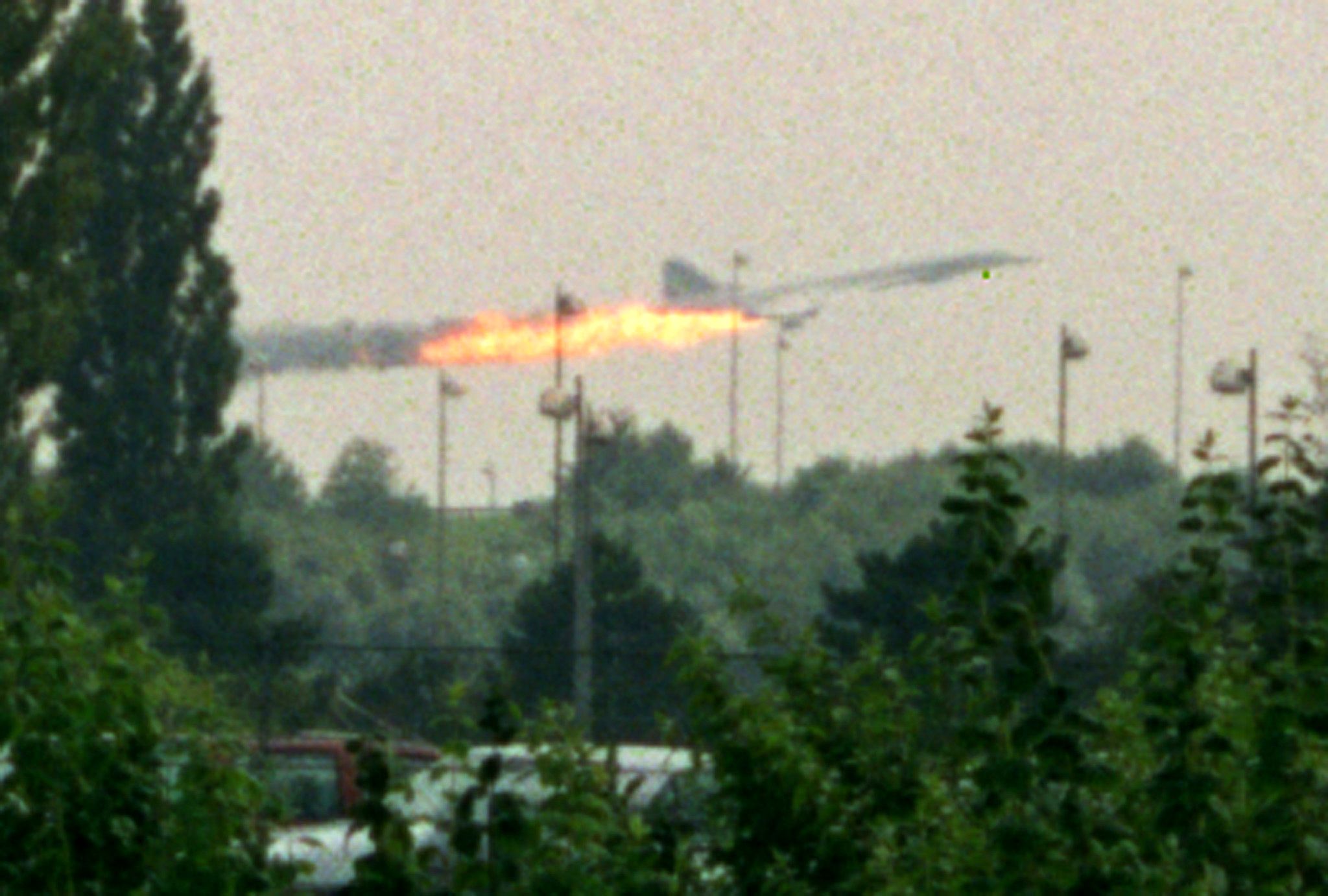
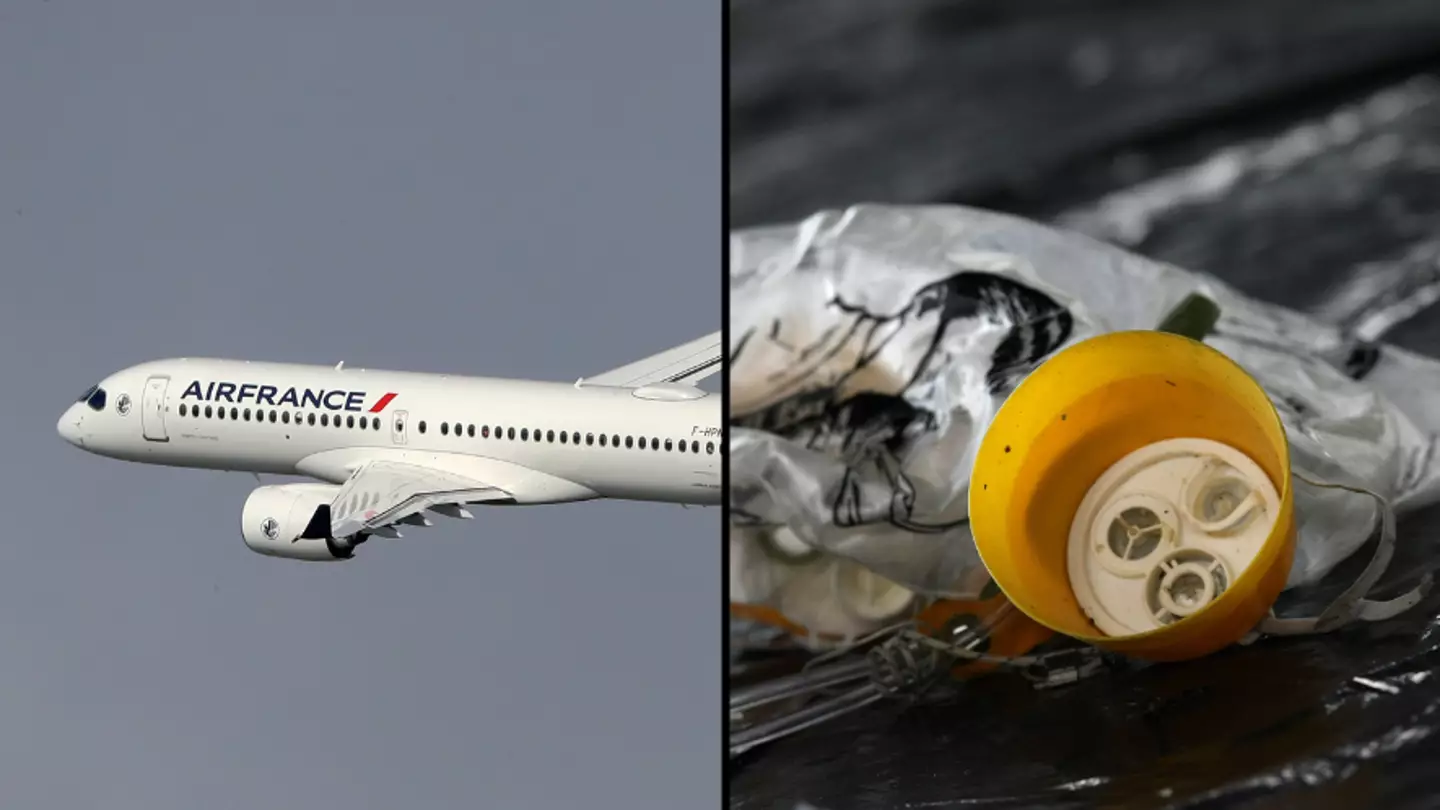
The investigation into Air France Flight 447, which crashed off the coast of Brazil on June 1, 2009, concluded that a combination of technical failure and pilot error led to the disaster. As of 2026, the case remains a cornerstone of aviation safety, having fundamentally transformed pilot training for high-altitude stalls and the reliability of airspeed sensors across the global fleet.
The disappearance of Air France Flight 447 (AF447) over the Atlantic Ocean remains one of the most significant events in modern aviation history. Traveling from Rio de Janeiro to Paris, the Airbus A330-203 plummeted into the sea, claiming the lives of all 228 people on board. While the physical investigation concluded years ago, the legal ramifications and the technical evolution of flight safety continue to resonate in 2026. Understanding the "why" behind this tragedy requires an analysis of the complex intersection between automated systems and human intervention during a crisis.
The Technical Breakdown: Pitot Tubes and High-Altitude Icing
The primary catalyst for the disaster was the icing of the aircraft's Pitot tubes. These sensors are critical for measuring airspeed; when they became obstructed by ice crystals in a high-altitude thunderstorm, the flight computers received inconsistent data. This triggered a "reversion" of the flight control laws from "Normal Law" to "Alternate Law," effectively disconnecting the autopilot and auto-thrust systems.
In 2026, the aviation industry views the AF447 Pitot tube failure as a turning point in sensor design. At the time, the Thales-brand sensors used on the A330 were known to be susceptible to icing in specific tropical storm conditions. Following the crash, a massive global effort saw these units replaced with more robust models from Goodrich (now Collins Aerospace) and redesigned Thales versions. These modern sensors are equipped with high-performance heating elements designed to prevent the exact type of crystallization that doomed AF447.
The technical failure was not the sole cause of the crash, but it created the "startle factor" that led to a breakdown in Crew Resource Management (CRM). When the airspeed indicators failed, the crew was forced to fly the aircraft manually at 35,000 feet—a task for which many long-haul pilots at the time were insufficiently trained.
Human Factors: The Fatal Stall and Pilot Input
The most tragic aspect of the investigation details revealed by the Bureau d'Enquêtes et d'Analyses (BEA) was that the aircraft was functional until it hit the water. Following the loss of airspeed data, the pilot flying (PF) executed a nose-up command. This caused the aircraft to climb rapidly, lose forward momentum, and eventually enter a "deep stall."
A deep stall at high altitude is a aerodynamic state where the wings no longer generate enough lift to support the aircraft. Despite the stall warning sounding for nearly a minute, the crew did not recognize the situation. In 2026, this is cited as the primary case study for "automation dependency." The pilots were so accustomed to the Airbus's flight envelope protection—which normally prevents a stall—that they struggled to comprehend that the plane was indeed falling out of the sky.
The investigation highlighted a critical flaw in the Airbus sidestick design of that era: the inputs are not mechanically linked. While one pilot was pulling back (stalling the plane), the other was eventually trying to push forward, but the inputs partially canceled each other out without the clear tactile feedback found in Boeing-style yokes.
Legal Outcomes: The 2023 Verdict and Long-term Liability
A major update for those following the investigation details is the finality of the legal proceedings. In April 2023, a Paris court acquitted both Airbus and Air France of "involuntary manslaughter" charges. The court ruled that while both companies committed "improper hits" or faults—Air France in its pilot training and Airbus in its handling of known Pitot tube issues—there was insufficient evidence to establish a direct causal link that would merit criminal conviction.
By 2026, the civil litigation landscape has largely settled, with the majority of victim compensation claims resolved. However, the acquittal remains a point of contention for victims' families and safety advocates. The "AF447 Association" has continued to lobby for stricter corporate accountability in aviation, arguing that the technical faults identified by the BEA should have carried greater legal weight. This case has influenced how 2026 aviation regulations handle "corporate negligence" in the face of known technical defects.
Safety Reforms and The Legacy of AF447
The legacy of the Brazil crash is most visible in the cockpit of every modern airliner flying in 2026. The disaster forced a complete overhaul of global pilot training standards, specifically regarding Upset Prevention and Recovery Training (UPRT).
- Manual Flight Skills: Before AF447, pilots spent very little time practicing manual handling at high altitudes. Today, simulator training includes rigorous modules on hand-flying in "Alternate Law."
- Stall Recovery Procedures: The "pitch down, wings level" mantra was reinforced after the AF447 crew mistakenly applied "power and pitch up," which is the procedure for a low-altitude windshear, not a high-altitude stall.
- Real-time Data Streaming: One of the greatest challenges in the AF447 investigation was finding the "black boxes" (Flight Data Recorder and Cockpit Voice Recorder) at a depth of nearly 4,000 meters. In 2026, many new aircraft are equipped with systems that automatically stream critical flight data via satellite if an emergency is detected.
- Enhanced Underwater Locators: Underwater Locator Beacons (ULBs) now have a 90-day battery life, up from the 30-day limit that hampered the initial search for the Air France wreckage.
Comparison of Search and Recovery Phases
The recovery of AF447 was one of the most complex underwater salvage operations in history. The following table outlines the progression of the search efforts which eventually led to the discovery of the investigation's most vital evidence.
| Search Phase | Timeframe | Primary Technology Used | Outcome |
|---|---|---|---|
| Phase 1 | June 2009 | Visual search & Towed Pinger Locators | Recovered surface debris and 50 bodies; no black boxes. |
| Phase 2 | Aug 2009 | Side-scan sonar (Ifremer) | Covered 4,500 sq km of seabed; unsuccessful due to terrain. |
| Phase 3 | April 2010 | REMUS 6000 AUVs | Deep-sea search hampered by rugged Atlantic Ridge topography. |
| Phase 4 | April 2011 | Alucia vessel & REMUS AUVs | Success. Found engine, wing sections, and the main wreckage field. |
| Phase 5 | May 2011 | Remora 6000 ROV | Recovered the FDR and CVR from 3,900 meters depth. |
Modern Industry Challenges in 2026
Despite the advancements made since 2009, the 2026 aviation environment faces new versions of the challenges seen in the Air France crash. The industry is currently grappling with "sensor fusion" errors in next-generation aircraft where AI-driven systems must decide which data points to trust when sensors disagree.
Furthermore, the "Experience Gap" remains a concern. As a generation of pilots who grew up with manual flight retires, the 2026 workforce is predominantly composed of "digital natives" who have spent their entire careers in highly automated cockpits. The AF447 investigation serves as a permanent warning that pilots must remain "aviators first and system managers second." Technical updates to Pitot sensors have mitigated the icing risk, but the fundamental need for human intervention in the face of sensor failure remains the industry's highest priority.
Why did it take two years to find the black boxes?
The wreckage was located on the Mid-Atlantic Ridge, an underwater mountain range with extreme depths and rugged terrain. The initial search was hindered by the fact that the Underwater Locator Beacons (ULBs) reached their 30-day battery limit before they could be detected in the vast search area. It was only during Phase 4 of the search, using advanced Autonomous Underwater Vehicles (AUVs), that the debris field was finally identified.
What was the final verdict for Air France and Airbus?
In April 2023, the Paris Criminal Court acquitted both companies of criminal negligence. The judges determined that while errors were made in failing to update the Pitot tubes and training the pilots on high-altitude stalls, these did not constitute a "certain" causal link to the accident under French criminal law. The decision was met with significant disappointment from the victims' families, who pursued civil damages instead.
Have the Pitot tubes on all planes been fixed since the crash?
Yes, following the AF447 disaster, aviation authorities such as the EASA and FAA mandated the replacement of the Thales AA Pitot probes with more reliable models. By 2026, the sensors used on commercial aircraft are designed to withstand significantly more severe icing conditions, and flight software has been updated to provide clearer alerts when airspeed data becomes unreliable.
Is Air France safe to fly today in 2026?
Air France has maintained a strong safety record since the tragedy, implementing rigorous training reforms that exceed international standards. The airline has completely overhauled its training protocols for manual flight handling and CRM. Globally, the lessons learned from AF447 have made the A330 and the wider Air France fleet among the most scrutinized and safest operations in the sky.
Recommendation for Safety Monitoring
For aviation professionals and frequent travelers interested in the ongoing safety legacy of AF447, it is recommended to monitor the biennial safety reports issued by the International Civil Aviation Organization (ICAO) and the European Union Aviation Safety Agency (EASA). These reports often highlight the "AF447-derived standards" for stall recovery and sensor reliability. If you are a pilot or student, prioritize Upset Prevention and Recovery Training (UPRT) in your curriculum, as the mastery of manual flight in degraded control laws remains the single most effective defense against the chain of events that led to the loss of Flight 447.