As of mid-2026, Air France continues to prioritize its multi-billion-euro fleet modernization, the aggressive integration of Sustainable Aviation Fuel (SAF), and the expansion of its premium long-haul network. The airline is currently navigating a period of high demand for transatlantic travel while managing the final phases of its "ACT" decarbonization roadmap and the full integration of SAS into the SkyTeam alliance ecosystem.
Fleet Modernization: The Transition to the Airbus A350-1000
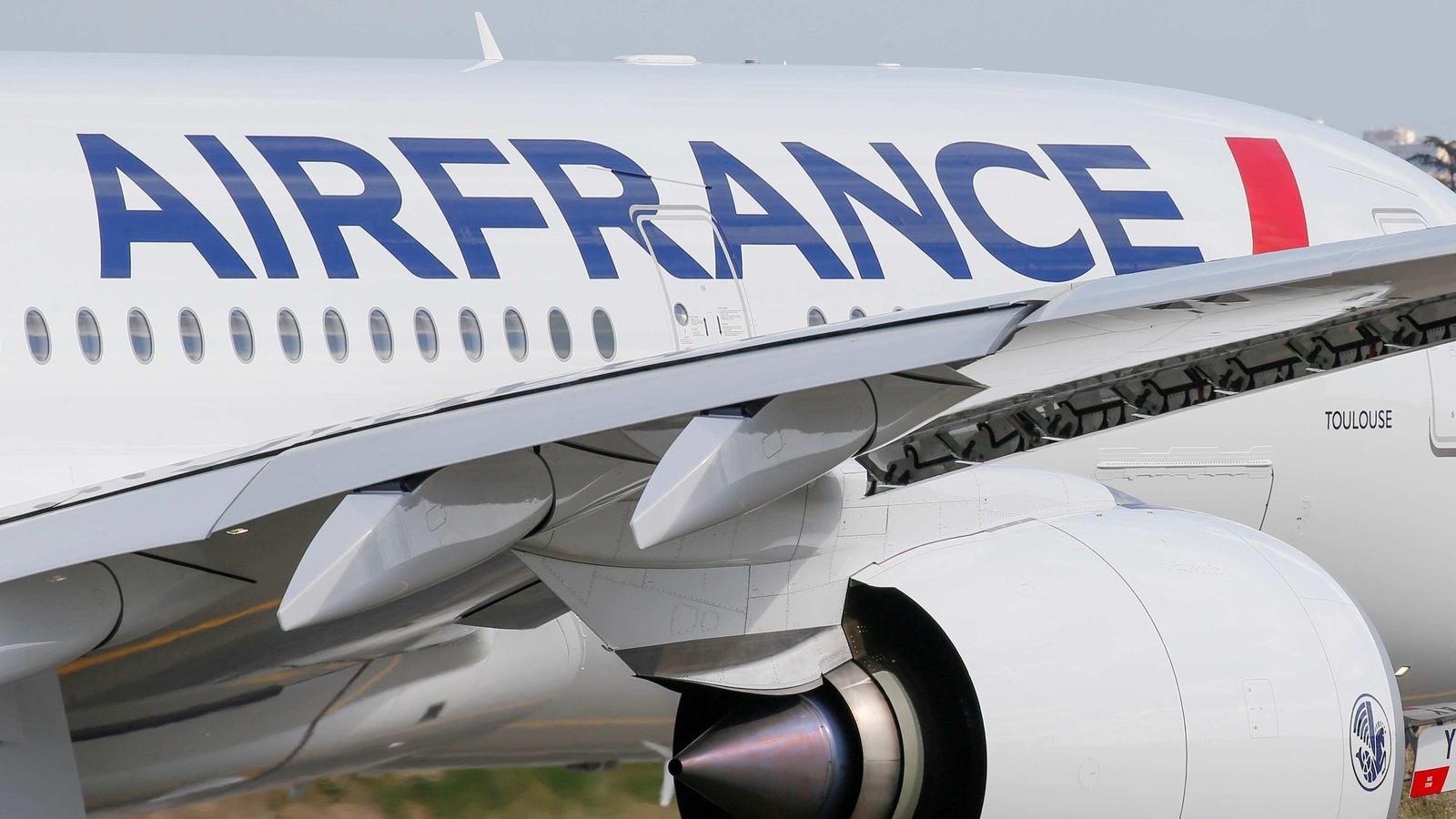
One of the most significant headlines in Air France news today is the ongoing delivery cycle of the Airbus A350-1000. Following the massive order placed by the Air France-KLM Group, these aircraft are systematically replacing the aging Boeing 777-300ER fleet. This transition is not merely a cosmetic update; it represents a fundamental shift in the airline’s operational efficiency and environmental footprint.
The A350-1000 offers a 25% reduction in fuel consumption and CO2 emissions compared to previous-generation aircraft. For Air France, this is critical for maintaining profitability in an era of fluctuating fuel prices and tightening European emissions regulations. The technical superiority of the A350—characterized by its carbon-composite fuselage and Rolls-Royce Trent XWB engines—allows for longer range and better payload capacity, enabling Air France to serve ultra-long-haul destinations with higher reliability.
On the narrow-body side, the carrier is nearing the completion of its Airbus A220-300 rollout for short and medium-haul routes. By replacing the A318 and A319 models, Air France has realized significant gains in "seat-mile" costs. Passengers today are increasingly likely to encounter these quieter, more fuel-efficient aircraft on routes connecting Paris-Charles de Gaulle (CDG) to major European hubs like Berlin, Madrid, and Rome.
Sustainability Milestones: Air France’s 2026 Net Zero Roadmap
Decarbonization remains the primary driver of corporate strategy for Air France in 2026. The airline is currently on track to meet its goal of incorporating at least 10% Sustainable Aviation Fuel (SAF) into its total fuel lift by 2030, a target that exceeds the baseline requirements set by the European Union’s RefuelEU Aviation mandate.
The "Air France ACT" program is the framework through which these updates are managed. It focuses on three main pillars:
- Direct Reduction: Primarily achieved through fleet renewal.
- Operational Efficiency: Utilizing AI-driven flight path optimization to reduce fuel burn and implementing "eco-piloting" techniques such as continuous descent approaches.
- SAF Procurement: Establishing long-term supply agreements with producers like TotalEnergies and Neste to ensure a steady supply of non-fossil fuels derived from waste oils and forest residues.
In 2026, Air France has also intensified its focus on circular economy initiatives. This includes the elimination of 90% of single-use plastics on board and the introduction of a more robust catering system that uses predictive analytics to reduce food waste. These updates are frequently highlighted in the airline's quarterly ESG (Environmental, Social, and Governance) reports, which have become a focal point for investors and environmentally conscious travelers alike.
Operational Network and New Long-Haul Destinations
The 2026 summer and winter schedules reflect a strategic pivot toward high-yield markets in North America and Southeast Asia. Air France has recently expanded its presence in the United States, adding frequencies to secondary hubs and maintaining its dominant position on the Paris-New York and Paris-Los Angeles corridors.
In Asia, the airline has successfully restored most of its pre-2020 capacity, with a particular focus on Japan and Vietnam. The reopening of certain polar routes has also improved flight times to Seoul and Tokyo, though geopolitical considerations continue to influence specific flight paths.
Furthermore, Air France is strengthening its African network, which remains a cornerstone of its global strategy. By leveraging its hub at CDG, the airline provides critical connectivity to West and Central Africa, often serving destinations that lack direct competition from other major European carriers. This "hub-and-spoke" model is supported by a sophisticated ground operation at Terminal 2E, which has seen recent investments in automated baggage handling and biometric boarding technologies to streamline the passenger journey.
Financial Performance and SkyTeam Synergies
Financially, the Air France-KLM Group has shown resilience throughout 2025 and into 2026. After repaying state-backed loans ahead of schedule in previous years, the group is now focused on improving its operating margin. Current headlines suggest a strong emphasis on "premiumization"—increasing the proportion of Business Class and Premium Economy seats across the fleet to capture higher-margin traffic.
A major development in 2026 is the matured integration of SAS (Scandinavian Airlines) into the SkyTeam alliance. Following SAS's exit from Star Alliance, Air France has established deep codeshare agreements and loyalty program reciprocity. This has opened up the Nordic market to Air France passengers and vice-versa, creating a more seamless travel experience across Northern Europe.
The Flying Blue loyalty program has also undergone updates in 2026 to enhance member engagement. The program now offers more "lifestyle" redemption options beyond flights, including sustainable travel experiences and partner hotel stays, which helps stabilize the airline's deferred revenue through mileage sales.
Passenger Experience: Cabin Interior Rollouts and Digital Innovation
Air France news today often features the rollout of its latest cabin interiors. The "New Business Class" seat—featuring sliding doors for full privacy and direct aisle access for every passenger—is now standard on a majority of the Boeing 777-300ER and A350 fleets. This product alignment is essential for competing with Gulf carriers and other European flag carriers.
Key Features of the 2026 Onboard Experience:
- Connectivity: High-speed Wi-Fi is being transitioned to a "free for members" model across all cabin classes, supported by satellite partnerships that ensure coverage even over remote oceanic regions.
- La Première: The ultra-exclusive First Class cabin is undergoing a refresh on select A350-1000 aircraft, aimed at maintaining its status as one of the world's most luxurious flying experiences.
- Digital Tools: The Air France app now includes real-time baggage tracking and a "digital travel assistant" that provides personalized notifications regarding gate changes, lounge access, and CO2 offsetting options.
Fleet Comparison: Current and Incoming Models (2026)
| Aircraft Type | Purpose | Capacity (Approx.) | Efficiency Gain (vs. Predecessor) | Status in 2026 |
|---|---|---|---|---|
| Airbus A220-300 | Short/Med Haul | 148 | 20% | Majority of fleet active |
| Airbus A350-900 | Long Haul | 292 - 324 | 25% | Fully integrated |
| Airbus A350-1000 | Long Haul | 350+ | 25% | Active rollout/Delivery phase |
| Boeing 777-300ER | Long Haul | 296 - 472 | Baseline | Phased retirement starting |
| Airbus A330-200 | Med/Long Haul | 224 | Baseline | Accelerated retirement |
Navigating Current Operational Challenges
Despite the positive momentum, Air France faces several challenges in 2026. The global supply chain for aircraft parts remains somewhat constrained, occasionally impacting maintenance schedules for the older 777 fleet. Additionally, labor relations in the French aviation sector require constant management to avoid the disruptions that have historically affected the airline.
Air France has responded by investing heavily in its own maintenance division, Air France Industries KLM Engineering & Maintenance (AFI KLM E&M). By securing internal supply chains and expanding third-party maintenance contracts, the airline has mitigated some of the risks associated with global parts shortages. This division is also a significant revenue generator, providing technical services to over 200 airlines worldwide.
Furthermore, the airline is adapting to the "Single European Sky" initiative, which aims to reorganize European airspace to reduce delays and fuel burn. While progress on this legislative front is slow, Air France has been a vocal advocate for the reforms, recognizing that more efficient routing is a low-hanging fruit for environmental goals.
Frequently Asked Questions
What are the latest Air France routes announced for 2026?
Air France has recently focused on expanding its North American footprint with new or increased service to cities like Raleigh-Durham and Minneapolis, while also strengthening its presence in Southeast Asia, particularly Manila and Bangkok. These routes are designed to feed into the Paris-Charles de Gaulle hub, connecting travelers to the airline's extensive African and European networks.
How is Air France addressing ticket price increases?
Ticket prices in 2026 reflect the increased cost of Sustainable Aviation Fuel (SAF) and the capital expenditure required for fleet modernization. To provide value, Air France is expanding its "Light" fare options in Economy and offering more flexible booking policies for Flying Blue members. The airline emphasizes that the newer aircraft allow for a more efficient operation, which helps mitigate some of the inflationary pressures on airfare.
Can I fly on the new Airbus A350-1000 today?
Yes, the A350-1000 is currently being deployed on high-demand long-haul routes, such as Paris to New York (JFK), Tokyo (HND), and Abidjan (ABJ). Passengers can check the aircraft type during the booking process on the official Air France website or app, though equipment changes may occur for operational reasons.
What is the current status of the Air France "ACT" program?
The Air France ACT program is fully operational and has met its interim 2025 targets for CO2 reduction per passenger-kilometer. In 2026, the focus has shifted toward scaling up SAF usage and implementing "circularity" in onboard services. The program is transparent, with progress reports available through the Air France-KLM corporate site.
How has the SAS partnership affected Air France travelers?
The integration of SAS into SkyTeam means that Air France passengers now have seamless access to the SAS network in Scandinavia, including easy connections at hubs like Copenhagen and Stockholm. Flying Blue members can earn and spend miles on SAS-operated flights, and elite members enjoy SkyPriority benefits across both airlines.
Recommended Actions for Travelers and Stakeholders
For travelers planning to fly with Air France in 2026, the most practical step is to utilize the Air France App for all booking and check-in procedures. The app provides the most current updates on flight status and allows for easy management of the increasingly complex "Travel Ready" documentation required for certain international destinations.
Investors and industry analysts should monitor the Air France-KLM Group’s quarterly financial releases, specifically looking for updates on the operating margin and the pace of the A350-1000 deliveries. These factors are the primary indicators of the airline’s ability to sustain its premium positioning and meet its rigorous environmental commitments.
Finally, frequent flyers should maximize their Flying Blue status by opting for SAF contributions during the booking process. These contributions not only help the airline meet its sustainability goals but also earn members additional Experience Points (XP), accelerating their progression toward Silver, Gold, or Platinum status.