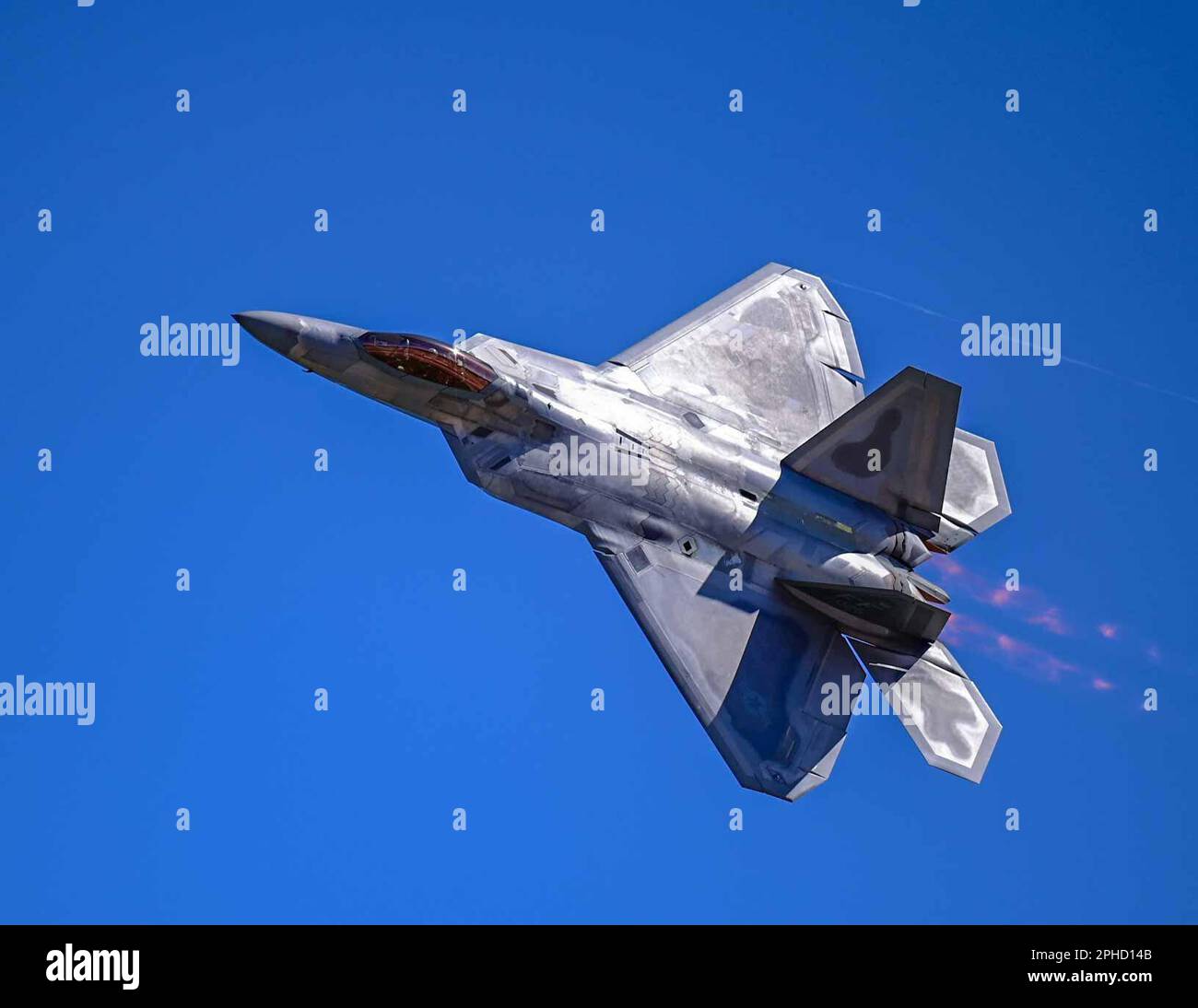
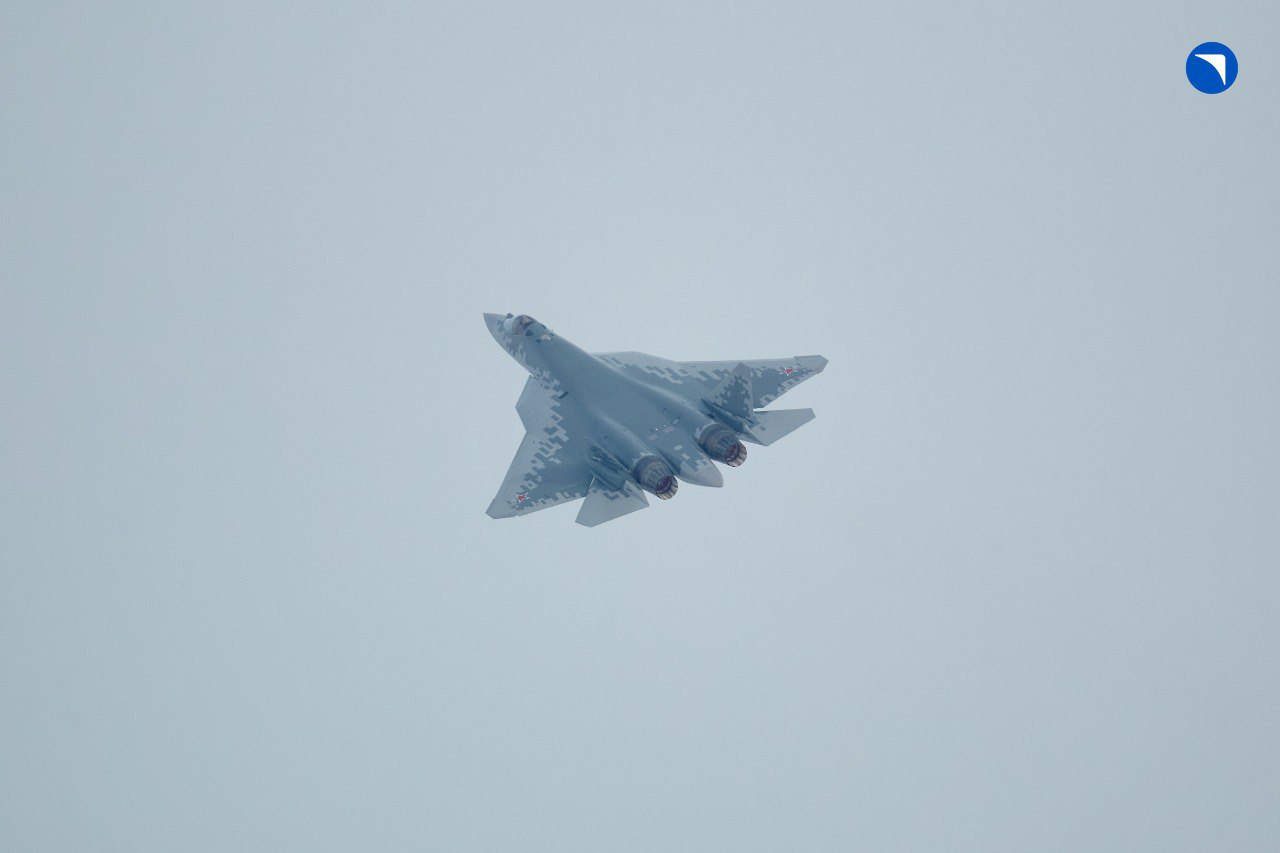
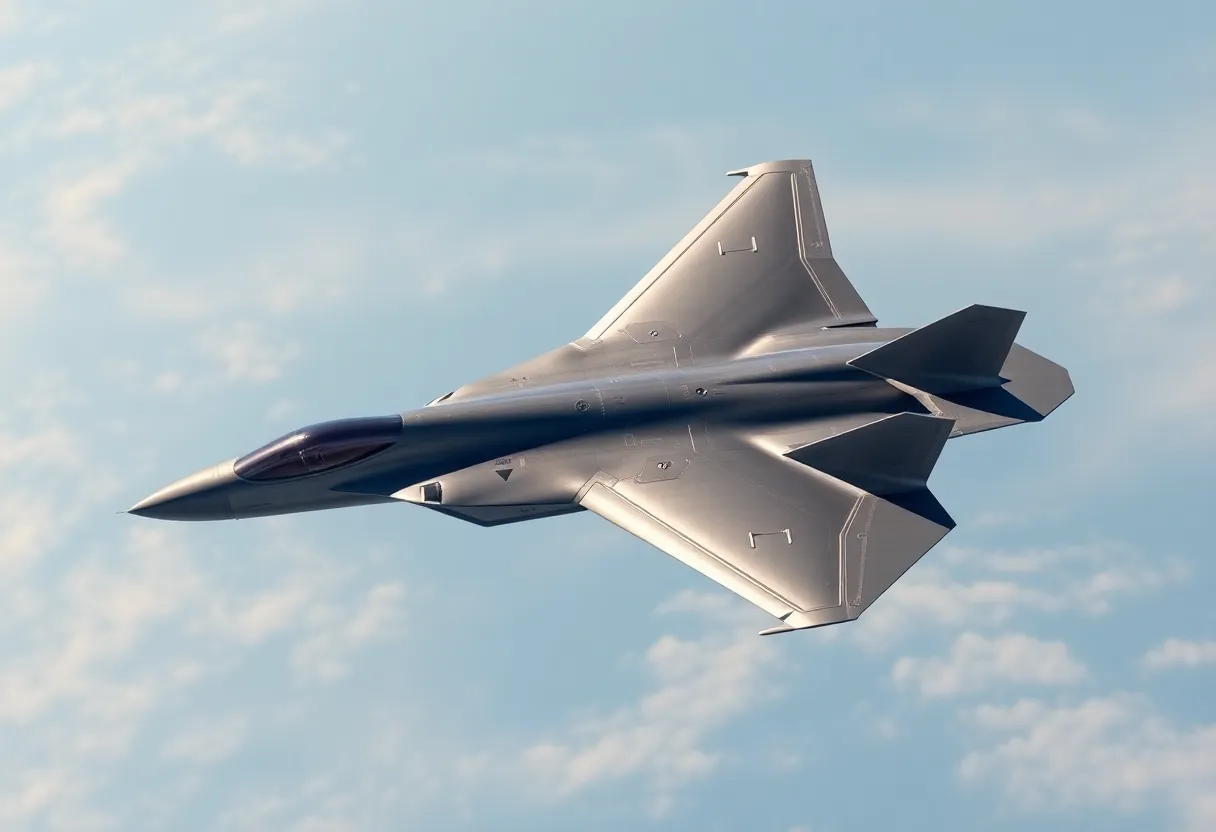
The U.S. Air Force’s "new plane" is not a single aircraft but the Next Generation Air Dominance (NGAD) system. Centered on a sixth-generation manned fighter (the "Platform"), it integrates autonomous drones known as Collaborative Combat Aircraft (CCA), advanced adaptive propulsion, and a unified digital architecture to replace the F-22 Raptor and ensure air superiority through the 2030s and beyond.
Defining the Next Generation Air Dominance (NGAD) Framework
As of 2026, the transition from fifth-generation to sixth-generation air power has moved from theoretical design into the critical phase of prototype refinement. The NGAD program represents a fundamental shift in how the United States Air Force (USAF) approaches aerial combat. Unlike the F-22 Raptor, which was designed as a standalone air-superiority platform, the NGAD is a "system of systems."
This framework consists of three primary components: the manned fighter aircraft (the "pioneer" or "centerpiece"), the Collaborative Combat Aircraft (autonomous drones), and the advanced digital backbone that connects them. The goal is not merely to build a faster or more stealthy jet, but to create a network capable of overwhelming enemy anti-access/area-denial (A2/AD) bubbles. In the current strategic environment, where adversaries have developed sophisticated long-range sensors and missile systems, a single aircraft—no matter how advanced—is no longer sufficient to guarantee dominance.
The NGAD fighter is expected to feature significantly increased range and payload compared to its predecessors. This is a direct response to the "tyranny of distance" inherent in potential Pacific theater operations. By utilizing open-systems architecture, the Air Force ensures that the hardware can be updated with new software or sensors in months rather than decades, avoiding the rigid modernization cycles that plagued previous programs.
Technological Pillars of the Sixth-Generation Fighter
The centerpiece of the NGAD program—the manned fighter—is designed to excel in environments where the F-22 and F-35 might struggle. While many technical details remain classified, several key technological pillars have been unveiled through official budget requests and Air Force Research Laboratory (AFRL) announcements.
Advanced Broadband Stealth
Current stealth technology is primarily optimized against high-frequency engagement radars (X-band). However, lower-frequency radars can often detect existing stealth aircraft. The NGAD fighter utilizes a tail-less or highly integrated wing-body design to achieve "broadband stealth." By eliminating vertical stabilizers (tails), the aircraft reduces its radar cross-section across a wider spectrum of frequencies, making it significantly harder to track even for advanced ground-based surveillance systems.
The Digital Thread and Digital Twin Technology
The development of the NGAD has relied heavily on digital engineering. This "Digital Thread" allows engineers to create a high-fidelity "Digital Twin" of the aircraft before a single piece of metal is cut. This approach enables the Air Force to simulate thousands of flight hours and combat scenarios in a virtual environment, identifying structural weaknesses or software bugs years ahead of traditional schedules. In 2026, this methodology is the standard for maintaining the platform's lifecycle, allowing for "agile" hardware updates.
Integrated Sensor Fusion and AI
While the F-35 pioneered sensor fusion, the NGAD takes this to an exponential level. The pilot no longer acts as a traditional "driver" but rather as a mission commander. Artificial Intelligence (AI) handles the "low-level" tasks of flight control, sensor management, and electronic warfare, presenting the human pilot with a curated tactical picture. This reduces cognitive load and allows the pilot to manage the "swarm" of accompanying drones effectively.
Collaborative Combat Aircraft (CCA): The Rise of the Robotic Wingman
The most visible change in the future of aerial dominance is the introduction of Collaborative Combat Aircraft (CCA). These are autonomous, jet-powered drones designed to fly alongside the manned NGAD fighter. In 2026, the CCA program has moved into initial production phases, with several aerospace firms providing modular designs.
The CCA concept solves the "mass" problem. Fifth-generation fighters are incredibly expensive, leading to smaller fleet sizes. CCAs are designed to be "affordable mass"—not necessarily expendable, but cheap enough to be lost in high-end combat without breaking the defense budget. They can perform various roles:
- Sensor Scouts: Flying ahead of the manned fighter to identify targets without exposing the pilot.
- Missile Carriages: Carrying extra air-to-air or air-to-ground munitions to augment the manned jet’s capacity.
- Electronic Warfare Nodes: Jamming enemy radars and communications from multiple angles simultaneously.
- Decoys: Drawing enemy fire away from the high-value manned platform.
By distributing capabilities across multiple airframes, the Air Force creates a "distributed lethality" model. An enemy cannot simply shoot down the "lead" plane to end the threat; the network remains lethal as long as any node remains active.
Propulsion and Power: The Next Generation Adaptive Engine
A new plane is only as capable as its engine. For NGAD, this comes in the form of the Next Generation Adaptive Propulsion (NGAP) program. Traditional jet engines are optimized for either high speed (low bypass) or fuel efficiency (high bypass). An adaptive engine can switch between these modes in flight.
The NGAP utilizes a "third stream" of airflow. This provides several critical advantages:
- Extended Range: In fuel-efficient mode, the aircraft can cruise over vast distances, essential for oceanic transit.
- Increased Thrust: When entering a combat zone, the engine reconfigures for maximum power and acceleration.
- Thermal Management: Modern sensors and potential future directed-energy weapons (lasers) generate immense heat. The third stream of air acts as a massive heat sink, cooling the aircraft’s internal systems and reducing its infrared (IR) signature.
Leading engine manufacturers like GE Aerospace and Pratt & Whitney have developed prototypes that are currently undergoing ground testing. These engines represent the most significant leap in propulsion technology since the introduction of the afterburning turbofan.
The Strategic Pivot: Rethinking Costs and Capabilities in 2026
In the mid-2020s, the Air Force underwent a significant "re-optimization" of the NGAD program. Initial estimates suggested the manned fighter could cost as much as $300 million per unit. To ensure the program remained viable and could be procured in sufficient numbers, the USAF refined the requirements in 2024 and 2025.
The current 2026 strategy focuses on a "balanced" design. This might involve a slightly smaller airframe or a single-engine configuration to bring the price point closer to that of an F-35 (approximately $100M - $150M). The Air Force has realized that having 100 "perfect" planes is less effective than having 200 "excellent" planes integrated with 1,000 CCAs. This shift emphasizes the system's modularity, ensuring that the NGAD remains a flexible tool for a variety of global contingencies, rather than a niche "silver bullet" platform.
Comparison of Air Superiority Platforms
The following table compares the projected capabilities of the NGAD system with the existing fleet as of 2026.
| Feature | F-22 Raptor | F-35 Lightning II | NGAD System (Projected) |
|---|---|---|---|
| Generation | 5th Generation | 5th Generation | 6th Generation |
| Primary Role | Air Superiority | Multi-role / Strike | Air Dominance / System Center |
| Stealth Profile | High (X-band focus) | High (Multi-spectral) | Broadband / All-aspect |
| Engine Type | F119 (Fixed Cycle) | F135 (Fixed Cycle) | NGAP (Adaptive Cycle) |
| Unmanned Pairing | Limited / Experimental | Emerging (Tier 1) | Fully Integrated (CCA) |
| Combat Radius | ~600 nmi | ~600 nmi | 1,000+ nmi (Estimated) |
| Software Architecture | Legacy / Incremental | Modern / Modular | Open Mission Systems (OMS) |
Operational Impacts on Global Security
The unveiling and deployment of NGAD will fundamentally alter the tactical landscape. In previous decades, air superiority was achieved through "dogfighting" and individual pilot skill. In the era of NGAD, dominance is achieved through information superiority.
By 2026, the integration of Joint All-Domain Command and Control (JADC2) allows the NGAD to act as a battlefield quarterback. It can receive data from space-based sensors, naval destroyers, and ground-based infantry, synthesizing it into a cohesive strike plan. This capability forces adversaries to reconsider their defensive investments. If a stealthy "ghost" system can penetrate the most protected airspace and coordinate a swarm of lethal drones, the very concept of a "safe" rear area disappears.
Furthermore, the rapid prototyping nature of NGAD serves as a deterrent. The ability of the U.S. to iterate on aircraft designs faster than adversaries can develop counter-measures creates a "cycle of obsolescence" for enemy technology.
NGAD and Future Air Power FAQ
When will the NGAD plane be fully operational?
The U.S. Air Force aims for Initial Operational Capability (IOC) by 2030. As of 2026, full-scale flying prototypes (technology demonstrators) have already been flight-tested, and the program is currently in the Engineering and Manufacturing Development (EMD) phase.
Will the NGAD fighter replace the F-35?
No. The NGAD is designed to replace the F-22 Raptor in the dedicated air-superiority role. The F-35 will continue to serve as the "workhorse" multi-role fighter for the USAF, Navy, and Marines, often working in tandem with NGAD and CCAs to provide high-volume strike capabilities.
Is the new Air Force plane unmanned?
The NGAD fighter is "optionally manned." While the primary version features a cockpit for a human pilot to act as a mission commander, the airframe is designed with the digital architecture necessary to fly fully autonomous missions if the situation requires it.
Why is it called a "System of Systems" instead of just a fighter jet?
Because the aircraft's effectiveness is tied to its network. A "fighter jet" implies a standalone vehicle. A "system of systems" refers to the fact that the manned jet, the autonomous wingmen (CCAs), and the satellite-linked data network must all function together to achieve the mission of aerial dominance.
How does "Broadband Stealth" differ from current stealth?
Current stealth (like on the F-22) is very effective against the types of radar used to guide missiles. However, it is less effective against large, low-frequency early warning radars. Broadband stealth uses new shapes and materials to remain hidden across a much wider range of radar frequencies.
Navigating the Transition to Sixth-Generation Air Power
For defense contractors, policymakers, and military personnel, the shift to NGAD requires a move away from legacy thinking. The future of aerial dominance is not found in a single "silver bullet" airframe, but in the seamless integration of humans, AI, and autonomous platforms.
The next actionable steps for the defense community involve stabilizing the production lines for Collaborative Combat Aircraft and ensuring that the digital infrastructure—the software that allows these machines to "talk"—is secure against cyber threats. For the observer, the "unveiling" of these technologies marks the beginning of an era where the sky is no longer just a place for pilots to fly, but a complex, multidimensional data environment where the fastest network, not just the fastest jet, wins.