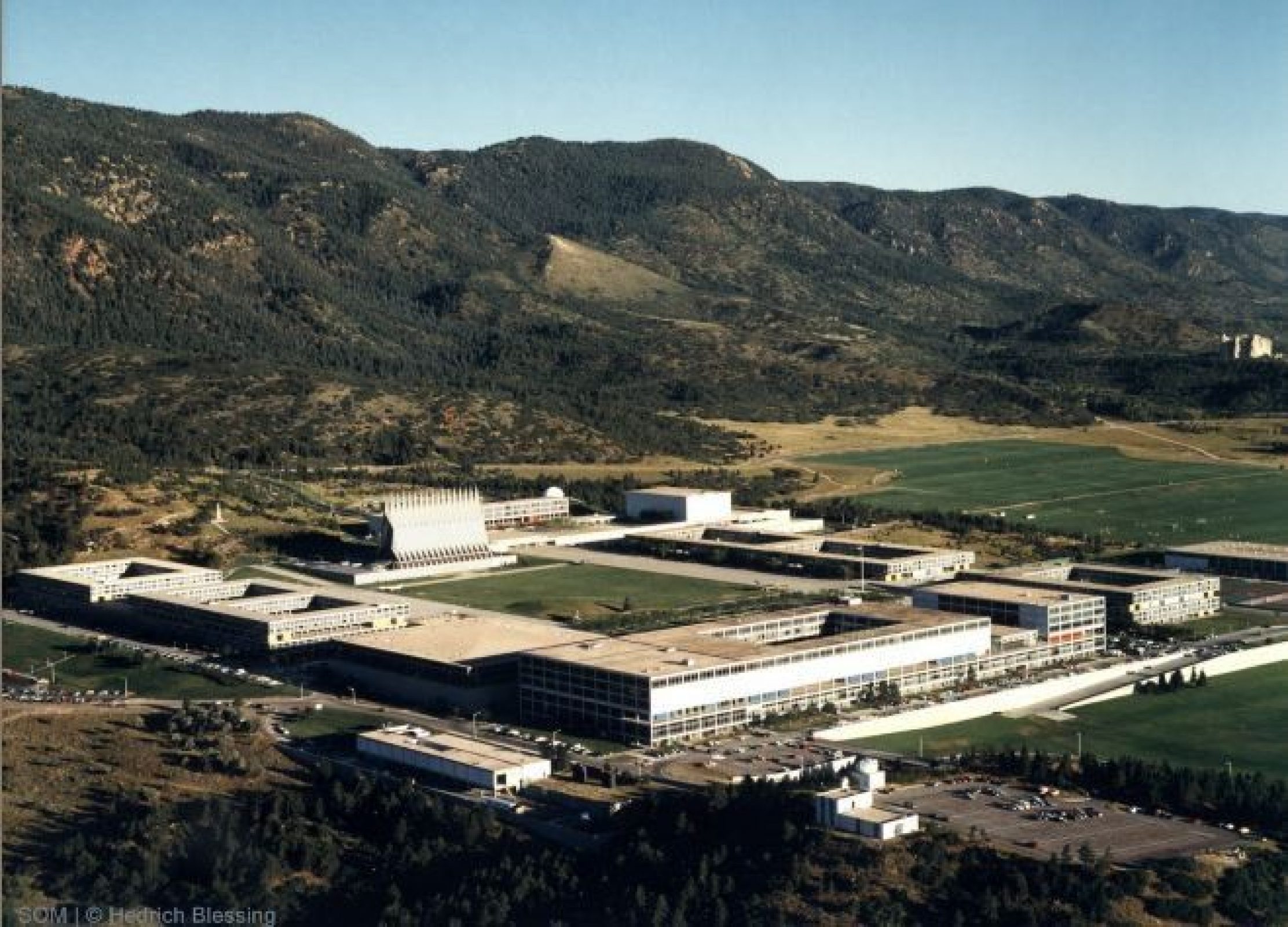
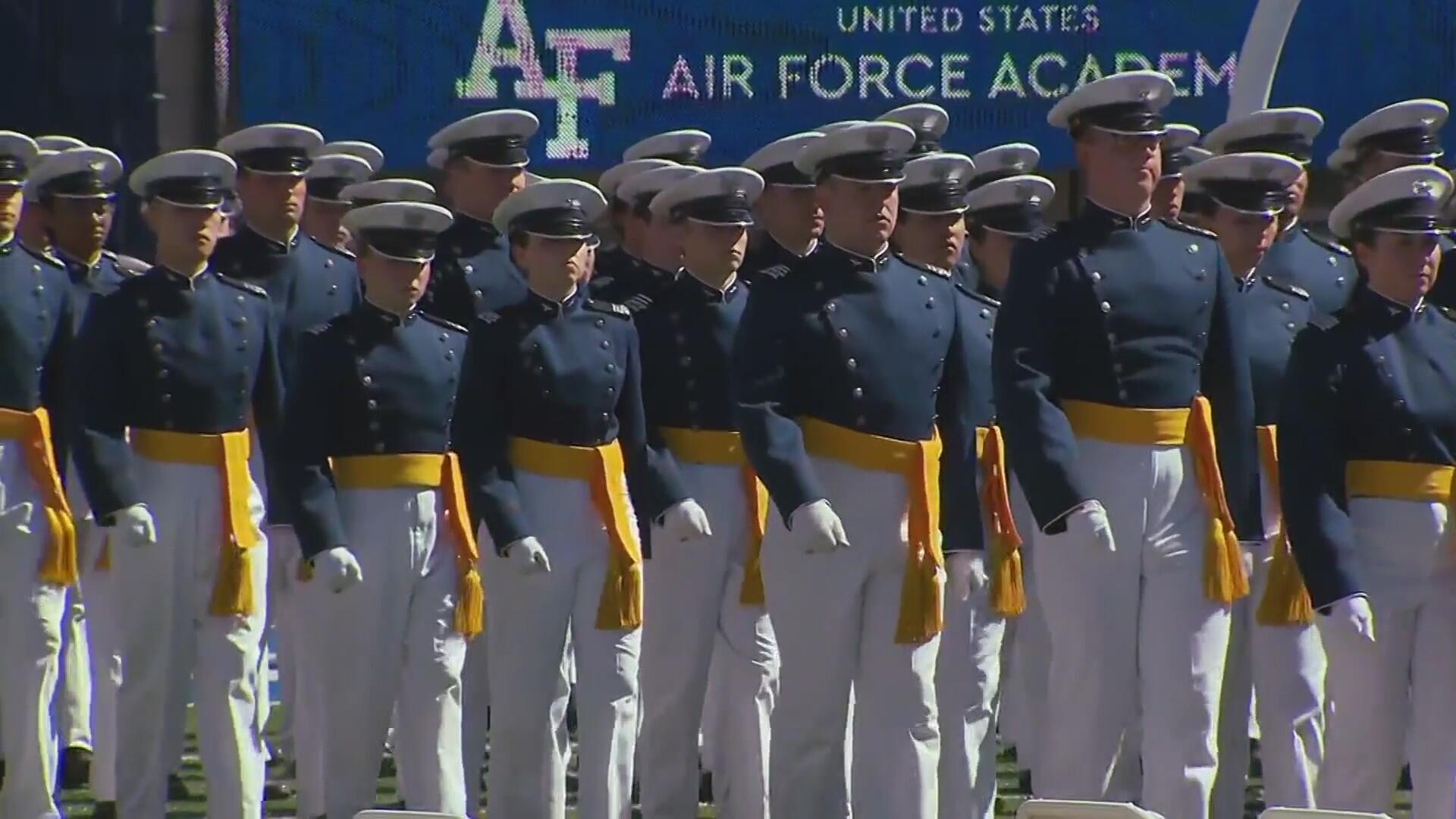
The United States Air Force Academy (USAFA) is a world-class undergraduate institution and a premier military service academy located in Colorado Springs, Colorado. It provides a four-year program that combines rigorous academics, military training, and competitive athletics to commission officers into the U.S. Air Force and U.S. Space Force.
The United States Air Force Academy offers a prestigious, all-expenses-paid education to qualified young men and women. In exchange for this scholarship—valued at over $400,000—graduates receive a Bachelor of Science degree and a commission as a Second Lieutenant, with a minimum five-year active-duty service commitment to the military.
Understanding the Core Mission and Institutional Pillars
As of 2026, the Air Force Academy remains the primary commissioning source for the Department of the Air Force. Its mission is to educate, train, and inspire men and women to become leaders of character motivated to lead the U.S. Air Force and U.S. Space Force in service to the nation. The academy experience is built upon four distinct pillars: academics, military leadership, athletics, and character development.
The academic pillar is designed to create versatile leaders capable of critical thinking in high-stress environments. Every cadet, regardless of their specific major, must complete a robust core curriculum that spans the humanities, social sciences, basic sciences, and engineering. This interdisciplinary approach ensures that future officers possess the technical literacy required for modern warfare and the cultural awareness necessary for global diplomacy.
The military pillar begins the moment a student arrives for Basic Cadet Training (BCT). Over the course of four years, cadets progress through a leadership hierarchy, taking on increasing levels of responsibility for their peers and subordinates within the Cadet Wing. By their senior (First Class) year, cadets are essentially running the daily operations of the Wing, providing them with practical leadership experience that few civilian universities can replicate.
Eligibility and Prerequisite Requirements for 2026 Applicants
Securing an appointment to the Air Force Academy is a highly competitive process that requires planning years in advance. Applicants for the Class of 2030 and beyond must meet stringent federal eligibility requirements before their application can even be considered.
To be eligible for admission, an applicant must:
- Be a United States citizen (unless applying through an international exchange program).
- Be at least 17 years old but not have passed their 23rd birthday by July 1 of the year of entry.
- Be unmarried with no dependents.
- Demonstrate high moral character and academic excellence.
Beyond these baseline requirements, the Academy looks for "whole-person" candidates. This means that while high SAT or ACT scores and a strong GPA are necessary, they are not sufficient on their own. The admissions board evaluates leadership potential through extracurricular involvement, such as student government, scouting, or community service. Physical fitness is also a non-negotiable prerequisite, as every cadet must be an athlete—whether on a Division I intercollegiate team or a intramural squad.
The Multi-Step Admissions and Nomination Process
The application process for the Air Force Academy is significantly more complex than that of a traditional university. It involves two parallel tracks: the Academy's own application and the pursuit of a legal nomination.
Securing a Legal Nomination
By law, every applicant to a service academy must receive a nomination from an authorized source. Most nominations come from a member of the U.S. Congress (either a U.S. Representative or a U.S. Senator). Other sources include the Vice President of the United States or "service-connected" categories for children of career military personnel or deceased/disabled veterans. It is recommended that applicants apply to all available sources, including both of their state's Senators and their local Congressional Representative, to increase their chances of success.
The Candidate Fitness Assessment (CFA)
The CFA is a six-event test designed to measure an applicant’s strength, agility, speed, and endurance. The events include a basketball throw from a kneeling position, pull-ups (or a flexed-arm hang for some candidates), a shuttle run, modified sit-ups, push-ups, and a one-mile run. Applicants should train specifically for these events, as "maxing out" the scores can significantly boost the overall competitiveness of the application package.
Medical Evaluation (DoDMERB)
All candidates must undergo a thorough medical examination through the Department of Defense Medical Examination Review Board (DoDMERB). This process ensures that applicants are physically capable of meeting the demands of military service. Common disqualifiers include certain vision issues, chronic respiratory conditions, or significant orthopedic histories, though waivers are occasionally granted for minor conditions.
| Application Milestone | Typical Timeline (2026 Cycle) | Critical Action Required |
|---|---|---|
| Pre-Candidate Questionnaire | March – December 2025 | Initial screening to open an application file. |
| Congressional Nomination App | April – October 2025 | Apply to Senators and Representatives. |
| Medical Examination | July – January 2026 | Complete DoDMERB physical and eye exams. |
| Candidate Fitness Assessment | August – January 2026 | Submit certified scores from a coach or PE teacher. |
| Admissions Board Review | November – April 2026 | Rolling notifications of appointment or rejection. |
| Appointment Acceptance | By May 1, 2026 | Final commitment to join the incoming class. |
Academic Programs and Majors of Study
The Air Force Academy is consistently ranked among the top undergraduate engineering schools in the United States. However, its offerings are diverse, providing over 30 different majors across several divisions. Every graduate earns a Bachelor of Science degree, reflecting the heavy emphasis on STEM (Science, Technology, Engineering, and Mathematics) that is required for modern aerospace and cyberspace operations.
Cadets can choose from traditional fields like Aeronautical Engineering, Astronautical Engineering, and Computer Science, or pursue social sciences and humanities like Military & Strategic Studies, Foreign Area Studies, or English. For those interested in the newest branch of the military, the Academy has expanded its curriculum in Space Operations and Cybersecurity to better prepare cadets for commissioning into the U.S. Space Force.
The faculty at the Academy is a unique blend of military officers and civilian professors. This mix provides cadets with both academic depth and practical insights into how their studies will apply to their future careers as officers. Small class sizes, typically ranging from 15 to 20 students, allow for personalized instruction and mentorship that is often missing at larger state institutions.
Life as a Cadet: The Four-Year Progression
The life of a cadet is characterized by the "Long Blue Line" of tradition and a schedule that is managed down to the minute. The experience is intentionally designed to be challenging, pushing cadets to their physical and mental limits to prepare them for the rigors of leadership.
The Fourth-Class Year (Freshman)
The first year is the most demanding. It begins with Basic Cadet Training (BCT), a six-week program that transitions civilians into the military lifestyle. Once the academic year starts, Fourth-Class cadets (known as "Smacks" or "Doolies") must follow strict rules of decorum, including "prop and wings" positioning in the hallways and memorizing vast amounts of military knowledge (Contrails).
The Upper-Class Years
As cadets progress to their Third-Class (Sophomore), Second-Class (Junior), and First-Class (Senior) years, they gain more privileges and leadership responsibilities.
- Third-Class Year: Focuses on developing interpersonal leadership skills and beginning specialized major coursework.
- Second-Class Year: Cadets receive their class rings and begin to take on mid-level management roles within their squadrons.
- First-Class Year: The "Firsties" are the senior leaders of the Wing. They spend much of their time mentoring younger cadets while preparing for their specific career assignments (AFSCs) upon graduation.
Financial Benefits and Service Commitment
One of the most significant draws of the Air Force Academy is the financial package. Cadets pay no tuition and receive free room and board. Additionally, they receive a monthly stipend (approximately $1,200 as of 2026) to cover the cost of uniforms, books, and personal expenses.
However, this is not a "free" education in the traditional sense. It is a service contract. Upon graduation, all cadets are required to serve a minimum of five years on active duty. For those who enter flight school to become pilots, the commitment is typically ten years after they receive their wings. Those commissioning into the Space Force or specialized medical/legal tracks may have varying commitment lengths depending on the advanced training required.
The official Air Force Academy website provides the most current updates on pay scales and service regulations for 2026 and beyond.
FAQ: Frequently Asked Questions about USAFA
What is the acceptance rate for the Air Force Academy?
The acceptance rate typically hovers between 10% and 12%, making it one of the most selective institutions in the country. Success depends on a combination of academic scores, physical fitness, and the ability to secure a congressional nomination.
Can I join the Space Force from the Air Force Academy?
Yes. The Academy commissions a significant portion of its graduating class directly into the U.S. Space Force. Cadets interested in this path usually major in STEM fields like Astronautical Engineering or Physics and apply for Space Force slots during their senior year.
Do I have to be a pilot if I go to the Air Force Academy?
No. While many cadets attend the Academy specifically to become pilots, there are dozens of other career fields available, including intelligence, cyber operations, civil engineering, logistics, and space operations. Approximately half of each graduating class goes into non-rated (non-flying) positions.
What happens if I decide to leave the Academy?
Cadets who leave before the first day of their junior year (Second-Class year) generally do so without any financial or service obligation. However, those who leave after starting their junior year are usually required to either serve a period of active duty as an enlisted member or reimburse the government for the cost of their education.
Is the Air Force Academy harder than West Point or Annapolis?
All three major service academies are equally rigorous but focus on different domains. USAFA emphasizes aerospace and cyberspace, West Point focuses on land warfare, and Annapolis focuses on naval and marine operations. The "hardness" is subjective and depends on a student’s personal interests and career goals.
Preparing for Your Next Steps
If you are considering a career as an officer in the Air Force or Space Force, your preparation should begin as early as your freshman or sophomore year of high school. Focus on maintaining a high GPA, particularly in honors or AP-level math and science courses. Seek out leadership roles in sports or clubs, and begin a consistent fitness routine to prepare for the Candidate Fitness Assessment.
For those currently in the 2026 application cycle, ensure that your communication with your Congressional offices is professional and timely. The nomination is often the "gatekeeper" to an appointment; without it, even a perfect academic record cannot secure your spot in the Cadet Wing. Visit the USAFA Admissions portal to track your deadlines and stay informed of any changes to the 2026-2027 entry requirements.