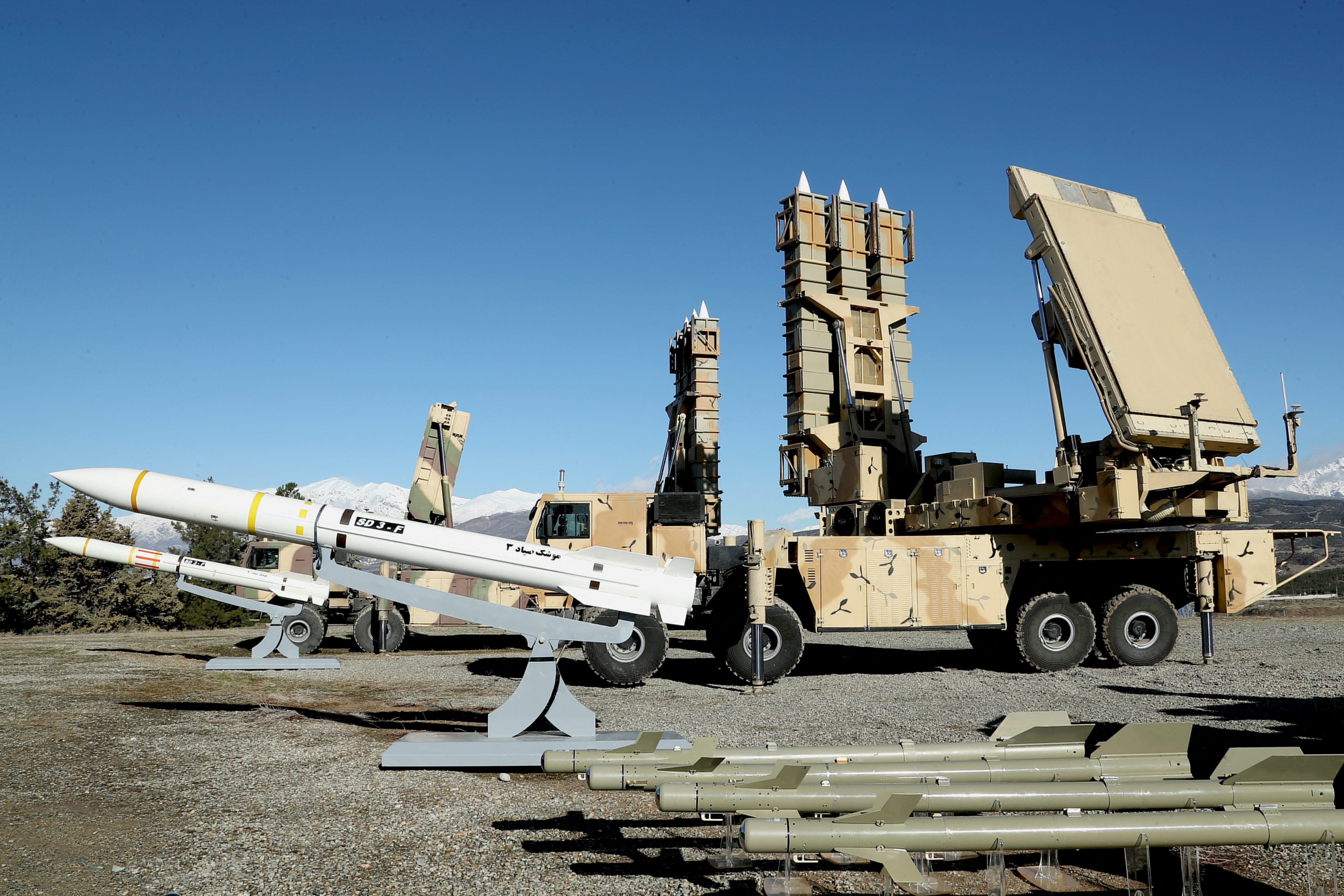
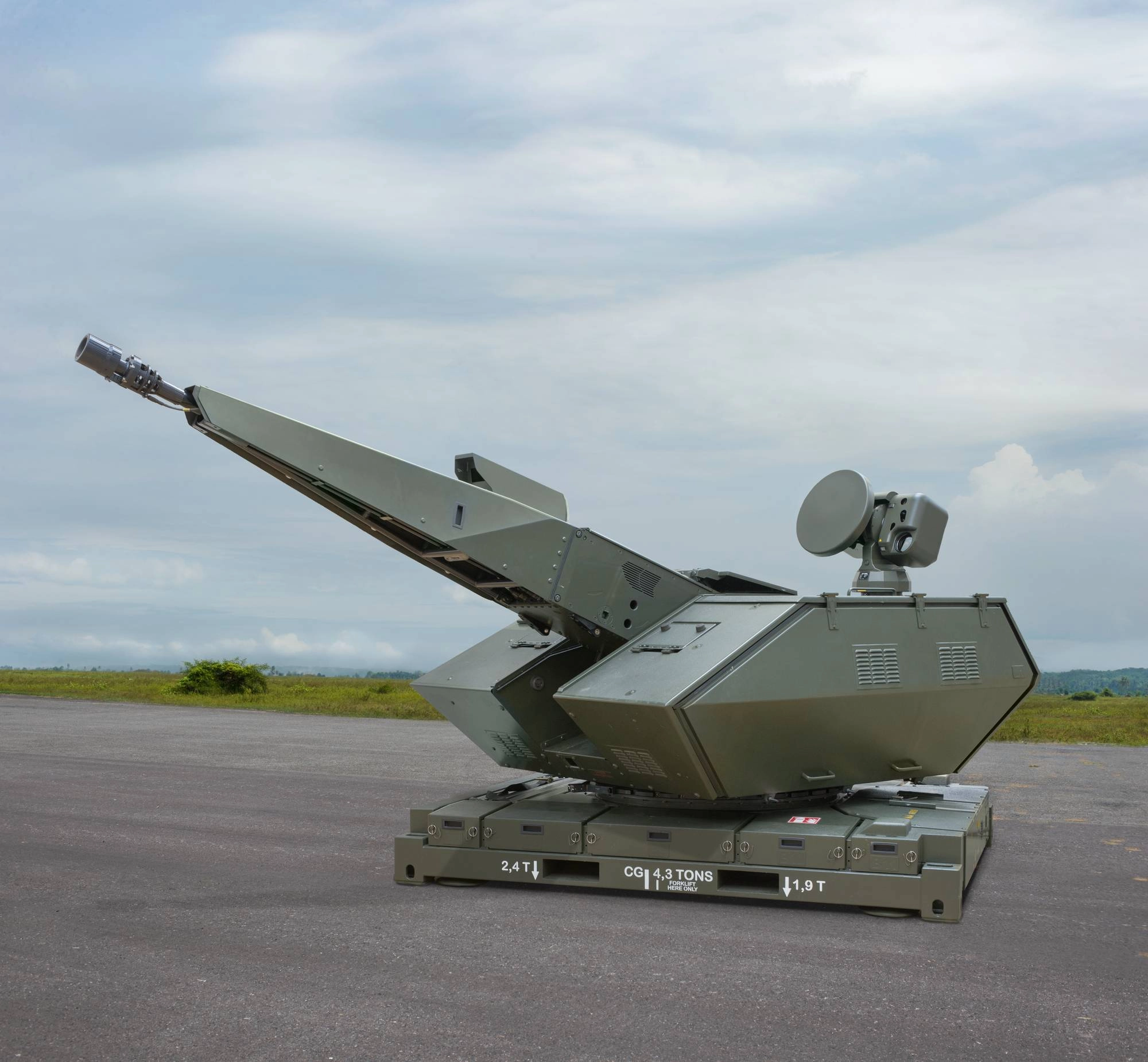
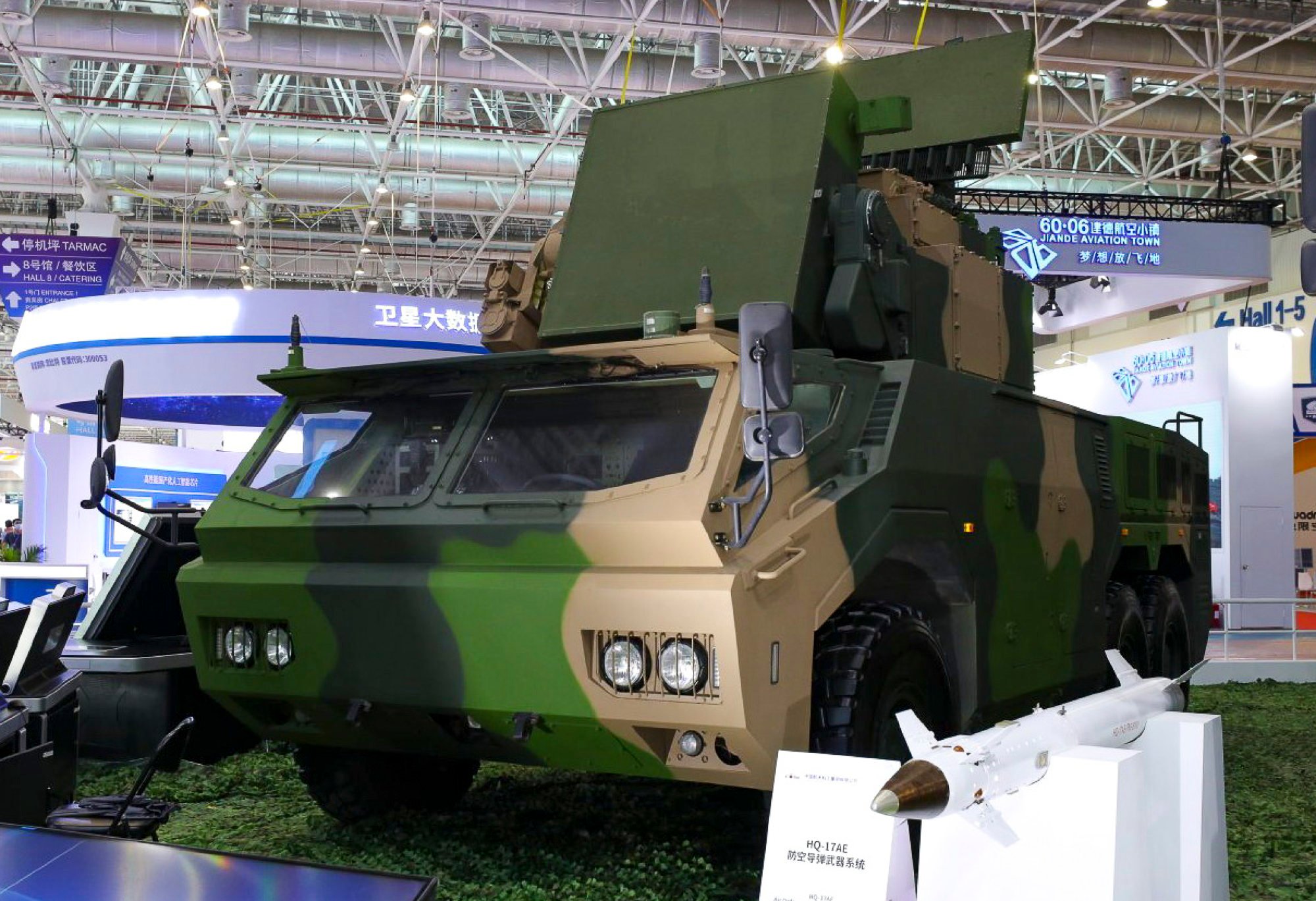
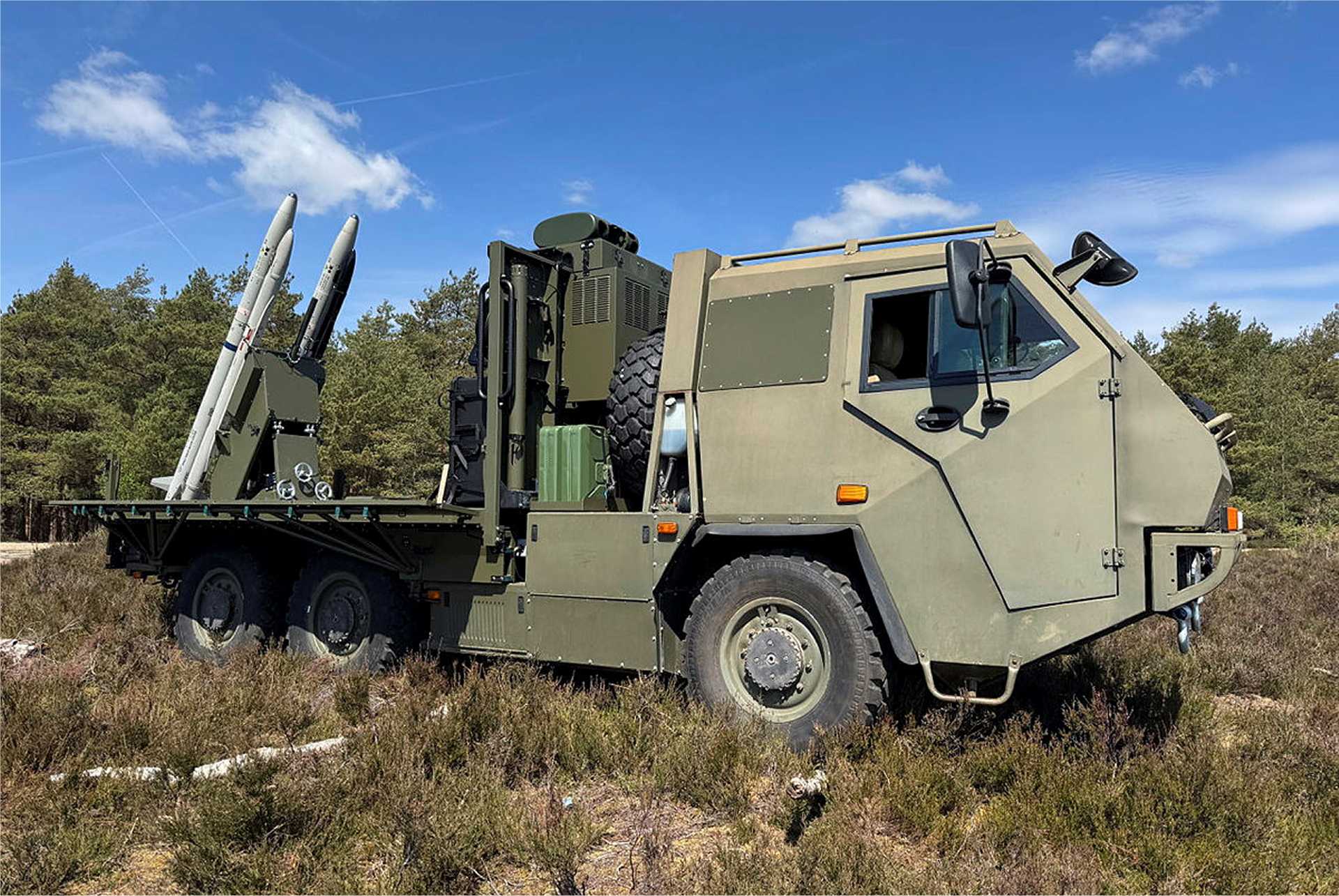
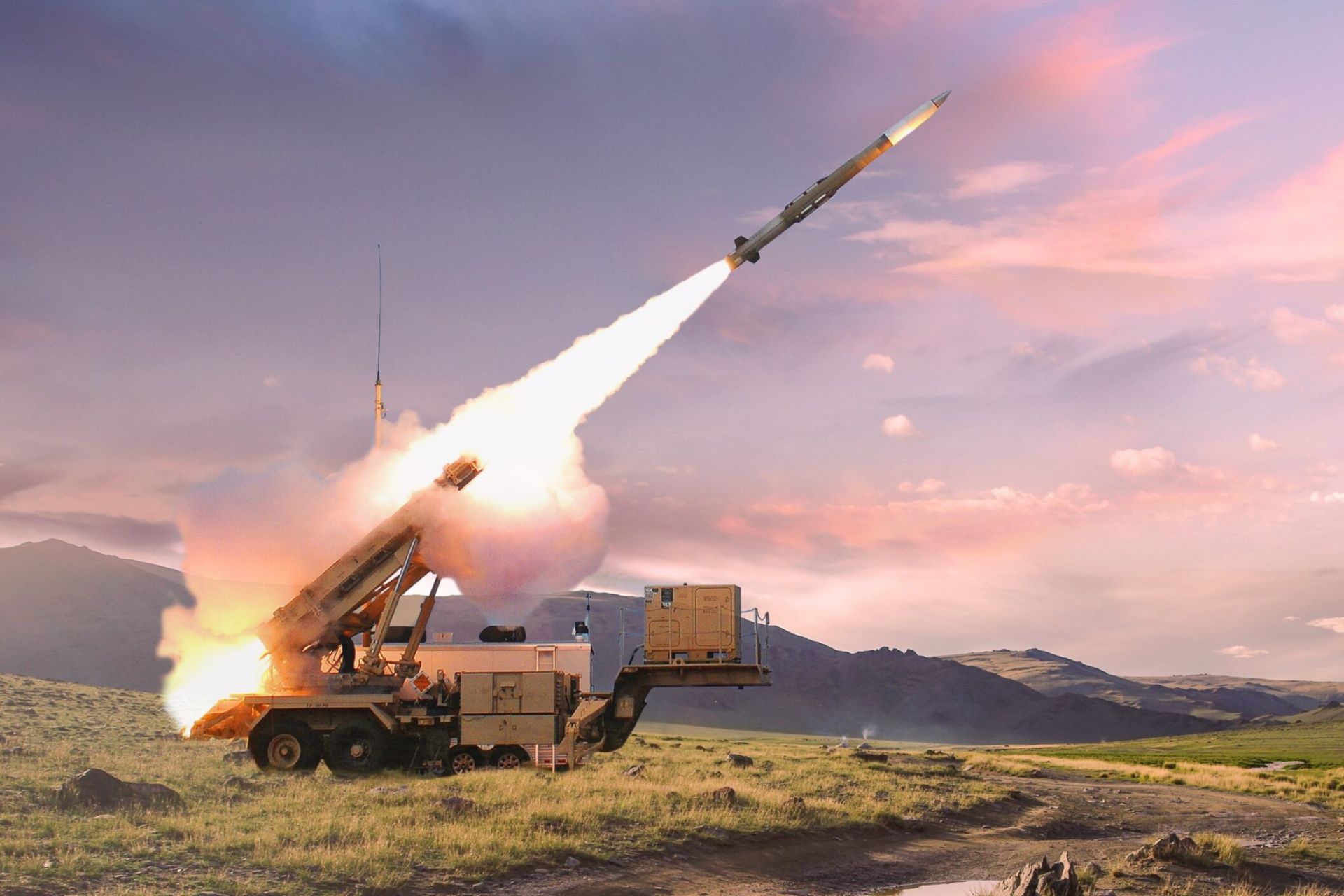
Air defense is a multi-layered framework of sensors, command structures, and weapons designed to protect sovereign territory and military assets from aerial threats. It functions by detecting, identifying, tracking, and neutralizing hostile aircraft, missiles, and unmanned systems. Modern air defense relies on "Integrated Air Defense Systems" (IADS) to coordinate responses across various altitudes, ranges, and domains.
The evolution of aerial warfare has shifted from simple anti-aircraft artillery to complex, multi-domain environments where threats range from low-cost "suicide" drones to hypersonic missiles traveling at several times the speed of sound. As of 2026, the strategic importance of air defense has reached a peak, as the ability to deny an adversary control of the skies is often the deciding factor in modern conflict. This guide explores the technical components, the architecture of layered defense, and the emerging technologies defining the current landscape.
The Architecture of Integrated Air Defense Systems (IADS)
An Integrated Air Defense System (IADS) is not a single weapon but a "system of systems." It represents the organizational structure that fuses together various sensors and weapons to provide a comprehensive picture of the airspace. The primary goal of an IADS is to ensure that the right effector (weapon) is used against the right target at the optimal time.
The Sensor Network
The foundation of any air defense system is detection. In 2026, this is achieved through a mix of Active Electronically Scanned Array (AESA) radars, passive sensors, and satellite-based early warning systems. AESA radars are particularly critical because they can track hundreds of targets simultaneously while being more resistant to electronic jamming than older mechanical radars. Passive sensors, which do not emit signals themselves but instead detect the heat or radio emissions of incoming threats, have become essential for detecting stealth aircraft that are designed to reflect radar waves away from the source.
Command and Control (C2)
The C2 element serves as the brain of the operation. It receives raw data from sensors, correlates it to remove duplicates, and identifies whether a target is "friend or foe" using IFF (Identification Friend or Foe) protocols. Modern C2 systems use advanced algorithms to perform "threat evaluation and weapon assignment." For example, if a high-speed ballistic missile and a low-speed drone are detected simultaneously, the C2 system will prioritize the ballistic missile for a high-performance interceptor while assigning a cheaper electronic warfare system or gun-based system to the drone.
The Effector Layer
Effectors are the tools used to neutralize threats. These are generally categorized into three types:
- Hard-kill systems: Traditional missiles and anti-aircraft guns that physically destroy the target.
- Soft-kill systems: Electronic warfare (EW) suites that jam GPS signals or data links, causing drones to crash or veer off course.
- Directed Energy Weapons (DEW): High-energy lasers or high-power microwaves that disable electronics or melt airframes.
The Concept of Layered Defense
No single air defense system can counter every type of threat. A "leaky" defense is a failure; therefore, military doctrine emphasizes a layered approach, often referred to as "Defense in Depth." This ensures that if a threat penetrates the outer perimeter, there are subsequent layers to engage it.
Strategic/Long-Range Air Defense (LRAD)
LRAD systems are designed to protect entire regions or critical national infrastructure. These systems, such as the American Patriot (PAC-3) or the European SAMP/T, typically engage targets at ranges exceeding 100 kilometers and altitudes up to the edge of space. They are the primary defense against tactical ballistic missiles and high-altitude bombers.
Medium-Range Air Defense (MRAD)
MRAD systems serve as the "workhorse" of the defense network. They fill the gap between strategic defense and point defense, covering ranges between 20 and 50 kilometers. Systems like the IRIS-T SLM or the NASAMS (National Advanced Surface-to-Air Missile System) are highly mobile and are frequently used to protect major cities or military bases from cruise missiles and fighter jets.
Short-Range (SHORAD) and Point Defense
SHORAD is the most localized layer, focusing on immediate threats within 10 to 20 kilometers. This includes Man-Portable Air-Defense Systems (MANPADS) used by individual soldiers and specialized vehicle-mounted systems like the M-SHORAD. This layer is increasingly focused on "Counter-UAS" (Unmanned Aerial Systems) missions, protecting frontline troops from tactical drones and loitering munitions.
Comparison of Leading Air Defense Systems in 2026
The following table compares the specifications and primary roles of the world's most widely deployed air defense platforms.
| System Name | Country of Origin | Primary Role | Effective Range | Key Target Types |
|---|---|---|---|---|
| Patriot PAC-3 MSE | United States | Strategic/Theater Defense | 150+ km | Ballistic Missiles, Cruise Missiles, Aircraft |
| S-400 Triumf | Russia | Long-Range Strategic | 250 - 400 km | Strategic Bombers, AWACS, Ballistic Missiles |
| IRIS-T SLM | Germany | Medium-Range / City Defense | 40 km | Cruise Missiles, Drones, Fighter Jets |
| Iron Dome | Israel | Point Defense / C-RAM | 4 - 70 km | Artillery Rockets, Mortars, Short-Range UAVs |
| THAAD | United States | High-Altitude Defense | 200 km | Short/Medium Range Ballistic Missiles |
| SAMP/T (Mamba) | France/Italy | Strategic/Theater Defense | 100+ km | Tactical Ballistic Missiles, Aircraft |
Emerging Threats: Hypersonics and Swarm Intelligence
As we move through 2026, air defense planners are grappling with two primary technological shifts that threaten to render older systems obsolete: hypersonic weapons and drone swarms.
The Hypersonic Challenge
Hypersonic missiles travel at speeds exceeding Mach 5 and, unlike ballistic missiles, they can maneuver within the atmosphere. This combination of speed and unpredictability makes them incredibly difficult to intercept. To counter this, air defense is moving toward "space-based sensor layers" that can track the heat signatures of hypersonic gliders from above, providing the early warning necessary for specialized interceptors like the SM-6 or the Glide Phase Interceptor (GPI) to engage them.
Asymmetric Drone Warfare
The rise of low-cost, mass-produced drones has created a "cost-exchange" problem. It is financially unsustainable to fire a $2 million interceptor missile at a $20,000 "suicide" drone. In response, modern air defense is incorporating "non-kinetic" solutions. Electronic warfare systems that "spoof" GPS signals can force drones to land or return to their launch point. Furthermore, 2026 marks the wider operational deployment of high-energy lasers, which can neutralize a drone for the cost of the electricity used—roughly a few dollars per shot.
The Role of Artificial Intelligence in Air Defense
AI has become a force multiplier within the IADS architecture. The speed of modern combat—where a missile can cross hundreds of miles in minutes—surpasses the limits of human reaction time. AI-driven C2 systems assist operators by:
- Predictive Analysis: Anticipating the flight path of maneuvering targets based on historical data and physics-based modeling.
- Sensor Fusion: Automatically merging data from dozens of different radars and infrared cameras into a single "Common Operational Picture" (COP).
- Autonomous Prioritization: Instantly identifying which incoming threats pose the greatest risk to life or infrastructure and suggesting the most efficient weapon to use.
While "human-in-the-loop" remain a legal and ethical requirement for the use of lethal force, AI handles the heavy lifting of data processing, allowing human commanders to make high-level strategic decisions rather than getting bogged down in individual target tracking.
Frequently Asked Questions
What is the difference between active and passive air defense?
Active air defense involves direct action to destroy or nullify an incoming threat, such as firing a missile or using an electronic jammer. Passive air defense refers to non-kinetic measures taken to reduce the effectiveness of an attack, including camouflage, hardening of structures (like bunkers), dispersal of assets, and using decoys to mislead enemy sensors.
Can air defense stop all incoming missiles?
No air defense system is 100% effective. Success rates depend on the "saturation" of the defense—if an attacker fires more missiles than the defender has interceptors or radar channels, some will inevitably get through. This is why air defense is often part of a broader strategy that includes offensive capabilities to destroy launchers before they can fire.
How does stealth technology affect air defense?
Stealth technology is designed to reduce the Radar Cross Section (RCS) of an aircraft, making it appear as small as a bird or a marble on traditional radar screens. To counter this, modern air defense uses multi-static radar (multiple transmitters and receivers) and low-frequency radars that are less affected by stealth coatings, as well as Infrared Search and Track (IRST) systems that detect the heat of the engines.
Why is SHORAD becoming more important in 2026?
The proliferation of small, cheap, and lethal drones on the battlefield has made Short-Range Air Defense (SHORAD) critical for the survival of ground troops. Historically, air defense focused on high-altitude threats, but the "democratization" of airpower through drones means even small insurgent groups can now launch aerial attacks, necessitating local protection for every mobile unit.
What are C-RAM systems?
C-RAM stands for Counter Rocket, Artillery, and Mortar. These are specialized air defense systems, such as the Land-based Phalanx (LPWS) or Iron Dome, designed to intercept very small, fast-moving ballistic projectiles that are fired from short ranges. They often use high-rate-of-fire guns or highly agile missiles to intercept the threat seconds before impact.
Evaluating and Implementing Air Defense Requirements
For nations and organizations looking to modernize their defensive posture in 2026, the first step is a comprehensive Threat and Vulnerability Assessment. This involves identifying what needs to be protected (cities, bases, power plants) and what the most likely threats are (long-range missiles vs. tactical drones).
Because air defense is prohibitively expensive, the "High-Low Mix" strategy is often the most viable path. This involves investing in a small number of high-end strategic systems (like Patriot) for national defense, while widely distributing lower-cost gun and EW-based systems for drone protection. Furthermore, interoperability is paramount; purchasing systems that can share data via NATO-standard data links (like Link 16) ensures that a sensor in one country can provide targeting data for a missile in another, creating a truly unified shield.