Game of Thrones Season 8 premiered on April 14, 2019, and concluded its historic run on May 19, 2019. The final season consisted of six episodes, which aired weekly on Sunday nights at 9:00 PM ET on HBO. This release schedule marked the culmination of nearly a decade of television history.
The Final Season Timeline: A Global Television Event
The air date for Game of Thrones Season 8 was one of the most anticipated events in modern media history. After a hiatus of nearly 20 months following the Season 7 finale, HBO officially launched the final chapter of the Westeros saga in the spring of 2019. The release schedule was designed to maximize global viewership, utilizing a simultaneous broadcast strategy that saw the show air in over 170 countries at the exact same moment.
From the perspective of 2026, we can look back at the 2019 release as a "high-water mark" for traditional linear television. The "countdown" to the premiere was not just a fan activity but a massive marketing machine. Starting in January 2019, HBO began a series of coordinated reveals, including the "Crypts of Winterfell" teaser which finally confirmed the April 14 start date. This announcement triggered a global countdown that dominated social media for three months.
The schedule itself was relatively short compared to previous seasons. While earlier seasons typically ran for ten episodes, Season 8 was condensed into six. However, the runtime of these episodes was significantly longer, with several installments reaching feature-film lengths. This shift in the schedule was a direct result of the immense production requirements, as the showrunners, David Benioff and D.B. Weiss, opted for a "movie-quality" approach to the final battles.
Detailed Breakdown of the Season 8 Release Schedule
The Season 8 release schedule followed a strict weekly cadence. Unlike modern streaming services that often "drop" entire seasons at once, HBO maintained the prestige appointment-viewing model. This fostered a weekly cultural conversation, allowing theories and discussions to breathe between episodes.
The schedule was as follows:
| Episode Number | Title | Original Air Date | Runtime (Minutes) |
|---|---|---|---|
| 801 | Winterfell | April 14, 2019 | 54 Minutes |
| 802 | A Knight of the Seven Kingdoms | April 21, 2019 | 58 Minutes |
| 803 | The Long Night | April 28, 2019 | 82 Minutes |
| 804 | The Last of the Starks | May 5, 2019 | 78 Minutes |
| 805 | The Bells | May 12, 2019 | 79 Minutes |
| 806 | The Iron Throne | May 19, 2019 | 80 Minutes |
The premiere episode, "Winterfell," set the stage by reuniting the remaining characters in the North. As the countdown reached zero on that Sunday night in April, HBO servers faced unprecedented demand, highlighting the transition from cable to digital streaming that was already well underway. The finale on May 19 remains one of the most-watched episodes in the history of the network.
The 595-Day Wait: Why the Long Countdown?
To understand the release schedule of Season 8, one must consider the 595-day gap between the end of Season 7 (August 27, 2017) and the premiere of Season 8. This was the longest "countdown" in the series' history. Several technical and logistical factors contributed to this extended timeline:
- Production Scale: The scale of the "Battle of Winterfell" (Episode 3, "The Long Night") required an unprecedented 55 nights of outdoor filming in the cold of Northern Ireland. This was followed by months of extensive post-production and visual effects work to create the undead army.
- Weather Conditions: Filming was heavily dependent on specific weather conditions to match the "Winter has arrived" aesthetic. This forced the production team to wait for optimal windows in late 2017 and early 2018.
- Extended Runtimes: Since four of the six episodes exceeded 70 minutes, the production was essentially creating six feature-length films back-to-back. The editing process alone for these massive files required a longer-than-usual schedule.
- Security and Spoilers: HBO implemented rigorous security protocols to prevent script leaks, which added layers of complexity to the filming and distribution process.
In 2026, we often see large gaps between seasons of high-budget prestige TV (such as House of the Dragon), but in 2019, the two-year wait for Game of Thrones was a major point of discussion and heightened the tension for the eventual air date.
Global Broadcast Mechanics and Time Zones
The "countdown" for Game of Thrones was a worldwide phenomenon because of HBO's commitment to a global simulcast. Because of the high risk of spoilers in the digital age, HBO coordinated with international partners to ensure that the air date was consistent across the globe, regardless of local time.
For example, while the show aired at 9:00 PM ET in the United States on Sunday, April 14, it was being broadcast at 2:00 AM on Monday, April 15 in the United Kingdom on Sky Atlantic. This global synchronization created a unique "monoculture" moment where fans from Tokyo to London to Los Angeles were watching the same events unfold simultaneously.
The technical requirements for this were immense. HBO had to ensure that their streaming platforms—at the time, HBO Go and HBO Now—could handle the traffic. In 2026, where we have moved to the more robust Max platform, we can appreciate the hurdles the engineers faced in 2019 when millions of people refreshed their browsers the moment the countdown ended.
How to Access Season 8 in 2026
If you are looking to revisit the final season today, the landscape of "where to watch" has shifted since the 2019 release. While the original air dates are a matter of history, the content is more accessible than ever in higher fidelity.
Streaming on Max
As of 2026, the primary home for Game of Thrones is Max (formerly HBO Max). The entire eighth season is available in 4K UHD, featuring Dolby Vision and Dolby Atmos support. This is a significant upgrade from the original 2019 broadcast, which was primarily seen in 1080i on cable or 1080p via the older HBO apps. Watching "The Long Night" today on a modern OLED screen with HDR provides much more clarity in the dark scenes that were famously difficult to see during the original air date.
Physical Media
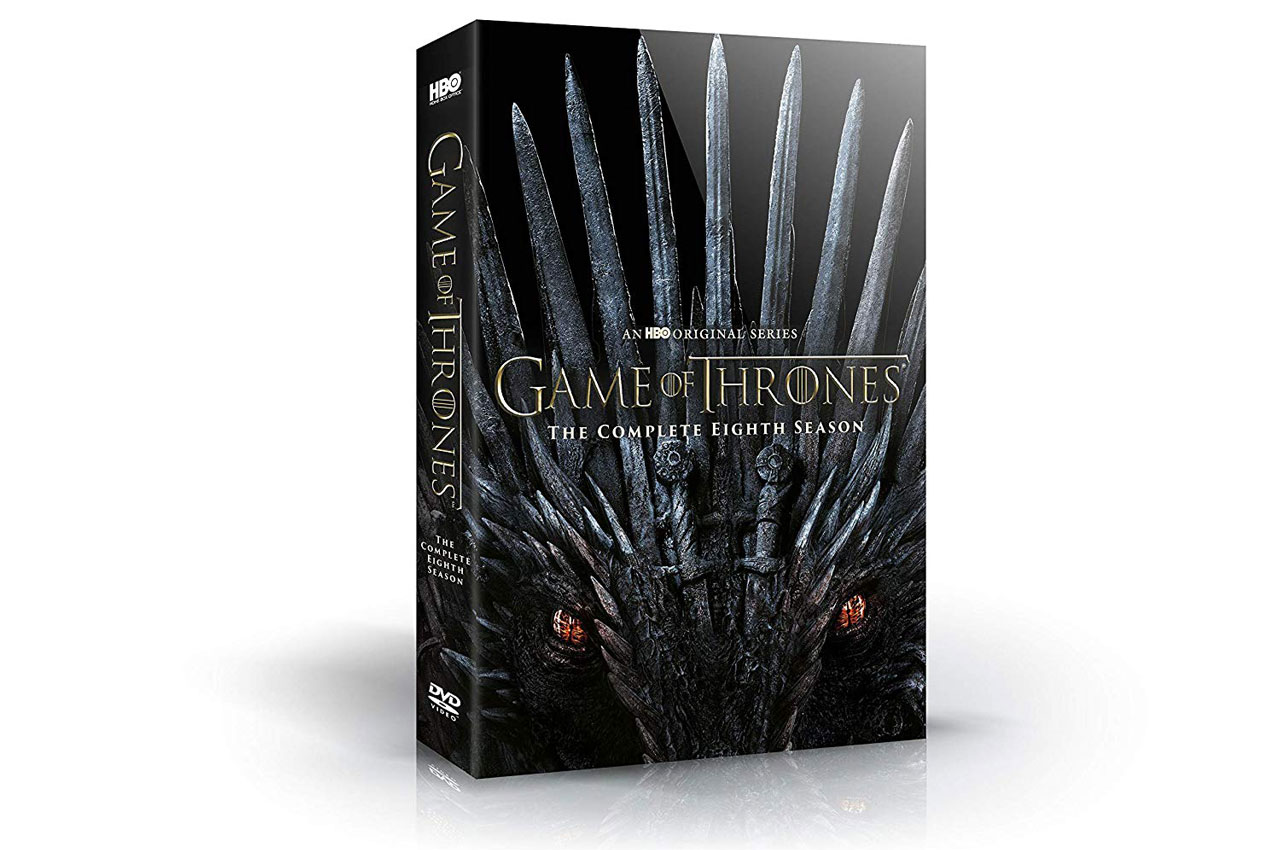
For collectors, the Season 8 release is available on 4K Ultra HD Blu-ray. This remains the gold standard for viewing the final season, as the high bitrate prevents the compression artifacts that some viewers experienced during the initial 2019 streaming rush.
Digital Purchase
Platforms like Apple TV, Amazon Prime Video, and Vudu continue to offer the season for individual purchase. However, these versions are generally tied to the respective platform's ecosystem and do not offer the "behind the scenes" interactive content found on the Max app or physical discs.
Technical Specifications and Production Facts
Season 8 was not just about the dates; it was a technical achievement. The season was shot on Arri Alexa cameras and processed with a heavy emphasis on cinematic depth.
- Total Runtime: Approximately 431 minutes of story.
- Budget: Each episode had an estimated budget of $15 million, totaling roughly $90 million for the season.
- Directorial Lineup: David Nutter directed episodes 1, 2, and 4; Miguel Sapochnik directed episodes 3 and 5; and the showrunners Benioff and Weiss directed the series finale.
- Visual Effects: The number of VFX shots in Season 8 surpassed any previous season, specifically for the dragons and the destruction of King’s Landing.
The countdown to each episode was often accompanied by "Inside the Episode" featurettes, which HBO released immediately following the broadcast. These provided deep dives into the technical challenges of the week's release.
FAQs About the Season 8 Schedule
What time did Game of Thrones Season 8 air?
Episodes aired at 9:00 PM Eastern Time (ET) in the United States. This was the traditional "prestige" timeslot for HBO's flagship series. Internationally, the time varied by zone, with many European countries airing it in the early hours of Monday morning to match the US release.
Why were there only 6 episodes in Season 8?
The decision to produce six episodes instead of the standard ten was made by the showrunners. They felt that the narrative required a more focused, cinematic structure to conclude the story. While the episode count was lower, the individual runtimes were much longer than average, effectively providing the content of roughly eight standard episodes.
Was there a break in the Season 8 release schedule?
No, the season aired for six consecutive weeks without a hiatus. Unlike some seasons that featured a week off for holidays (like Memorial Day in the US), Season 8 ran straight through from its April 14 start to its May 19 finish.
When was the Season 8 air date first announced?
HBO officially confirmed the April 2019 premiere month in November 2018. However, the exact date of April 14 was not revealed until January 13, 2019, during the premiere of True Detective Season 3.
Can I see the original countdown trailers?
Yes, most of the original promotional material, including the "For the Throne" campaign and the official trailers, are archived on HBO’s official YouTube channel and within the "Extras" section on the Max streaming platform.
Final Viewing Recommendations for 2026
As we move further away from the 2019 air date, Game of Thrones Season 8 remains a critical piece of television history. For those watching in 2026, the best way to experience the final season is as part of a complete series marathon. The pacing of Season 8 is often better received when watched immediately following Season 7, rather than after the 595-day wait that original viewers endured.
If you are a fan of the expanded Westeros universe, it is recommended to watch the prequel series, House of the Dragon, and the newer A Knight of the Seven Kingdoms series after finishing Season 8. This provides a full chronological view of the Targaryen history and the eventual conclusion of the Iron Throne's story. For the best visual experience, prioritize the 4K HDR versions available on Max to ensure you see every detail of the final battles as the creators intended.