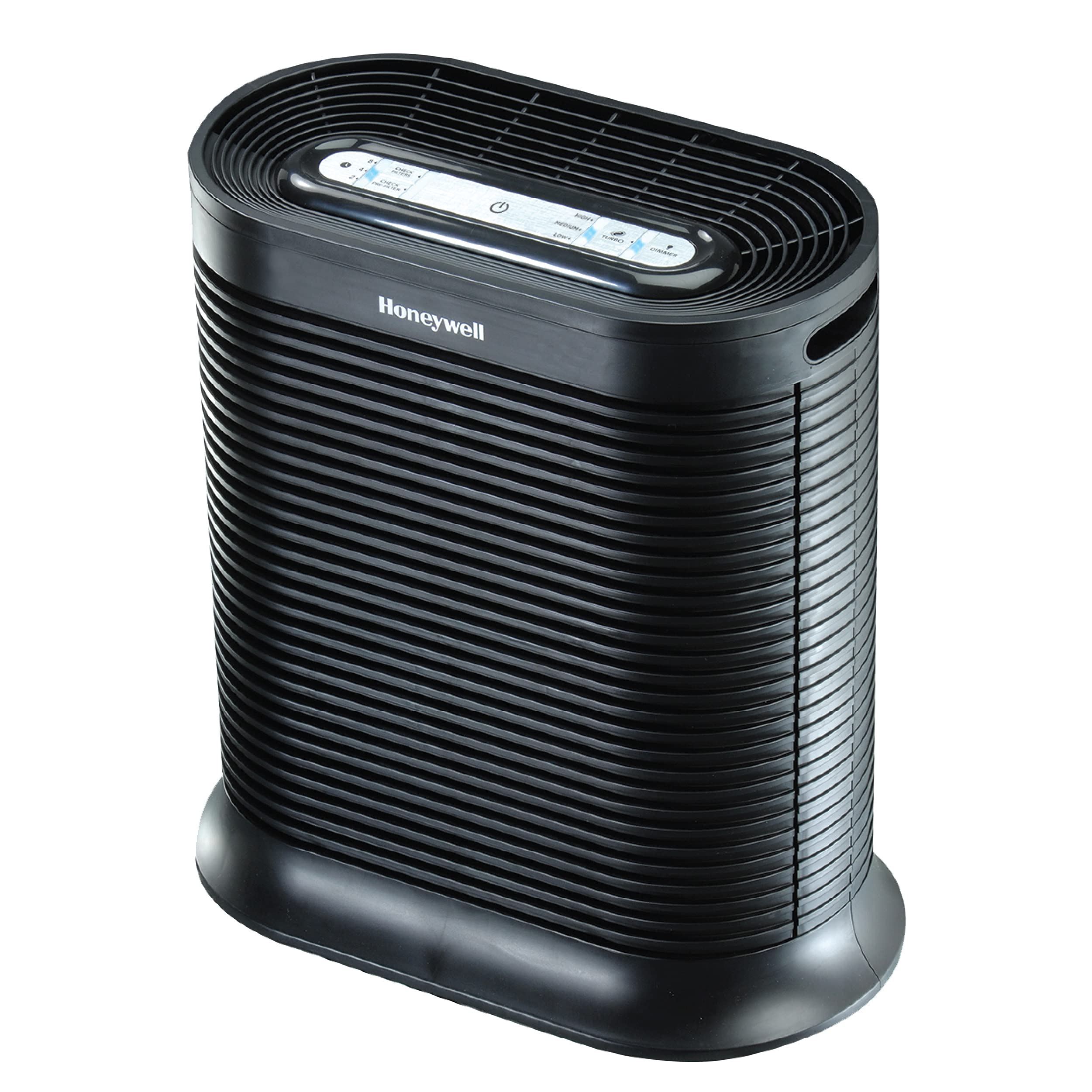
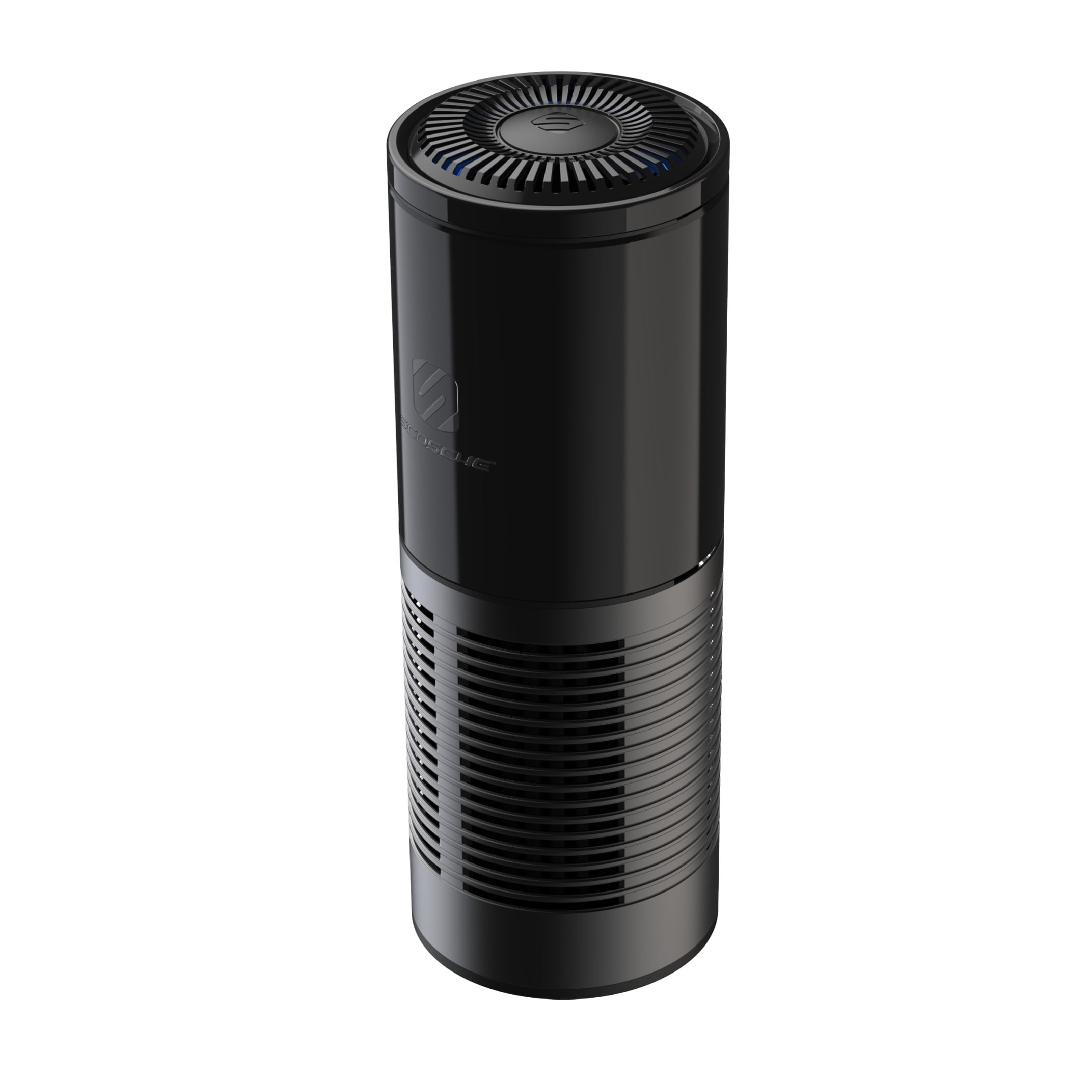
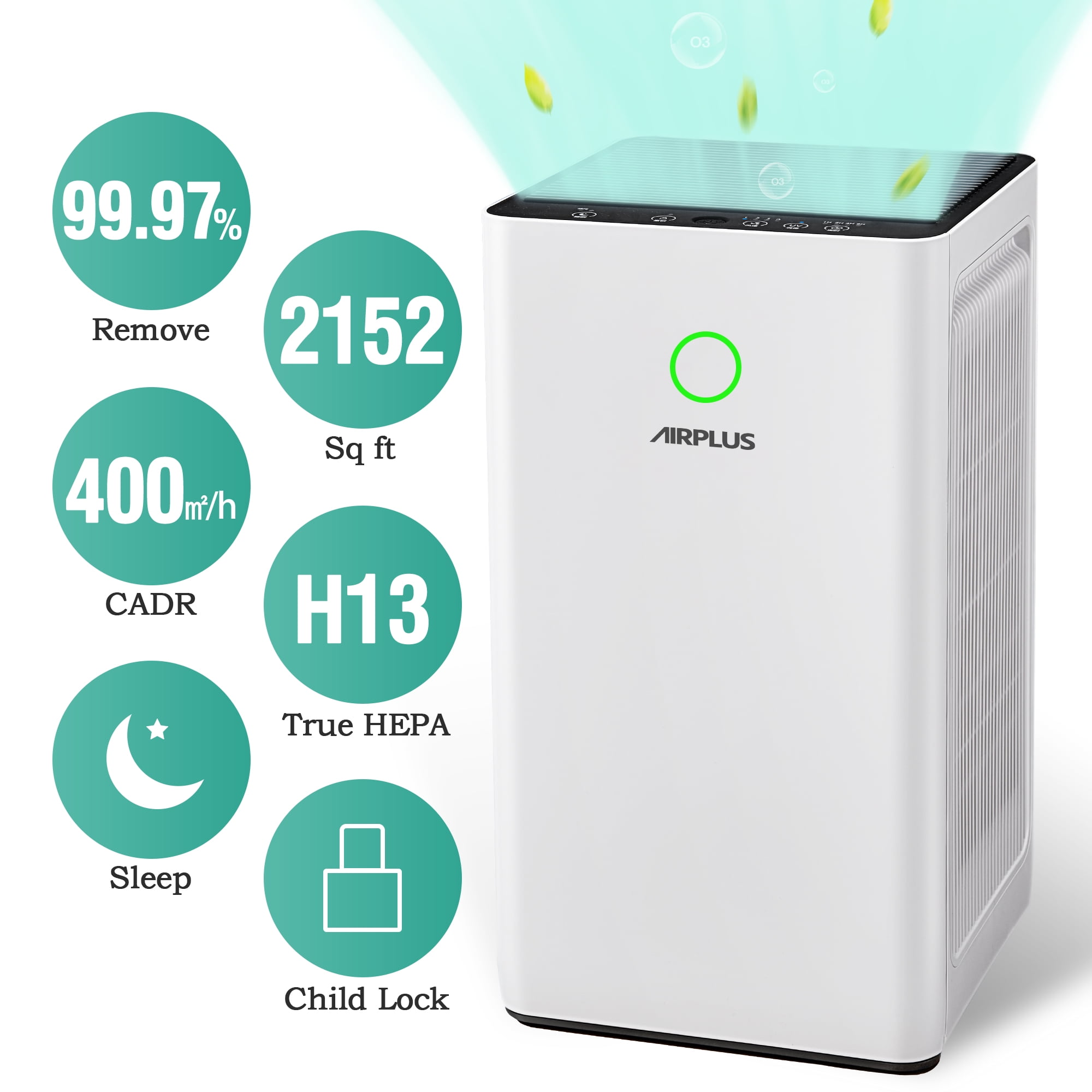
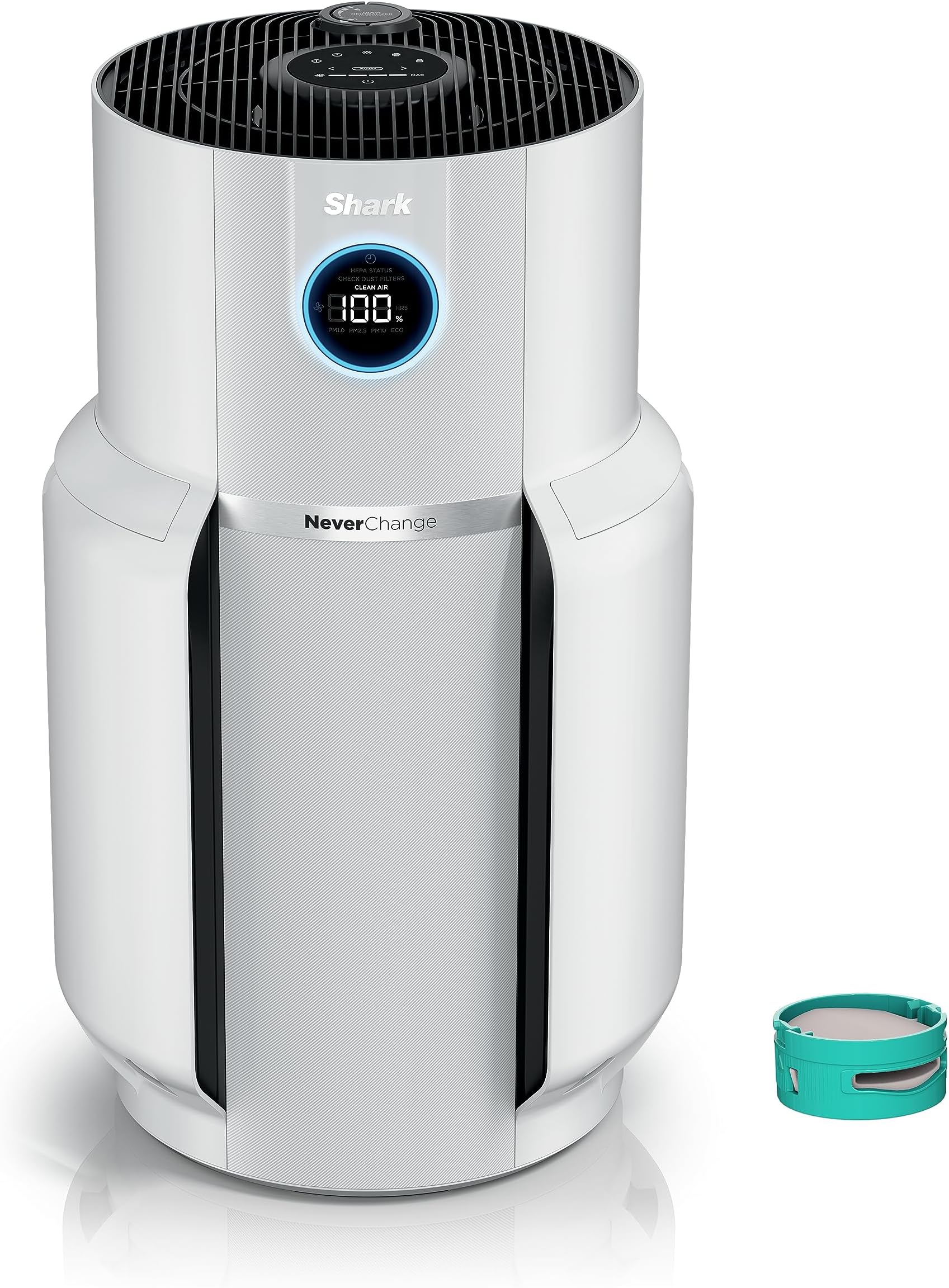
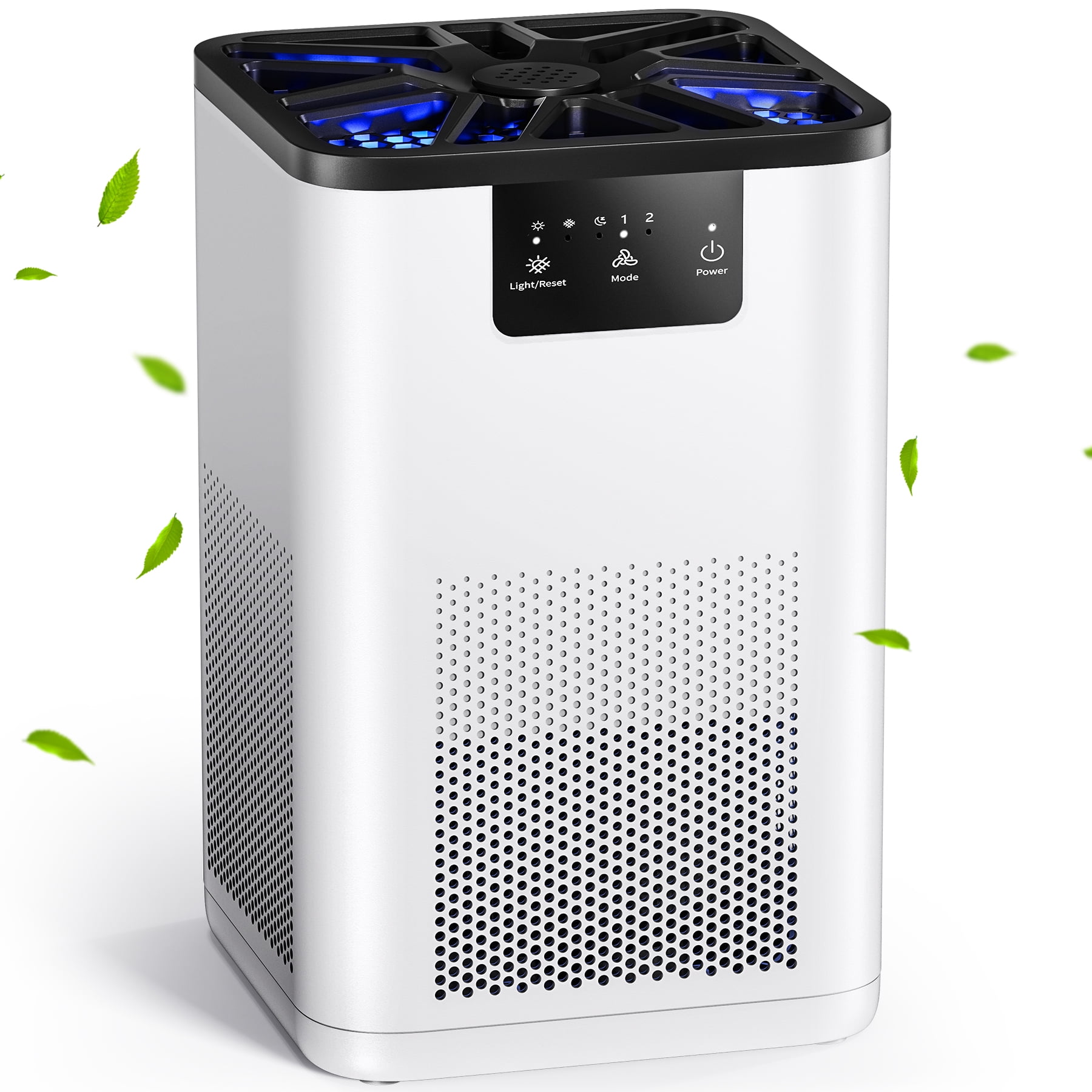
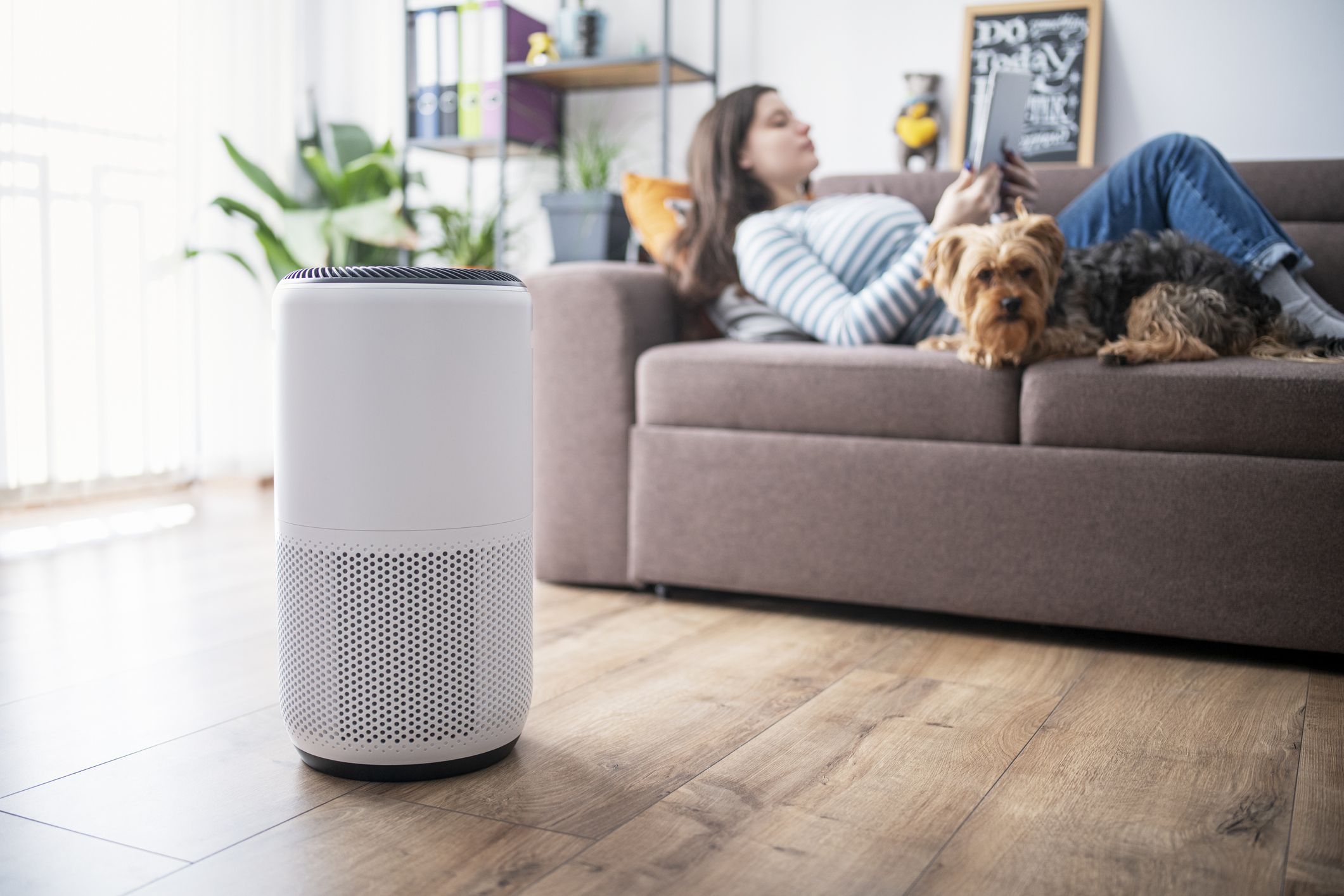
An air cleaner is a portable or stationary device designed to reduce indoor air pollution by circulating air through integrated filtration systems. These devices target particulate matter, volatile organic compounds, and allergens to improve residential or commercial indoor air quality. Selection depends on specific pollutant concerns, room volume, and the maintenance requirements of the filtration technology employed.
Core Technologies and Filtration Mechanisms
Modern air cleaners utilize a variety of mechanisms to trap or neutralize airborne pollutants. Understanding these technologies is essential for matching a device to your specific indoor air quality needs.
High-Efficiency Particulate Air (HEPA) Filtration
The gold standard for mechanical air cleaning is the HEPA filter. By definition, a true HEPA filter must capture at least 99.97% of particles that are 0.3 micrometers in diameter. This standard is effective against smoke, dust, pollen, and pet dander. The mechanism relies on a dense mat of randomly arranged fibers; as air passes through, particles become trapped via interception, impaction, and diffusion.
Activated Carbon Filters
While mechanical filters handle solid particles, they often struggle with gases, odors, and chemical vapors. Activated carbon filters use a highly porous form of carbon that has been treated to increase its surface area. Through the process of adsorption, these filters chemically bind molecules of gases and odors to the carbon’s surface, effectively removing them from the air stream.
Ultraviolet (UV-C) Germicidal Irradiation
Some units incorporate UV-C light to attempt to neutralize microorganisms such as bacteria, viruses, and mold spores. It is important to note that UV-C technology generally works as a supplement to filtration rather than a replacement. The efficacy of these systems depends heavily on the residence time—the duration the air is exposed to the UV source—and the intensity of the lamp.
Evaluating Capacity and Room Coverage
A common mistake when selecting an air cleaner is failing to account for the physical size of the room and the airflow capacity of the unit. The primary metric for this evaluation is the Clean Air Delivery Rate (CADR).
The CADR is a third-party rating developed by the Association of Home Appliance Manufacturers (AHAM). It measures the volume of filtered air an air cleaner delivers to a room in cubic feet per minute (CFM). Higher CADR numbers indicate faster air cleaning capabilities for specific pollutants: smoke, dust, and pollen. When shopping, you should identify the square footage of your space and ensure the unit’s CADR is sufficient to cycle the air in that room at least four to five times per hour.
| Feature | Primary Function | Maintenance Interval | Best Used For |
|---|---|---|---|
| HEPA Filter | Particulate Capture | 6–12 Months | Dust, pollen, pet dander |
| Activated Carbon | Gas/Odor Removal | 3–6 Months | Cooking odors, VOCs, smoke |
| Pre-Filter | Debris Removal | 1–3 Months | Large hair, lint, dust |
| UV-C Lamp | Microorganism Reduction | 12 Months | Bacteria, mold spores |
Prerequisites for Optimal Operation
To achieve the manufacturer's stated performance, an air cleaner must be positioned correctly. Placing a unit in a corner, behind furniture, or in a closet significantly restricts airflow and reduces the effective radius of the device. For maximum efficiency, locate the unit in an open area, ideally in the center of the room or at least three feet away from walls and obstructions.
Furthermore, air cleaners are most effective when they operate in a relatively sealed environment. Leaving windows and doors open allows fresh, unfiltered air to enter, forcing the device to work harder to maintain air quality levels. Consistent, long-term operation is generally superior to intermittent bursts of high-speed cleaning; many modern units include smart sensors that adjust fan speeds based on real-time particle detection, which balances energy consumption with consistent air scrubbing.
Maintenance and Long-Term Costs
The initial purchase price of an air cleaner is only one component of the total cost of ownership. The filtration system requires recurring investment in replacement filters. Mechanical filters eventually become clogged with particles, which increases the resistance to airflow and forces the motor to operate at a higher load, leading to reduced efficiency and potentially premature mechanical wear.
Filter Replacement Schedules
- Pre-filters: These often consist of a mesh screen or a thin layer of foam. They capture larger particles like hair, preventing them from clogging the more expensive HEPA filter. These should be vacuumed or washed monthly.
- HEPA Filters: Depending on usage and ambient air quality, these typically require replacement every six months to one year.
- Carbon Filters: These have a finite capacity for adsorption. Once the carbon is saturated, it no longer removes odors. Most manufacturers suggest replacing these every three to six months.
Common Troubleshooting Scenarios
If your air cleaner begins to underperform, the issue can usually be traced back to basic maintenance errors or environmental factors.
- Reduced Airflow: The most common culprit is a saturated filter. Check the pre-filter first; a layer of dust on the intake screen is often the primary cause of poor circulation.
- Strange Odors: If the device begins emitting an unpleasant smell, the carbon filter may be fully saturated and requires replacement. Alternatively, if a new unit produces a "burning" or chemical smell, it may be a temporary off-gassing of manufacturing materials, which usually dissipates after 24 to 48 hours of operation.
- Noisy Operation: Mechanical vibration often occurs if the filter is not seated properly within its housing. Ensure all latches are locked and the filter is aligned with the intake gasket.
Health and Safety Considerations
While air cleaners are effective tools for managing indoor air quality, they are not a cure-all for medical conditions. Individuals with respiratory issues or severe allergies should view these devices as a component of an overall environmental management plan, which may also include regular cleaning, moisture control, and source reduction (such as removing carpets or using low-VOC building materials).
Be wary of "ozone-generating" air cleaners. Some older or lower-quality devices produce ozone as a byproduct of electrical discharge. The Environmental Protection Agency (EPA) and other health authorities have raised concerns regarding the safety of breathing ozone, as it can be a lung irritant. When selecting a device, confirm it is certified to meet safety standards that limit or prohibit ozone emissions.
Selecting the Right Unit for Your Needs
Before committing to a specific model, define your primary objective. Are you attempting to mitigate pet allergies, or are you concerned about chemical sensitivities from new furniture? If the goal is allergy relief, prioritize a unit with a high-performance HEPA filtration system. If the goal is odor removal, prioritize a model with a substantial bed of activated carbon.
Finally, verify the sound levels. Air cleaners are often operated in bedrooms or home offices. Check the decibel (dB) ratings for the "sleep" or "low" modes to ensure the noise profile is acceptable for your living environment. Many manufacturers now provide these specifications, allowing for a quieter experience during evening hours without sacrificing essential filtration.
Next Steps for Maintenance and Verification
To ensure your air cleaner continues to perform at its peak, establish a maintenance schedule immediately upon setup. Mark your digital calendar with the recommended replacement dates for each filter type specified in your unit’s manual. If your device features an "air quality indicator," monitor the readings periodically. If you notice that the indicator consistently displays poor air quality despite the unit running on high, consider moving the device to a different location or checking for external sources of pollution—such as an unvented cooking range or high-moisture areas—that may be overwhelming the capacity of your air cleaner.