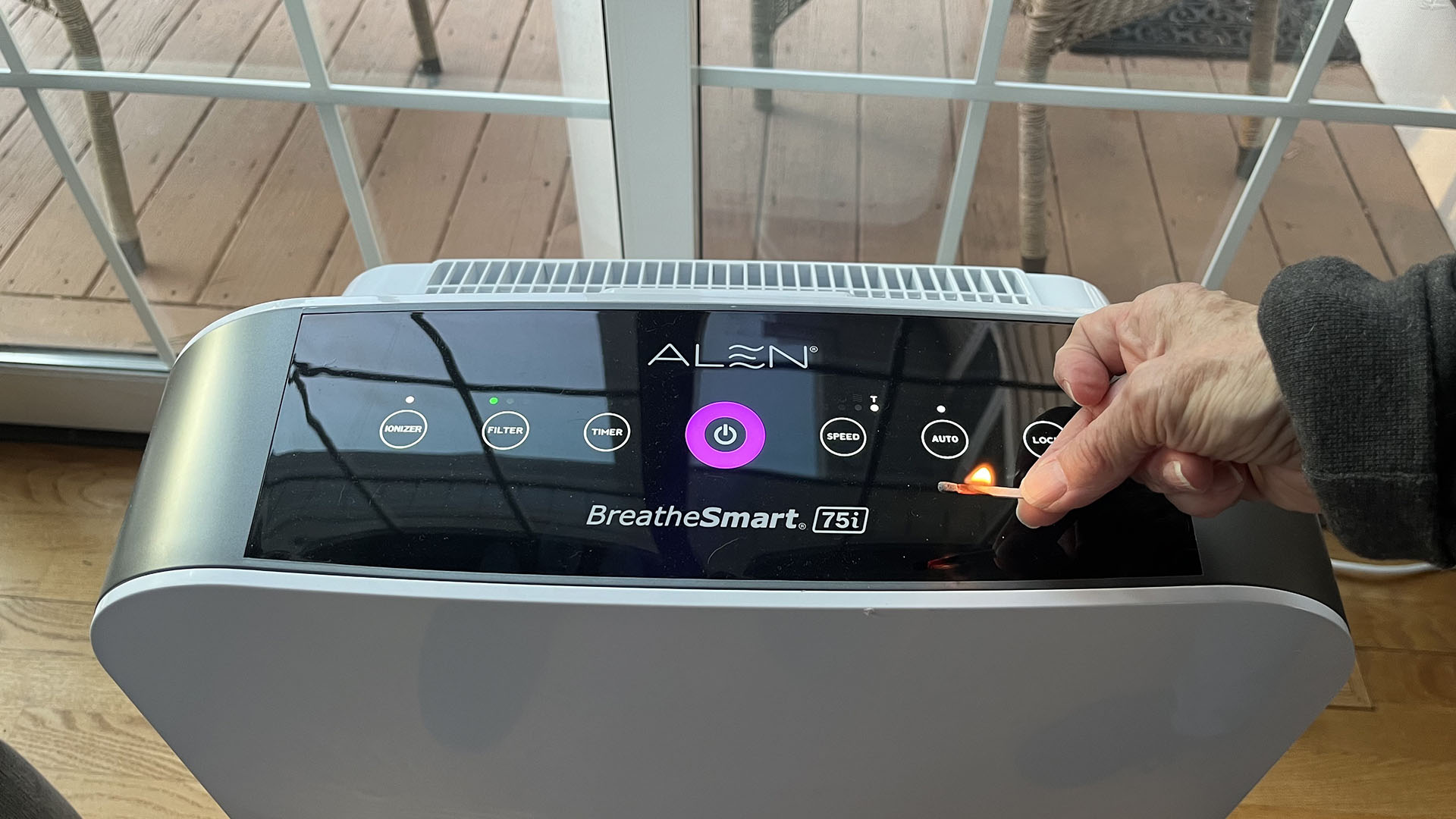
Selecting an effective air cleaner requires balancing clinical performance ratings, room square footage, and long-term maintenance costs against specific indoor air quality goals. Whether addressing wildfire smoke, seasonal allergens, or general particulate buildup, understanding the interplay between HEPA filtration, CADR ratings, and airflow dynamics is essential to choosing a unit that provides measurable improvements in your living or working environment.
Understanding Core Filtration Metrics
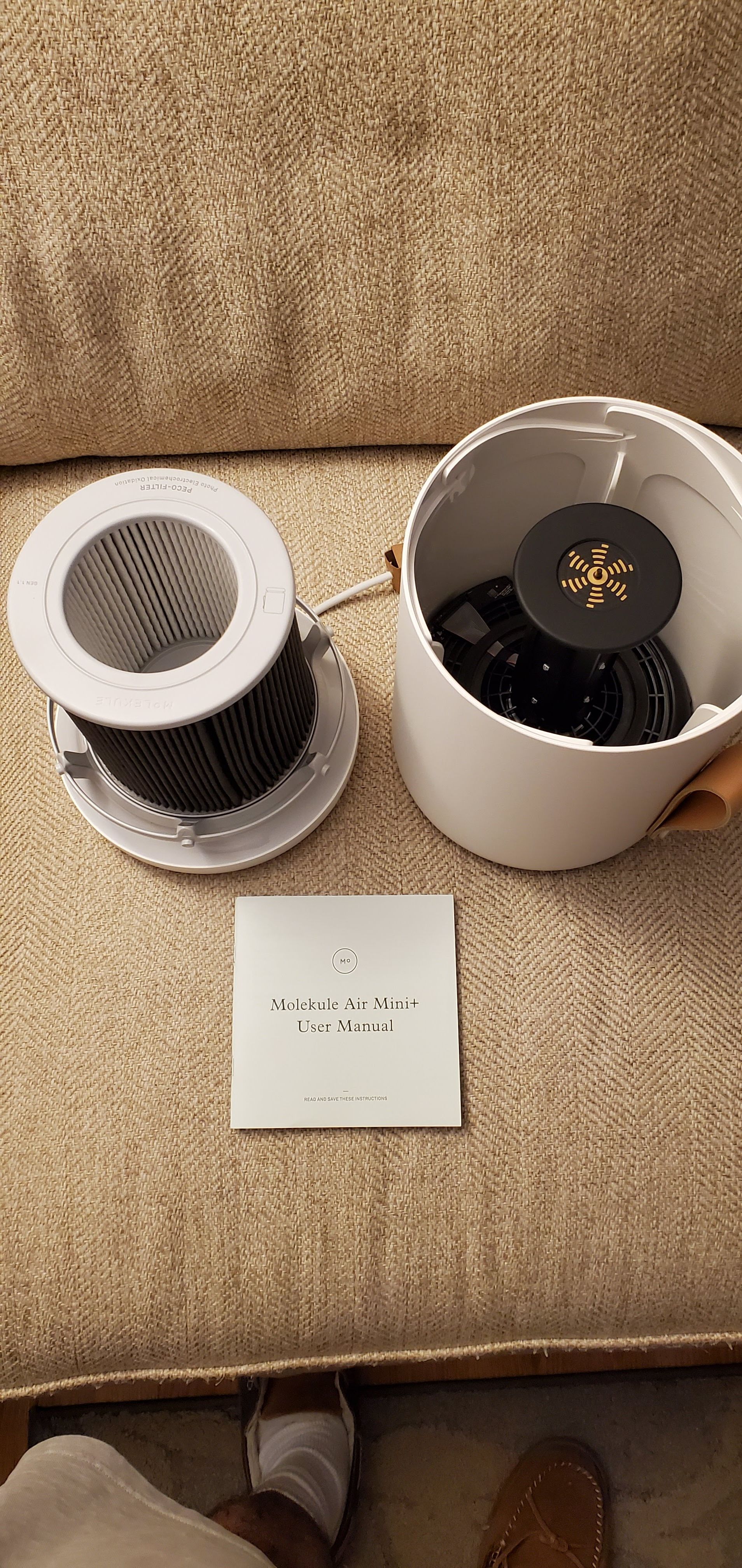
The efficiency of a modern air cleaner is defined by its ability to capture particulate matter without restricting airflow. Most high-performance units rely on a multi-stage filtration process, with the High-Efficiency Particulate Air (HEPA) filter serving as the primary barrier. By international standards, a true HEPA filter must capture at least 99.97% of particles that are 0.3 micrometers in diameter. This specific size is significant because it is considered the "most penetrating particle size," representing the threshold at which filtration is most difficult.
Beyond basic filtration, consumers must look at the Clean Air Delivery Rate (CADR). Established by the Association of Home Appliance Manufacturers (AHAM), this metric provides a standardized way to compare how quickly an air cleaner can remove tobacco smoke, dust, and pollen from a room. A higher CADR indicates a faster turnover of room air. However, CADR is only useful when paired with the manufacturer’s recommended room size. Operating a unit in a space larger than its rating will result in diminished air quality improvements and premature wear on the motor and filters.
Essential Features for Domestic and Office Environments
When evaluating current models, the distinction between active and passive technology is paramount. Passive air cleaners, which utilize physical filters, remain the industry standard for safety and effectiveness. Active technologies, such as ionizers or ozone generators, function by releasing charged particles into the air. While these may help dust settle, they have historically raised concerns regarding ozone production, which is a lung irritant. Expert consensus in 2026 continues to favor mechanical filtration systems, specifically those that avoid the intentional release of byproducts into the occupied space.
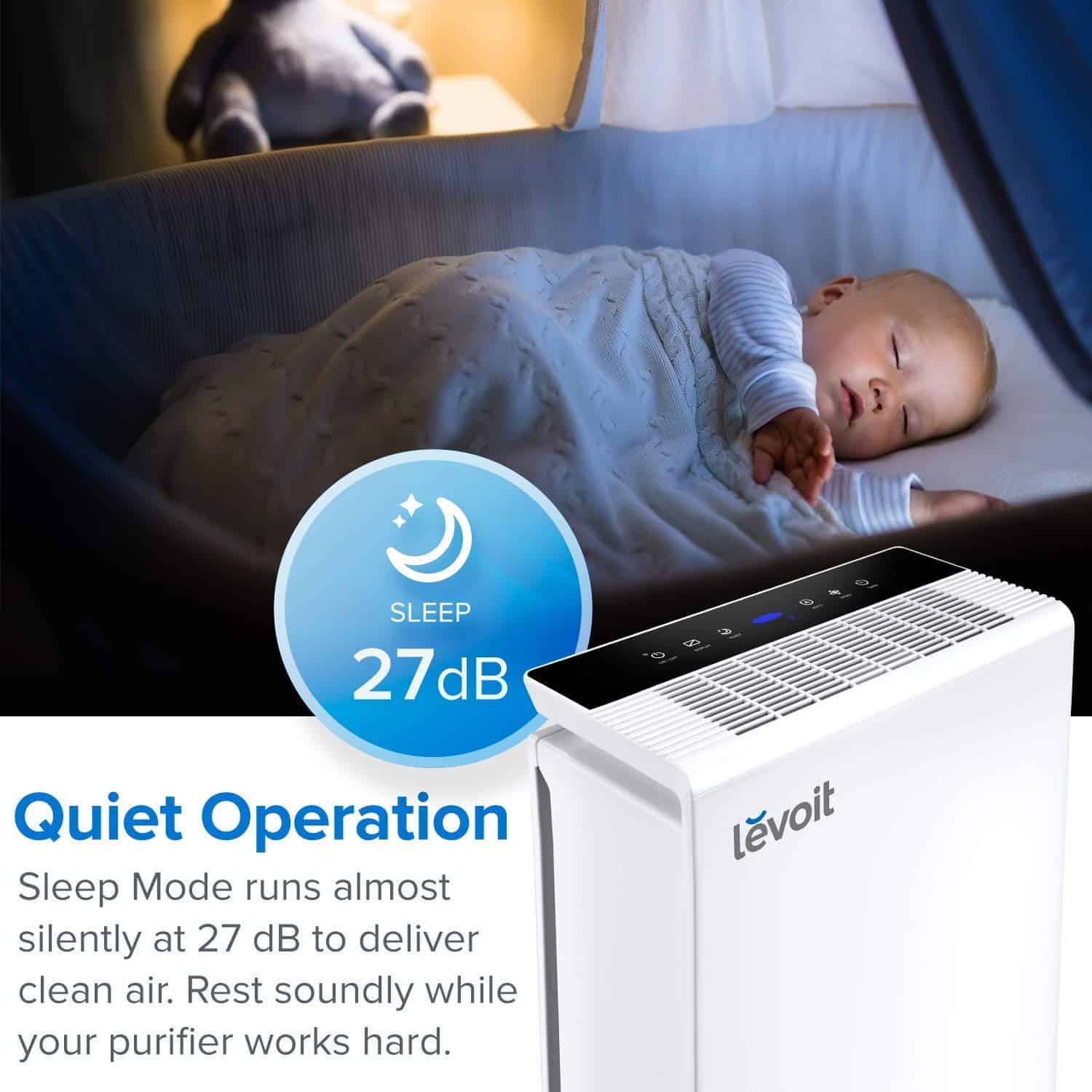
Another critical consideration is the fan speed and sound profile. Air cleaners are intended for continuous operation, meaning the unit’s noise level at its lowest, quietest setting is often more relevant than its performance at its maximum setting. High-quality units utilize brushless DC motors, which provide a broader range of speeds and typically operate with a lower acoustic footprint than older AC motor designs. Smart connectivity features, such as remote app control or air quality sensors that automatically adjust fan speeds based on real-time particle counts, add convenience but should not supersede the requirement for high-quality filtration media.
Comparative Framework for Air Cleaning Systems
The following table provides a breakdown of common air cleaner categories and their typical application suitability, allowing users to align their purchase with specific environmental needs.
| Feature Type | Best Application | Primary Advantage | Maintenance Effort |
|---|---|---|---|
| True HEPA (Standard) | Dust, dander, pollen | Industry standard for particulates | Moderate (Annual) |
| Activated Carbon | VOCs, smoke, odors | Chemical/Gas absorption | High (Frequent) |
| Energy Star Certified | Large living spaces | Lower electrical cost | Varies |
| Smart-Sensor Units | Unpredictable air quality | Automation of airflow | Moderate |
| Small Room Portables | Home offices, bedrooms | Compact footprint | Moderate |
Assessing Total Cost of Ownership
The purchase price of an air cleaner is only the initial financial commitment. True ownership cost includes the price of replacement filters, which vary significantly in lifespan and availability. Proprietary filter systems may lock users into higher recurring costs compared to units that accept third-party or standardized filter sizes. In 2026, manufacturers continue to implement "filter life monitoring," a feature that tracks usage hours rather than simple calendar dates. This ensures that filters are replaced based on actual dust loading, preventing waste and ensuring consistent performance.
When calculating long-term costs, consider energy consumption. Since air cleaners are designed for 24/7 operation, the electrical draw matters. Units certified under current energy efficiency standards generally consume fewer watts per cubic foot of air cleaned. Over a five-year lifecycle, the combination of energy efficiency and the cost of pre-filters—which protect the main HEPA filter from larger dust clumps and hair—will often dictate whether a unit is an economical choice.
Installation and Maintenance Best Practices
For maximum efficacy, placement is as vital as the technology itself. Air cleaners should be situated in a central, unobstructed location, ideally at least three feet away from walls and furniture. Obstructions restrict the intake of air, forcing the unit to work harder to achieve the same air change rate. Avoid placing units in corners or behind curtains, as this creates localized air circulation that fails to clean the room effectively.
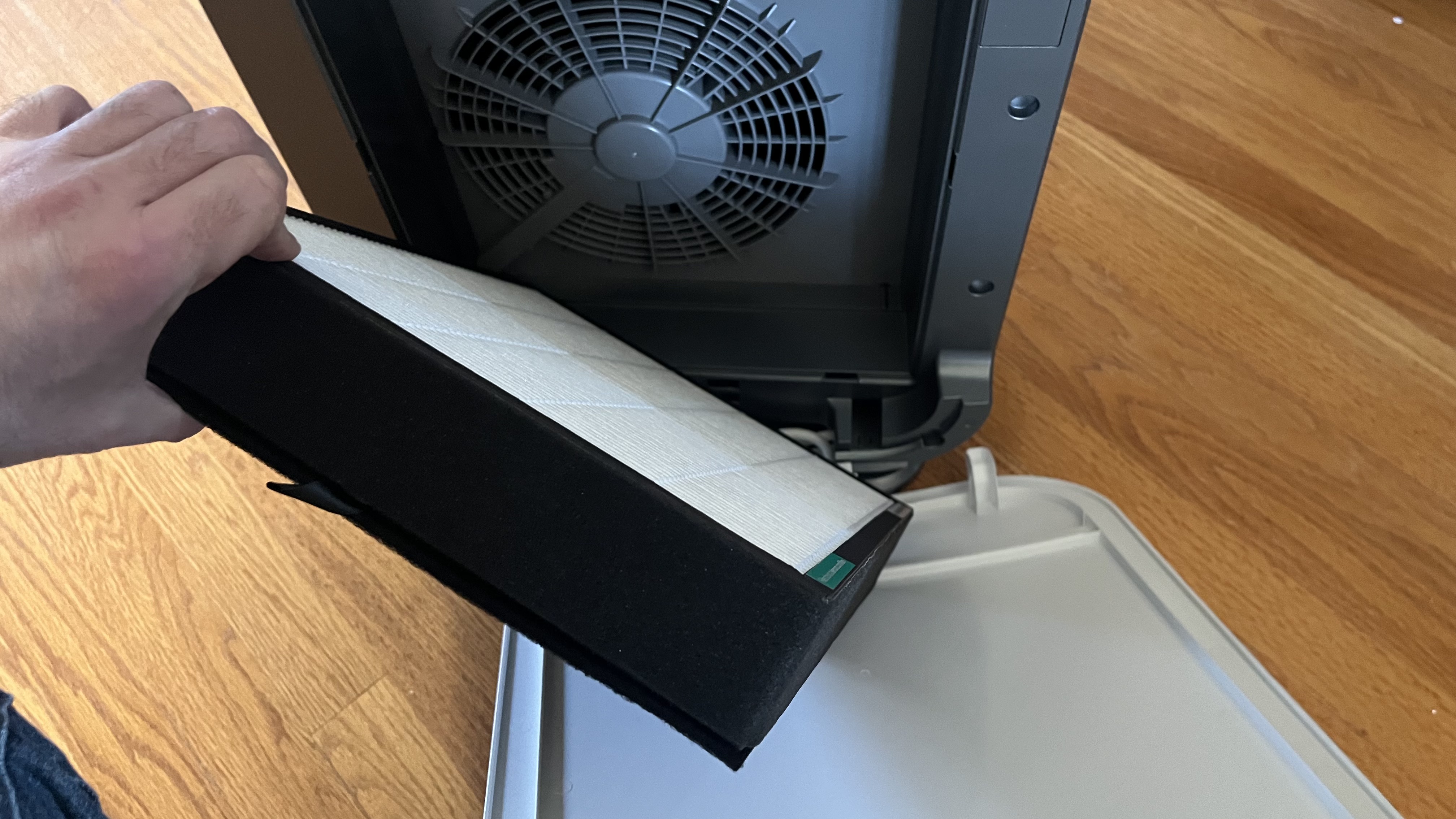
Maintenance schedules should be strictly followed to avoid pressure drops across the filter medium. A clogged filter increases the static pressure in the system, which can cause the fan motor to overheat or draw excessive current. If you live in an area prone to high humidity, check for signs of mold or mildew on the outer pre-filter during your monthly check. Most modern units feature a reset button for the filter life indicator; ensure this is manually triggered after every replacement to maintain accurate tracking of the new filter's status.
Addressing Common Troubleshooting Issues
If your unit begins to emit an unusual odor, it is typically not the HEPA filter but the activated carbon layer, which may have become saturated with odors and gases. Once a carbon filter is fully saturated, it cannot be cleaned; it must be replaced. If the unit makes a rattling or clicking noise, it often indicates debris trapped in the fan cage or an unbalanced fan blade. Always disconnect the power before attempting to inspect the internal fan assembly.
If the air quality sensor (in smart units) remains stuck on a "poor" reading despite continuous operation, the optical lens inside the sensor module may be obstructed by dust. Most manufacturers include a small, accessible door or port to blow compressed air into the sensor cavity to clear this accumulation. If these steps do not resolve performance issues, consult the manufacturer's warranty documentation, as some electronic failures are covered for multiple years beyond the initial purchase.
Final Selection Recommendations
Before finalizing a purchase, identify the primary pollutant in your space. If you are struggling with heavy smoke, prioritize a unit with a thick, high-mass activated carbon filter, as HEPA alone will not remove gaseous compounds. If your focus is seasonal allergy relief, a standard high-quality HEPA model will suffice. Always prioritize units that disclose their CADR ratings for smoke, as this is the most stringent test category. Aim to buy a unit rated for a room size roughly 20-25% larger than your actual space to allow the device to run at lower, quieter speeds while maintaining clean air levels.