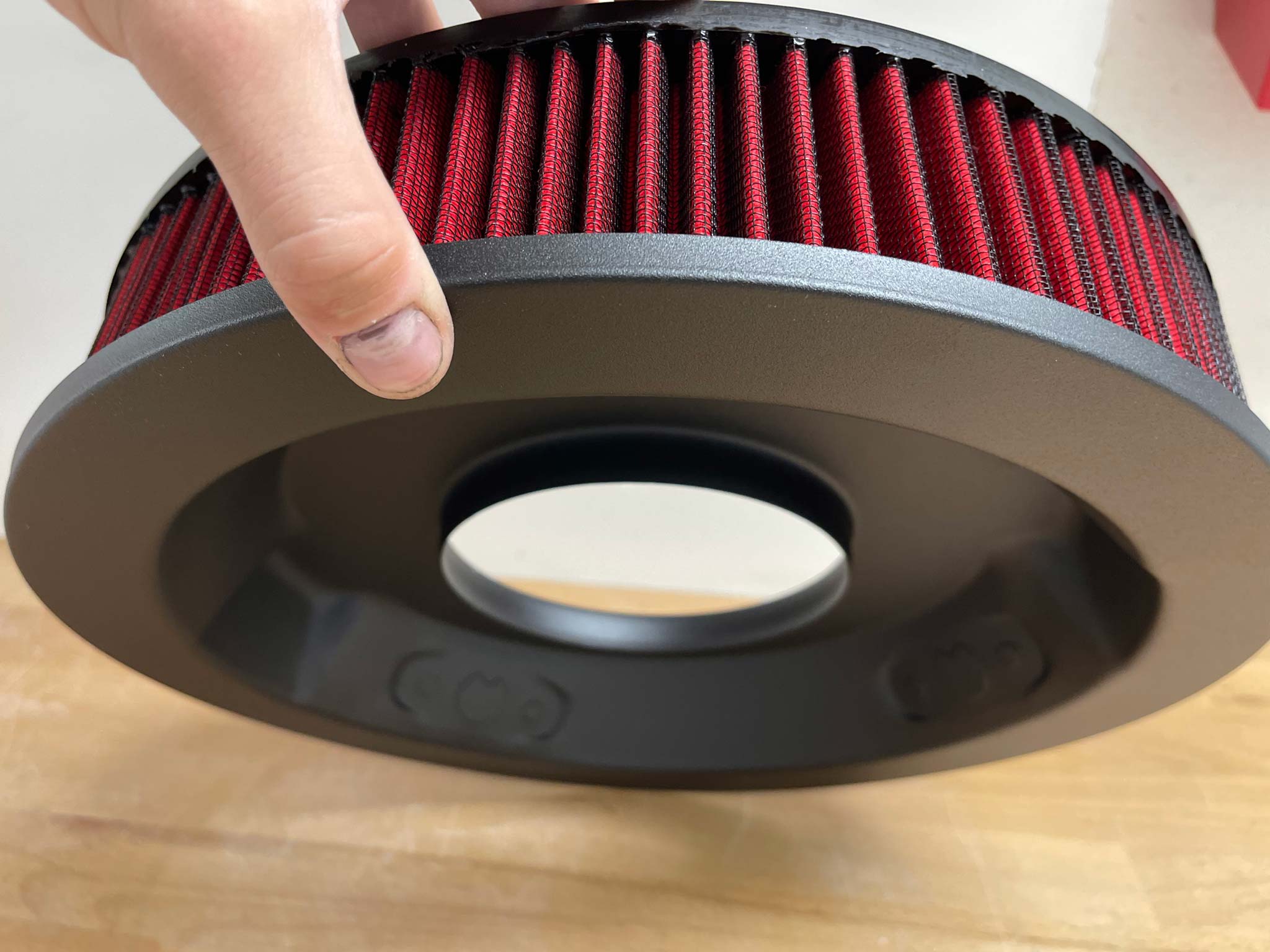
An air cleaner is a portable or integrated device designed to remove contaminants from the air within a room or building. These systems utilize internal filters, ultraviolet light, or electrostatic processes to capture particulate matter, gases, or chemical vapors, ultimately improving indoor air quality for occupants by reducing exposure to allergens, dust, smoke, and volatile organic compounds.
Mechanics of Air Cleaning Systems
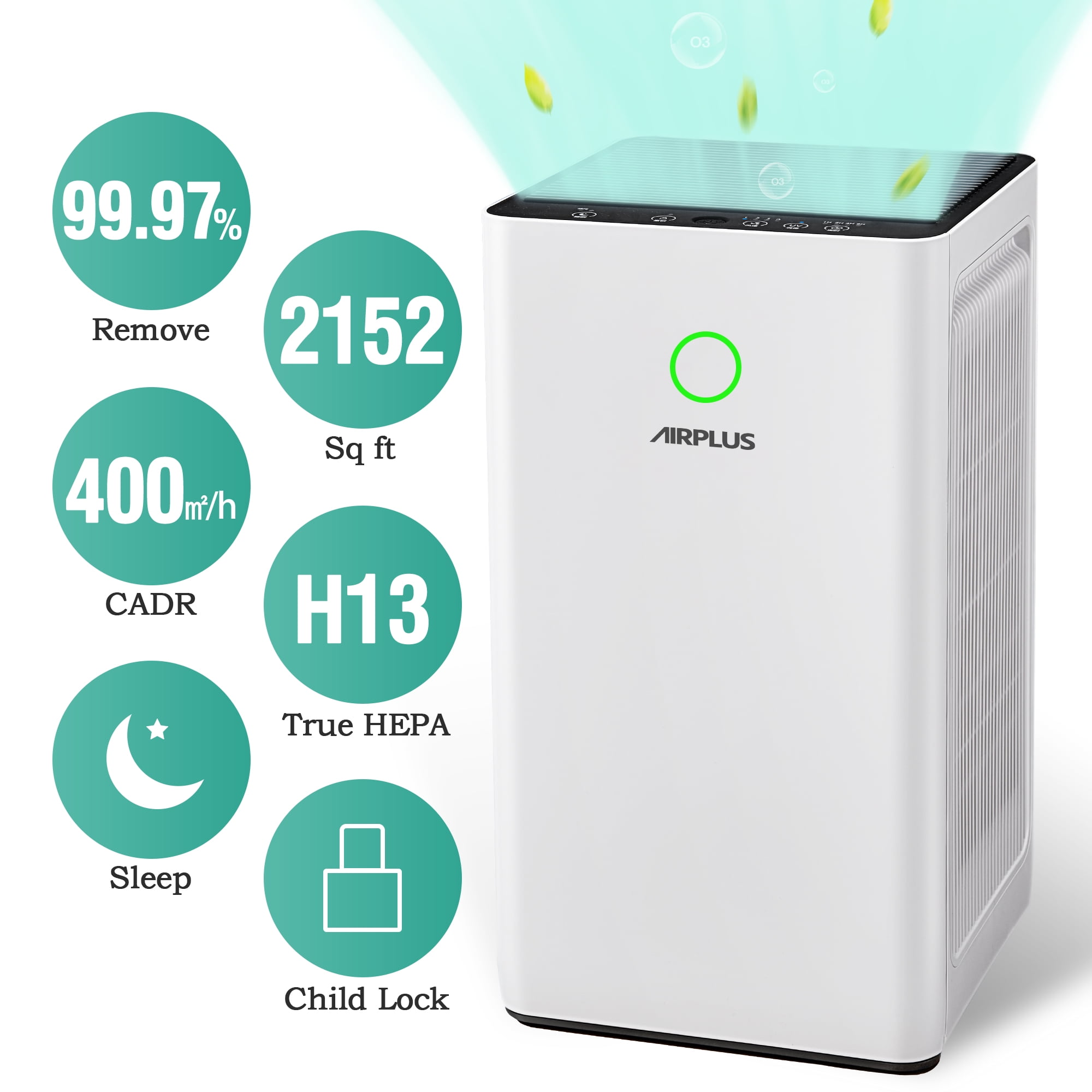
Modern air cleaners operate through distinct physical and chemical mechanisms. The most prevalent technology remains the High-Efficiency Particulate Air (HEPA) filtration system. To meet official standards, a filter must be capable of capturing 99.97% of particles that are 0.3 micrometers in diameter. This specific size is utilized as the benchmark because it represents the most penetrating particle size for mechanical filters. When air is forced through the dense mesh of a HEPA filter, particles become trapped through three primary physical phenomena: interception, impaction, and diffusion.
Beyond mechanical filtration, some systems incorporate activated carbon layers. While standard fiber filters are effective at trapping solids—such as pollen, pet dander, and dust—they are largely ineffective against gaseous pollutants. Activated carbon is processed to have a vast surface area riddled with tiny pores, which allows it to adsorb volatile organic compounds (VOCs), odors from cooking, and chemical fumes. Other, more specialized technologies include electrostatic precipitators, which charge particles to attract them to collection plates, and ultraviolet germicidal irradiation (UVGI), which is designed to deactivate airborne microorganisms.
Assessing Requirements and Coverage Area
The effectiveness of an air cleaner is directly tied to its Clean Air Delivery Rate (CADR). This metric, developed by the Association of Home Appliance Manufacturers (AHAM), provides a standardized numerical representation of how much filtered air a unit delivers. A higher CADR indicates a faster ability to purify a room's atmosphere. When selecting a unit, it is essential to match the device's capacity to the square footage of the intended space.
Operating an air cleaner in a room larger than the manufacturer’s recommended capacity results in inadequate air changes per hour (ACH). Most professional guidelines suggest an ACH rate of at least four to five for optimal filtration in residential settings. If a device is undersized, it will fail to cycle the room's total air volume frequently enough to maintain a low concentration of pollutants. Conversely, placing an oversized unit in a small, enclosed space may lead to unnecessary energy consumption and excessive noise levels without providing marginal benefits to air quality.
Comparative Overview of Air Purification Technologies
| Technology Type | Best For | Operational Limitation |
|---|---|---|
| Mechanical (HEPA) | Dust, dander, pollen, smoke | Requires periodic filter replacement |
| Activated Carbon | Odors, chemical gases, VOCs | Cannot trap particulate matter |
| Electrostatic | Fine particles, low noise | Potential for minor ozone emission |
| UV Germicidal | Bacteria, viruses, mold spores | Requires high intensity and dwell time |
| Ionizers | General particle reduction | Ineffective against large debris |
Operational Best Practices and Maintenance
The longevity and performance of an air cleaner are heavily dependent on adherence to a rigorous maintenance schedule. The most critical component is the filter, which acts as the system's primary intake barrier. As a filter accumulates dust and debris, the static pressure within the unit increases, forcing the internal motor to work harder. This not only diminishes the volume of air processed but also leads to increased energy draw and potential mechanical strain on the blower assembly.
Users should follow the specific replacement intervals dictated by the manufacturer, which are typically based on cumulative run-time rather than calendar dates. In households with higher levels of particulate matter—such as those with indoor pets, wood-burning fireplaces, or proximity to high-traffic roadways—filters may require inspection more frequently than the average six-month interval. Furthermore, the positioning of the air cleaner is vital. To ensure unimpeded airflow, units should be placed at least three feet away from walls, furniture, or curtains that could obstruct the intake or exhaust vents. Placing a device in a central location, rather than tucked into a corner, significantly improves the efficiency of air circulation throughout the entire room.
Addressing Common Technical Limitations
It is important to recognize that air cleaners are not a total solution for indoor environmental health. They function as a supplemental layer of protection rather than an alternative to source control. For instance, if the air cleaner is tasked with removing smoke but a source of smoke remains active, the filter will saturate prematurely, and the airborne concentration may never reach a healthy baseline.
Additionally, users should be cautious regarding technologies that claim to actively "clean" air via the release of ions or ozone. The Environmental Protection Agency (EPA) has consistently noted that while some devices produce ozone as a byproduct of electrical ionization, ozone itself is a lung irritant. Devices labeled as ozone generators or those that produce significant ozone levels are often discouraged for use in occupied residential spaces. Always verify that a device complies with local safety standards and emission limits before prolonged use.
Troubleshooting Performance Issues
When an air cleaner exhibits a drop in performance, several steps can be taken to diagnose the issue before considering replacement:
- Verify Seal Integrity: Ensure the filter housing is seated correctly. Even a small gap between the filter frame and the unit casing allows "bypass air" to enter the room without passing through the media.
- Examine Pre-filters: Most high-end units feature a secondary, washable pre-filter. A clogged pre-filter acts as a bottleneck, severely limiting the intake air velocity. Cleaning this component is often the simplest fix for reduced airflow.
- Sensor Calibration: Many modern units feature automatic sensors that detect particulate levels. If these sensors are dusty or obscured, the unit may fail to ramp up its fan speed during periods of high pollution. Cleaning the sensor lens with a soft, dry cloth is a standard, often overlooked, maintenance step.
- Environment Check: High humidity levels can prematurely clog HEPA media by allowing captured particles to clump together or by promoting moisture retention in the filter fibers, which can eventually lead to unpleasant odors.
Choosing the Appropriate Unit for Your Environment
The process of selecting an air cleaner involves balancing technical specifications with the reality of your living or working environment. Begin by identifying the primary pollutant you intend to mitigate. If the goal is seasonal allergy relief, prioritize HEPA-certified units with high CADR ratings for dust and pollen. If the concern involves odors from painting or chemical off-gassing, ensure the unit contains a substantial volume of activated carbon rather than just a thin, carbon-coated mesh.
Consult the manufacturer's performance data rather than marketing terminology. Look specifically for the CADR score and the tested square footage capacity. It is generally advisable to select a unit that is rated for a room slightly larger than your target space; this allows the device to operate at a lower fan speed, which significantly reduces noise and extends the motor's lifespan while still achieving the required air turnover rate. Always check for the availability and cost of replacement filters, as the long-term operational cost of an air cleaner is determined primarily by these recurring purchases.