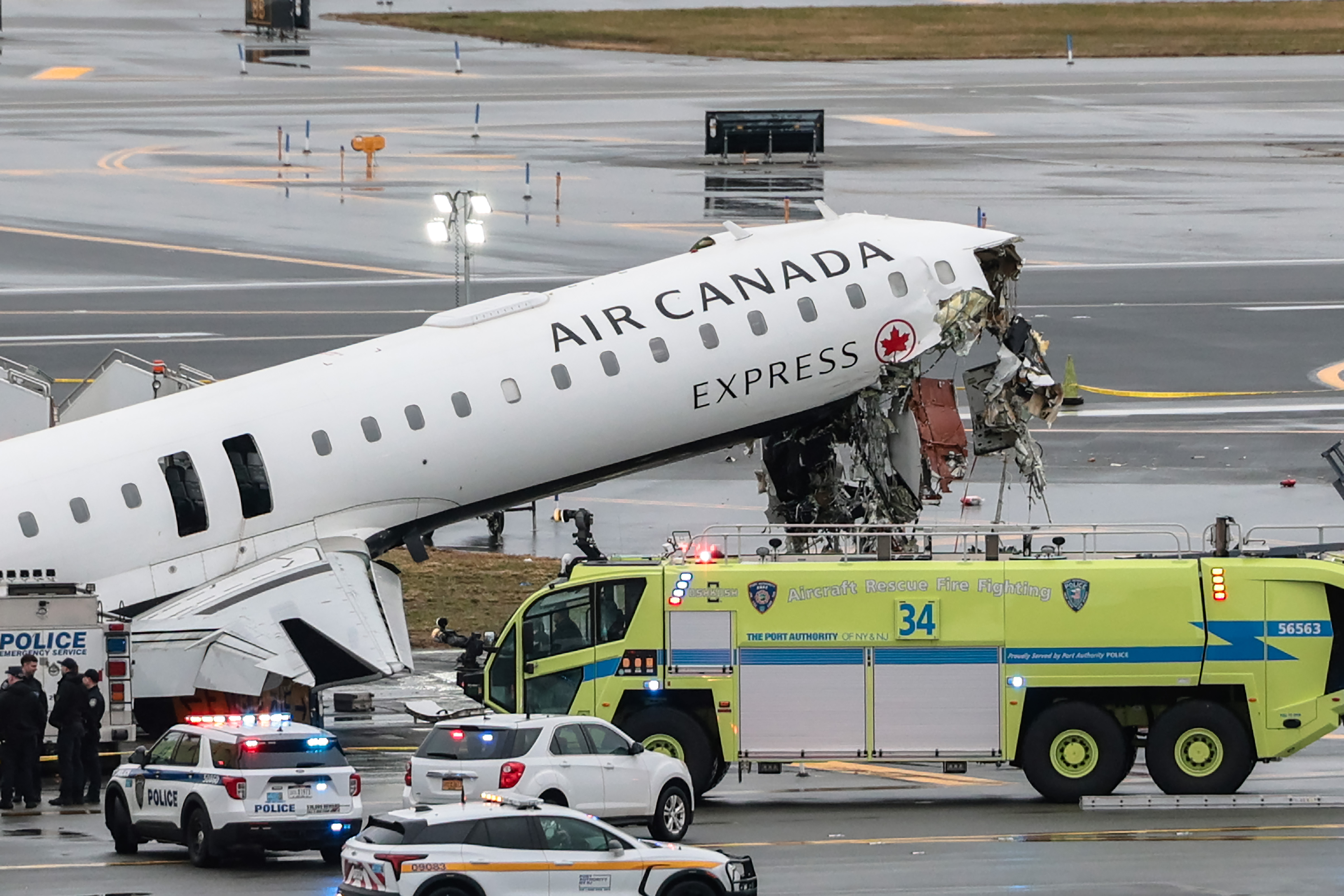
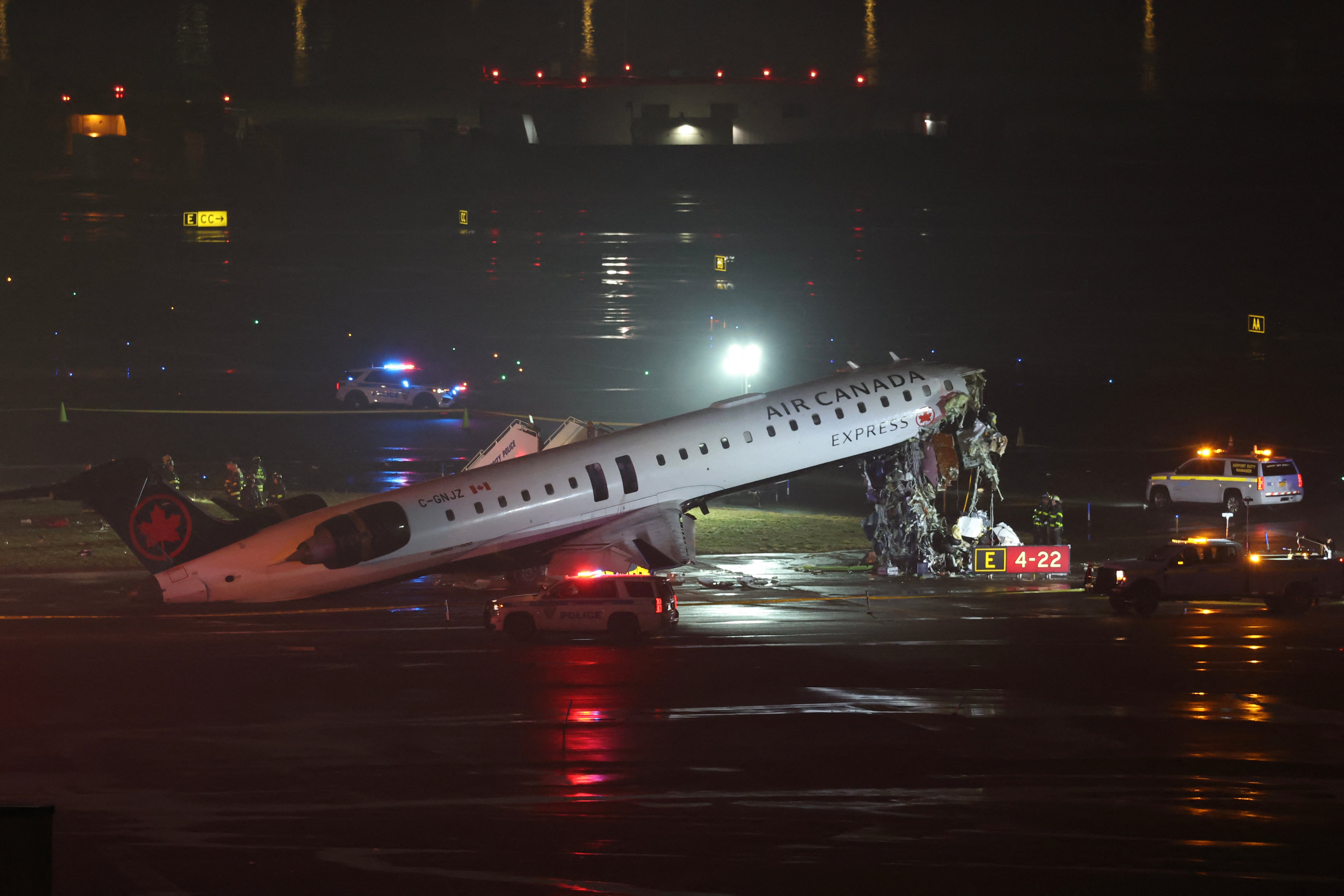
Air Canada maintains a comprehensive safety management system (SMS) that undergoes continuous refinement based on incident analysis, regulatory audits, and international aviation standards. While Air Canada has not experienced a fatal passenger flight crash in recent decades, the airline actively integrates lessons from operational anomalies, ground incidents, and international industry reports to update its safety protocols, crew training, and maintenance oversight to ensure the highest levels of passenger protection.
The Framework of Air Canada’s Safety Protocols
Aviation safety is not a static achievement but a process of constant vigilance. Air Canada operates under the rigorous oversight of Transport Canada, adhering to the Canadian Aviation Regulations (CARs). The airline’s safety strategy is built upon the International Air Transport Association (IATA) Operational Safety Audit (IOSA), which is the global benchmark for safety management in airlines.
Every incident, whether it involves a minor ground collision, a technical malfunction, or an unexpected in-flight event, triggers a mandatory, systematic investigation. This process is designed to move beyond simple fault-finding. Instead, it employs the "Just Culture" model, which encourages employees to report hazards or errors without fear of retribution. By gathering data on near-misses and operational deviations, Air Canada engineers and safety officers can identify systemic risks before they escalate into significant incidents.
Interpreting Incident Data and Safety Trends
When analyzing reports regarding "Air Canada plane crashes," it is vital to distinguish between major hull-loss accidents—which are extremely rare in modern Canadian commercial aviation—and localized operational incidents. In recent years, public concern has occasionally been sparked by reports of bird strikes, weather-related diversions, or minor ground handling errors.
From a technical perspective, these events are classified as "occurrences." Transport Canada requires that these be logged in the Civil Aviation Daily Reporting System (CADORS). By analyzing this data, the airline identifies trends in aircraft component performance, airport infrastructure challenges, or emerging human-factor risks. Current safety updates often focus on automation dependency, runway incursion prevention, and enhanced communication protocols between ground control and flight decks during adverse weather conditions.
Key Focus Areas in Modern Aviation Safety
Safety updates in 2026 are heavily influenced by the integration of advanced flight data monitoring (FDM) systems. These systems capture hundreds of parameters per second from an aircraft’s flight data recorder (FDR).
Human Factors and Crew Resource Management
Human error remains the most cited factor in aviation incidents globally. Air Canada has updated its Crew Resource Management (CRM) training to emphasize "threat and error management." This approach trains flight crews to anticipate potential threats—such as poor visibility or high traffic density—and implement redundant safety checks.
Technological Advancements in Fleet Maintenance
The shift toward predictive maintenance represents a major leap forward. By utilizing real-time sensors, the airline’s engineering department can monitor the health of jet engines and flight control systems during flight. If a sensor indicates a component is deviating from its optimal performance, the airline can schedule a part replacement during routine ground time rather than waiting for a failure, effectively preventing potential mid-flight incidents.
Airport Infrastructure and Ground Safety
Ground safety is a persistent focus. As global air travel volume remains high, the risk of taxiway incursions—where aircraft or vehicles occupy the same space—increases. Safety updates now include the implementation of enhanced surface movement guidance and control systems (SMGCS), which utilize precision monitoring to keep ground traffic separated during low-visibility operations.
Comparison of Safety Oversight Mechanisms
To understand how Air Canada maintains its safety posture, it is helpful to compare the roles of various regulatory and internal bodies that govern airline operations.
| Oversight Body/Mechanism | Role in Aviation Safety | Impact on Operational Standards |
|---|---|---|
| Transport Canada | Federal Regulatory Authority | Sets legal requirements and performs audits. |
| TSB (Transportation Safety Board) | Independent Investigation | Conducts non-punitive, objective incident analysis. |
| IOSA (IATA) | Global Industry Standard | Mandates international best practices for airlines. |
| SMS (Safety Management System) | Internal Airline Framework | Empowers proactive hazard identification by staff. |
| FDM (Flight Data Monitoring) | Continuous Data Analytics | Provides empirical evidence for training improvements. |
Addressing Passenger Concerns and Transparency
Passengers often perceive risk through the lens of media reports regarding incidents. However, aviation safety data is rooted in the "Swiss Cheese Model," where multiple layers of defense are designed to ensure that no single failure leads to a crash.
When an incident occurs, the Transportation Safety Board (TSB) of Canada acts as the primary agency for investigation. Their findings are public and objective. By reviewing TSB reports, the flying public can see that the majority of "incidents" identified in aviation are minor, fully contained, and serve as the direct catalyst for the next round of safety improvements. The transparency of this process is what allows the aviation industry to achieve statistically unprecedented levels of safety compared to any other form of mass transit.
Frequently Asked Questions
Is it safe to fly with Air Canada?
Yes. Air Canada is a top-tier international carrier subject to rigorous oversight by Transport Canada and adheres to the global IOSA safety standards. Its safety record is maintained through continuous investment in fleet technology, comprehensive pilot training, and a proactive safety management culture.
How are aviation incidents reported and analyzed?
Incidents are reported through internal company channels and mandatory federal reporting systems. The TSB then evaluates these reports. If a pattern emerges, the TSB or the airline initiates a formal investigation to determine the root cause, which subsequently informs new safety bulletins and training updates for all flight crews.
What is a "near-miss" in the context of airline safety?
A near-miss, or "occurrence," is an event where an aircraft was in proximity to another object or faced a situation that could have compromised safety, but did not result in damage or injury. These events are highly valuable for safety analysis because they reveal risks without the negative consequences of an accident, allowing the airline to correct behavior or processes before a true crisis occurs.
How does weather affect Air Canada safety updates?
Weather is a primary variable in aviation safety. Safety updates frequently focus on refining landing protocols, wind-shear detection, and decision-making authority for pilots regarding diversions. Air Canada’s operations center monitors global weather patterns in real-time, often altering flight paths hours before an aircraft departs to avoid hazardous conditions.
Can passengers access the results of incident investigations?
Yes. The Transportation Safety Board of Canada publishes investigation reports online. These documents provide a detailed account of findings, contributing factors, and safety recommendations. They are the most reliable source for understanding the specifics of any investigation involving a Canadian airline.
Recommended Next Actions for Concerned Travelers
If you are concerned about specific safety procedures or wish to stay informed about the airline's latest operational updates, the best course of action is to rely on official channels rather than speculative media summaries.
- Visit the Transportation Safety Board of Canada website: Access current investigation reports and historical data to get an objective view of incident analyses.
- Review Air Canada’s Environmental, Social, and Governance (ESG) Reports: These documents often contain detailed sections on safety management systems and operational performance metrics.
- Monitor Official Regulatory Advisories: Check the Transport Canada Civil Aviation website for notices that affect broad operational standards in the Canadian airspace.
- Utilize Verified Aviation News: When seeking information on incidents, prioritize reputable aviation-specific journalism over general news outlets, as aviation journalists are more likely to interpret technical logs and regulatory reports with the necessary context.
By staying informed through these official and industry-standard sources, passengers can gain a clearer understanding of how the complex web of safety protocols works to maintain the integrity of commercial flight.