Selecting an air bed requires balancing the immediate need for a portable sleeping surface with long-term expectations for support, material durability, and ease of inflation. An air bed is a pressurized, inflatable mattress designed for temporary or guest use, utilizing either a built-in electric pump or a manual valve system to achieve its firmness, which differentiates it significantly from traditional foam or spring-based permanent mattresses.
Understanding Air Bed Technology and Construction
Modern air beds have evolved from basic vinyl bladders into complex, multi-chambered systems. The primary structural component is usually polyvinyl chloride (PVC) or thermoplastic polyurethane (TPU). While PVC is the industry standard due to its cost-effectiveness, it remains susceptible to micro-punctures and material stretching over time, a phenomenon often mistaken for air leakage.
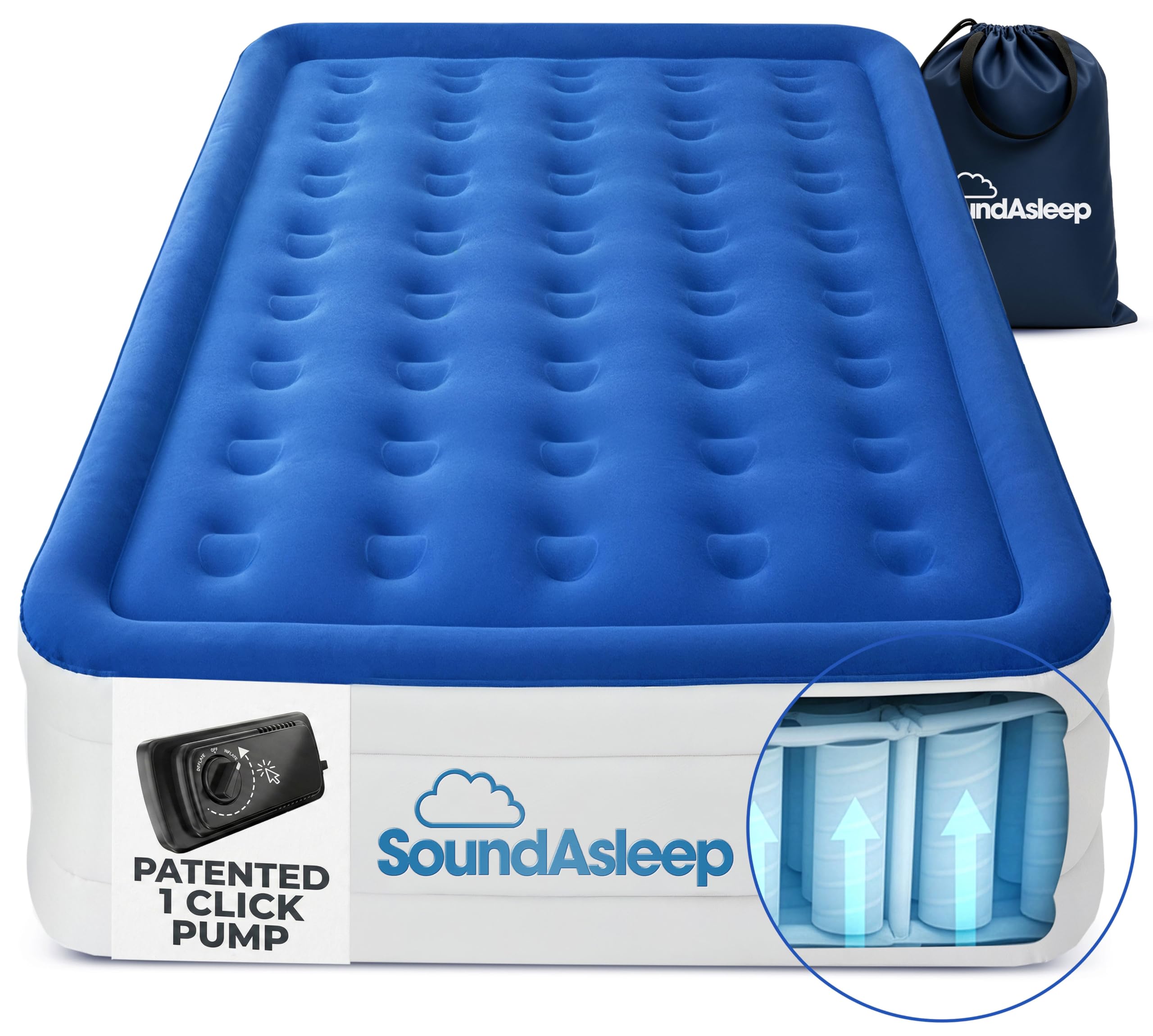
The internal construction of an air bed is the defining factor in its comfort. High-end models utilize "coil-beam" or "I-beam" construction, where internal horizontal or vertical columns prevent the mattress from bulging into a sphere when inflated. This internal tethering ensures a flat, stable sleeping surface. Lower-cost options may lack these internal structures, leading to the "taco effect," where the sleeper rolls toward the center due to inadequate weight distribution.
Key Performance Criteria for Evaluation
When reviewing air beds, several technical benchmarks must be considered to determine value. The most critical is the pump integration. Most modern units include a built-in AC-powered electric pump that handles both inflation and deflation. These pumps are convenient but introduce a single point of failure; if the integrated pump mechanism fails, the mattress often becomes unusable unless it includes an secondary manual valve.
Weight capacity is another frequently misunderstood specification. Manufacturers often list a maximum weight limit, but this figure represents the threshold at which the material reaches its breaking point, not necessarily the point where it remains comfortable. For consistent support, experts recommend staying at least 15% below the manufacturer’s stated maximum weight capacity to preserve the integrity of the welded seams.
Comparison of Air Bed Categories
| Feature | Standard Guest Air Bed | Raised Premium Air Bed | Camping/Manual Air Bed |
|---|---|---|---|
| Typical Height | 9–13 inches | 18–22 inches | 6–10 inches |
| Pump Type | Internal Electric | Internal Electric/Dual | Manual or Battery |
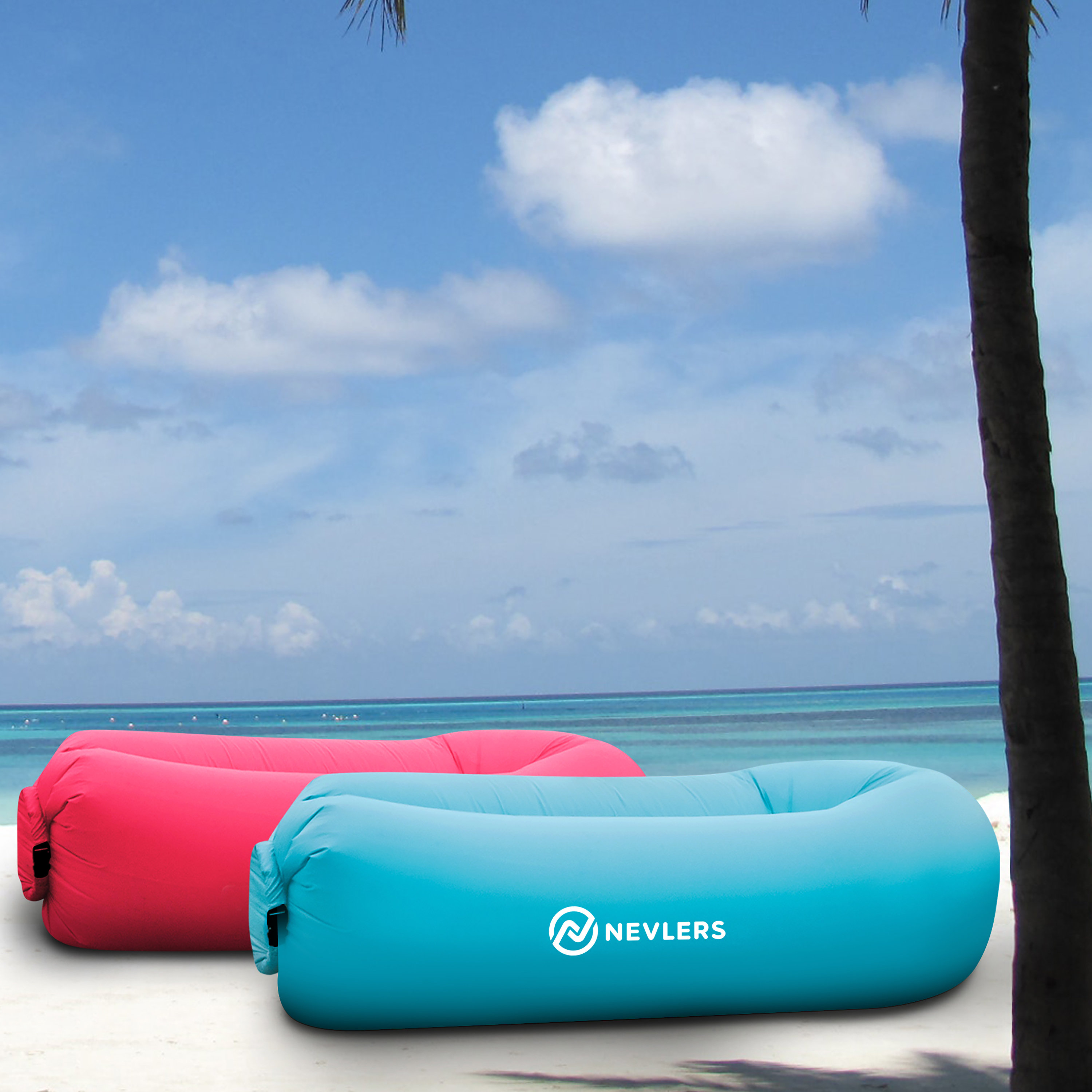
| Primary Use | Occasional Guest | Frequent/Long-term | Outdoor/Camping |
| Stability | Moderate | High (Dual-Chamber) | Low to Moderate |
| Ease of Transport | Moderate | Low (Heavy) | High (Compact) |
Material Durability and Maintenance Requirements
The longevity of an air bed is dictated largely by environment and maintenance. Environmental temperature plays a significant role in performance; air behaves as a gas that contracts in cooler temperatures and expands in heat. Users often perceive this as a leak, but it is typically a thermodynamic reaction. To minimize this, inflate the bed in the room where it will be used rather than in a different temperature zone.
Punctures remain the most common failure mode. While many premium models feature a "flocked" top—a velvet-like material designed to prevent sheets from slipping and to add a layer of protection—this flocking is prone to thinning. Users should always place a protective layer, such as a thick blanket or a dedicated mattress pad, between the air bed and the floor to prevent abrasive surfaces from causing slow leaks.
Identifying and Resolving Common Operational Issues
The most frequent issue encountered by users is the sensation of "sinking" throughout the night. This is rarely a defect of the product but rather a settling of the material. Because PVC is slightly porous and flexible, the mattress will "stretch" significantly during the first few nights of use. This is known as the break-in period. To resolve this, owners should fully inflate the bed and allow it to sit for 24 hours before initial use, topping off the air as the material reaches its maximum tension.
Troubleshooting a persistent leak requires a systematic approach. If the bed loses pressure in under two hours, the issue is likely a valve failure or a significant puncture. To verify, apply a soapy water solution to the valve area and the surface seams while the bed is fully inflated. Bubbles will indicate the precise location of the air escape. Most manufacturers provide repair kits that include PVC patches and specialized adhesive; these are effective for pinhole leaks but are rarely a permanent solution for seam failures.
Practical Considerations for Long-Term Storage
Air beds are not designed to remain inflated for indefinite periods. If left inflated for weeks or months, the internal PVC seams may experience undue stress, leading to irreparable damage. When storing, ensure the mattress is completely deflated, clean, and dry. Residual moisture trapped inside the folds can lead to mold or mildew growth, which will degrade the material and create odors. Once deflated, fold the bed loosely rather than compressing it into a tight square, as tight creases can create weak points in the material that eventually lead to cracks.
Frequently Asked Questions
Why does my air bed lose firmness overnight?
Air beds lose firmness primarily due to natural material stretching during the break-in period or temperature drops in the room. As the air inside the mattress cools, it loses volume, which causes the surface to sag. It is standard practice to add a quick burst of air before retiring for the night to maintain desired pressure.
Are air beds suitable for people with chronic back pain?
While some high-end air beds with dual-pump systems allow for adjustable firmness, most standard air beds lack the necessary lumbar support required for those with chronic back conditions. They are designed for short-term convenience rather than orthopaedic support. Consult with a medical professional if you require specific spinal alignment for sleeping.
Can I use an air bed as a permanent mattress replacement?
Using an air bed as a permanent replacement is generally discouraged. The lack of breathability can lead to perspiration buildup, and the material fatigue caused by nightly weight distribution will likely lead to seam failure within a few months. They are intended for temporary guest accommodations or travel.
How do I patch a puncture in my air bed?
To patch a puncture, deflate the bed completely and clean the area around the hole with alcohol. Use the provided repair kit or a high-quality PVC cement and patch. Apply the adhesive, press the patch firmly over the puncture, and allow it to cure for at least 12 hours before applying pressure or reinflating.
Does the height of the air bed affect its stability?
Yes, higher "raised" air beds are generally more prone to wobbling because of their increased center of gravity. Models that feature a perimeter support edge or a secondary internal base chamber are engineered to mitigate this, providing a more stable edge that mimics a traditional bed height.
Next Actions for Prospective Buyers
Before finalizing a purchase, assess the specific frequency of intended use. If the bed is for occasional guests, prioritize a model with a reliable internal electric pump and a raised height for easier ingress and egress. If you are purchasing for camping, prioritize a low-profile, puncture-resistant model that can be easily transported. Always verify the warranty period provided by the manufacturer, noting that most warranties exclude "accidental punctures" or "misuse," which covers most forms of damage. For the most accurate assessment of current 2026 models, cross-reference user-reported durability stats against the manufacturer's provided weight limits.