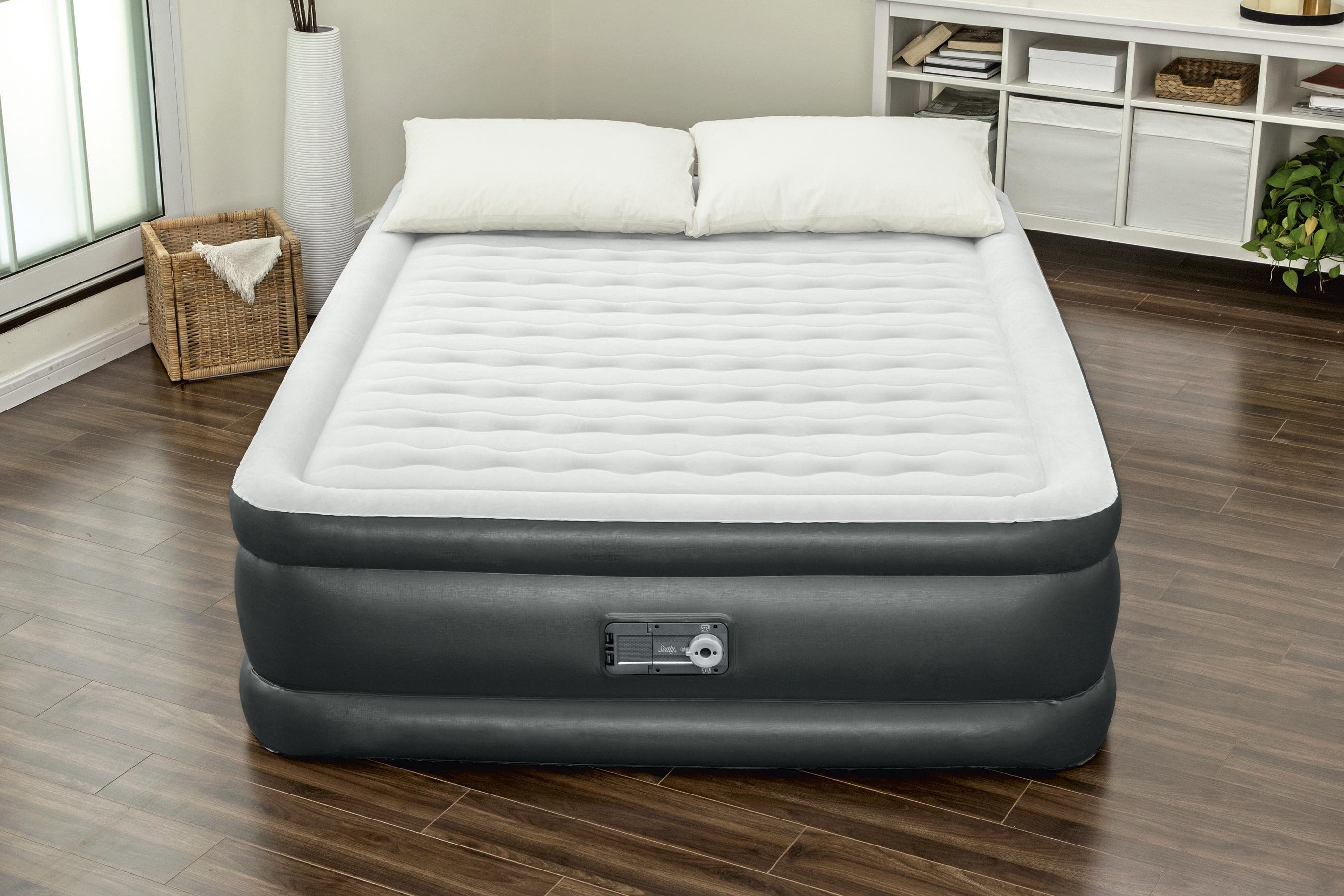
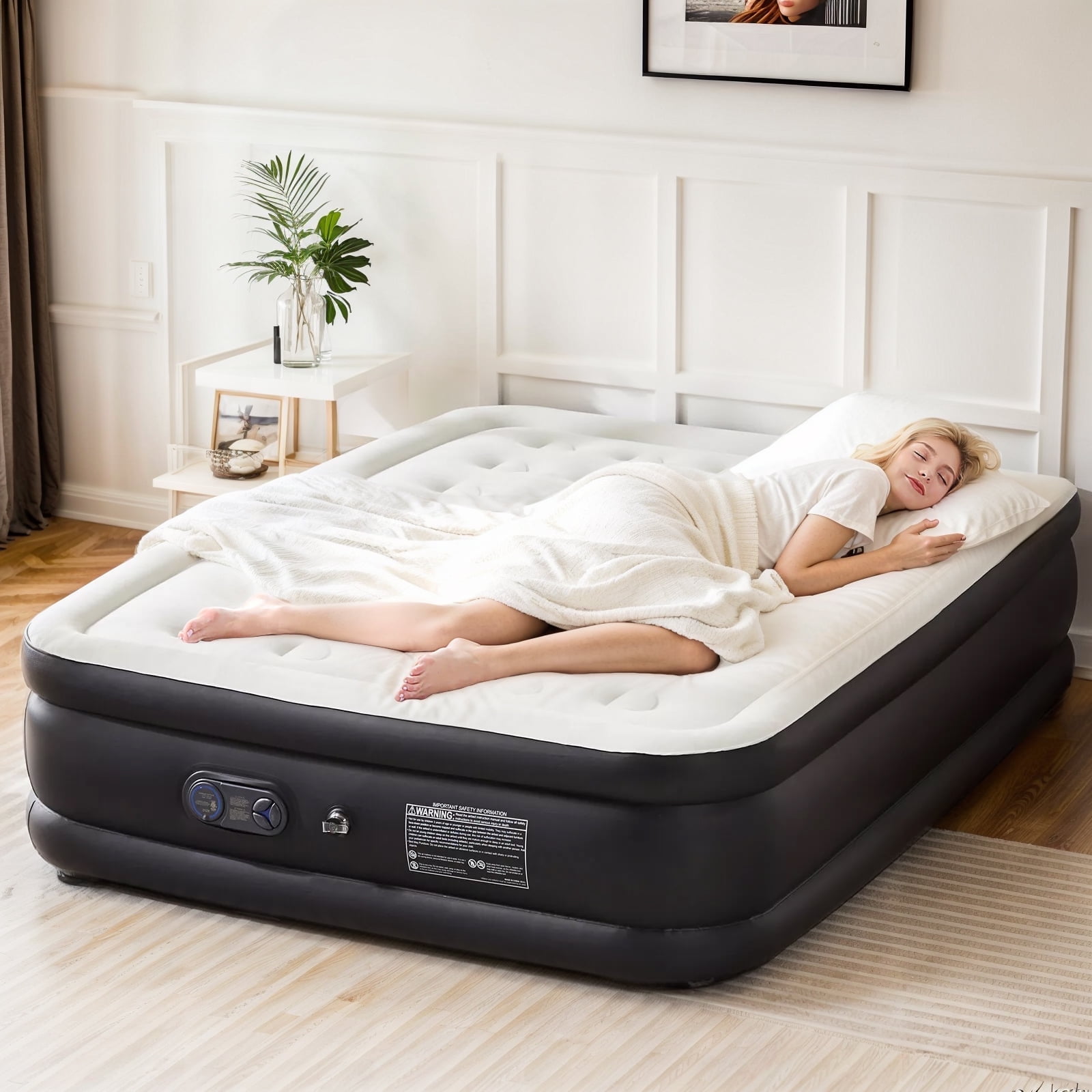
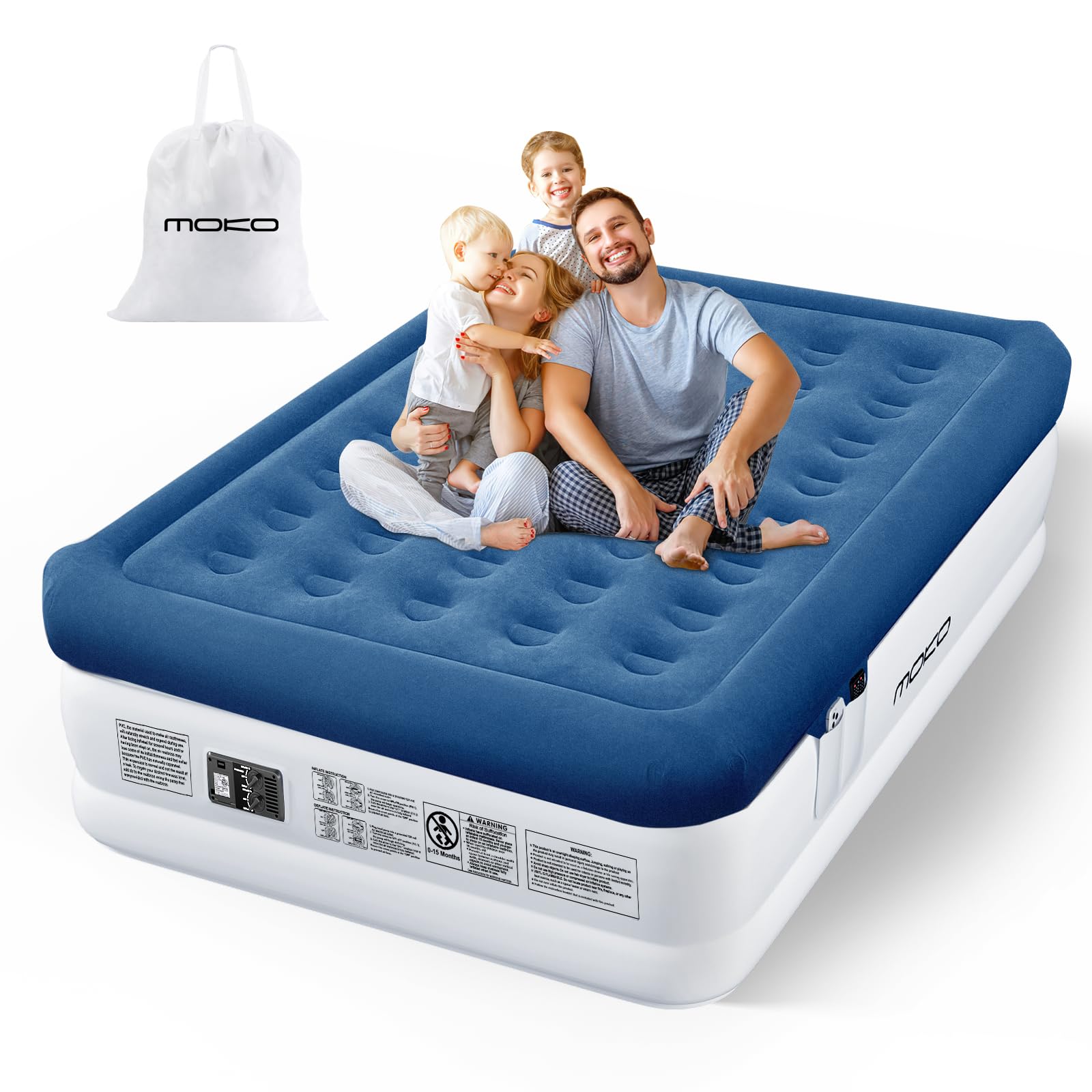
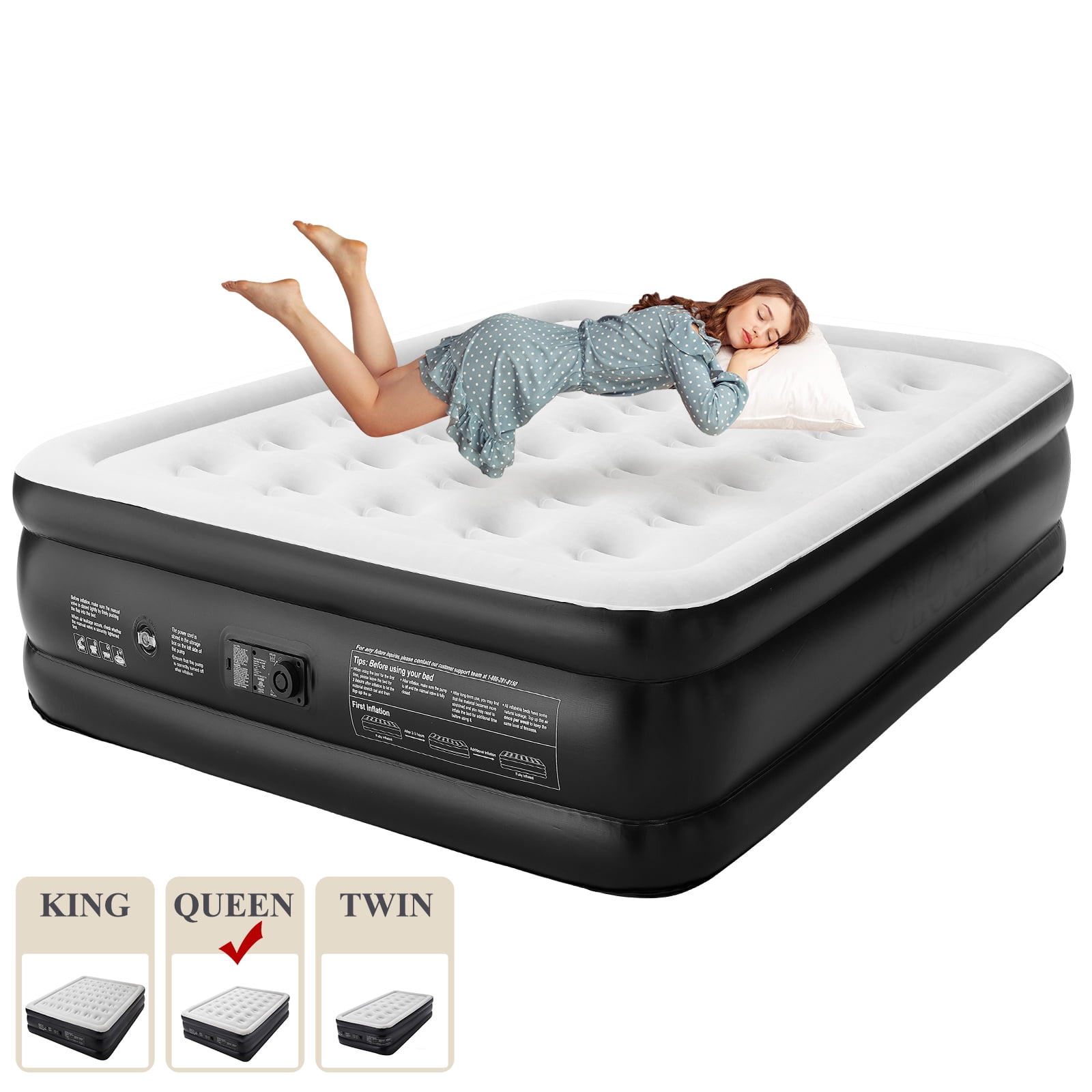
An air bed is a portable, inflatable mattress primarily designed for temporary sleeping arrangements, guest accommodations, or camping. Unlike permanent traditional mattresses, these beds rely on pressurized air contained within a durable PVC or textile-reinforced bladder to provide support, offering an adjustable firmness level that can be customized to the user’s preference through an integrated or external pump.
Understanding Air Bed Technology and Construction
At their core, air beds are engineered to balance portability with structural integrity. Most modern models consist of a main bladder made from polyvinyl chloride (PVC) or thermoplastic polyurethane (TPU), materials chosen for their airtight properties and flexibility. The internal structure—often featuring a coil-beam or longitudinal-beam design—is critical to preventing the "bouncing" sensation associated with basic pool inflatables. These beams distribute weight evenly, ensuring the surface remains relatively flat when under pressure.
Durability is primarily determined by material thickness and the inclusion of protective layers. Many premium air beds now feature a "flocked" top—a soft, velvet-like layer of fabric bonded to the plastic. This serves two purposes: it increases friction to keep sheets from sliding off, and it provides a more skin-friendly surface than raw plastic, which can feel clammy or cool to the touch. In 2026, many high-end models incorporate laminated fabric layers, significantly reducing the risk of punctures caused by friction or contact with sharp debris.
Essential Criteria for Selection
Choosing the right air bed requires balancing your specific use case with the mechanical capabilities of the product. Identifying the intended duration of use is the most vital step in the decision-making process.
Intent and Environment
If you are purchasing a bed for occasional guests in a climate-controlled home, a "raised" air bed—which mimics the height of a traditional mattress—is generally preferred. These models are easier to enter and exit, providing a more comfortable experience for seniors or individuals with mobility challenges. Conversely, if your goal is backpacking or camping, you must prioritize low weight and compact storage. These "sleeping pads" utilize lightweight nylon or polyester materials and are often designed to be inflated manually or with micro-pumps to save on carry weight.
Inflation Systems
The method of inflation dictates both convenience and potential failure points. Modern indoor air beds almost exclusively utilize internal electric pumps that plug into standard wall outlets. While convenient, the pump is a mechanical component prone to wear. Outdoor models rely on battery-operated pumps or manual inflation. When selecting a model, ensure the valve design is compatible with standard repair kits, as the valve is the most frequent point of air loss over time.
Comparison of Common Bed Types
The following table categorizes air beds by their intended application and structural characteristics to assist in your selection process.
| Type | Primary Usage | Profile Height | Inflation Method | Key Characteristic |
|---|---|---|---|---|
| Raised Indoor | Guest rooms | 18–22 inches | Internal Electric | Mimics traditional bed height |
| Low-Profile | General floor space | 6–10 inches | Internal/External | Highly portable, lightweight |
| Camping Pad | Outdoors | 2–5 inches | Manual/Micro-pump | High insulation (R-value) |
| Self-Inflating | Travel/Hiking | 1–3 inches | Foam core expansion | Minimum setup, compact |
Proper Operation and Setup
To maximize the longevity of your air bed, proper setup is as important as the quality of the materials used. The most frequent cause of premature failure is over-inflation, which places undue stress on the internal seams.
- Surface Preparation: Clear the area where the bed will be placed. Even indoors, small debris or sharp edges on a bed frame can cause micro-punctures. Always place a protective layer, such as a thick blanket or a dedicated mattress protector, between the air bed and the floor.
- Initial Inflation: Upon removing a new air bed from its packaging, inflate it to about 80% capacity and let it sit for several hours. This allows the material to stretch, a process known as "cold stretching," which prevents the material from becoming brittle or misshapen under pressure.
- Adjustment: Once in use, the bed will naturally lose a small amount of pressure due to the ambient temperature of the room changing, or the stretching of the material. This is rarely a leak; simply top off the air as needed during the first few days of use.
Troubleshooting and Maintenance
When you suspect a leak, do not immediately discard the product. Locating a leak in an air bed is a systematic process. The most common site for a leak is the valve housing or a seam. To verify a leak, inflate the bed fully and spray the surface with a mixture of water and a small amount of dish soap. Look for bubbling, which indicates escaping air.
If a puncture occurs, ensure you are using a repair kit specifically designed for the bed's material (PVC/TPU). Patching should be done while the bed is completely deflated and cleaned with alcohol to remove any oils or dust. Apply the adhesive, press the patch firmly, and allow it to cure for at least 24 hours before re-inflating.
Common Misconceptions
- "My bed is leaking because it loses air overnight." In most cases, this is not a leak, but a change in air density caused by temperature drops in the room. As the air inside cools, it contracts.
- "Any patch kit works." Using generic duct tape or non-specialized adhesives will not hold under the high pressure of a human body weight. Always use a vinyl-compatible cement or a manufacturer-approved repair patch.
Frequently Asked Questions
How long should an air bed realistically last?
With proper care, a high-quality residential air bed typically lasts two to five years. Lifespan is heavily influenced by how often it is inflated and deflated, as the mechanical stress on the seams during these cycles is the primary cause of material fatigue.
Are air beds suitable for long-term daily use?
While possible, air beds are not typically designed as replacements for permanent mattresses. Long-term use can lead to surface sagging and increased stress on the internal beam structure, leading to structural failure. They are best suited for short-term, temporary solutions.
Can I leave my air bed inflated permanently?
Yes, but you will need to "top off" the air periodically. Ambient temperature fluctuations and the natural permeability of the material mean that air loss is inevitable over a period of weeks or months, even without a puncture.
What is the weight limit for most air beds?
Standard queen-sized air beds typically support between 500 and 600 pounds. However, you should always consult the manufacturer’s documentation, as excessive weight will cause the internal coils to stretch or tear, leading to the "bubble" effect where the bed loses its flat surface.
Do air beds provide enough back support?
Air beds can provide adequate support if the firmness is adjusted correctly. Because air pressure is uniform, it does not offer the same contouring capabilities as memory foam or pocketed coils. For individuals with back pain, adding a foam topper on top of the air bed can significantly improve comfort and spinal alignment.
Next Steps for Maintenance and Care
To ensure your air bed remains functional, treat it as a precision-inflatable rather than a piece of furniture. If storing the bed for an extended period, deflate it completely and fold it loosely. Avoid tight creases, as these can weaken the PVC material over time. Keep the bed in a climate-controlled environment away from direct sunlight, as UV exposure causes the plastic to become brittle and prone to cracking. If you encounter a failure that cannot be repaired with a standard kit, contact the manufacturer to see if they offer a replacement bladder, which is often a more sustainable and cost-effective alternative to purchasing a completely new unit.