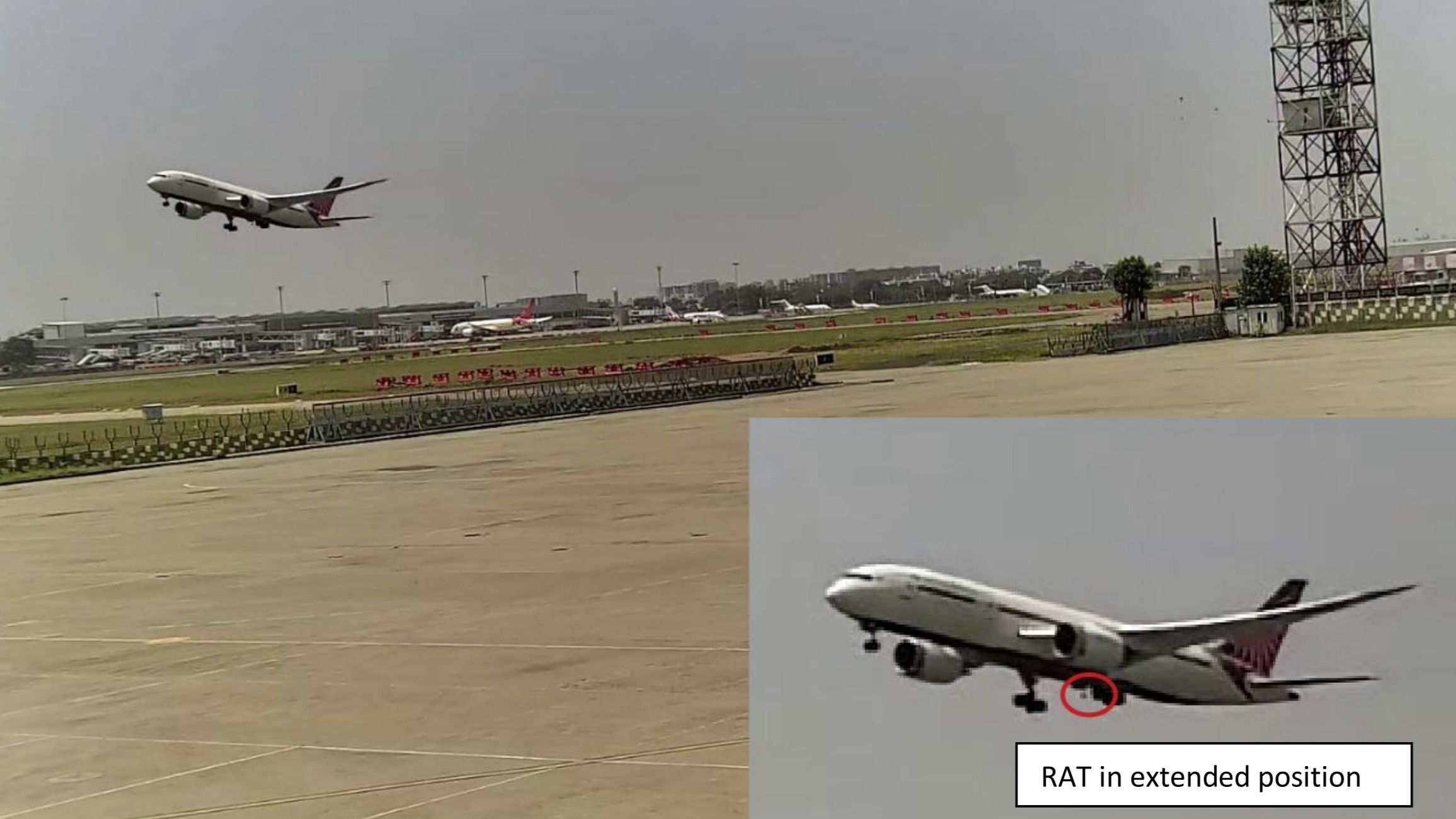
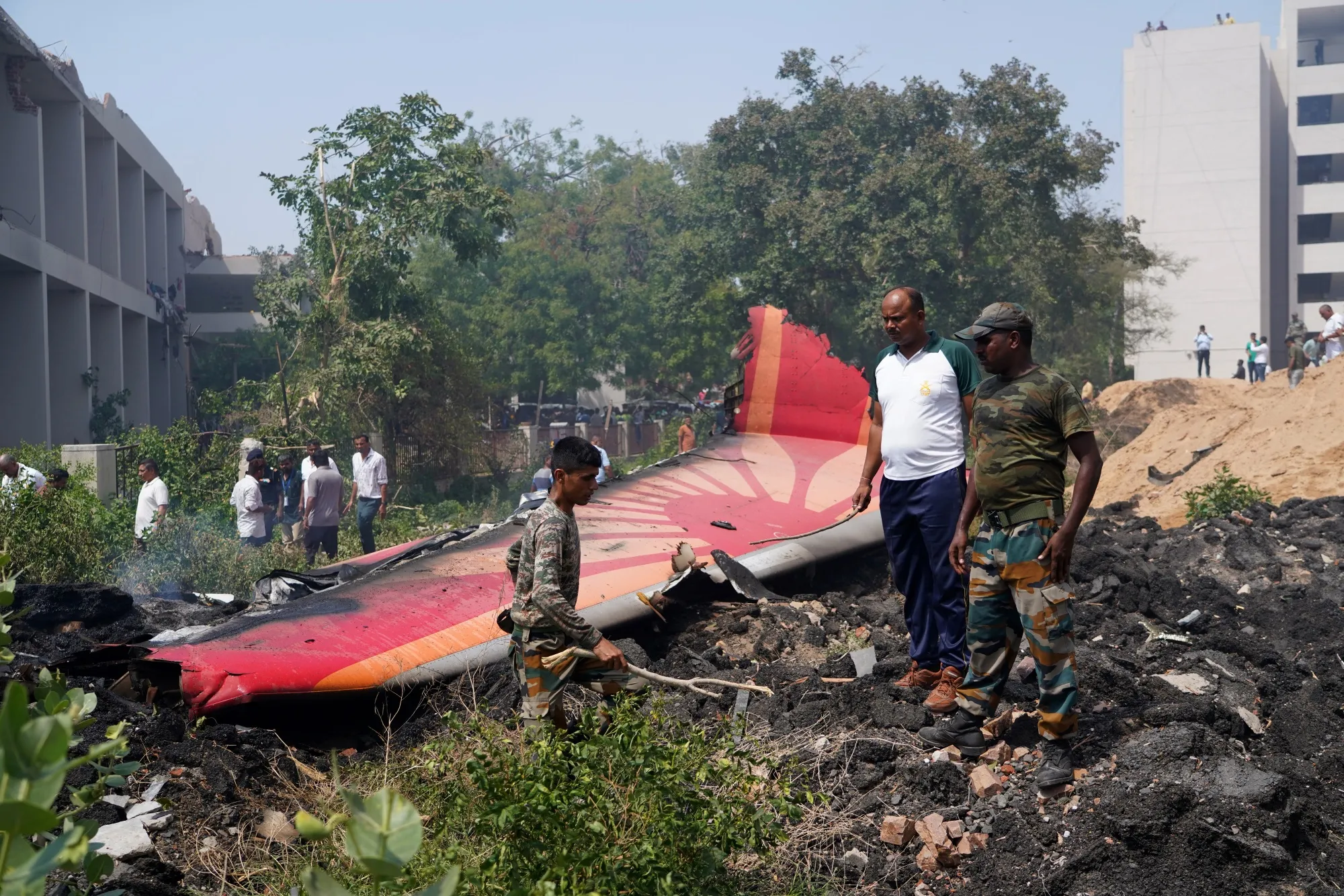
Air accident analysis is the systematic, multidisciplinary investigation process conducted by national and international authorities to determine the causal factors of aviation incidents. By examining technical, environmental, and human elements, investigators establish a definitive chain of events. This rigorous process prevents future reoccurrences by mandating safety enhancements, design modifications, and updated operational procedures across the global aviation industry.
The Objective of Aviation Investigation
The fundamental purpose of air accident analysis is not to assign legal liability or blame but to identify systemic weaknesses. Aviation safety regulators, such as the National Transportation Safety Board (NTSB) in the United States or the Air Accidents Investigation Branch (AAIB) in the United Kingdom, operate under the principle that understanding the "why" is more critical for safety than identifying the "who."
Investigations focus on the "Swiss Cheese Model" of accident causation. This concept posits that accidents occur when multiple safety barriers—each represented by a slice of cheese—fail simultaneously due to holes (latent conditions or active errors) in their design or implementation. An analyst’s task is to identify these alignment points where the holes allow a hazard to result in an accident.
Key Components of Evidence Collection
The analysis begins with the preservation and recovery of physical and digital evidence. This phase is highly time-sensitive. Investigators categorize evidence into three primary streams:
- Human Factors: This includes analyzing pilot performance, crew resource management (CRM), fatigue, training history, and cognitive workload. Analysts scrutinize communication between the flight deck and air traffic control to determine if misunderstandings or stress contributed to the outcome.
- Technical and Mechanical Systems: Analysts perform metallurgical examinations of engine components, flight control surfaces, and structural debris. This often involves reconstructing portions of the airframe to determine if a fatigue failure, manufacturing defect, or maintenance error initiated the sequence.
- Flight Data and Cockpit Voice Recordings: The Flight Data Recorder (FDR) and Cockpit Voice Recorder (CVR), often referred to as "black boxes," provide high-fidelity telemetry and audio context. Analysts use specialized software to visualize the aircraft’s path, control inputs, and system alerts in the moments leading up to an event.
Data Verification and Analytical Frameworks
Once evidence is gathered, it is subjected to a validation process. In 2026, the industry relies heavily on digital twin modeling and computational fluid dynamics (CFD) to recreate the physical conditions of an accident. If physical debris shows signs of structural failure, simulation tools can determine if that failure was the cause of the crash or a result of the impact forces.
Analysts compare findings against the aircraft’s Type Certificate, the original design specifications provided by the manufacturer (e.g., Boeing, Airbus, or Embraer). They also cross-reference maintenance logs to ensure that all airworthiness directives (ADs) and service bulletins (SBs) were correctly implemented. If a discrepancy exists between the expected behavior of a system and the recorded data, the investigation pivots toward uncovering the root cause of that mechanical divergence.
Comparison of Investigation Methodologies
| Methodology | Primary Focus | Tools Utilized |
|---|---|---|
| Systemic Analysis | Organizational culture and process failure | Root Cause Analysis (RCA), Bowtie modeling |
| Mechanical Analysis | Material integrity and structural failure | Metallurgical analysis, X-ray scanning |
| Human Factors Analysis | Cognitive performance and decision-making | Behavioral interviews, CRM logs, fatigue models |
| Digital Reconstruction | Flight path and system telemetry | Flight data visualization, digital twins |
The Role of International Standards
Air accident analysis is governed by Annex 13 to the Convention on International Civil Aviation, established by the International Civil Aviation Organization (ICAO). This global framework ensures that every nation follows a standardized procedure, facilitating cooperation when an accident occurs in international waters or involves a multinational crew and aircraft manufacturer.
When an investigation crosses borders, an "Accredited Representative" is appointed to provide the state of registry and the state of design with transparency and input. This prevents conflicting conclusions and ensures that safety recommendations are implemented globally. For example, if an analysis concludes that a sensor component is prone to icing, the manufacturer must issue a global notification, and regulators worldwide must mandate the installation of an improved design.
Common Challenges in Modern Investigations
Despite advanced technology, several hurdles remain in modern air accident analysis. The increasing reliance on complex software-driven systems—such as fly-by-wire architectures—requires investigators to possess deep expertise in computer science alongside traditional aeronautics. Parsing millions of lines of code to find a single logical "bug" that manifested during a flight is a significant time investment.
Furthermore, environmental conditions are frequently cited as a contributing factor. Analysts must accurately reconstruct weather data, including icing conditions, turbulence, and microbursts, using historical meteorological satellite data. Failure to accurately model these conditions can lead to misattribution of the accident's cause, potentially leaving a latent design or human error unaddressed.
Frequently Asked Questions
What is the difference between an investigation and a judicial inquiry?
An investigation, led by civil aviation authorities, aims strictly to prevent future accidents by improving safety. A judicial inquiry is a legal process focused on determining criminal or civil liability, often involving lawsuits and criminal charges. In most jurisdictions, these two tracks operate independently to ensure that safety-focused investigations remain candid.
How are black boxes recovered from deep-water crash sites?
Black boxes are equipped with Underwater Locator Beacons (ULBs) that emit an ultrasonic pulse for at least 90 days. Investigators use towed pinger locators and autonomous underwater vehicles (AUVs) equipped with sonar to scan the seabed. Once located, specialized robotic arms or manned submersibles recover the units for laboratory extraction.
Does the manufacturer participate in the investigation?
Yes, the manufacturer is an essential stakeholder. Under ICAO rules, they provide the technical expertise necessary to understand the design intent, software logic, and manufacturing history of the aircraft. They are involved in the technical investigation but do not have final authority over the safety findings or recommendations.
Can simulation software replace physical wreckage analysis?
No, simulation is a supplementary tool. It is used to validate hypotheses generated by physical evidence, such as confirming whether a specific control input would cause the stall pattern observed in flight data. Physical evidence, such as a fractured spar or a jammed actuator, remains the primary "ground truth" in any investigation.
What happens after an investigation concludes?
Once the final report is published, the relevant aviation regulator issues Safety Recommendations to manufacturers, operators, and maintenance facilities. These may include mandatory hardware upgrades, revisions to flight manuals, or changes to pilot training curricula. The effectiveness of these recommendations is tracked by international safety databases.
Next Actions for Aviation Safety Professionals
For those seeking to understand or contribute to this field, the most effective next step is reviewing the searchable archives of official accident reports from national agencies like the NTSB or the Bureau d'Enquêtes et d'Analyses (BEA). Studying these "Final Reports" provides an unparalleled look into the methodology, evidence-weighing, and logical progression used by seasoned investigators. Professionals in the field should also ensure familiarity with the current version of the ICAO Annex 13 manual, which serves as the global standard for all investigation protocols.