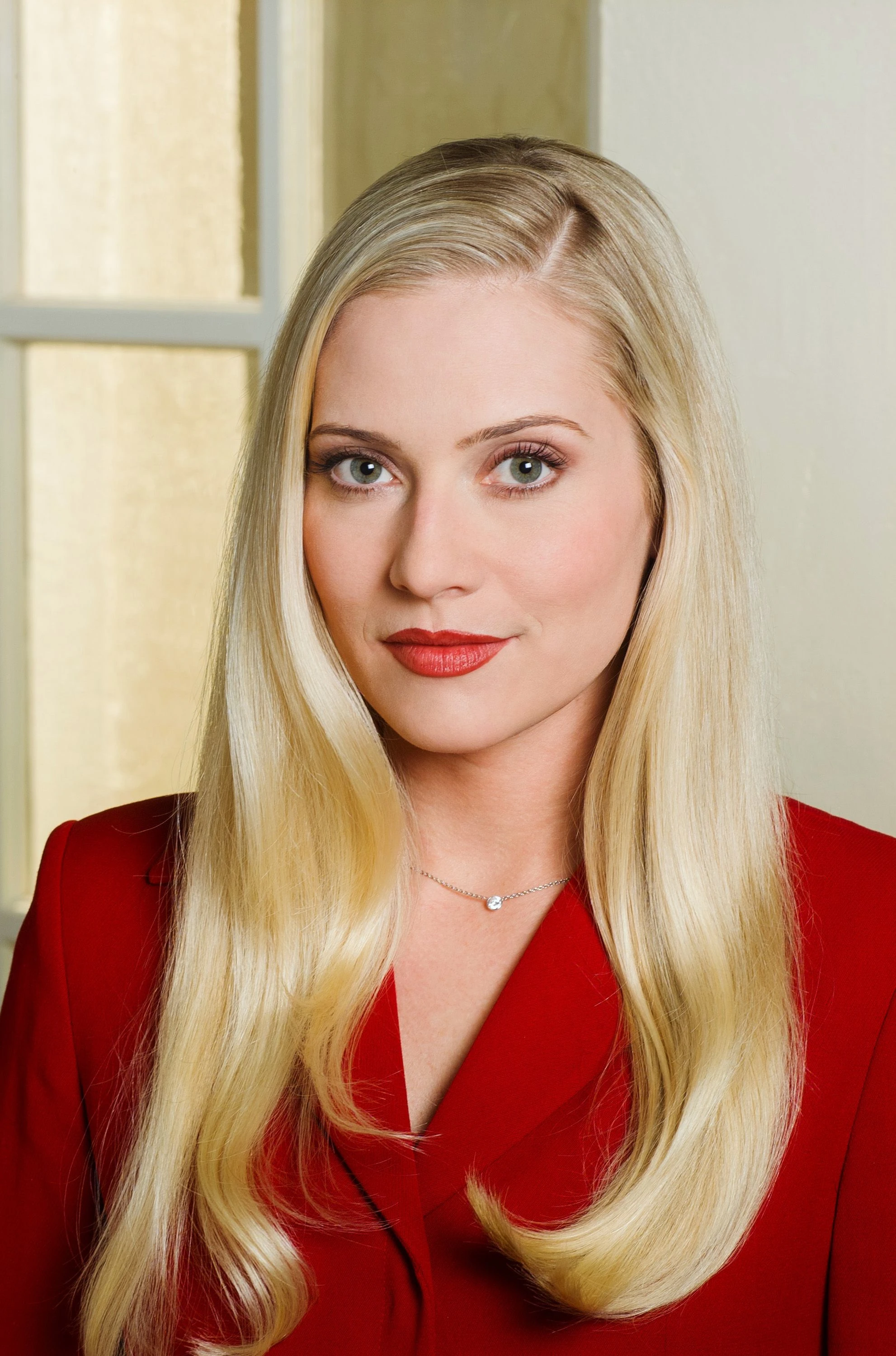
Ainsley Hayes is a pivotal supporting character in the television series The West Wing, serving as a complex political foil and legal strategist within the administration of President Josiah Bartlet. Portrayed by Emily Procter, the character represents the integration of conservative intellectualism into a predominantly liberal White House, challenging the established narrative arcs of the show’s primary ensemble.
Origins and Introduction to the White House
Ainsley Hayes was introduced during the second season of The West Wing as a brilliant, sharp-witted conservative attorney. Her entry into the narrative is marked by a memorable televised debate against Sam Seaborn, where her articulate defense of conservative principles—specifically regarding the Equal Rights Amendment and the general political climate—caught the attention of the Bartlet administration.
The administration’s decision to hire her was not merely a gesture of tokenism but a calculated move to inject rigorous legal scrutiny into their policy-making processes. By bringing an ideological outsider into the fold, the series utilized Hayes to expose the insular nature of the West Wing staff. Her professional trajectory, moving from a contentious pundit to an Associate White House Counsel, serves as a bridge between the show’s idealism and the practical, often messy realities of governing.
Ideological Function within the Narrative
Within the framework of the show, Ainsley Hayes functions as a "voice of reason" from the right. Unlike other antagonists who might challenge the administration out of malice, Hayes challenges them out of genuine, principled disagreement. This distinction is vital for understanding her role; she is not a villain, but an intellectual peer who forces the characters—particularly Sam Seaborn—to sharpen their arguments.
Her presence often highlights the nuances of legal interpretation. While the administration is focused on political optics and legislative progress, Hayes is frequently the character who focuses on the letter of the law and the potential for institutional overreach. This dynamic creates a "friction" that the writers used to flesh out the administration’s own legislative strategies. By requiring the President’s staff to defend their actions to someone who inherently disagrees with their foundational philosophy, the series elevated the intellectual quality of its dialogue.
Key Professional Milestones
Throughout her tenure, Hayes participated in several high-profile legal matters. Her work within the Counsel’s Office involved navigating the complexities of executive privilege, constitutional law, and the day-to-day regulatory requirements of a sitting President.
One of the most defining aspects of her tenure was the development of her professional relationships. Her rapport with Leo McGarry and her ongoing intellectual sparring with the Senior Staff allowed the audience to see her transition from a "hired gun" to a respected member of the inner circle. She navigated the inherent sexism of the environment with a mixture of humor, assertiveness, and undeniable competence, ensuring her character remained authoritative rather than decorative.
Comparative Dynamics of White House Counsel
To understand the significance of Ainsley Hayes, it is helpful to contrast her role with the other legal figures in the series. The following table outlines the key differences in their approaches to the law within the Bartlet administration.
| Character | Primary Legal Focus | Philosophical Approach | Role in Narrative |
|---|---|---|---|
| Ainsley Hayes | Constitutional Law | Conservative / Strict Constructionist | Intellectual challenger and strategist |
| Oliver Babish | Criminal Defense / Risk | Pragmatic / Cynical | Institutional protector and crisis manager |
| Joe Quincy | Government Ethics | Regulatory / Meticulous | Investigator and reform advocate |
| Lionel Tribbey | Executive Authority | Institutionalist / Traditionalist | Aggressive defender of the executive branch |
As shown above, while figures like Oliver Babish were brought in to manage institutional risk, Hayes was utilized to vet the morality and legality of the administration’s core political stances. This distinction made her indispensable for plotlines requiring the justification of bold, risky, or controversial policy decisions.
Challenges of Representation and Character Arc
Despite her popularity, the character of Ainsley Hayes faced narrative limitations common to supporting roles in long-form television. As the series progressed, her appearances became more sporadic, largely due to external casting factors and the evolving focus of the show. Fans often noted that her character was never fully integrated into the "inner sanctum" of the senior staff in the same way that characters like Josh Lyman or C.J. Cregg were.
However, her departure from the White House was handled in a manner consistent with her character’s integrity. Rather than fading away, she remained a symbol of the administration’s ability to attract top-tier legal talent, regardless of party affiliation. Her arc demonstrates a specific narrative technique: using an "outsider" to validate the "insider" worldview by showing that even those who disagree with the President find his service to be legally defensible.
Technical Contributions to Plot Development
The writers of The West Wing relied on Ainsley Hayes for exposition in complex legal episodes. Because she was a conservative, she could deliver lines that would sound overly defensive if spoken by a character like Sam Seaborn or Toby Ziegler. By allowing Hayes to articulate the counter-argument, the writers avoided the "straw man" fallacy often found in political dramas.
Furthermore, her character provided a lens through which to view the administrative burden of the White House. Her legal research into the minute details of federal statutes often served as the catalyst for conflict in an episode. When Hayes identified a loophole or a violation of protocol, it provided a concrete "problem" for the protagonists to solve, driving the procedural elements of the show forward.
Frequently Asked Questions
Why was Ainsley Hayes hired by the Bartlet Administration?
She was hired after a televised debate against Sam Seaborn. The administration recognized her exceptional legal mind and sought to benefit from her conservative perspective, which they believed would help them identify weaknesses in their legislative and policy proposals before they became public.
How did the other staffers treat Ainsley Hayes initially?
Initially, there was significant skepticism and some level of hostility, primarily due to her political affiliation. However, as she demonstrated her dedication to the law and her personal integrity, she gained the respect of key figures like Leo McGarry, who served as a mentor-like figure during her time in the White House.
Did Ainsley Hayes represent a specific real-world figure?
While the show frequently drew inspiration from real-world politics, Ainsley Hayes is a fictional composite. She represents the "loyal opposition"—an archetype used to show that democratic governance requires the presence of dissenting opinions to remain functional and intellectually honest.
What was the impact of Ainsley Hayes on Sam Seaborn’s character?
Hayes acted as a mirror for Sam Seaborn. Her ability to challenge him on his own turf forced Sam to become a better communicator and a more rigorous thinker. Their relationship is one of the most cited examples of respectful, intellectual competition in the series.
How did the writers maintain her political identity?
The writers maintained her identity by ensuring she never "converted" to the administration's side. She remained a Republican throughout her tenure, which grounded her character and prevented her from becoming a caricature. Her loyalty was to the office of the Presidency and the Constitution, not necessarily to the President's personal ideology.
Will we see the character of Ainsley Hayes again in future media?
As of 2026, there are no official plans for a reboot or revival featuring the original character of Ainsley Hayes. The character’s arc is considered complete within the established canon of the original seven seasons of the series.
Moving Forward: Analyzing Political Drama
For those interested in the craft of political storytelling, studying the arc of Ainsley Hayes provides a masterclass in the use of the "foil." By creating a character who is neither a hero nor a villain, but a professional necessity, showrunners can maintain structural tension without relying on artificial conflict. If you are analyzing political media, look for the character who is granted the most intellectual respect by their opponents; that character is almost always the key to understanding the narrative’s moral center.