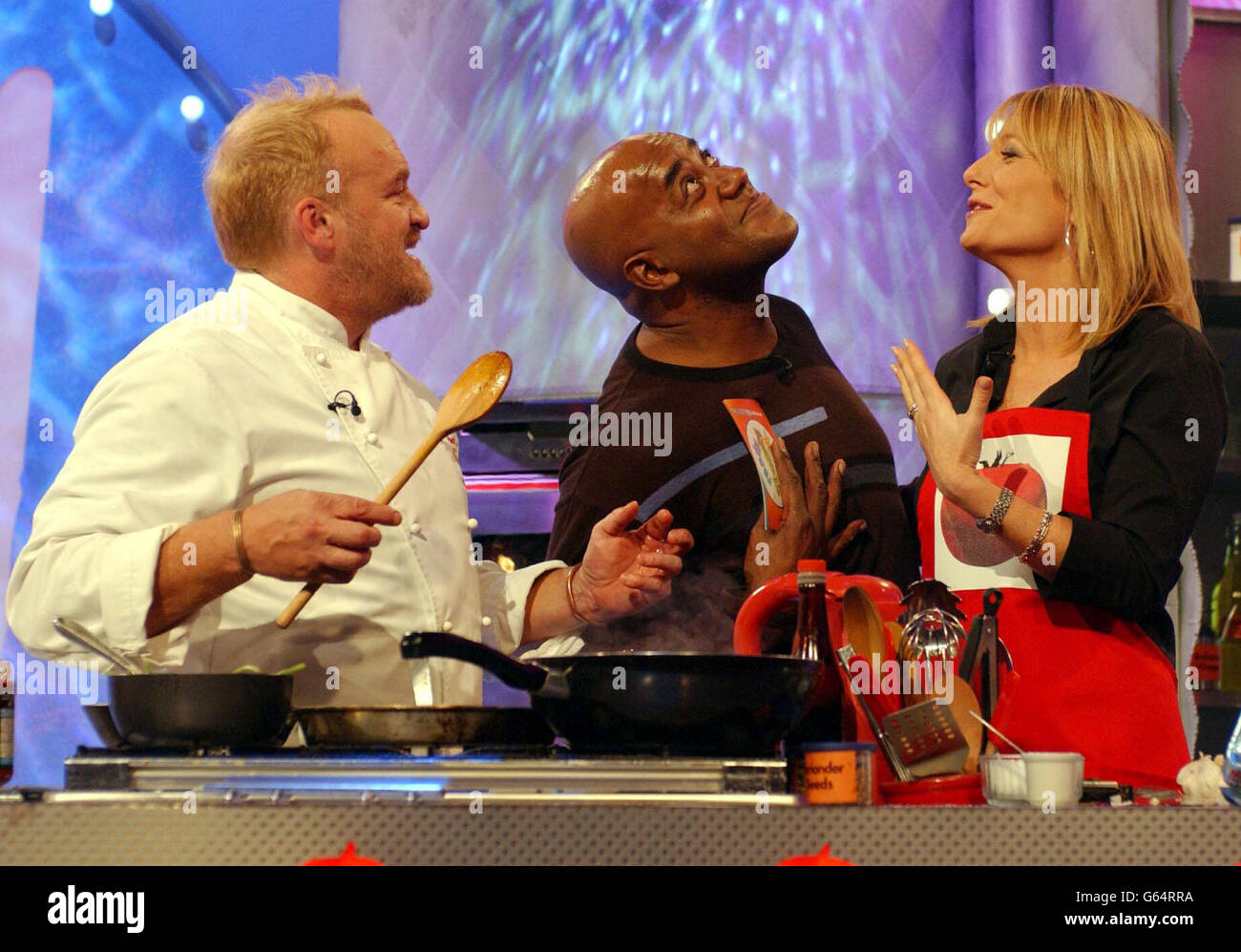
Ainsley Harriott’s approach to cooking centers on the philosophy of accessible, high-energy, and flavor-forward cuisine. His "chef secrets" rely on balancing fresh aromatics, mastering simple heat control, and utilizing bold seasoning techniques to elevate everyday ingredients. By focusing on rapid preparation methods and consistent flavor layering, home cooks can replicate his signature style to create delicious, restaurant-quality meals with minimal stress.
The Philosophy Behind Ainsley Harriott’s Culinary Style
The foundation of Ainsley Harriott's culinary success lies in the democratization of gourmet cooking. Throughout his career, which spans decades of television hosting and cookbook authorship, he has consistently advocated for the removal of intimidation from the kitchen. His secret is not rooted in complex French techniques or expensive equipment, but rather in the confident use of accessible, vibrant ingredients.
Central to his method is the concept of "flavor first." Whether he is preparing a simple pasta dish or a complex jerk chicken, Harriott emphasizes the importance of understanding how spices, acids, and fresh herbs interact. He often teaches that the difference between a mediocre meal and a delicious one is the timing of seasoning. By layering flavors—starting with a aromatic base (often referred to as a "sofrito" or mirepoix) and finishing with a bright acid like lemon juice or fresh herbs—he ensures that every bite is balanced.
Essential Techniques for Recreating Signature Flavors
To cook like a seasoned professional, one must move beyond the recipe card and understand the mechanics of the kitchen. Ainsley Harriott’s recipes are successful because they utilize high-impact techniques that yield maximum results in short timeframes.
Mastering Heat and Searing
One of the most frequent mistakes in home cooking is overcrowding the pan. Harriott’s recipes frequently feature seared proteins or stir-fried vegetables. To replicate his success, ensure the pan is sufficiently hot before adding ingredients. Searing creates the Maillard reaction—a chemical reaction between amino acids and reducing sugars that gives browned food its distinctive flavor. When cooking in batches, avoid the temptation to pile too much into the skillet; this drops the pan temperature and causes food to steam rather than caramelize.
The Power of Aromatics and Spices
Harriott’s background includes a heavy emphasis on Caribbean and Mediterranean influences. His secrets often involve "waking up" spices. Instead of adding ground spices directly to a liquid, he suggests blooming them in a small amount of oil for 30 to 60 seconds. This releases essential oils that provide a deeper, more rounded flavor profile. Similarly, the use of fresh ginger, garlic, and chilies is non-negotiable in his approach; they act as the primary structural pillars of a dish's flavor identity.
Strategic Ingredient Selection and Preparation
Quality ingredients are the starting point for any successful recipe, but knowing how to treat them is the true secret. Harriott’s style focuses on minimizing waste and maximizing the potential of humble staples.
- Freshness Over Complexity: Prioritize seasonal produce. If a tomato is not flavorful on its own, it will not become flavorful through cooking alone.
- Acid as a Seasoning: Never underestimate the power of a splash of acidity. Often, a dish that feels "missing something" does not need more salt; it needs a hit of brightness, such as lime juice, rice vinegar, or a touch of balsamic, to cut through fat.
- Textural Contrast: A delicious meal should engage the palate through texture. Harriott frequently incorporates crunchy elements—such as toasted nuts, crispy shallots, or raw vegetables—into soft, cooked dishes to provide a varied eating experience.
Comparison of Cooking Methodologies
The following table contrasts conventional home-cooking habits with the techniques championed in Ainsley Harriott’s signature recipes.
| Cooking Element | Conventional Approach | Ainsley Harriott Method |
|---|---|---|
| Spice Usage | Added during simmering | Blooming in oil to release aromatics |
| Protein Prep | Adding all items at once | Searing in batches for crust development |
| Flavor Balancing | Primarily salt-focused | Balancing fat, salt, and acid levels |
| Vegetable Prep | Cooking until very soft | Maintaining slight "bite" for texture |
| Herb Usage | Used as a garnish | Integrated into the cooking process |
Troubleshooting Common Culinary Pitfalls
Even with the best recipes, home cooks often face challenges that can compromise a meal. Understanding these common hurdles is part of the professional chef’s toolkit.
One common issue is "blandness," which usually stems from a lack of salt. Salt is not merely a flavor in itself; it is a flavor enhancer that allows other ingredients to express their full potential. Harriott’s advice typically involves seasoning in stages—a pinch during the preparation of the aromatics, a pinch during the cooking process, and a final check before serving.
Another challenge is "soggy" textures. This often happens when ingredients with high water content (such as mushrooms or zucchini) are cooked on too low a heat or in a crowded pan. If your vegetables are turning to mush, increase the heat and allow the water to evaporate quickly, focusing on browning the edges before the interior softens too much.
Finally, managing the timing of a multi-component meal is a significant skill. When preparing recipes that require multiple steps, organize your "mise en place"—the preparation and organization of all ingredients before cooking begins. Having your chopped onions, measured spices, and prepped protein ready on the counter prevents the panic that leads to burnt garlic or overcooked meat.
Incorporating Global Influences into Daily Meals
The versatility of Harriott’s repertoire stems from his ability to synthesize diverse global traditions. His "secrets" often include borrowing from various culinary lexicons—using soy sauce for umami, chili pastes for heat, or fresh yogurt to temper spices. To incorporate this into your own kitchen, try experimenting with one "base" protein—such as a chicken breast or firm tofu—and applying three different flavor profiles using his modular techniques. By keeping a pantry stocked with high-quality oils, dried spices, and essential vinegars, you ensure that you are never more than twenty minutes away from a flavorful, restaurant-style meal.
Frequently Asked Questions
Why do my spices taste burnt when I add them to the pan?
Spices, particularly ground ones, contain delicate volatile oils that burn quickly when exposed to high heat. The secret is to ensure the pan has enough fat (oil or butter) and to keep the heat at a medium level. If you are using a very hot pan, add a splash of liquid or reduce the temperature before adding the spices to ensure they toast rather than scorch.
How can I make my sauces taste more "professional"?
Professional-quality sauces rely on reduction and mounting. Reduction concentrates flavor by evaporating excess water. Mounting, or "monter au beurre," involves whisking a small knob of cold butter into the finished sauce away from the heat; this provides a glossy sheen and a velvety mouthfeel that separates home-style sauces from professional ones.
Is it necessary to use fresh herbs in every recipe?
While dried herbs have their place for long-simmering stews, fresh herbs are vital for finishing dishes. Their bright, aromatic profile is often lost in high-heat cooking. Ainsley Harriott’s recipes often call for fresh herbs to be added at the very end of the cooking process to preserve their vibrant color and essential oils.
Can I substitute ingredients in these recipes?
Yes, the best way to master these recipes is to understand the function of the ingredient. If a recipe calls for lime juice and you have lemon, the acidity will serve the same purpose. The key is to maintain the balance of the dish. If an ingredient adds texture, replace it with something of similar crunch; if it adds liquid, replace it with something of similar moisture content.
What is the most important tool for a home cook?
Beyond a sharp knife, a heavy-bottomed pan is the most critical tool. It retains heat consistently, preventing the "hot spots" that cause food to burn in one area while remaining raw in another. Investing in one high-quality stainless steel or cast-iron skillet will significantly improve your ability to execute searing and sautéing techniques.
Next Steps for Improving Your Culinary Skills
To begin applying these secrets, select one of your standard go-to recipes and analyze it through the lens of flavor layering and technique. Start by blooming your spices in a bit of oil before adding the main ingredients. Observe how the aroma changes and how this impacts the final depth of the dish. Next, pay close attention to your use of acidity; taste your food before serving and adjust with a squeeze of citrus or a dash of vinegar. Consistency comes from practice and observation; by focusing on the "why" behind the steps rather than just the instructions, you will develop the intuition required to cook with the same flair and confidence as a professional chef.