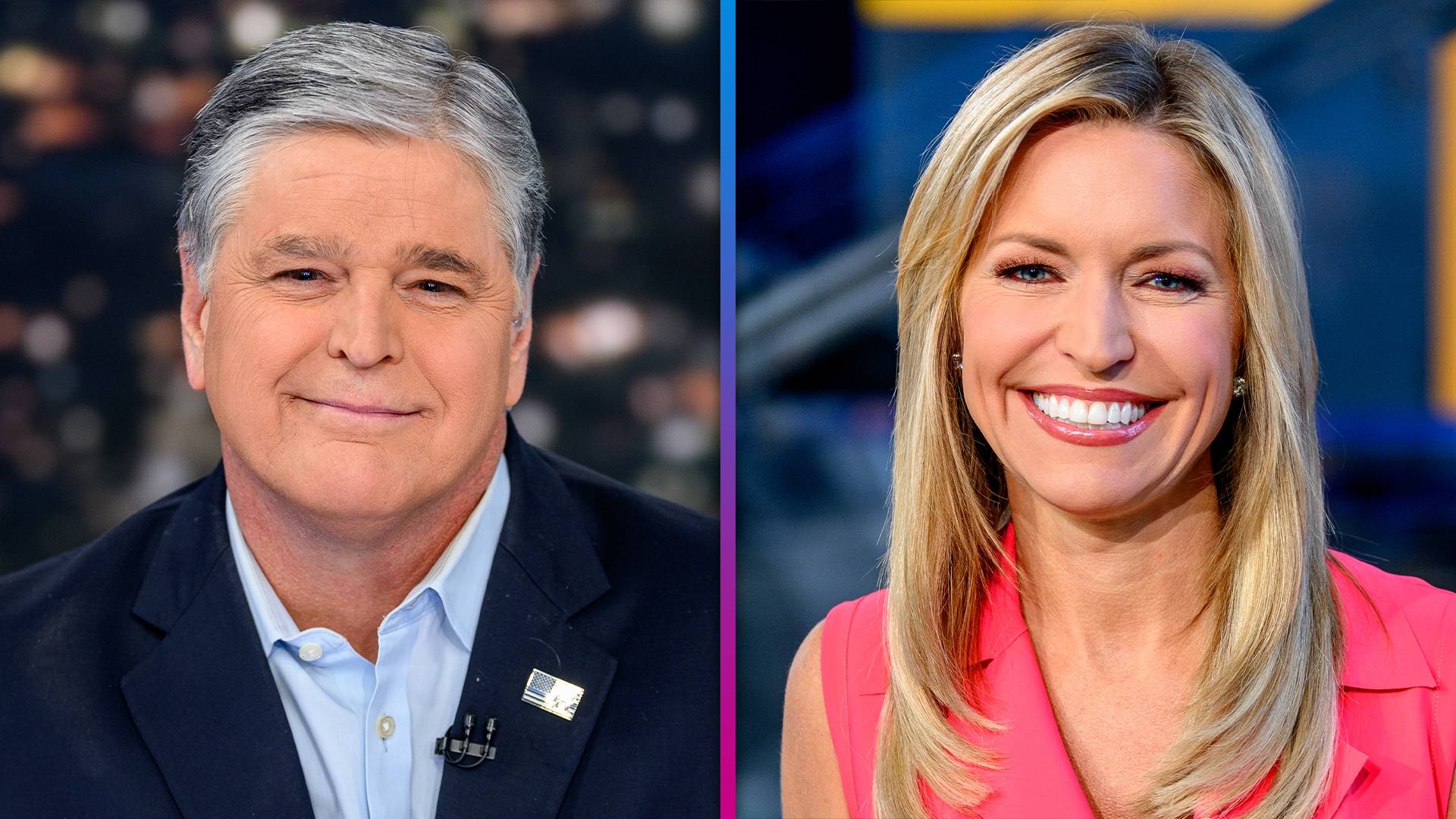
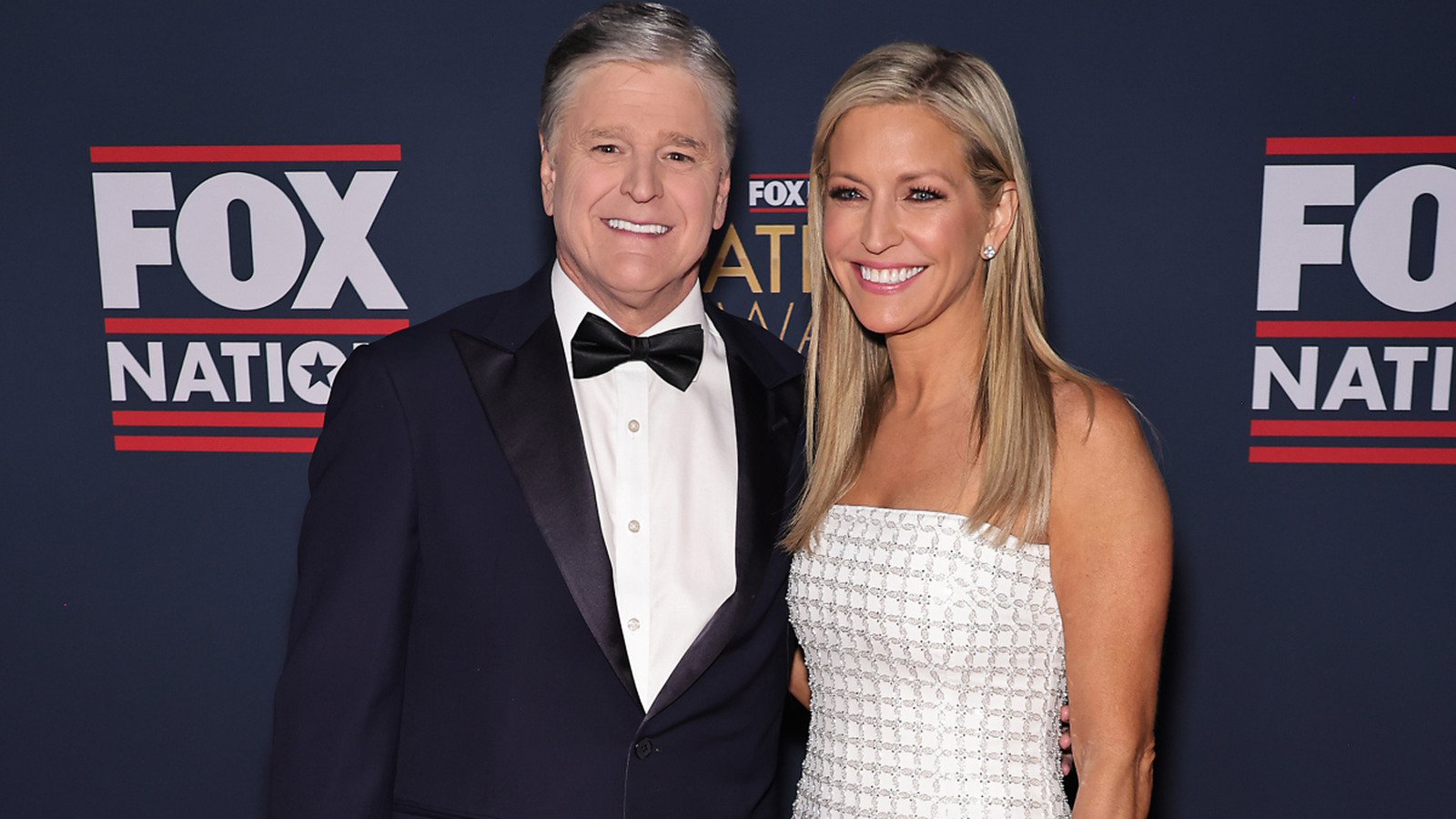
The connection between Fox News anchors Ainsley Earhardt and Sean Hannity has been a subject of significant public and media interest since reports of their private relationship emerged around 2019. While both parties have maintained a high level of professional discretion regarding their personal lives, their association remains a prominent fixture in media commentary, reflecting broader patterns in how the private lives of television personalities are interpreted by the public.
The Evolution of Professional and Personal Narratives
Ainsley Earhardt and Sean Hannity are two of the most recognizable faces at Fox News, yet their professional paths are distinct. Earhardt is best known as a co-host of Fox & Friends, a position she has held since 2016, providing a morning-show format that blends hard news with lifestyle segments. Sean Hannity, conversely, anchors Hannity, an evening primetime program that focuses on conservative political commentary and interviews.
Public interest in their connection intensified in 2019 when reports suggested the two were in a relationship. At the time, both individuals were navigating significant personal transitions; Earhardt had recently finalized a divorce, and Hannity had previously announced his separation from his wife of over 20 years. Because both work for the same media organization, the intersection of their professional duties and their alleged personal connection created a focal point for media observers. However, unlike celebrities who engage with tabloid culture, both Earhardt and Hannity have largely prioritized professional boundaries, rarely addressing these rumors in public forums or on their respective broadcasts.
Media Scrutiny and the Role of Speculation
The public perception of their connection is heavily influenced by the nature of celebrity journalism. In the digital age, figures who hold positions of significant influence—such as prime-time news anchors—often become subjects of intense public fascination that blurs the lines between professional output and private behavior.
Observers have noted that the lack of official confirmation from either party has not diminished public interest. Instead, it has acted as a catalyst for ongoing speculation, particularly within social media environments where personal relationships are often analyzed through the lens of professional cooperation. This phenomenon is common in the media industry, where the "power couple" narrative is a recurring trope. When two individuals in the same field share a workspace, the public often seeks to understand how their private dynamic might influence their professional alignment or influence within their organization.
Comparing Public Perception vs. Professional Identity
Understanding the distinction between how the public views these two figures and the reality of their professional standing is critical. While their association is a topic of peripheral interest, their primary value to their audience remains tied to their broadcast performances.
| Aspect | Ainsley Earhardt | Sean Hannity |
|---|---|---|
| Primary Program | Fox & Friends | Hannity |
| Broadcast Focus | Morning news and lifestyle | Evening conservative commentary |
| Public Persona | Relatable, morning-anchor style | Hard-hitting political analyst |
| Organizational Status | Long-term network anchor | Senior prime-time host |
The table above illustrates the variance in their roles. Earhardt operates within the lighter, more varied tone of a morning magazine show, whereas Hannity operates within the highly partisan environment of prime-time commentary. This difference in tone is why public perception of their "connection" is often contrasted with their distinct professional styles. Analysts suggest that the interest in their relationship stems from the human desire to connect the dots between two high-profile, influential colleagues who ostensibly occupy different spheres within the same media ecosystem.
Navigating Private Lives in the Public Eye
The challenge of managing a private relationship while under constant public scrutiny is a common hurdle for television personalities. In the case of Earhardt and Hannity, the decision to maintain silence or to keep personal matters entirely off-air can be interpreted as a strategic choice to preserve the integrity of their professional work. By not integrating their personal lives into their broadcasts, they maintain their roles as independent journalists and commentators, ensuring that their audience focuses on the content of their shows rather than their personal associations.
For the audience, this discretion often leads to more questions. When high-profile individuals do not use their platforms to discuss their private lives, the resulting information void is frequently filled by secondary reporting and speculation. This cycle is a hallmark of modern media consumption, where the audience expects a level of access to the private lives of public figures that may not be offered or intended.
Professional Boundaries and Workplace Dynamics
A recurring question in discussions regarding their connection is the extent to which it impacts their work at Fox News. Professional standards in journalism generally dictate that individual personal relationships should not influence editorial decisions. Both Earhardt and Hannity are veteran broadcasters with well-established styles, and there has been no verified evidence to suggest that their working relationship has compromised the standards or programming focus of their respective shows.
It is important for observers to recognize that media organizations operate under strict internal policies. If there were a conflict of interest, it would typically be addressed through corporate governance protocols. The fact that both have continued in their respective roles for years suggests that their private interactions—whether friendly, professional, or personal—remain separate from their contractual obligations and professional output.
Frequently Asked Questions
Did Ainsley Earhardt or Sean Hannity ever confirm their relationship?
No. Neither Ainsley Earhardt nor Sean Hannity has formally confirmed a romantic relationship to the public. They have consistently maintained a high level of privacy regarding their personal lives and have generally declined to comment on speculation regarding their association.
Why is there so much public interest in their connection?
Public interest is largely driven by their high-profile status within the same media organization. When two prominent television personalities are linked, it creates a "power couple" narrative that attracts media coverage and social media discussion, independent of whether those reports are confirmed by the parties involved.
Does their alleged connection affect their journalistic integrity?
There is no evidence to suggest that their professional output has been compromised. Both anchors maintain separate programs with distinct formats and editorial goals. Their professional performances have remained consistent with their established styles and network standards.
How do they handle media speculation?
They generally handle speculation by not acknowledging it. By ignoring rumors and continuing to focus on their professional duties—Earhardt on morning news and lifestyle, and Hannity on political commentary—they effectively minimize the impact that such speculation has on their careers.
What is the primary focus of their careers?
Ainsley Earhardt is primarily focused on morning news, human-interest stories, and lifestyle segments on Fox & Friends. Sean Hannity is primarily focused on long-form political interviews and conservative commentary on his prime-time evening program.
Next Actions for Media Observers
If you are interested in the professional trajectories of these individuals, the most accurate method to follow their work is to rely on their official program segments and verified network press releases. Rather than focusing on unconfirmed rumors, which often lack substantive verification, viewers can observe how these anchors adapt their professional styles to the evolving media landscape of 2026. Prioritizing official broadcasts over tabloid speculation ensures that your understanding of their roles remains rooted in their actual work and professional influence rather than conjecture.