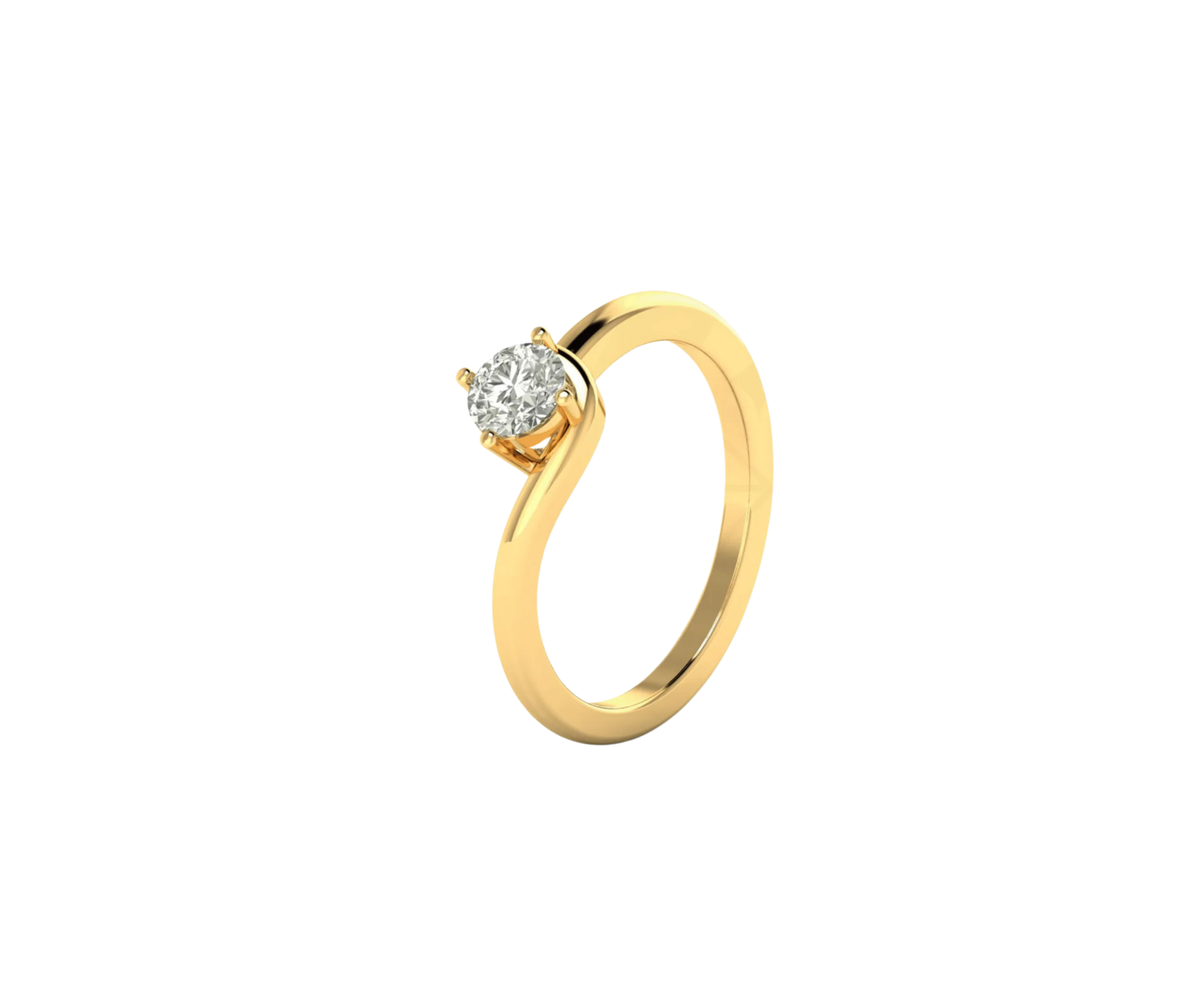
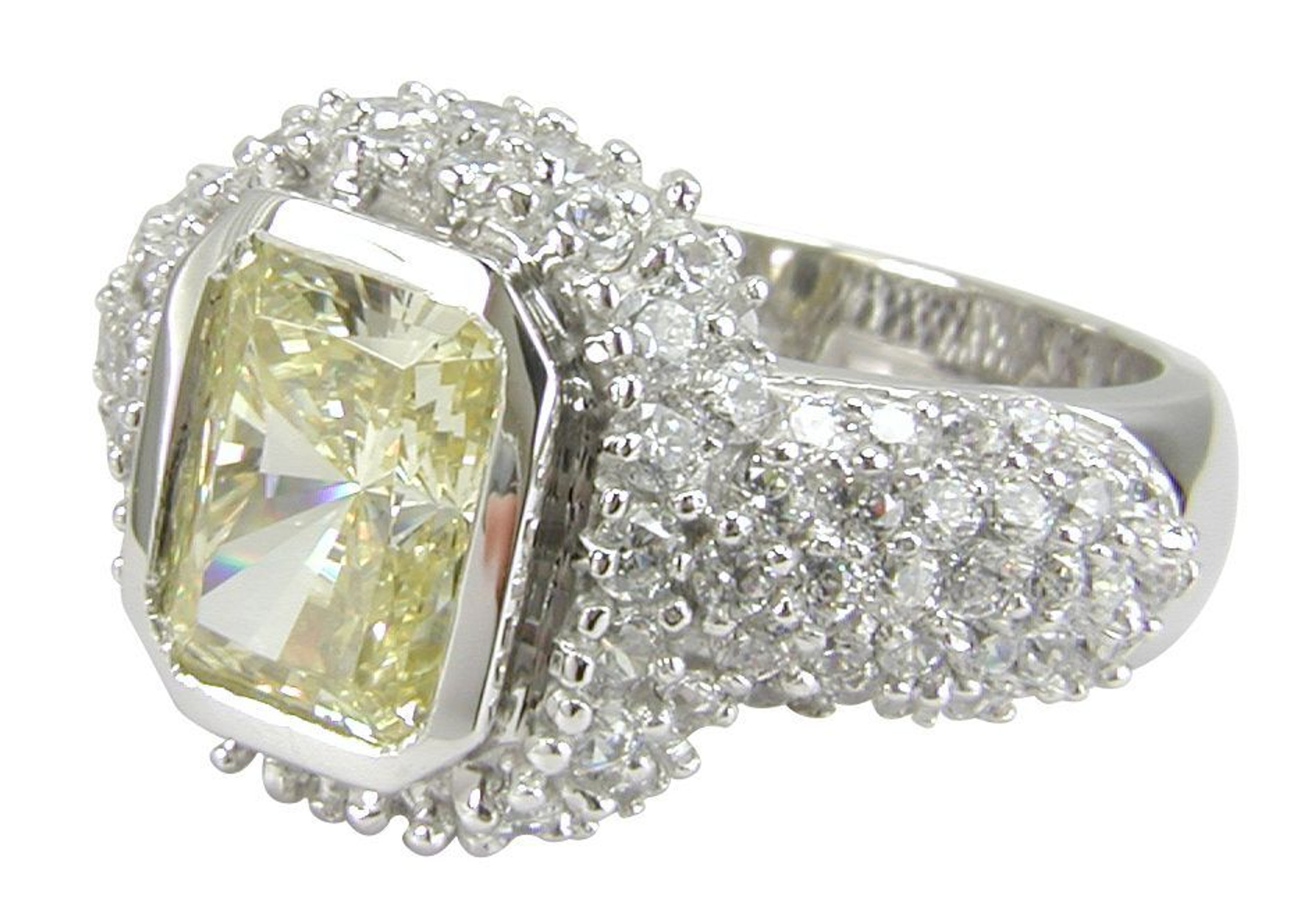
The Ainsley Earhardt engagement ring is frequently cited in discussions regarding high-profile jewelry design, characterized by its sparkling aesthetic and exclusive, refined construction. Often scrutinized for its brilliance and specific setting techniques, the piece represents a modern approach to classic elegance, blending traditional diamond placement with bespoke, high-end craftsmanship tailored for a sophisticated, professional aesthetic.
Understanding Exclusive Jewelry Design Principles
Exclusive or bespoke jewelry design is fundamentally different from mass-produced retail offerings. When discussing an "exclusive design" like the one associated with Ainsley Earhardt, the focus centers on the individualization of the setting, the selection of the center stone, and the metallurgical precision required to create a "sparkling style." In the high-end jewelry market, exclusivity is defined by limited production runs, custom CAD (Computer-Aided Design) modeling, and the hand-setting of stones to maximize light refraction.
A sparkling style is not merely the result of the diamond's clarity grade; it is a technical outcome of how the light enters the stone and reflects off the facets. Designers achieve this through specific basket settings—often platinum or 18k gold—that allow for 360-degree light entry. By elevating the diamond, the jeweler ensures that the stone interacts with ambient light effectively, creating the "sparkling" effect that defines this specific, sought-after style.
Technical Specifications of Premium Engagement Rings
To understand the quality behind such a design, one must examine the fundamental components that contribute to its physical and visual profile. The following table highlights the essential factors that differentiate a standard retail ring from an exclusive, professionally curated design.
| Feature | Standard Retail Design | Exclusive/Bespoke Design |
|---|---|---|
| Metal Quality | Often 14k gold with porosity | High-purity Platinum or 18k Gold |
| Stone Sourcing | Commercial grade | GIA/AGS certified, superior cut |
| Setting Technique | Machine-cast, minimal hand-finishing | Micro-pavé or hand-forged prongs |
| Light Performance | Standard scintillation | Optimized for high fire and brilliance |
| Customization | Stock sizes and shapes | Tailored to individual finger anatomy |
The Role of Symmetry and Cut in Sparkling Style
The term "sparkling style" within the context of engagement jewelry relies heavily on the "Ideal" or "Excellent" cut grades. If the geometry of the diamond’s facets is not mathematically perfect, the light will "leak" through the bottom of the stone rather than reflecting back to the observer’s eye. Exclusive designs prioritize the cut above all other C’s (Color, Clarity, Carat) to ensure that the ring maintains its aesthetic brilliance under various lighting conditions, from studio lights to natural daylight.
In high-end design, the prongs are often kept as minimal as possible—frequently utilizing a "cathedral" or "tapered" style—to ensure that no metal obscures the diamond’s silhouette. This design choice serves both a functional purpose, by allowing maximum light entry, and a stylistic one, by giving the impression that the diamond is floating on the finger.
Considerations for Investing in Exclusive Jewelry
When pursuing an engagement ring of this caliber, the process involves more than just selecting a stone. Potential buyers should consider the long-term maintenance required for intricate, sparkling designs. Exclusive settings often feature delicate pavé diamonds on the band, which require biannual inspections by a professional bench jeweler. Because these rings are constructed with precise tolerances, any damage to the setting can potentially loosen the center stone.
Furthermore, the choice of metal is critical. For a ring intended for daily wear, platinum is the industry standard for high-end designs due to its density and durability. Unlike white gold, which requires periodic rhodium plating to maintain its bright, white appearance, platinum is naturally white and will develop a unique patina over time, which many collectors prefer.
FAQ: Understanding High-End Engagement Ring Design
What defines an "exclusive design" in engagement rings?
An exclusive design refers to a piece that has been custom-created or produced in limited quantities, often featuring unique structural engineering, hand-set stones, and premium alloys that are not found in mass-market retail inventory.
Why is the setting important for a "sparkling" appearance?
The setting determines how much light can enter the diamond. Settings that cover too much of the stone's pavilion (the lower part) restrict light entry, while open basket or prong settings allow light to hit the facets from multiple angles, maximizing the sparkling effect.
How does the year 2026 affect jewelry valuation?
In 2026, the jewelry market continues to emphasize transparency in sourcing and the use of sustainable or recycled precious metals. Valuation now relies heavily on digital certification, where a blockchain-linked report of the diamond’s origin adds significantly to the long-term investment value of an exclusive ring.
Can a sparkling style be achieved with lab-grown diamonds?
Yes, lab-grown diamonds possess the same chemical, physical, and optical properties as mined diamonds. In 2026, many exclusive designers offer the same high-end settings for lab-grown stones, allowing for superior cut and clarity grades at a different price point than their natural counterparts.
What is the best way to maintain an exclusive engagement ring?
Maintenance involves regular professional cleaning to remove oils and debris that cloud the facets, alongside bi-annual prong checks. Avoiding exposure to harsh chemicals—such as chlorine found in pools or heavy cleaning agents—is essential to preserve the luster of both the metal and the stones.
Next Steps for Acquiring Bespoke Jewelry
If you are interested in replicating a specific sparkling style, the most effective next step is to consult with a custom jeweler or a high-end designer who provides detailed CAD renderings. Provide them with specific visual references of the silhouette and setting you desire, and insist on viewing the diamond under both direct and diffused lighting to verify its performance. Always ensure that the final piece is accompanied by a recognized laboratory certificate, such as those from the Gemological Institute of America (GIA), to verify the technical claims regarding the stone’s cut, color, and clarity. By focusing on the structural integrity of the design and the pedigree of the center stone, you can ensure the longevity and brilliance of the engagement ring.