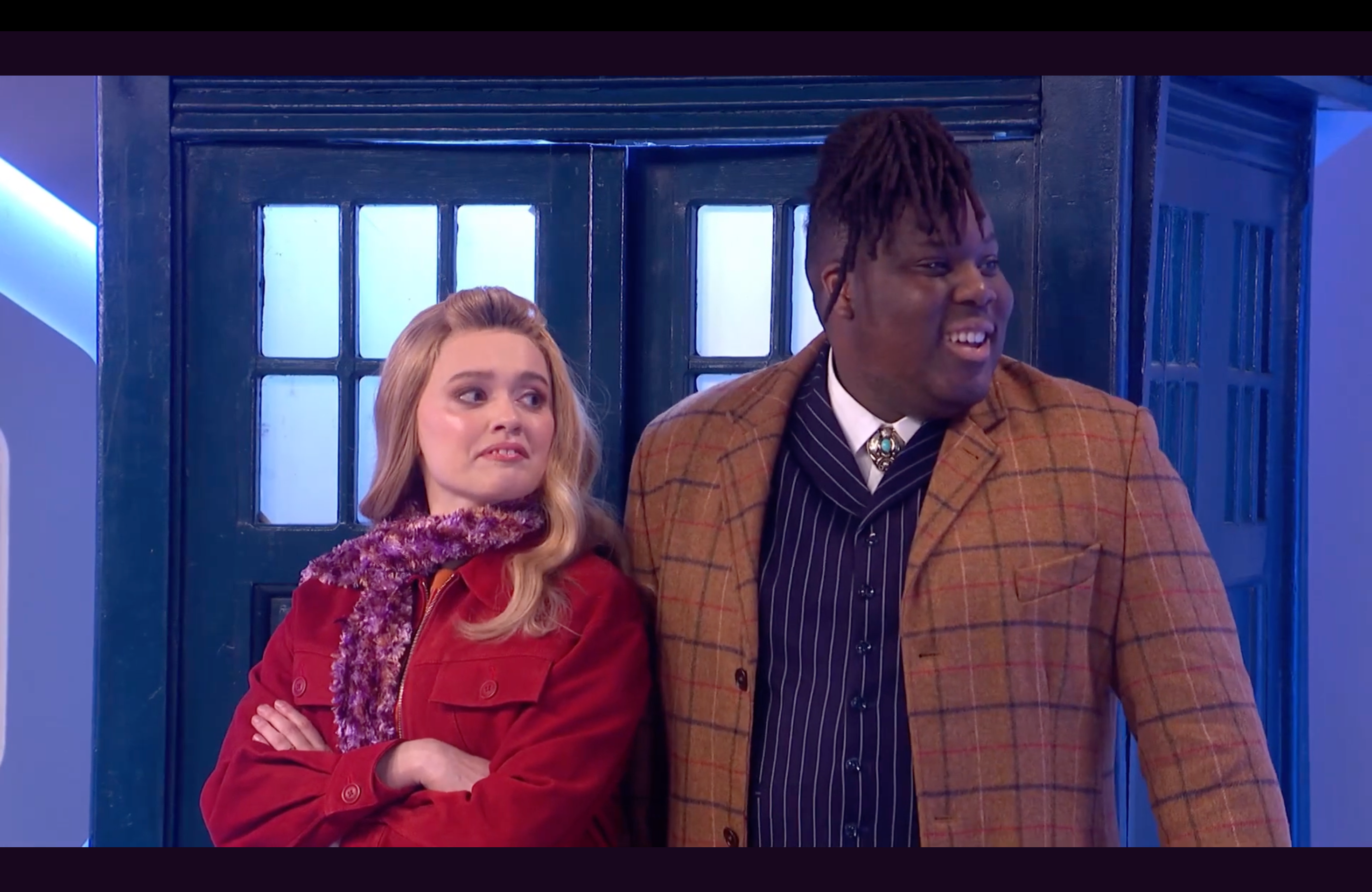
The Aimee Lou Wood SNL apology sketch refers to a satirical performance piece that gained widespread viral traction for its nuanced parody of celebrity public relations culture. Often categorized within the landscape of modern digital-era comedy, the sketch dissects the performative nature of the "notes app apology" through a high-stakes, hyper-specific comedic lens, utilizing the British actress's distinct comedic timing to highlight the absurdity of influencer-led crisis management.
The Anatomy of the Viral Sketch
The success of the Aimee Lou Wood sketch on Saturday Night Live (SNL) relies heavily on the subversion of audience expectations. While public figures are historically known for delivering sincere, sometimes overly wrought apologies, this sketch leans into the "uncanny valley" of sincerity. The breakdown of the humor lies in the disconnect between the mundane, potentially trivial nature of the alleged "scandal" and the intense, cinematic effort put into the production of the apology itself.
In the viral segments, viewers often observe a mastery of facial expression that contrasts with the scripted, hollow language typical of modern celebrity apologies. By analyzing the cadence of her delivery, audiences can identify how the writers utilized "peak" influencer tropes—pauses for dramatic effect, specific lighting choices, and the carefully curated messy-bun aesthetic—to satirize the performative humility that dominates contemporary social media discourse.
Contextualizing Celebrity PR Culture
To understand why this specific sketch resonated so deeply with a 2026 audience, one must look at the evolution of the public apology. Over the last decade, the "Instagram apology" has transitioned from a genuine attempt at conflict resolution into a recognizable genre of performance art. The sketch functions as a critical reflection of this phenomenon, proving that the public has developed a sophisticated "radar" for when an apology is manufactured for optics rather than accountability.
The sketch does not merely mock the subject; it provides a comprehensive breakdown of the structural components of a modern PR disaster. From the "I’ve been doing a lot of reflecting" opening to the eventual pivot to personal brand preservation, the writers successfully mapped out the exact flowchart used by crisis management firms when a client faces a minor social media firestorm.
Elements of the Performance
The efficacy of the sketch is largely attributed to Aimee Lou Wood’s ability to oscillate between genuine-seeming vulnerability and calculated detachment. Technical comedy analysis suggests that the strength of the piece lies in three distinct areas:
- Pacing and Silence: The use of uncomfortable silence serves as a mirror to the viewer’s own skepticism. In the digital age, audiences are conditioned to wait for the "tell" that an apology is insincere; by holding these moments longer than a standard dramatic scene, the sketch forces the viewer to confront the awkwardness of the performer.
- The Medium as the Message: By mimicking the aesthetic of a handheld video, the sketch grounds itself in the low-fidelity reality of social media, making the high-concept writing feel more immediate and intrusive.
- The Incongruity Principle: The humor is amplified by the sheer contrast between the seriousness of the tone and the triviality of the subject matter, highlighting the absurdity of how seriously we expect, and receive, public statements from entertainers.
Comparative Analysis: Traditional vs. Digital Apologies
The following table outlines how the viral sketch highlights the divergence between traditional accountability and the performative digital model presented in the Saturday Night Live environment.
| Feature | Traditional Accountability | Influencer/Modern PR Sketch |
|---|---|---|
| Primary Goal | Actual resolution and growth | Brand preservation and optics |
| Visual Style | Neutral, professional, direct | Carefully curated "candid" style |
| Pacing | Measured and deliberative | Dramatic pauses and sighing |
| Core Intent | Sincere personal reflection | Appeasing a vocal social media mob |
| Production | Minimalist or absent | Highly engineered "low-effort" look |
The Role of Social Media in Virality
The rapid spread of this sketch can be attributed to the way it translates perfectly to short-form video platforms. When a segment of an SNL sketch is clipped, it loses its context within the broadcast and enters the ecosystem of TikTok and Reels as a standalone piece of content. Because the sketch focuses on the very medium—social media—that it is satirizing, it achieved a high "shareability" factor.
Viewers recognized the behaviors being mocked, leading to a feedback loop where the audience treated the sketch not as a performance, but as a relatable documentation of their own daily scrolling experiences. This meta-commentary is a hallmark of modern sketch comedy, where the content is intentionally designed to be dissected and "explained" by digital creators after it airs.
Common Misconceptions Regarding the Sketch
A significant portion of the online discourse surrounding the sketch often confuses the satire for genuine commentary on Aimee Lou Wood’s own public persona. It is vital to distinguish between the actor’s performance and the scripted nature of the production. The writing team at Saturday Night Live utilizes a collaborative process, and while the performer brings the nuance, the critique is directed at the broader, systemic issues of celebrity culture.
Another common point of confusion involves the "apology" content itself. Because the sketch presents such a convincing facsimile of a real PR crisis, some audiences—particularly those who consume media in fragments—initially questioned whether the scandal mentioned in the sketch was real. This is a testament to the high production value and the "verisimilitude" (the appearance of being true) maintained by the production team.
Frequently Asked Questions
Why did the Aimee Lou Wood SNL sketch go viral?
The sketch went viral because it perfectly captured the zeitgeist of "performance culture." By holding a mirror up to the way celebrities and influencers handle public apologies, it provided a cathartic experience for viewers who are already cynical about corporate and celebrity PR strategies.
Was the scandal mentioned in the sketch real?
No, the scandal referenced in the sketch was entirely fictional. It was constructed specifically to serve as a vehicle for the satire, allowing the writers to lampoon the boilerplate language and emotional archetypes found in real-world public apologies.
How does the sketch contribute to the history of SNL satire?
This sketch fits into a long tradition of Saturday Night Live providing commentary on media literacy. By focusing on the "notes app" apology format, the show highlights how modern technology has changed the way we perceive human behavior and professional accountability.
Are there specific techniques used to make the apology seem "fake"?
The sketch employs "performative markers" such as calculated sighing, specific camera angles that mimic a front-facing selfie camera, and the use of buzzwords like "listening" and "learning," which have become tropes of the insincere apology format in recent years.
What is the best way to analyze a viral sketch like this?
To analyze such a sketch, focus on the contrast between the performer's body language and the scripted content. Look for the "gaps" where the actor hints at the absurdity of the situation, and compare the sketch’s structure to real-life examples of celebrity public relations statements.
Next Steps for Media Enthusiasts
If you are interested in the evolution of modern satire, the next step is to examine the history of the "celebrity apology" genre. You can compare the Saturday Night Live approach to the long-form parodies found in independent digital media and other comedy outlets. By tracking how these apologies change in response to new social media trends, you can gain a deeper understanding of how comedy stays relevant. Furthermore, viewing behind-the-scenes content or interviews with the show's writers can often provide insight into the specific craft and technical decisions that turn a simple joke into a viral cultural moment.