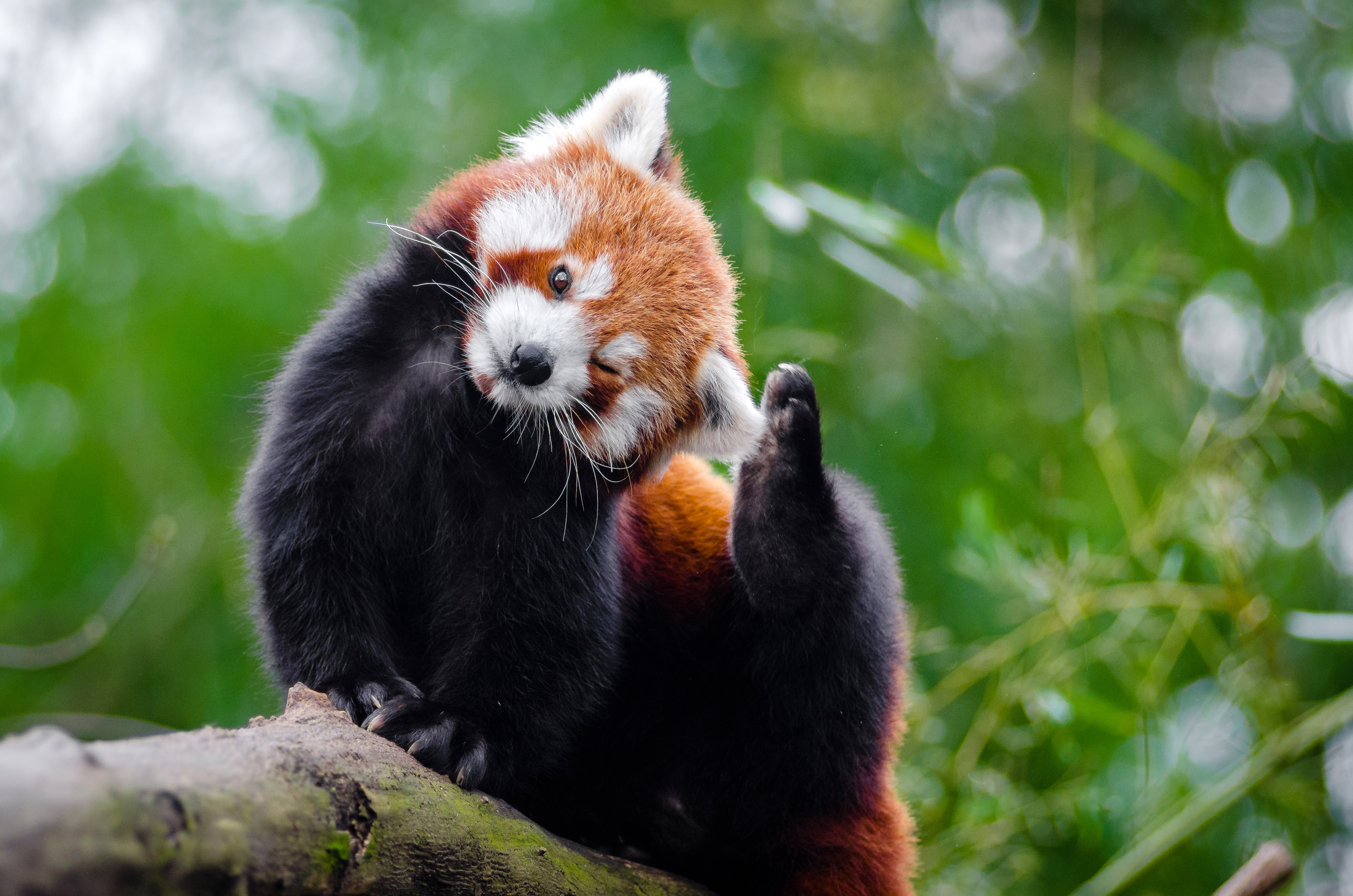
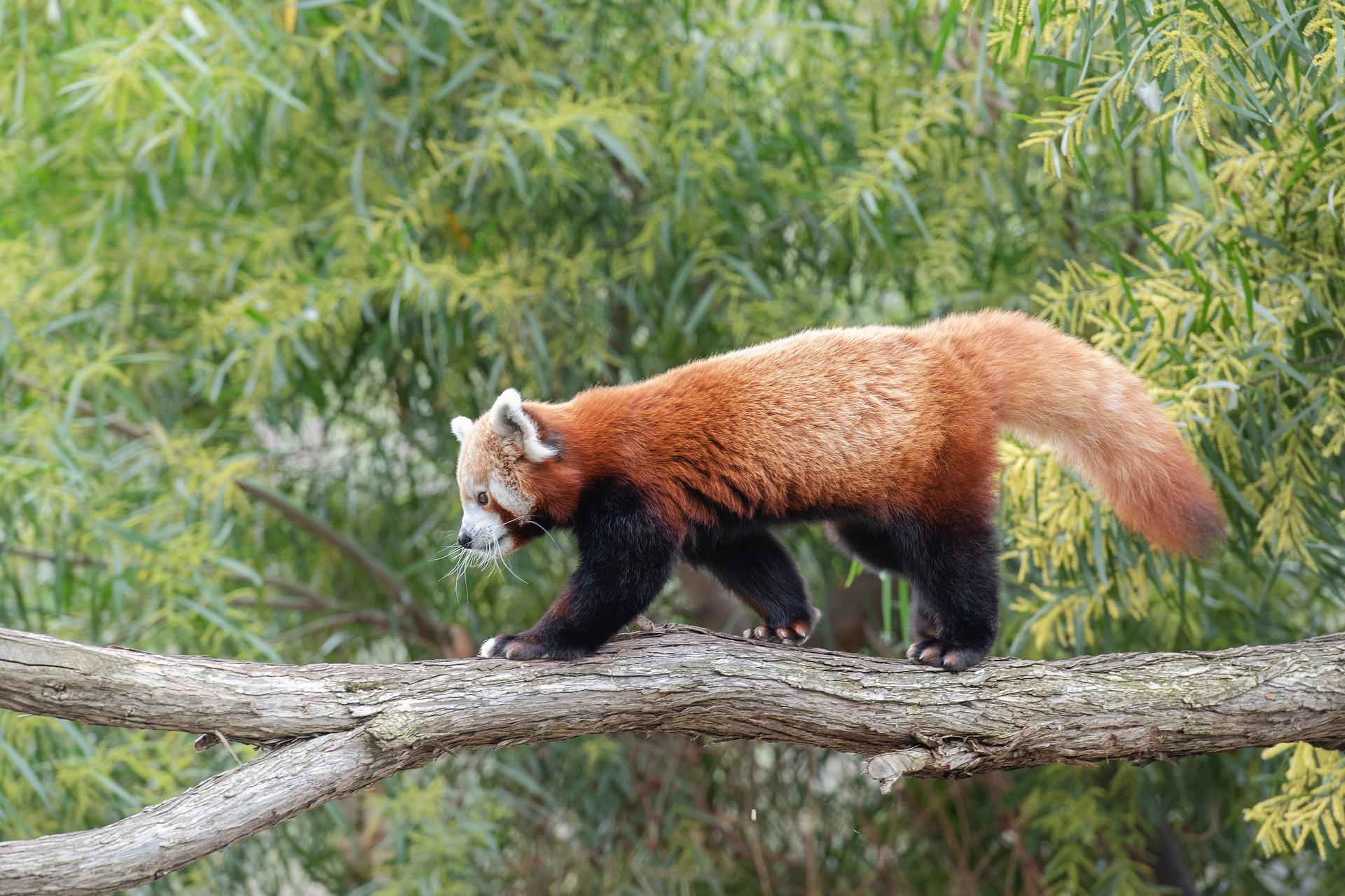
The Ailurus fulgens, commonly known as the red panda, is a small, arboreal mammal native to the temperate forests of the Himalayas and other high-altitude regions in Asia. As the sole living member of the taxonomic family Ailuridae, it represents a unique evolutionary lineage distinct from both giant pandas and raccoons, characterized by its specialized bamboo diet and distinctive reddish-brown fur.
Taxonomic Classification and Evolutionary History
The Ailurus fulgens occupies a singular position in the mammalian kingdom. Taxonomists have long debated its placement, with early researchers attempting to group it with bears or the raccoon family (Procyonidae) based on morphological similarities. Genetic research conducted over the past several decades has solidified its status as an independent lineage. It is the only extant species within the family Ailuridae, a group that once had a much wider geographic distribution.
Evolutionary analysis suggests that the lineage leading to Ailurus fulgens diverged from the common ancestor of skunks, weasels, and raccoons millions of years ago. This long period of independent evolution has resulted in specialized traits, such as the "false thumb"—an extension of the radial sesamoid bone that allows the animal to grasp bamboo stems with dexterity. This adaptation is a prime example of convergent evolution with the giant panda, despite the two species being only distantly related.
Physical Characteristics and Adaptations
Measuring roughly the size of a domestic cat, the red panda possesses a dense, shaggy coat that serves as vital insulation in its frigid mountain habitat. The coloration, a rich rust-red on the dorsal side and darker, often black, on the underbelly, provides camouflage against moss-covered branches and tree bark. Their face is marked with white, teardrop-like patterns that help the animals identify each other in dim lighting conditions.
The species is highly specialized for an arboreal lifestyle. Their semi-retractable claws allow them to descend trees head-first—a maneuver few other mammals can perform with equal efficiency. Their tail, which is nearly as long as their body, acts as a stabilizer while climbing and provides additional warmth when curled around the body during sleep. The fur on their paws also covers their footpads, providing traction on icy branches and acting as thermal insulation against cold surfaces.
Ecological Niche and Dietary Habits
The primary habitat of the Ailurus fulgens is the montane forest of the Himalayas, Myanmar, and southwestern China, specifically at elevations between 2,200 and 4,800 meters. These forests are dominated by old-growth trees with dense understories of bamboo. While classified biologically as a carnivore, the red panda is almost entirely herbivorous. Bamboo leaves and shoots constitute over 90% of their diet.
Because bamboo is low in nutritional value, red pandas must consume vast quantities—sometimes up to 30% of their body weight in a single day—to meet their metabolic requirements. Their digestive system is relatively short and inefficient at breaking down plant cellulose, requiring them to spend a significant portion of their waking hours foraging. During the summer, they supplement this diet with seasonal fruits, acorns, roots, and occasionally bird eggs or small insects, which provide critical nutrients for breeding and winter fat storage.
Conservation Status and Primary Threats
As of 2026, the Ailurus fulgens is classified as Endangered by international conservation organizations. Their population is fragmented across a vast but increasingly disconnected range. The primary driver of this decline is the loss and degradation of habitat. Human encroachment, driven by livestock grazing, agricultural expansion, and infrastructure development, has significantly reduced the available bamboo forest acreage.
Furthermore, the species faces significant pressure from illegal wildlife trade and accidental snaring. Because they share their habitat with other forest species, they are often caught in traps intended for larger animals. Climate change also presents a long-term risk; as global temperatures rise, the specific altitude-driven climate conditions the red panda requires are shifting, forcing populations to move higher, potentially off the tops of mountains where no further habitat exists.
Comparative Overview: Red Panda and Giant Panda
While both share a name and a dependency on bamboo, the two species are significantly different in ecology, size, and classification.
| Feature | Ailurus fulgens (Red Panda) | Ailuropoda melanoleuca (Giant Panda) |
|---|---|---|
| Taxonomic Family | Ailuridae | Ursidae (Bears) |
| Diet | Primarily Bamboo/Fruits | Almost exclusively Bamboo |
| Habitat | High-altitude temperate forests | Mountainous forests in China |
| Adult Weight | 3.5 – 6.2 kg | 70 – 125 kg |
| Social Behavior | Generally solitary | Solitary/Territorial |
Understanding Population Management and Research
Research efforts in 2026 focus on creating "biological corridors"—strips of protected forest that connect fragmented patches of wilderness. These corridors are essential for maintaining genetic diversity, as they allow populations to interbreed and move across the landscape in response to resource availability.
Field researchers utilize camera traps and non-invasive genetic sampling, such as DNA analysis of scat, to estimate population densities without disturbing the animals. These data are critical for determining which areas require the highest levels of protection. International cooperation between nations sharing the Himalayan range is essential for the success of these programs, as the red panda's range crosses sovereign borders.
Frequently Asked Questions
Why is the red panda called Ailurus fulgens?
The name Ailurus fulgens is derived from Ancient Greek and Latin. "Ailurus" comes from the Greek word for "cat," while "fulgens" is the Latin word for "shining" or "fiery," referring to the animal’s vibrant reddish-orange fur coat.
Are red pandas related to raccoons or bears?
Neither. While they were historically misclassified, they belong to their own unique family, Ailuridae. They are more closely related to skunks and weasels than they are to raccoons or bears.
What is the most significant threat to their survival?
Habitat fragmentation is the primary threat. As forests are cleared for agriculture or livestock, the red panda's ability to forage for bamboo and find mates is severely restricted, leading to isolated "island" populations that are susceptible to disease and genetic bottlenecks.
Can red pandas survive outside of their natural environment?
While they are successfully kept in managed care in zoos, they are highly specialized to their native high-altitude environment. They are sensitive to heat and require specific dietary components that are difficult to replicate outside of their natural, cool, and humid forests.
How do they deal with cold weather?
Red pandas are physiologically adapted to extreme cold. Their thick fur acts as an efficient barrier against low temperatures, and their specialized tail serves as a natural blanket when they curl into a ball to sleep, minimizing surface area and heat loss.
Recommended Next Steps for Enthusiasts and Advocates
For those interested in the preservation of the Ailurus fulgens, the most effective action is to support reputable conservation organizations that focus on habitat protection and local community engagement in the Himalayan region. Researching local, on-the-ground initiatives that work with indigenous populations to reduce livestock grazing in critical habitats yields the most tangible results. Avoiding the purchase of products derived from illegal wildlife trade and supporting policies that enforce strict protected status for high-altitude forest ecosystems are essential contributions to the long-term survival of the species.