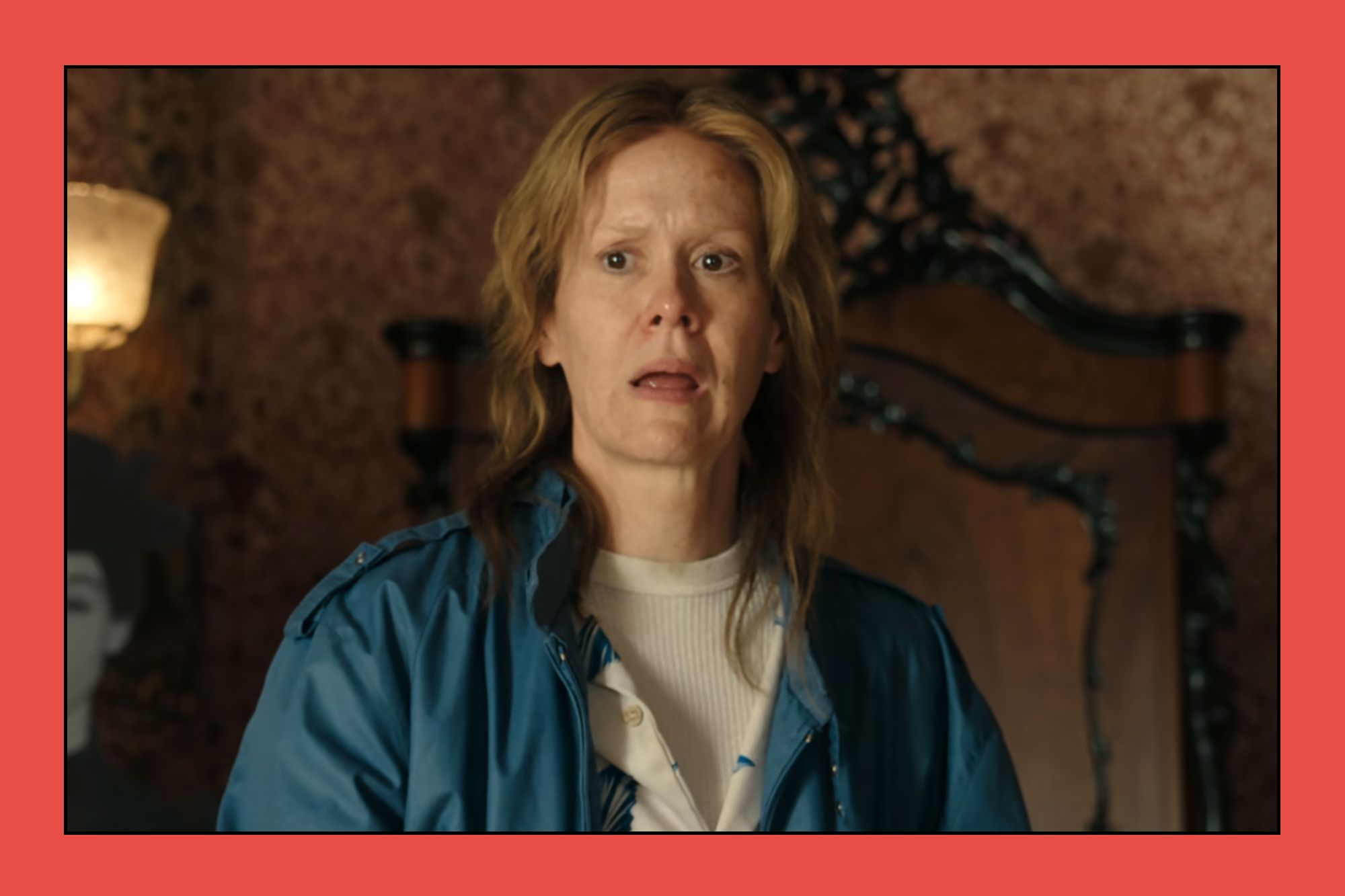
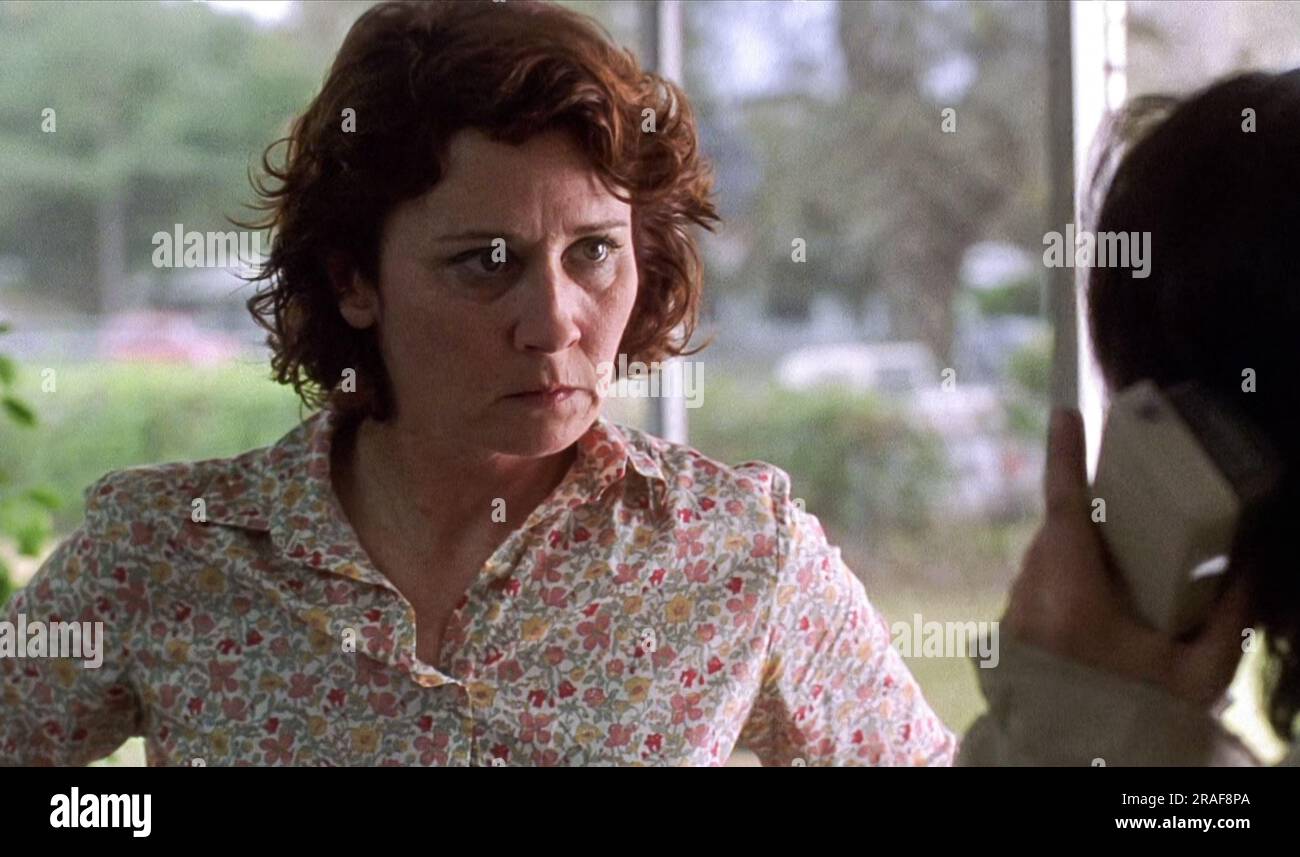
The 2003 biographical crime drama Monster, directed by Patty Jenkins, serves as both a cinematic character study and a polarizing interpretation of the life of Aileen Wuornos. By juxtaposing the harsh realities of Wuornos’s life as a sex worker in Florida with a narrative of survival and self-defense, the film prompted widespread public debate regarding the ethics of humanizing a convicted serial killer and the accuracy of its representation of her late-life crimes.
The Biographical Basis of Aileen Wuornos
Aileen Wuornos was a transient sex worker who, between 1989 and 1990, killed seven men in Florida. Following her arrest in 1991, she claimed that all the killings were committed in self-defense during acts of rape or attempted rape while she was working on the highway. Her legal proceedings were characterized by erratic behavior, shifting confessions, and a public perception that often ignored her history of severe trauma.
Wuornos’s childhood, marked by systemic abuse, abandonment, and instability, established a life trajectory that few institutions were equipped to handle. By the time she reached adulthood, she had navigated a cycle of poverty, violence, and institutionalization. These biographical facts are essential to understanding the “monster” label applied by the media and the judicial system, as well as the alternative narrative presented by Patty Jenkins in the 2003 production.
Cinematic Narrative Choices in Monster
The film Monster does not function as a comprehensive documentary but as a dramatized account that centers on the relationship between Wuornos, portrayed by Charlize Theron, and her partner, Selby Wall (a fictionalized version of Tyria Moore). The central tension of the film lies in its choice to frame the murders as an escalation of self-defense.
By grounding the audience in Wuornos’s perspective, the film encourages empathy for a protagonist who is simultaneously an antagonist. This storytelling technique creates a dissonance between the viewer’s knowledge of the historical outcome—that Wuornos was convicted and executed—and the narrative arc that suggests a desperate individual pushed to the brink by systemic failures and predatory encounters. The film’s aesthetic, characterized by a gritty, unglamorous depiction of Florida’s roadside life, further reinforces this focus on the claustrophobia of her circumstances.
Comparative Perspectives on the Case
The 2003 film exists within a larger body of media that has sought to define Wuornos. Understanding the context of Monster requires comparing it to other forms of documentation that attempt to capture her reality.
| Source Type | Primary Focus | Narrative Lens |
|---|---|---|
| Monster (2003) | Psychological/Relational | Empathic; survivalist tragedy |
| Documentaries (e.g., Nick Broomfield) | Investigative/Factual | Skeptical; mental health focus |
| Judicial Records | Legal Accountability | Criminal culpability; state evidence |
| Biography/Journalism | Societal Context | Systemic failure; cycle of abuse |
While documentaries such as Nick Broomfield’s Aileen: The Selling of a Serial Killer emphasize Wuornos’s declining mental health and her exploitation by the media, Monster prioritizes the emotional internal state of its lead character. This contrast highlights a recurring challenge in biographical filmmaking: the tension between the desire to explore a person’s humanity and the objective gravity of their violent actions.
The Role of Media and Public Perception
The public reception of the 2003 film was inextricably linked to the existing societal image of Aileen Wuornos. By 2003, one year after her execution, the media had already crystallized her image as the "first female serial killer." The film challenged this narrative by forcing a confrontation with the environment that fostered her actions.
Critics of the film often argued that it provided a dangerous level of "glamorization" or excuse-making for a series of cold-blooded murders. However, proponents argued that the film performed a necessary function: exploring the intersection of gender, poverty, and state violence. The film does not attempt to exonerate Wuornos of the legal facts of her convictions, but it does critique the society that failed to intervene in her trajectory until she became a threat to others.
Legal and Ethical Considerations
From a legal standpoint, the state’s position remained firm: the killings were premeditated or committed in the course of robbery, not legitimate self-defense. The 2003 film does not attempt to retry the case, but it serves as a sociocultural critique of the legal process. The disconnect between the film’s narrative—that of a woman reacting to constant degradation—and the court’s determination of serial murder remains a point of academic and legal study.
For researchers and viewers alike, it is crucial to recognize that the film is a dramatization. The "context" of the film is not the historical record itself, but rather an interpretive layer added over that record to evoke a specific audience response. This distinguishes the film from scholarly works that rely strictly on trial transcripts and police evidence.
Understanding the "Monster" Archetype
The title of the film is intentionally provocative. It references the moniker given to Wuornos by the press, yet the film spends its runtime deconstructing that very term. By documenting the mundane, often lonely existence of the character, the movie invites the audience to ask whether a person is born a "monster" or created by a series of cumulative trauma and neglect.
This exploration aligns with broader discussions in criminology regarding the role of environmental factors in violent behavior. The film acts as a lens, allowing for a safer, distanced observation of the forces that shaped Wuornos, which in real life would be considered chaotic, dangerous, or unapproachable.
Further Study and Critical Analysis
To gain a full understanding of the context surrounding the 2003 film, one should examine several layers of evidence. The most effective approach is to separate the artistic choices of the production from the verifiable historical timeline.
- Review trial transcripts: Examine the specific testimony regarding the self-defense claims and the physical evidence presented by the prosecution.
- Analyze contemporary reviews: Read critical reception from 2003 to understand how the film was perceived during the immediate aftermath of the subject's death.
- Compare with documentary footage: Watch interviews conducted by journalists to compare the real-life behavior of the subject with the performance in the film.
- Research the socio-economic environment: Look into the conditions of the sex work industry in Florida in the late 1980s to contextualize the risks Wuornos faced.
By isolating the film as a piece of creative media while acknowledging the documented reality of the criminal case, viewers can appreciate the complexity of the subject without conflating the artistic narrative with absolute historical truth.
Frequently Asked Questions
Did the film Monster accurately portray the life of Aileen Wuornos?
The film is a dramatized biographical work, not a documentary. While it captures the general timeline of her crimes and her relationship with Tyria Moore (represented as Selby), it includes fictionalized elements and artistic interpretations designed to explore the psychological motivations of the character rather than document the case with forensic precision.
Why is the 2003 film titled Monster?
The title serves as an ironic juxtaposition. It utilizes the pejorative label applied to Wuornos by the media during her trial, then spends the film’s duration attempting to humanize her. This forces the audience to confront the contrast between the sensationalized "monster" persona and the nuanced, often tragic individual presented on screen.
How does the film handle the claims of self-defense?
The film depicts the murders largely through the perspective of the protagonist, framing them as reactive responses to sexual violence. This creative choice aligns with the defense's strategy during the original trial, though it remains a point of contention among legal experts and researchers who emphasize the court's rejection of these claims.
Is the film suitable for research on the Aileen Wuornos case?
The film should be considered a primary source for understanding the cultural perception of Aileen Wuornos in the early 2000s, rather than an objective source for the legal facts of the 1991 case. For academic or legal research, reliance should be placed on court transcripts, police reports, and peer-reviewed sociological or psychological studies.
Where can I find the official records of the Wuornos trial?
Official records, including indictments and trial summaries, are held by the Clerk of the Court in the Florida counties where the crimes were committed, specifically Marion County and Volusia County. Public access to these records is governed by state law, and many historical documents have been archived by the Florida Department of Law Enforcement and regional legal archives.
What is the primary takeaway regarding the film's intent?
The intent of the film is to shift the narrative focus from the "serial killer" archetype toward a character-driven examination of trauma, survival, and the failure of social support systems. It invites the audience to look beyond the sensationalist headlines of the 1990s and consider the human cost of the circumstances that defined her life.
Navigating Further Research
If you are conducting an in-depth analysis of Aileen Wuornos or the impact of the film Monster, your next action should be to cross-reference the film’s narrative beats with the official appellate court decisions regarding her case. By identifying where the film diverges from the judicial record, you can better articulate the specific ways in which cinema serves as an interpretive tool rather than a record of objective truth. Accessing digital archives of local Florida newspapers from 1990–1992 will also provide a clear view of how the local community perceived the events in real-time, providing the necessary contrast to the 2003 cinematic portrayal.