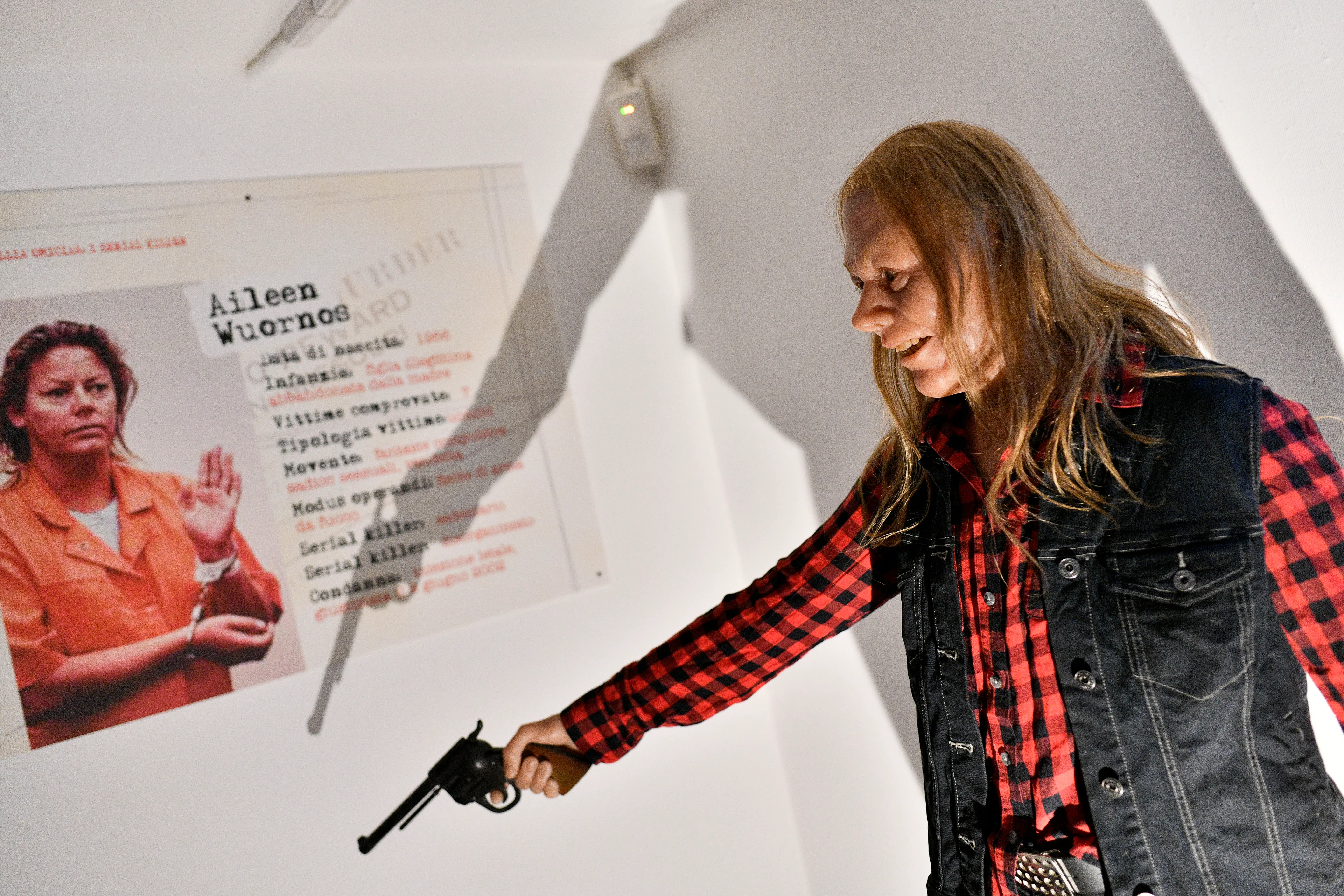
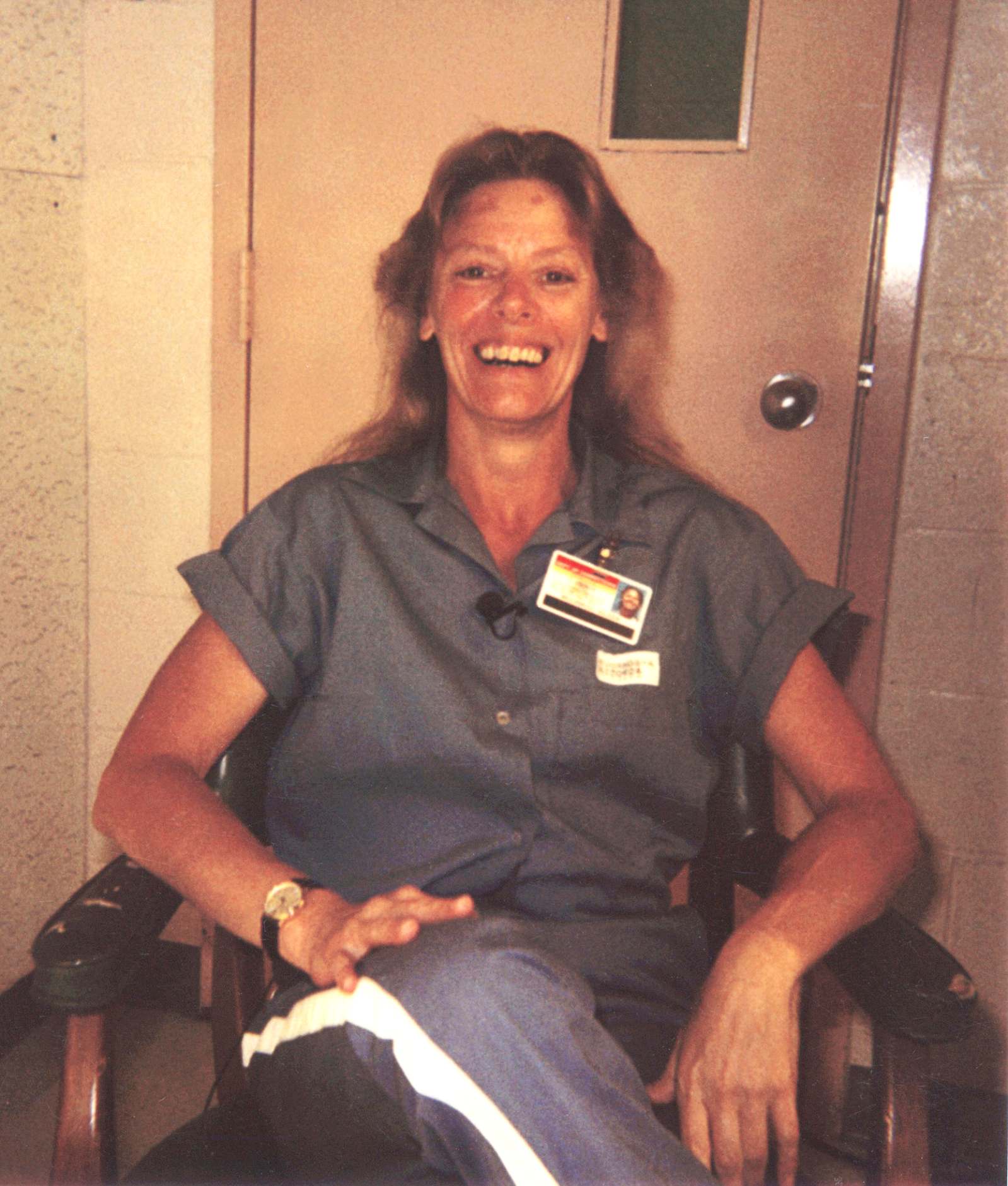
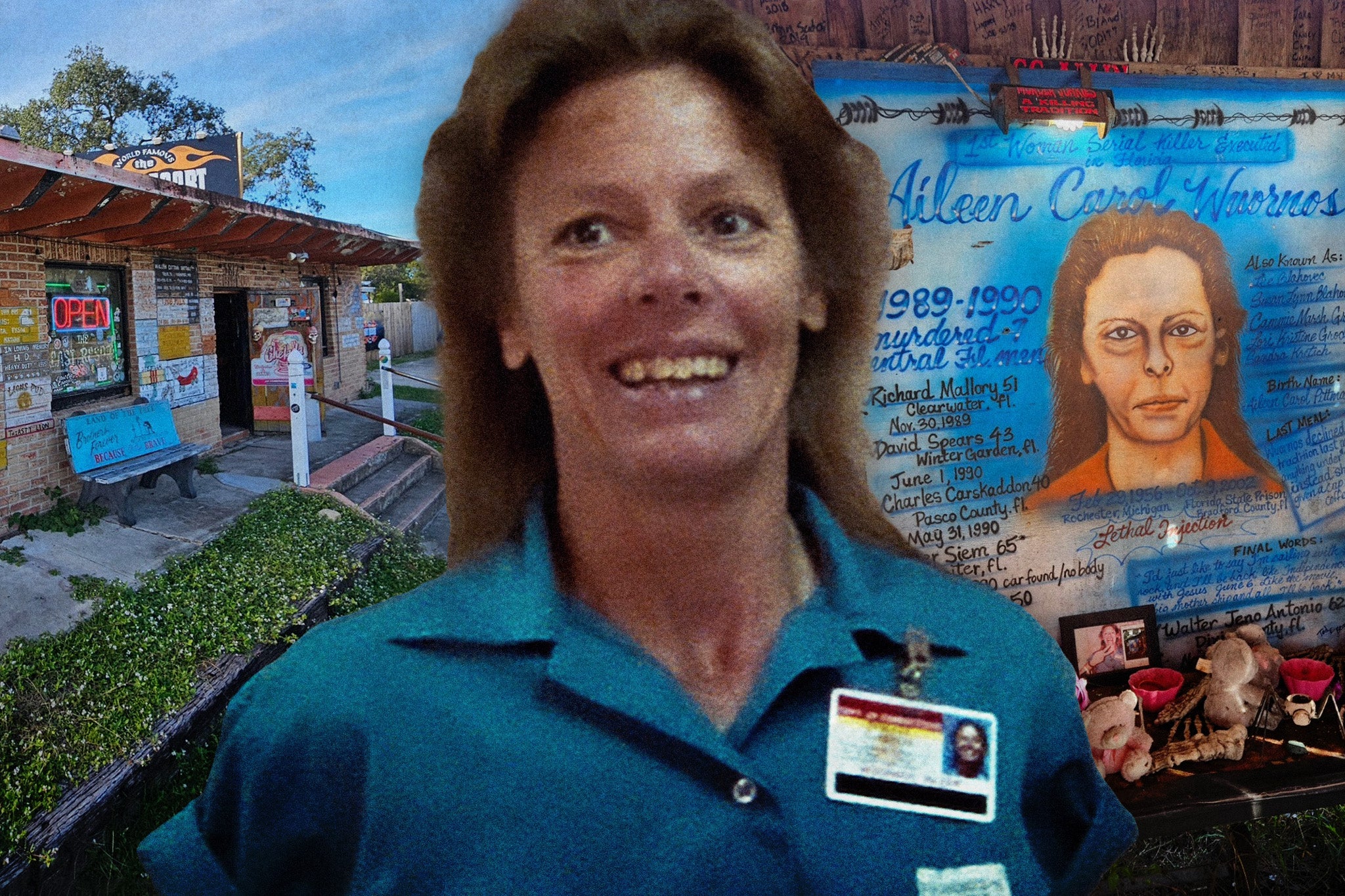
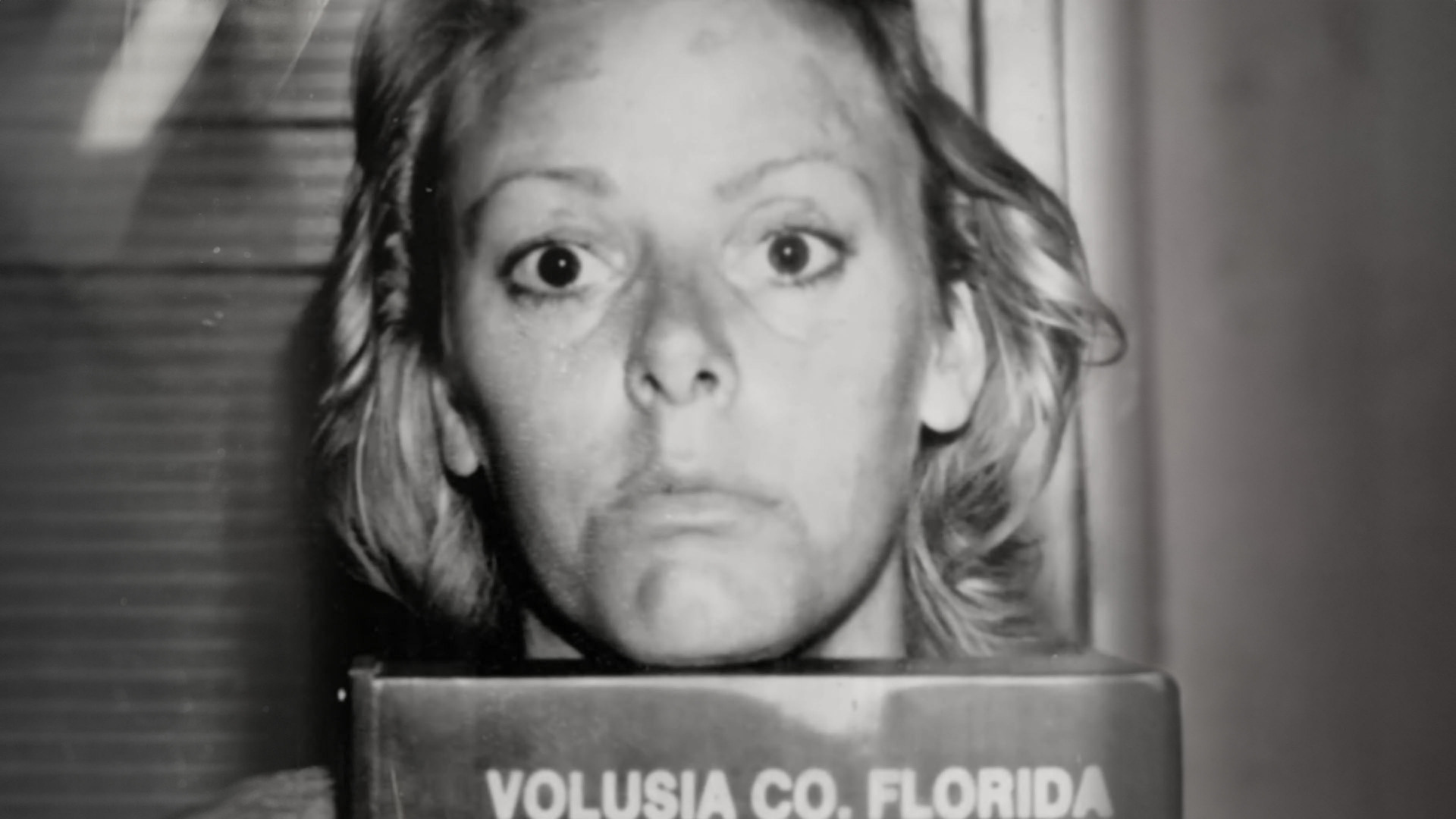
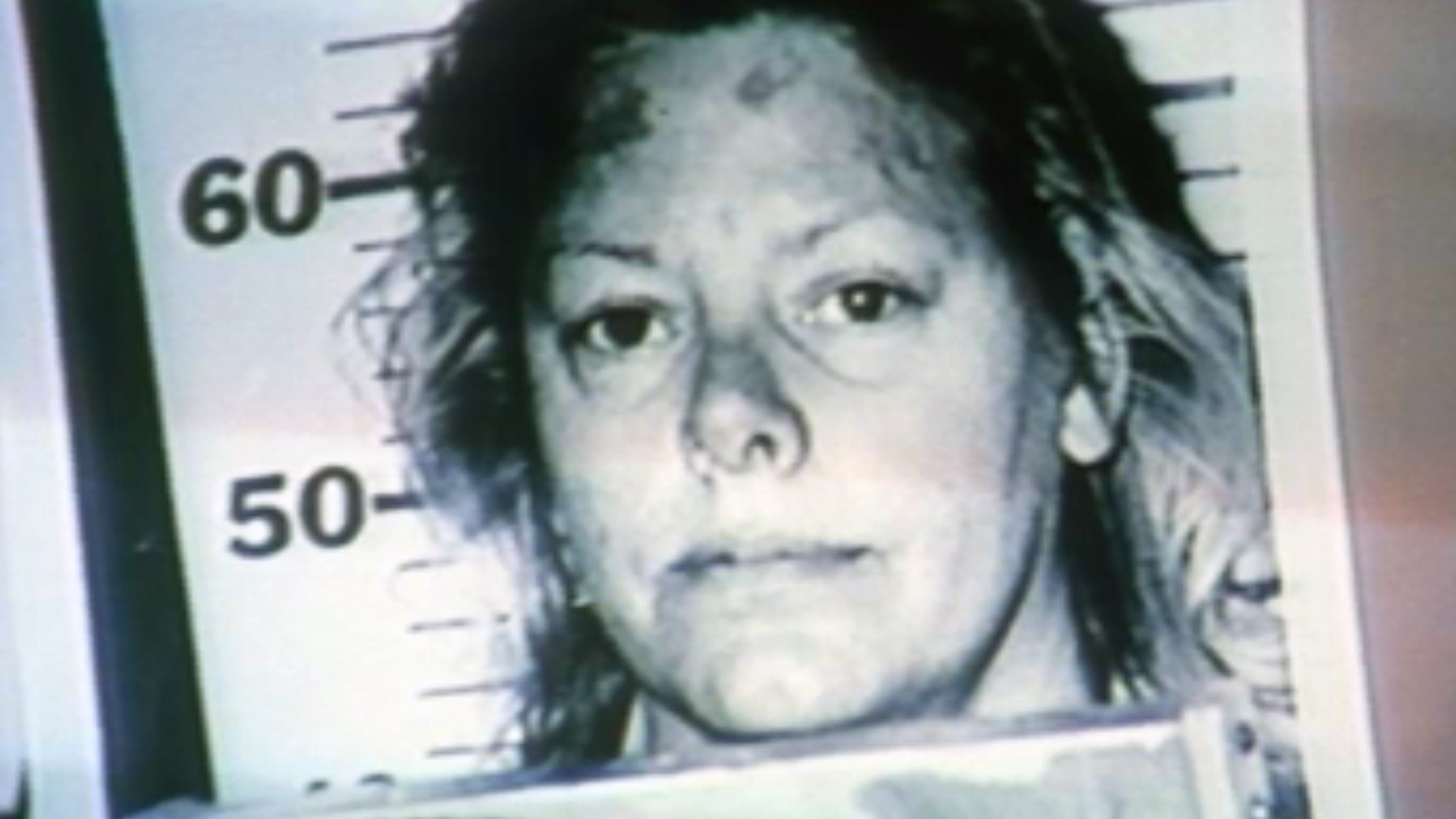
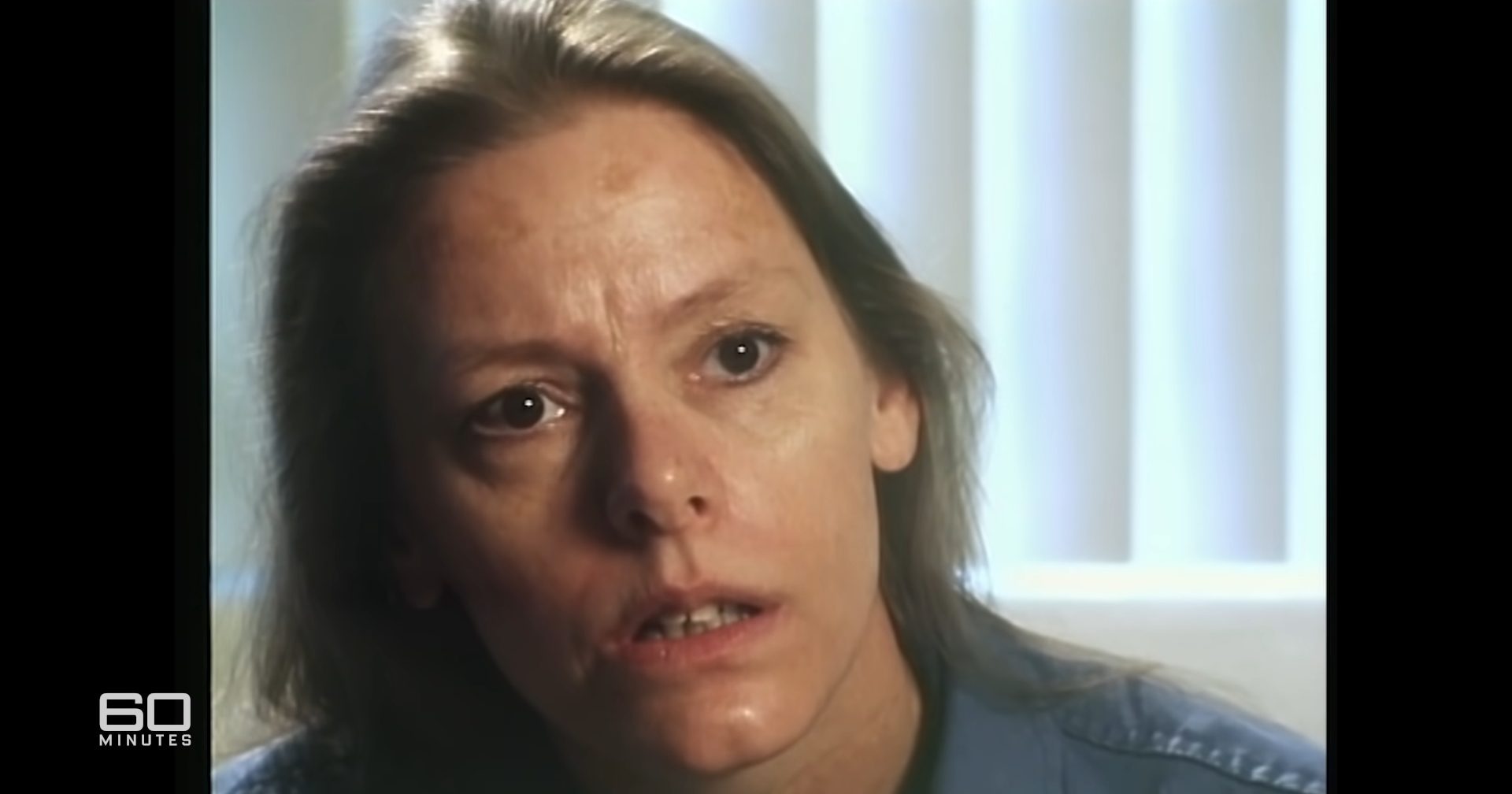
The narrative surrounding Aileen Wuornos often centers on her life as a serial killer in Florida during the late 1980s, yet the "untold story" of her family roots remains a pivotal subject for those seeking to understand her developmental trajectory. Wuornos was not adopted; rather, she was raised by her maternal grandparents after her biological mother abandoned her and her brother at a very young age. The confusion regarding an "adopted mother" frequently stems from the turbulent, often abusive, and complex domestic environment of her childhood, where the lines of parental figures were consistently blurred by instability.
Understanding the Early Life and Domestic Instability
To address the inquiry into Aileen Wuornos’s formative years, one must clarify the biological and legal reality of her upbringing. Born in 1956 in Rochester, Michigan, Aileen Carol Wuornos was the daughter of Diane Wuornos and Leo Dale Pittman. Her father was a convicted child molester who was incarcerated shortly before her birth and ultimately died by suicide in 1969.
The maternal figure in her life was her grandmother, Britta Wuornos. Along with her grandfather, Lauri Wuornos, Britta legally adopted Aileen and her brother, Keith, in 1960. This legal adoption is the source of the "adopted mother" narrative. The couple stepped in because Aileen’s biological mother, overwhelmed by her own circumstances and the stigma associated with the family’s history, essentially surrendered them. Understanding this distinction is essential to interpreting the psychological environment in which Wuornos grew to adulthood.
The Dynamics of the Adoptive Household
The home provided by Britta and Lauri Wuornos was characterized by significant dysfunction. While they were legally her parents, the environment was far from a traditional nurturing space. Research into the biographies of serial offenders often highlights the role of early childhood trauma, and in this case, the domestic setting has been widely documented as volatile.
Accounts suggest that the household was marked by systemic abuse. By the time Aileen reached adolescence, her relationship with her adoptive parents had deteriorated to the point of complete estrangement. By age 14, she was effectively living on her own, cycling through periods of homelessness and minor criminal activity. The "untold story" is less about a mysterious third party and more about the failure of the custodial environment to provide basic stability, which acted as a catalyst for the survival-based, high-risk lifestyle Wuornos adopted as a teenager and young adult.
Evaluating Historical Records and Primary Sources
When researching the lineage and parental figures of high-profile historical figures like Wuornos, it is critical to rely on court records, biographical accounts by authorized journalists, and psychological evaluations performed during her trial. Public record indices confirm the 1960 adoption decree, which provides the official, verifiable documentation that contradicts urban legends regarding her biological parents.
The following table categorizes the key figures involved in her early years to resolve common misperceptions:
| Entity | Relation to Aileen Wuornos | Status/Role |
|---|---|---|
| Diane Wuornos | Biological Mother | Abandoned Aileen at a young age |
| Leo Dale Pittman | Biological Father | Incarcerated; committed suicide in 1969 |
| Britta Wuornos | Adoptive Mother (Grandmother) | Legal guardian from 1960 onwards |
| Lauri Wuornos | Adoptive Father (Grandfather) | Legal guardian from 1960 onwards |
This distinction is vital for researchers and historians. The narrative of an "untold story" involving an adoptive mother usually refers to the complexities of Britta’s role in Aileen’s life, specifically regarding allegations of physical and emotional abuse that shaped Aileen's later defiance of authority.
The Psychological Impact of Early Abandonment
The trauma of being rejected by a biological mother, coupled with the instability of being raised by grandparents who were reportedly struggling with their own crises, constitutes a classic case study in childhood adversity. Forensic psychologists have noted that the lack of a secure attachment figure in early childhood can lead to severe developmental issues, including reactive attachment disorder and an inability to form healthy relationships in adulthood.
In the case of Wuornos, the feeling of abandonment was a recurring theme in her interviews and psychiatric evaluations. She frequently referenced her biological mother’s departure as the singular event that defined her perception of herself as an outsider. This psychological backdrop is the "untold" component that fills the void between her early childhood and her arrival in Florida in the 1980s.
Separation of Fact from Media Fabrication
Over the decades, sensationalist media has often attempted to create myths surrounding the childhoods of convicted killers to make their actions seem more cinematic. The "untold story" of the adopted mother has occasionally been used as a narrative hook in documentaries, suggesting a hidden, darker conspiracy. However, evidence-based reporting clarifies that the adoption was a matter of record, initiated due to familial breakdown, and the "dark secret" was simply the lived reality of a deeply troubled, abusive, and impoverished home.
The primary requirement for anyone investigating this topic is to distinguish between speculative journalism and documented legal facts. The legal record is clear: there was no secret adoption by a mystery figure. There was only the legal guardianship of her grandparents, which represents the totality of her "adopted mother" history.
Frequently Asked Questions
Was Aileen Wuornos’s adopted mother actually a stranger?
No. Aileen Wuornos was adopted by her maternal grandparents, Britta and Lauri Wuornos. There is no historical or legal evidence to suggest she was adopted by a stranger or an unknown third party. The confusion often arises from the fact that her biological mother was still alive, leading some to conflate biological and legal parental roles.
Why is there an "untold story" regarding her mother?
The "untold story" usually refers to the specific details of the abuse and neglect within the household of her grandparents. Because these details are often private or sensitive, many early reports glossed over them, leading to a public perception that there was a deeper mystery. The reality is that her childhood was marked by documented abuse, which has since been corroborated by those who studied her trial.
Did her biological mother ever attempt to reclaim her?
There is no credible record of her biological mother, Diane, attempting to reclaim custody of Aileen or her brother after the 1960 adoption. By all historical accounts, the separation was permanent, and Aileen had very little contact with her biological mother throughout her childhood and subsequent adult life.
How does her family history influence her criminal history?
Criminologists often point to her family history as a classic example of an intergenerational cycle of abuse and neglect. The lack of a stable parental figure, combined with her father’s history and the traumatic environment of her upbringing, is frequently cited in psychological reports as a significant contributor to her later inability to integrate into conventional society.
Is there any legal ambiguity regarding her birth certificate?
No. The 1960 adoption decree and the associated birth and adoption records are standard legal documents. There is no ambiguity in the public record regarding her lineage or the legal identity of her adoptive parents.
Next Actions for Research
For those seeking to understand the historical reality of Aileen Wuornos, the most effective next step is to examine the trial transcripts and the biographical work of authorized authors, such as Phyllis Chesler or Sue Russell. These sources provide the most accurate account of her family history without relying on common misconceptions. Avoid relying on unsubstantiated online forums, as they frequently recycle myths regarding secret adoptions or alternative parental theories that have been debunked by legal evidence. If you are conducting academic research, prioritize accessing digitized versions of local Michigan news archives from the early 1960s, which cover the legal transition of her guardianship.