The AIDS Memorial Quilt serves as a profound instrument of public mourning, collective memory, and advocacy. By weaving together thousands of hand-stitched fabric panels, the display honors the lives lost to the HIV/AIDS epidemic in a way that is uniquely soothing for survivors, families, and the general public. As of 2026, the Quilt remains one of the largest ongoing community art projects in the world, functioning as both a historical record and a therapeutic touchstone for those navigating grief and remembrance.
Understanding the Purpose and Scale of the Quilt
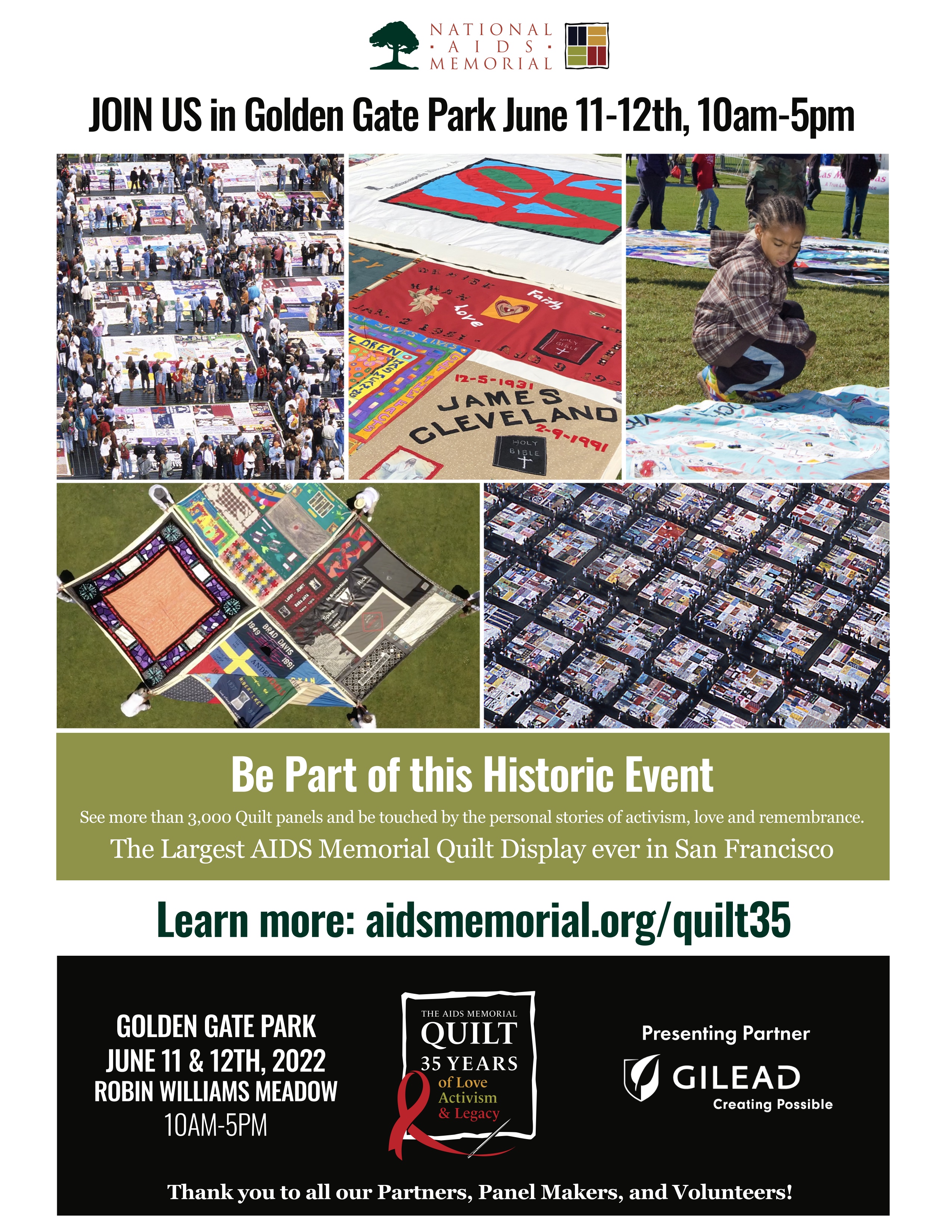
The AIDS Memorial Quilt began in 1987 in San Francisco, conceived by activist Cleve Jones and a small group of friends who were concerned that the public and government were failing to grasp the sheer human scale of the AIDS crisis. Each three-by-six-foot panel is designed to represent the exact dimensions of a human grave, intended to personalize the epidemic for viewers who might otherwise see only cold statistics.
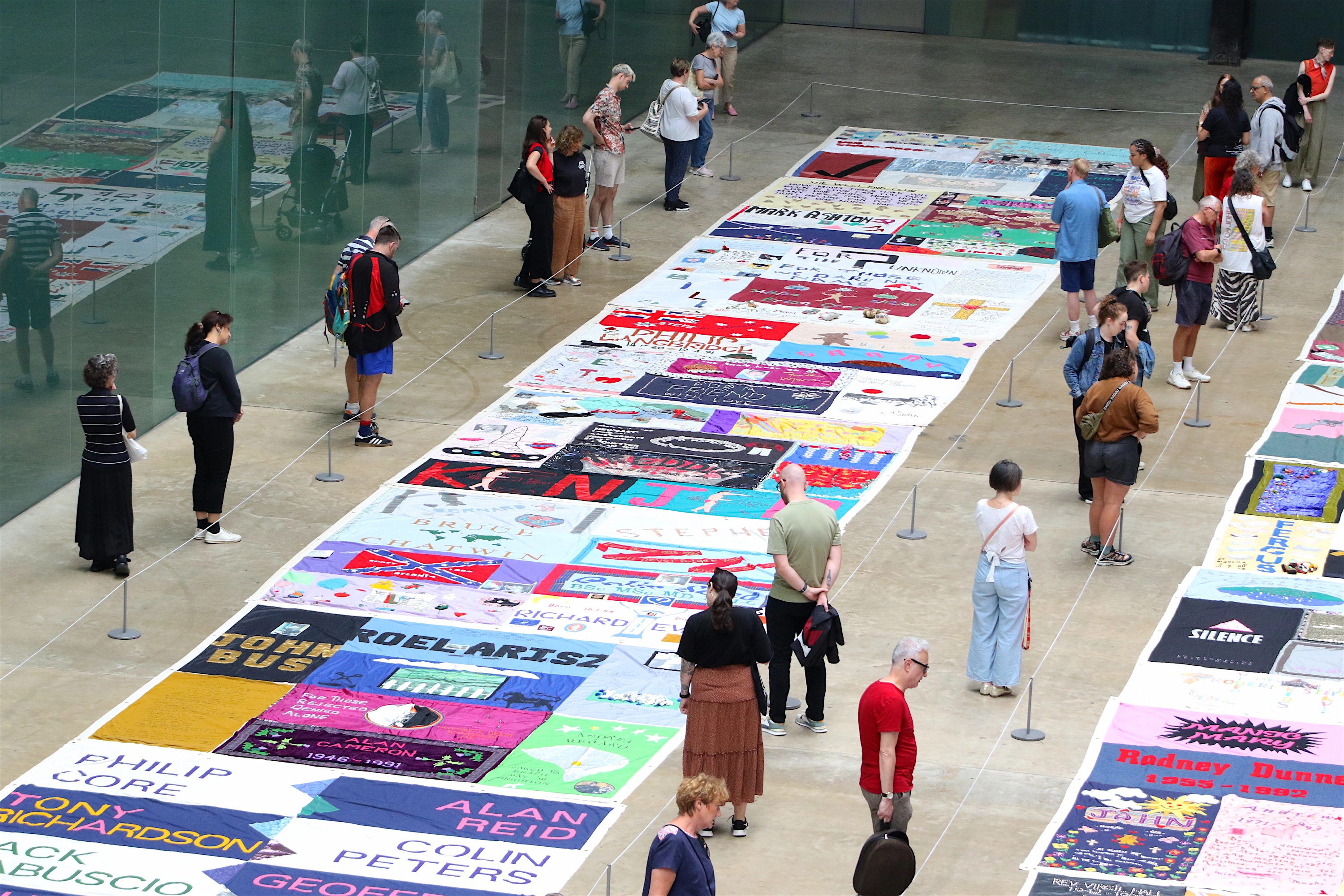
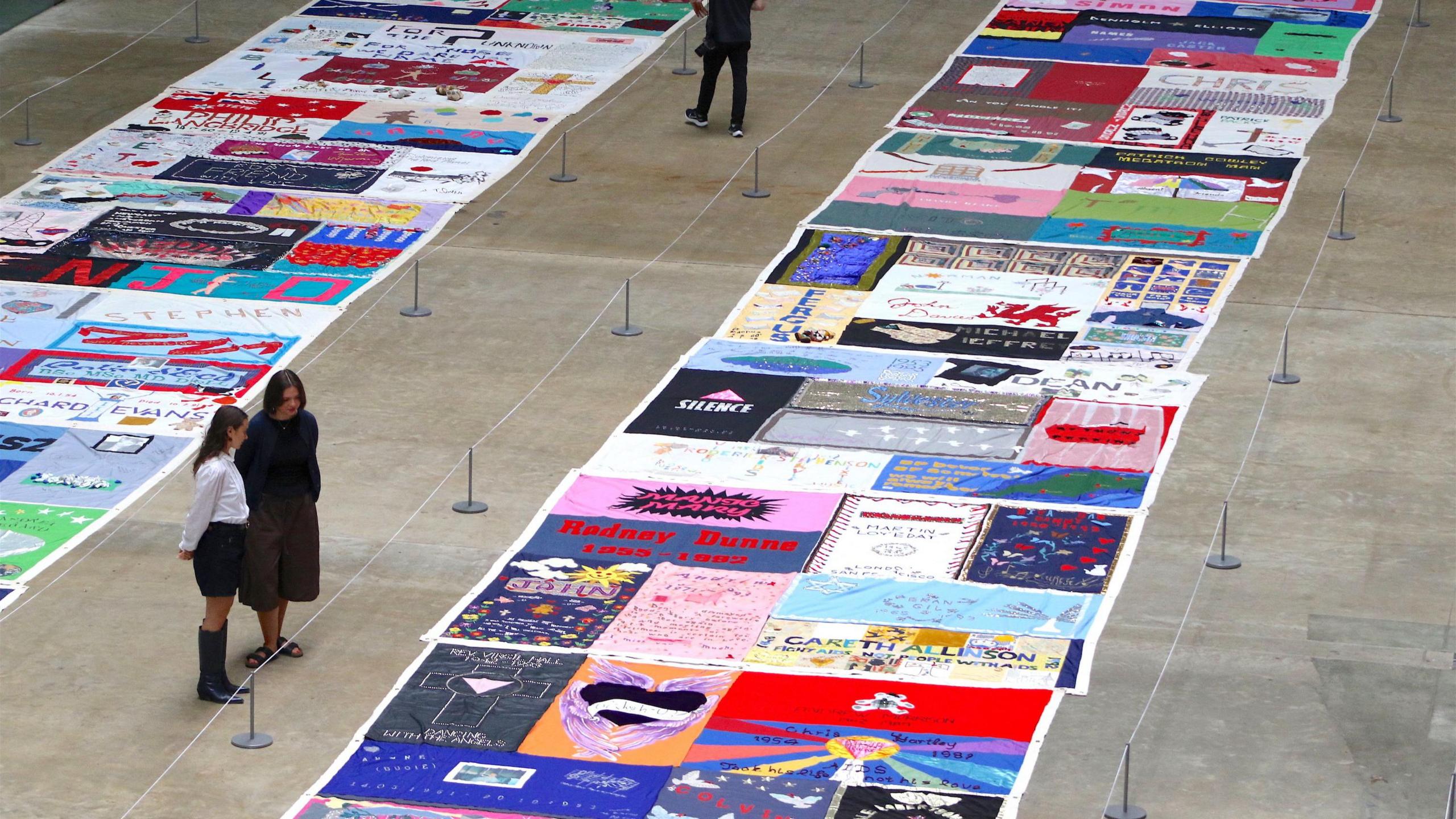
For those visiting a display in 2026, the experience is intentionally designed to be intimate and soothing. Unlike traditional stone monuments that feel static and impersonal, the Quilt is made of fabric, thread, photos, and personal artifacts—materials that suggest domestic warmth and individual humanity. The act of viewing the display—walking along the long, colorful pathways created by the panels—allows individuals to process trauma in a space where shared loss is the common language. It transforms private, often isolating grief into a public act of remembrance, validating the identity and history of those who passed away.
Navigating Access to Displays in 2026
The AIDS Memorial Quilt is not housed in a single location; rather, it is maintained by the National AIDS Memorial, an organization headquartered in San Francisco. Because of its massive size, the entire Quilt is rarely displayed at once. Instead, sections are curated and sent to various locations across the United States and abroad for exhibitions, educational events, and commemorative services.
If you are planning to visit or host a display, it is essential to consult the official digital archives and calendar maintained by the National AIDS Memorial. They manage the logistics of conservation, transport, and exhibition security. For organizers, the process of hosting a display involves specific requirements, including:
- Environmental Controls: Ensuring the venue is climate-controlled to protect the integrity of the aging fabric and historical materials.
- Security Protocols: Providing adequate supervision to prevent theft or accidental damage to the delicate panels.
- Educational Integration: Providing visitors with context, historical background, and information on current HIV/AIDS advocacy efforts.
The Therapeutic Value of Collective Memorialization
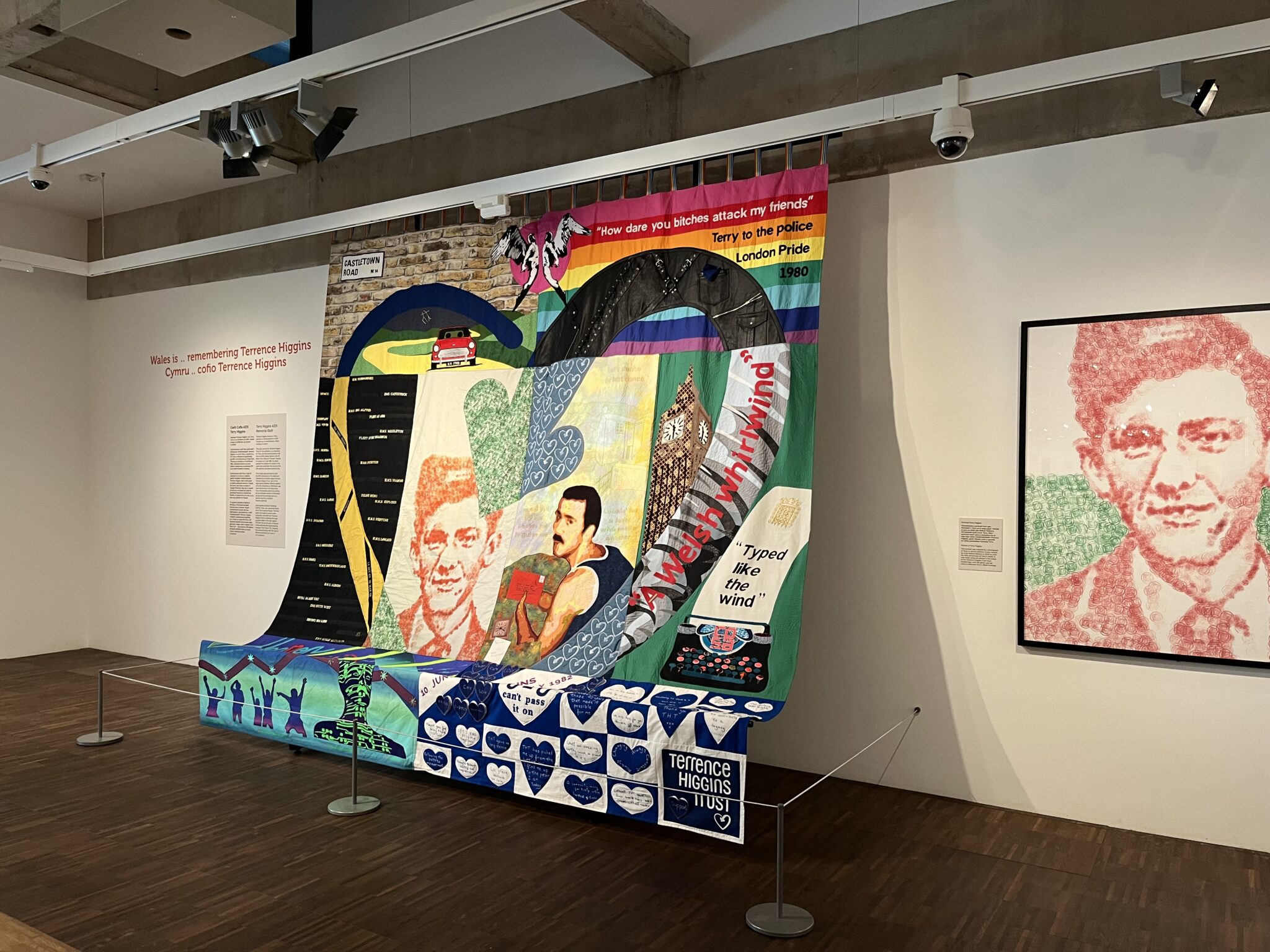
The "soothing" nature of the Quilt often stems from its grassroots origin. Many panels were created by people who had never stitched a day in their lives; they used glue, markers, sequins, and photographs to capture the personality of their loved ones. This lack of rigid artistic standards makes the display feel accessible and honest.
From a psychological perspective, the Quilt serves as a mechanism for public ritual. For survivors, the opportunity to see a loved one’s panel among thousands of others provides a sense of community. It reinforces that the loss was not an isolated tragedy but a systemic event that claimed a generation. This realization can be profoundly soothing, as it alleviates the loneliness often associated with grief. In 2026, the Quilt continues to serve as an educational bridge, connecting younger generations who did not live through the height of the 1980s and 1990s crisis with the history of the movement.
Comparing Traditional Memorials and the AIDS Memorial Quilt
To understand why the Quilt provides a specific type of solace, it is useful to compare it against more traditional forms of public remembrance.
| Feature | Traditional Stone Monuments | The AIDS Memorial Quilt |
|---|---|---|
| Primary Material | Granite, marble, bronze | Fabric, thread, personal items |
| Emotional Tone | Formal, imposing, stoic | Intimate, tactile, comforting |
| Maintenance | Minimal site preservation | Rigorous climate and handling care |
| Nature of Content | Names and dates | Personal photos, letters, relics |
| Accessibility | Fixed, permanent location | Mobile, traveling, community-based |
While stone monuments are designed to endure for centuries, the Quilt is designed to evolve. The fragility of the cloth requires active human intervention to preserve it, mirroring the ongoing need for advocacy, medical care, and social support for those living with HIV.
Best Practices for Visiting or Hosting
For those intending to visit a display, preparation is key to ensuring a meaningful and respectful experience. Most exhibits provide silence or soft, ambient music to encourage reflection. It is considered standard etiquette to refrain from touching the panels, as the oils from human skin can degrade the historical materials over time.
For institutions looking to host a display, the planning horizon is typically long. The National AIDS Memorial requires prospective hosts to submit applications well in advance to coordinate the logistics of moving large, climate-sensitive cargo. Costs associated with hosting include shipping, insurance, and professional installation, which must be factored into the planning budget.
Addressing Common Questions About the Quilt
Where can I find information on upcoming exhibition schedules?
The National AIDS Memorial website maintains the primary, verified schedule for all regional and national displays. You should check their official event calendar for the most current information regarding dates and venues in your region.
Can I still contribute a new panel to the Quilt?
Yes, the Quilt is a living memorial. The organization continues to accept new panels that meet specific size requirements and construction standards. Guidelines for panel creation, including material durability and size, are available through the National AIDS Memorial’s documentation center.
Is the Quilt safe for viewing by children and students?
Many schools and community organizations use the Quilt as a pedagogical tool. The display is generally considered appropriate for all ages, though parents and educators are encouraged to frame the experience within a historical context, explaining the severity of the epidemic and the importance of empathy in the face of public health challenges.
How are the panels protected from environmental damage?
The panels are stored in temperature-controlled environments when not on display. During exhibitions, they are carefully laid out on protective ground coverings. Because the fabrics range from delicate silks to sturdy denims, conservation experts monitor the Quilt to ensure that exposure to light and humidity remains within safe historical preservation limits.
Why is it described as a "soothing" experience?
The descriptor "soothing" reflects the transition from the overwhelming, often chaotic nature of the initial AIDS crisis to the current state of collective, structured remembrance. The colorful, tactile nature of the fabric offers a visual softness that stands in contrast to the harshness of the illness, creating a space where mourners feel their pain is acknowledged, validated, and shared by the larger community.
Next Steps for Engagement and Remembrance
If you are moved to participate in the ongoing story of the AIDS Memorial Quilt, the most practical next action is to visit the National AIDS Memorial’s official digital portal. Whether you intend to attend a local exhibition, volunteer for the preservation of current panels, or begin the process of crafting a new panel for a lost loved one, the organization provides the necessary technical guidance, safety procedures, and administrative requirements.
Engaging with the Quilt in 2026 is a commitment to ensuring that the names and stories of those lost are never obscured by time. By participating in this living archive, you contribute to a legacy that centers the humanity of the individuals affected by the epidemic, transforming the sorrow of loss into the steady, enduring comfort of memory.