HIV/AIDS advocacy involves strategic efforts to influence public policy, improve access to healthcare services, reduce social stigma, and secure funding for research and treatment programs. By combining community-based initiatives with systemic policy reform, advocates aim to address the social determinants of health that perpetuate the transmission of HIV and limit the quality of life for those living with the virus.
The Pillars of Modern HIV/AIDS Advocacy
Effective advocacy in the current landscape is built upon three foundational pillars: biomedical innovation, human rights protection, and equitable access. As treatment modalities have evolved from rudimentary regimens to highly effective once-daily single-tablet regimens and long-acting injectables, the focus of advocacy has shifted toward ensuring that these clinical advancements reach marginalized populations globally.
The primary objective for contemporary advocates is to ensure that healthcare systems do not leave behind those in rural or socioeconomically disadvantaged areas. Advocacy efforts focus on the "Undetectable Equals Untransmittable" (U=U) campaign, which utilizes clinical data to prove that people living with HIV who maintain an undetectable viral load through antiretroviral therapy (ART) do not transmit the virus sexually. This scientific reality is the cornerstone of modern efforts to dismantle the fear and discrimination that often fuel systemic barriers to care.
Addressing Structural Barriers and Policy Gaps
Advocates operate by analyzing the legislative and regulatory frameworks that govern public health. A significant portion of this work involves lobbying for the removal of criminalization laws that punish individuals living with HIV for non-disclosure, regardless of whether transmission occurred or whether the individual was virally suppressed. Such laws are frequently criticized by international health organizations for being based on outdated science and for discouraging individuals from seeking testing or treatment due to fear of legal repercussions.
Furthermore, advocacy involves monitoring the availability of PrEP (Pre-Exposure Prophylaxis). While access has improved significantly in many jurisdictions, challenges regarding affordability, healthcare provider training, and insurance coverage persist. Successful advocacy requires a deep understanding of the pharmaceutical supply chain, patent laws, and the complex negotiations involved in public-private health partnerships.
Table: Comparison of Advocacy Focus Areas
| Focus Area | Primary Objective | Key Stakeholders |
|---|---|---|
| Criminalization | Repeal outdated transmission laws | Legal experts, state legislators |
| Access to Care | Universal PrEP and ART coverage | Health ministries, insurance providers |
| Public Awareness | Normalization of HIV through U=U | Media outlets, school boards |
| Research Funding | Development of a curative vaccine | National Institutes of Health, NGOs |
The Role of Community-Led Organizations
Grassroots and community-based organizations (CBOs) remain the heartbeat of HIV/AIDS advocacy. These groups are uniquely positioned to identify local obstacles, such as language barriers, lack of transportation to clinics, or specific cultural stigmas that prevent individuals from accessing services. By operating as intermediaries between the public and governmental health bodies, CBOs ensure that policies are informed by the lived experience of the affected populations.
In 2026, the success of these organizations is often measured by their ability to leverage digital health tools. Telehealth platforms and mobile-integrated pharmacy services are now vital components of advocacy. Organizations that effectively push for the integration of these digital tools often see higher retention rates in care compared to those relying solely on traditional, facility-based models.
Navigating Legal and Ethical Constraints
Advocates must navigate complex legal landscapes when pushing for structural change. Medical privacy is a paramount concern; therefore, all advocacy efforts that involve gathering personal data or patient testimonies must strictly comply with regional health data privacy regulations, such as HIPAA in the United States or the GDPR in the European Union.
Ethical advocacy also requires maintaining the autonomy of the individuals being represented. When advocates bring forward stories of lived experience, they must prioritize informed consent and ensure that the narratives are not weaponized or misrepresented. This requires a professional standard of conduct where the advocate acts as a conduit for the community’s voice rather than a speaker for them, ensuring the integrity of the information provided to policymakers.
Funding Models and Economic Sustainability
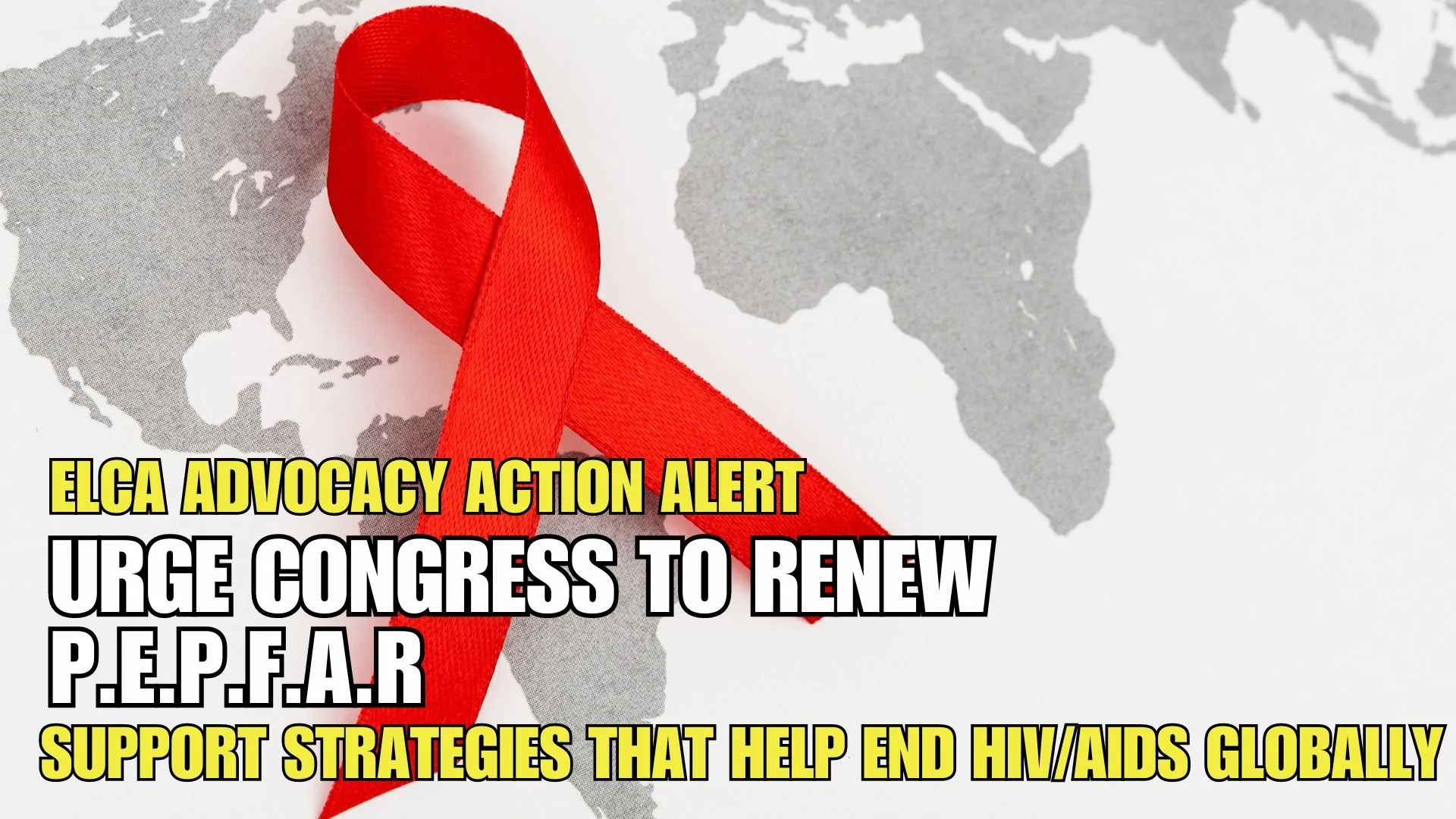
Sustainable advocacy depends on the ability to secure consistent funding. This often requires managing diverse portfolios including private foundation grants, government contracts, and individual donations. Advocates must be well-versed in the fiscal cycles of the organizations they influence. For instance, understanding the budget appropriation processes for agencies like the CDC or PEPFAR (The President's Emergency Plan for AIDS Relief) is essential for those working at a federal level.
A common mistake in advocacy is failing to account for the "transition risk." This occurs when international donors pull funding from a region, expecting local governments to pick up the tab. Without prior advocacy to ensure that domestic budgets are prepared for this transition, the progress in healthcare access can be abruptly reversed. Consequently, high-level advocacy now focuses heavily on ensuring national government budget commitments for long-term health infrastructure.
Frequently Asked Questions
How does the U=U message change the approach to advocacy?
The U=U (Undetectable equals Untransmittable) message shifts the focus from fear-based messaging to science-based empowerment. By highlighting that treatment acts as prevention, advocates can effectively challenge discriminatory policies and reduce self-stigma, shifting the narrative from HIV as a public health threat to HIV as a manageable chronic condition.
What are the most effective ways to start participating in HIV/AIDS advocacy?
The most effective way to start is by joining an established local or national advocacy organization. These groups provide the necessary training on local policy, media relations, and legal requirements. Beginners often start by participating in awareness events, writing to local representatives regarding specific legislation, or volunteering for community outreach initiatives.
Why is the decriminalization of HIV transmission a major advocacy goal?
Criminalization laws are widely considered ineffective at preventing transmission and are instead viewed as barriers to care. By criminalizing the status of an individual rather than their actions, these laws discourage people from getting tested or disclosing their status to partners and providers for fear of arrest, ultimately undermining public health efforts.
How do healthcare privacy laws affect advocacy efforts?
Privacy laws ensure that sensitive health information remains protected, which is vital for building trust. Advocates must ensure that any public campaign or policy work involving patient data complies with these laws, as any breach of privacy would not only be a legal liability but would cause significant harm to the credibility of the movement.
Next Steps for Aspiring Advocates
To engage effectively in HIV/AIDS advocacy, begin by identifying the specific issue you wish to influence—whether it is local testing access, school-based education, or regional policy reform. Conduct a thorough review of the current legislation in your jurisdiction and connect with established groups that are already working within that space. Avoid the common pitfall of working in isolation; advocacy is most impactful when done in coalition with other community, health, and legal experts. Ensure your information is derived from current, peer-reviewed sources, and always prioritize the privacy and autonomy of the communities you serve.