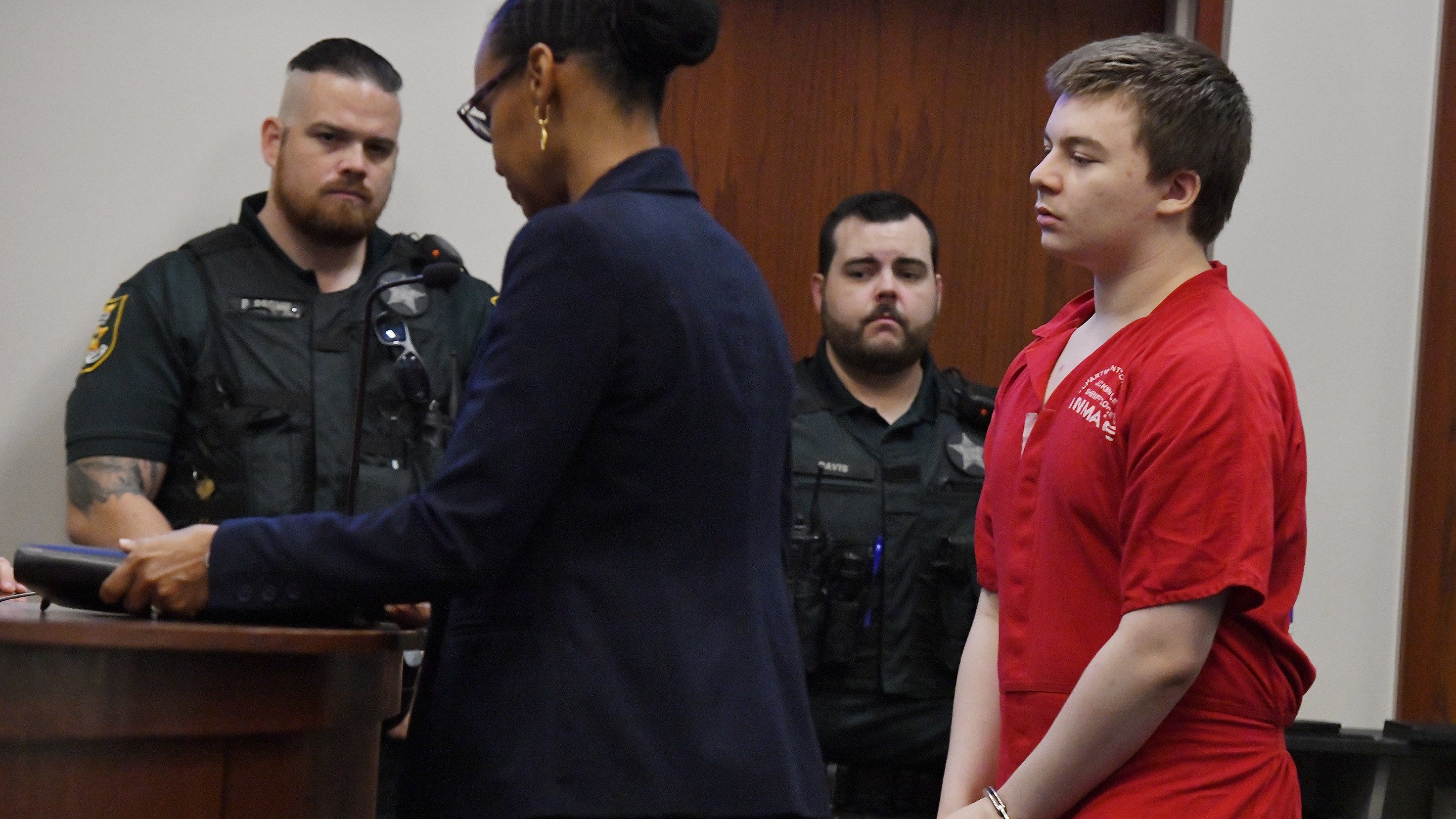
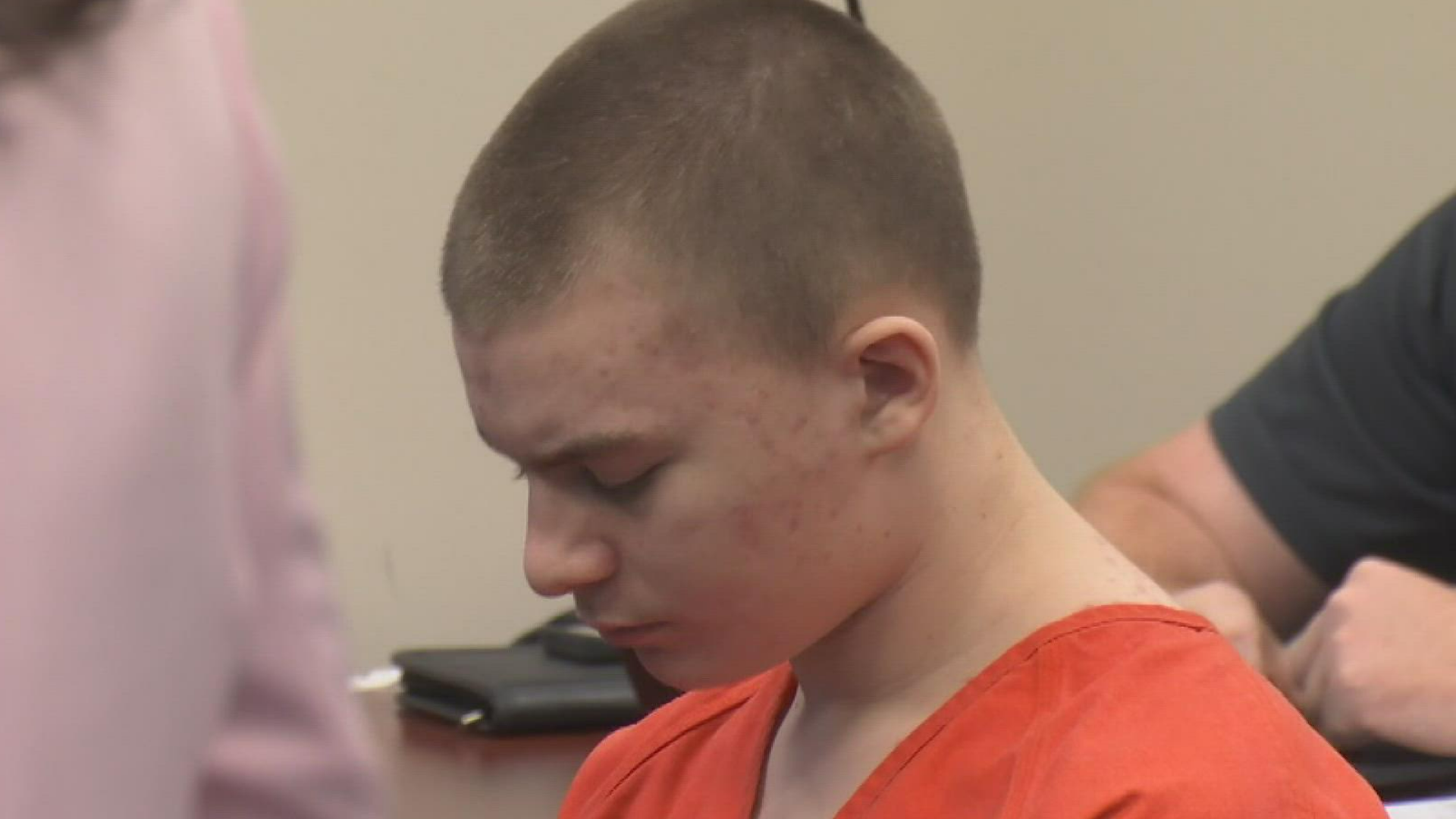
Aiden Fucci is the individual convicted of the 2021 first-degree murder of 13-year-old Tristyn Bailey in St. Johns County, Florida. Following a high-profile investigation and trial, Fucci pleaded guilty to the charge in 2023. He was subsequently sentenced to life imprisonment, marking a significant legal conclusion to a case that garnered extensive national and international attention regarding juvenile justice and sentencing statutes.
Background of the Investigation
The events surrounding the case began on May 9, 2021, when 13-year-old Tristyn Bailey was reported missing from her home in the Durbin Crossing neighborhood of St. Johns County, Florida. The subsequent search operation involved local law enforcement, community volunteers, and emergency response teams. On May 10, 2021, Bailey’s body was discovered in a wooded area near the neighborhood.
Law enforcement agencies, led by the St. Johns County Sheriff’s Office, identified 14-year-old Aiden Fucci as a person of interest shortly after the discovery. Evidence collected during the investigation, including forensic data and digital surveillance, linked Fucci to the crime scene. The intensity of the investigation and the nature of the evidence led to the formal charging of Fucci as an adult, a decision necessitated by the severity of the charges under Florida state law.
Legal Status and Judicial Process
In the Florida judicial system, individuals under the age of 18 can be charged as adults for capital offenses. The prosecution presented evidence indicating that the act was premeditated, which was a critical factor in the pursuit of a first-degree murder conviction.
Fucci was initially held in custody without bond. His legal representation navigated several months of pretrial hearings, including mental health evaluations and discovery processes standard in major criminal litigation. In February 2023, shortly before his trial was scheduled to begin, Fucci changed his plea from "not guilty" to "guilty" to the charge of first-degree murder. This plea meant the court would move directly to sentencing rather than a jury trial.
Sentencing and Statutory Context
The sentencing phase for Aiden Fucci took place in March 2023 before Circuit Judge R. Lee Smith. Under Florida statutes, the sentencing of a juvenile convicted of first-degree murder requires careful consideration of the offender's age, maturity, and the nature of the offense.
Judge Smith evaluated the testimony provided during the sentencing hearings, which included impact statements from the victim's family and arguments from the defense regarding the defendant's youth. Ultimately, the court imposed a sentence of life in prison. In the state of Florida, a juvenile sentenced to life for a capital felony is subject to a judicial review of their sentence after serving 25 years, as mandated by legal precedents established by the U.S. Supreme Court regarding juvenile sentencing.
Key Factors in the Sentencing Decision
The court’s decision was influenced by several documented factors that were entered into the trial record. These considerations were designed to balance the severity of the crime with the legal protections afforded to minors:
- Premeditation: The prosecution presented evidence that the incident was not a spontaneous event but involved planning, which elevated the charge to first-degree murder.
- Nature of the Violence: The physical evidence and medical examiner’s reports detailed the extremity of the violence, which served as a primary factor for the prosecution in arguing for the maximum sentence.
- Age and Maturity: While Florida law allowed for the prosecution of Fucci as an adult, the court had to specifically address whether a life sentence was constitutionally permissible for a minor, concluding that it was appropriate given the circumstances of the case.
- Victim Impact: The emotional and psychological toll on the community and the family of Tristyn Bailey was documented through formal statements presented to the court.
Comparison of Legal Requirements for Juvenile Prosecution
The following table outlines the general framework for how the Florida justice system approaches severe offenses involving minors, highlighting the legal thresholds that dictate these proceedings.
| Legal Consideration | Requirement/Standard | Context for Capital Offenses |
|---|---|---|
| Charging Status | Direct File or Grand Jury Indictment | Allows minors to be tried as adults for severe felonies. |
| Plea Options | Guilty, Not Guilty, No Contest | A guilty plea waives the right to a jury trial on the merits. |
| Sentencing Threshold | Discretionary vs. Mandatory | Life sentences for juveniles require specific judicial findings. |
| Sentence Review | Statutory Eligibility | Juveniles serving life sentences are entitled to a review after 25 years. |
Societal and Legal Impacts
The case prompted widespread discussion in 2026 regarding the efficacy of juvenile justice policies. It raised questions about the threshold at which a minor should be held accountable in adult court and the long-term rehabilitative possibilities versus punitive requirements for violent juvenile offenders.
In the years since the trial, the case has been frequently cited in legal seminars and academic research concerning "life without parole" statutes for minors. These discussions often focus on the balance between public safety and the developmental differences between juvenile and adult brains, a subject that continues to be a point of debate in the American legal system.
Frequently Asked Questions
Was Aiden Fucci eligible for the death penalty?
No. Because Fucci was a juvenile at the time of the offense, he was not eligible for the death penalty. U.S. Supreme Court rulings prohibit the imposition of capital punishment for crimes committed by individuals under the age of 18.
Can Aiden Fucci ever be released from prison?
Under current Florida law, Fucci is sentenced to life imprisonment. However, because he was a juvenile at the time of the crime, he is entitled to a judicial review of his sentence after he has served 25 years in prison. This review does not guarantee release; it provides a mechanism to evaluate the sentence based on his conduct and development.
What was the specific charge against him?
Fucci pleaded guilty to first-degree murder. In Florida, this requires proof that the killing was committed with premeditated design or while engaged in the commission of certain other specified felonies.
Did the victim’s family participate in the proceedings?
Yes. The family of Tristyn Bailey was actively involved throughout the legal process. They provided victim impact statements during the sentencing hearing, which were considered by the judge before the final sentence was pronounced.
Where is Aiden Fucci incarcerated?
Fucci is currently held within the Florida Department of Corrections system. Information regarding specific facility assignments for inmates is managed by the department and remains subject to internal security protocols.
Moving Forward: Understanding Legal Updates
For individuals interested in following the long-term status of this case or similar judicial matters in Florida, the primary source for verified information is the Clerk of the Court for the Seventh Judicial Circuit of Florida. All public filings, court transcripts, and scheduled reviews are part of the public record. In 2026, those seeking to understand the procedural history should rely on these official dockets rather than secondary commentary to ensure accuracy regarding the defendant’s current status and any future legal filings or reviews.