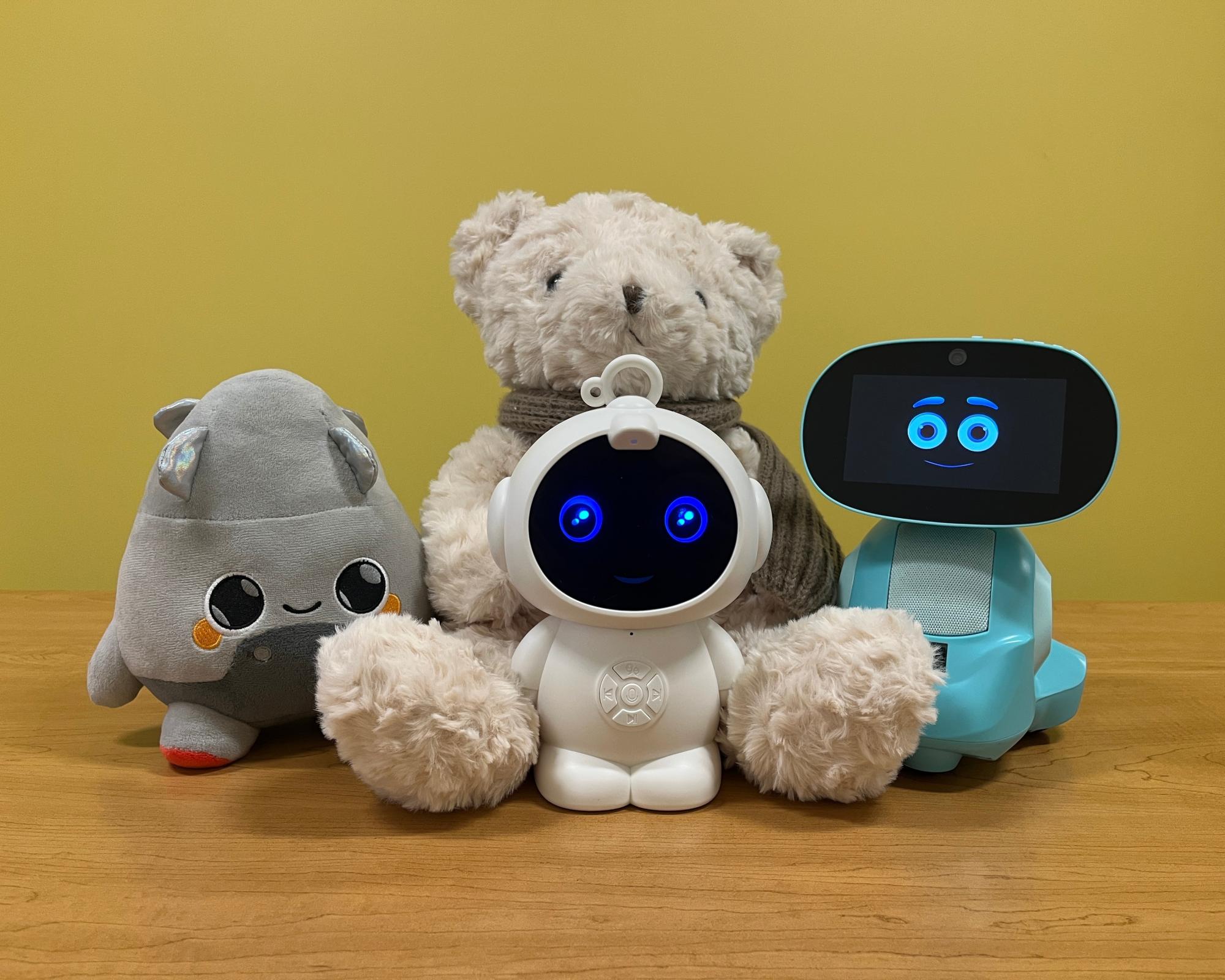
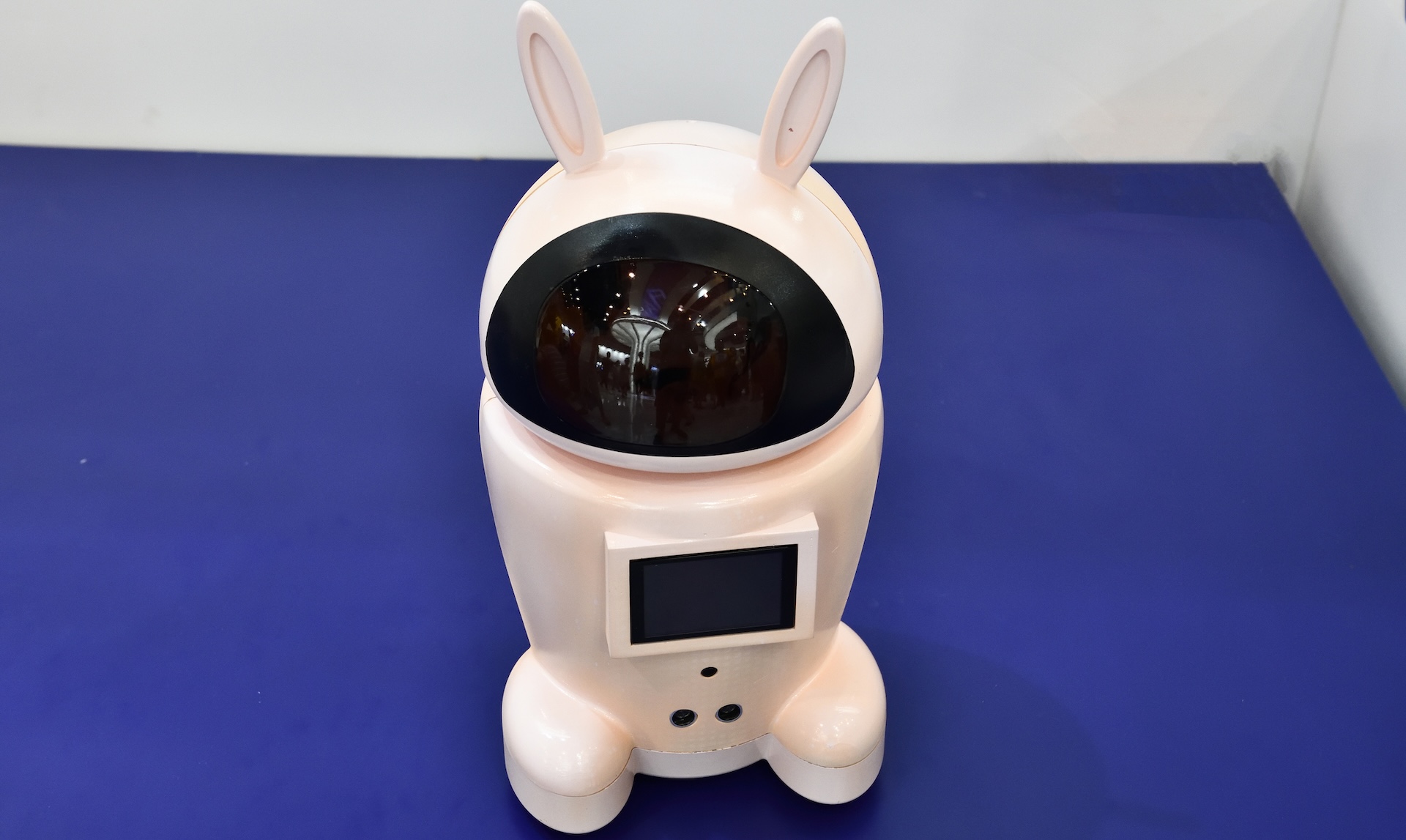
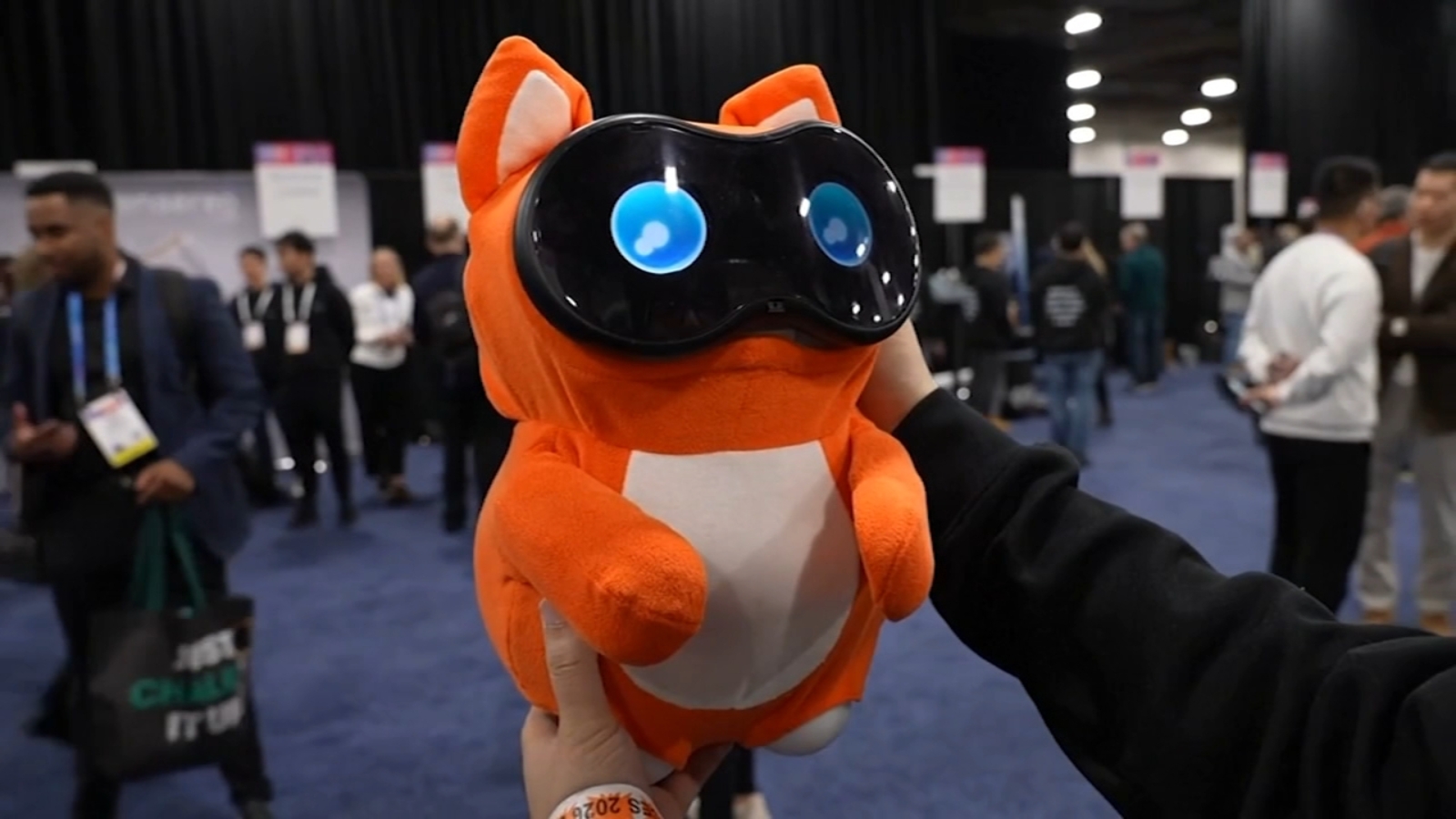
AI toys integrate machine learning, natural language processing, and interactive robotics to create responsive play experiences that adapt to a child's behavior, learning pace, and preferences. Unlike traditional static dolls or remote-controlled vehicles, these devices process real-time inputs to hold conversations, recognize faces, and dynamically alter gameplay.
The integration of artificial intelligence into playthings represents a fundamental shift in how children interact with consumer technology. Modern AI toys move beyond pre-programmed responses and static behavioral loops, utilizing embedded microprocessors, cloud connectivity, and advanced software algorithms to simulate learning and emotional engagement. This technological leap transforms passive entertainment into an active, iterative dialogue between the child and the device. As families navigate this emerging landscape, understanding the underlying mechanics, developmental impacts, privacy implications, and market varieties is essential for making informed purchasing and parenting decisions.
Defining AI Toys and Their Core Technologies
At their technical core, AI toys are computational devices equipped with sensors, actuators, and software capable of adaptive processing. Unlike simple electronic toys that execute fixed loops when a button is pressed, an artificial intelligence toy evaluates environmental variables to determine its output. These systems rely on several foundational technologies working in tandem:
- Natural Language Processing (NLP): Enables the toy to parse spoken human language, translate audio into text data, analyze intent, and generate contextually relevant vocal replies.
- Computer Vision: Utilizes embedded cameras and image-recognition algorithms to detect faces, track movement, interpret gestures, and identify physical objects in the room.
- Machine Learning (ML) Models: Allows the software to modify its behavioral patterns over time based on interaction history, tailoring difficulty levels, humor styles, or conversation topics to the individual user.
- Actuators and Servos: Mechanical components that translate digital commands into physical movement, governing facial expressions, locomotion, and limb manipulation.
These systems frequently operate via a hybrid architecture. Edge computing handles immediate, latency-sensitive tasks like obstacle avoidance locally on the toy's internal chip, while more resource-intensive processes—such as complex speech synthesis or cloud-based knowledge retrieval—rely on a Wi-Fi or Bluetooth connection to external servers. This dual-layer approach balances responsiveness with computational depth.
Developmental Benefits and Educational Value
Proponents of smart playthings emphasize their potential to foster cognitive growth, language acquisition, and social-emotional skills. Because conversational AI toys engage children in extended dialogues rather than one-way media consumption, they can encourage vocabulary expansion and linguistic experimentation. A child practicing a second language, for instance, can converse with a patient, non-judgmental conversational partner that adjusts its speaking rate and complexity to match the learner's proficiency.
Furthermore, programmable robotics and AI-driven coding kits introduce foundational computational thinking concepts to young minds. By allowing users to train a robotic pet to recognize specific commands or navigate a maze using visual programming languages, these products demystify software engineering. Children learn iterative problem-solving: if the machine fails to execute a command, the user must analyze the error, modify the code, and test the hypothesis again. This empirical approach mirrors scientific inquiry and builds resilience through trial and error.
Privacy, Security, and Ethical Considerations
The introduction of connected microphones, cameras, and cloud-linked software into children's bedrooms introduces significant privacy and data-security challenges. Many AI toys continuously record audio or video streams to improve their machine learning algorithms or fetch cloud-based answers. This data collection raises critical questions regarding regulatory compliance, parental consent, and corporate data stewardship.
- Data Collection and Storage: Manufacturers must clarify whether voice logs, facial scans, and interaction histories are stored locally, encrypted in transit, or retained indefinitely on corporate servers.
- Regulatory Frameworks: In the United States, the Children's Online Privacy Protection Act (COPPA) imposes strict requirements on operators of websites or online services directed to children under 13, mandating verifiable parental consent before collecting personal information. Similar stringent standards are enforced globally, such as the General Data Protection Regulation (GDPR) in the European Union.
- Vulnerability to Exploitation: Internet-connected hardware can possess security vulnerabilities. Unpatched firmware or weak encryption protocols can theoretically allow unauthorized third parties to intercept audio streams or access internal device controls.
Parents and guardians must review privacy policies, disable cloud connectivity when not in use, and verify whether the manufacturer adheres to recognized industry standards for children's data protection.
Comparing Traditional Electronics Versus Artificial Intelligence Playthings
To understand the practical differences in functionality, cost, and maintenance, comparing legacy electronic toys with modern AI-driven devices provides clear structural insight into the current market.
| Feature Category | Traditional Electronic Toys | AI-Enabled Toys |
|---|---|---|
| Processing Power | Fixed microcontrollers with hardcoded logic and pre-recorded audio files. | Advanced microprocessors with local machine learning and cloud connectivity. |
| Adaptability | Low; responses are identical regardless of repeated usage or user age. | High; behavioral patterns and difficulty levels evolve over time. |
| Connectivity | Typically standalone; rarely requires external networks. | Frequently relies on Wi-Fi or Bluetooth for updates and cloud processing. |
| Cost Range | Moderate ($20 to $100); single upfront purchase price. | Premium ($150 to $400+); potential subscription fees for advanced features. |
| Privacy Risk | Minimal; no persistent data logging or internet transmission. | Elevated; requires careful monitoring of microphone and camera permissions. |
Evaluating Cost, Maintenance, and Longevity
Purchasing an advanced interactive companion involves financial and operational commitments that extend well beyond the initial retail transaction. While simple electronic toys generally require only battery replacements, smart devices demand ongoing software support, stable network infrastructure, and occasional subscription management.
Manufacturers often release firmware updates to patch security vulnerabilities, introduce new games, or refine natural language models. However, when a company discontinues support for a specific hardware generation, cloud-dependent features may cease to function, effectively turning an expensive interactive device into a standard, non-functional plastic shell. Consumers should research a manufacturer's historical track record for software support before investing in cloud-reliant hardware. Additionally, battery life under intensive processing loads can be exceptionally short, requiring frequent recharging or anchoring the device to a power source during extended play sessions.
How to Choose the Right Smart Plaything for a Child
Selecting an appropriate device requires balancing the child's developmental stage with safety parameters, technical requirements, and long-term engagement potential.
- Assess Age Appropriateness: Match the complexity of the interface to the child's cognitive abilities. Toddlers benefit from tactile, cause-and-effect responsiveness, whereas older children engage more deeply with programmable logic and open-ended conversation.
- Audit Privacy Controls: Check whether the product allows physical or digital disabling of microphones and cameras. Ensure the manufacturer provides clear documentation regarding data deletion and parental consent mechanisms.
- Verify Network Dependencies: Determine whether the toy requires a permanent internet connection to function or if core features operate offline. Offline functionality ensures usability during network outages and eliminates constant cloud data streaming.
- Examine Open-Ended Play Potential: Prioritize products that encourage creativity, physical movement, and social collaboration over those that foster passive screen gazing or addictive behavioral loops.
Frequently Asked Questions
Do AI toys require a continuous internet connection to function?
Some devices require a constant Wi-Fi connection to process natural language queries and fetch cloud-based data, while others perform basic motor controls and offline processing locally. Devices with hybrid capabilities offer limited functionality when disconnected from the internet, ensuring basic play remains possible without a network.
Are children's voice recordings stored permanently by manufacturers?
Storage practices vary significantly by brand and model. Reputable manufacturers anonymize interaction data, encrypt transmissions, and allow parents to delete voice logs through companion mobile applications. Reviewing the specific privacy policy of the manufacturer is essential to verify exact data retention practices.
How do conversational AI toys impact children's social development?
When used in moderation, responsive companions can encourage linguistic expression and practice social turn-taking. However, researchers emphasize that they should complement, rather than replace, human interaction, as machines cannot model nuanced empathy, emotional reciprocity, or complex interpersonal dynamics.
Can parents monitor what the toy records or learns?
Most modern smart devices include companion smartphone applications that provide parents with activity dashboards, usage statistics, and privacy settings. These tools allow guardians to review interaction histories, adjust safety filters, and manage data collection permissions.
What happens when the manufacturer stops supporting the product?
If a device relies heavily on cloud infrastructure and the manufacturer terminates server support, cloud-dependent features—such as voice recognition and dynamic dialogue—will typically stop working. Local physical movements and basic onboard features may continue to function depending on the specific hardware architecture.
Practical Next Steps for Safe Integration
When introducing these advanced playthings into a household, establish clear boundaries regarding usage times and physical locations. Keep smart devices in shared family spaces rather than private bedrooms to naturally monitor interactions and privacy. Regularly check for firmware updates through official companion apps to ensure security patches are applied promptly. By maintaining an active role in supervising how these technologies operate within the home, families can harness their developmental advantages while mitigating potential security and behavioral risks.