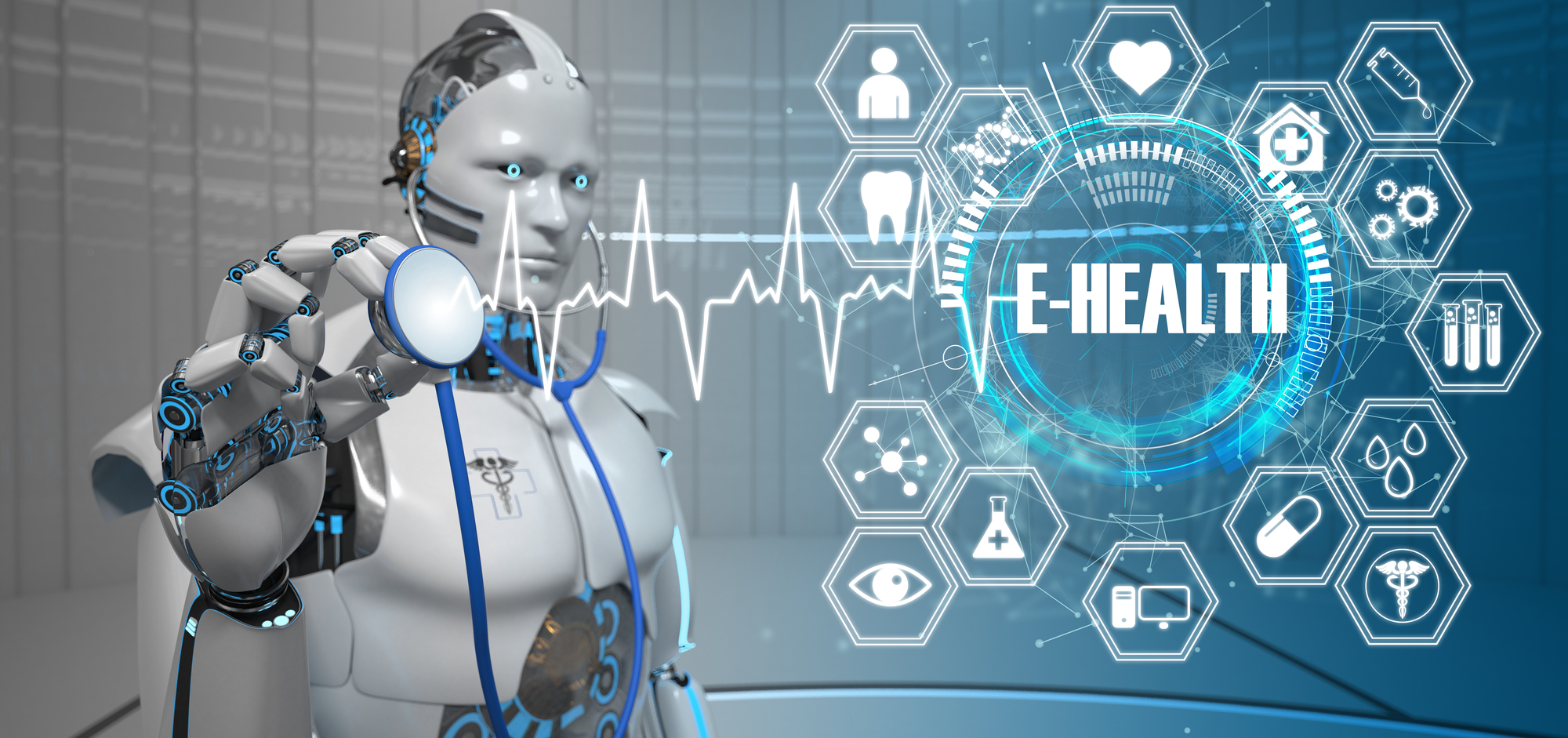
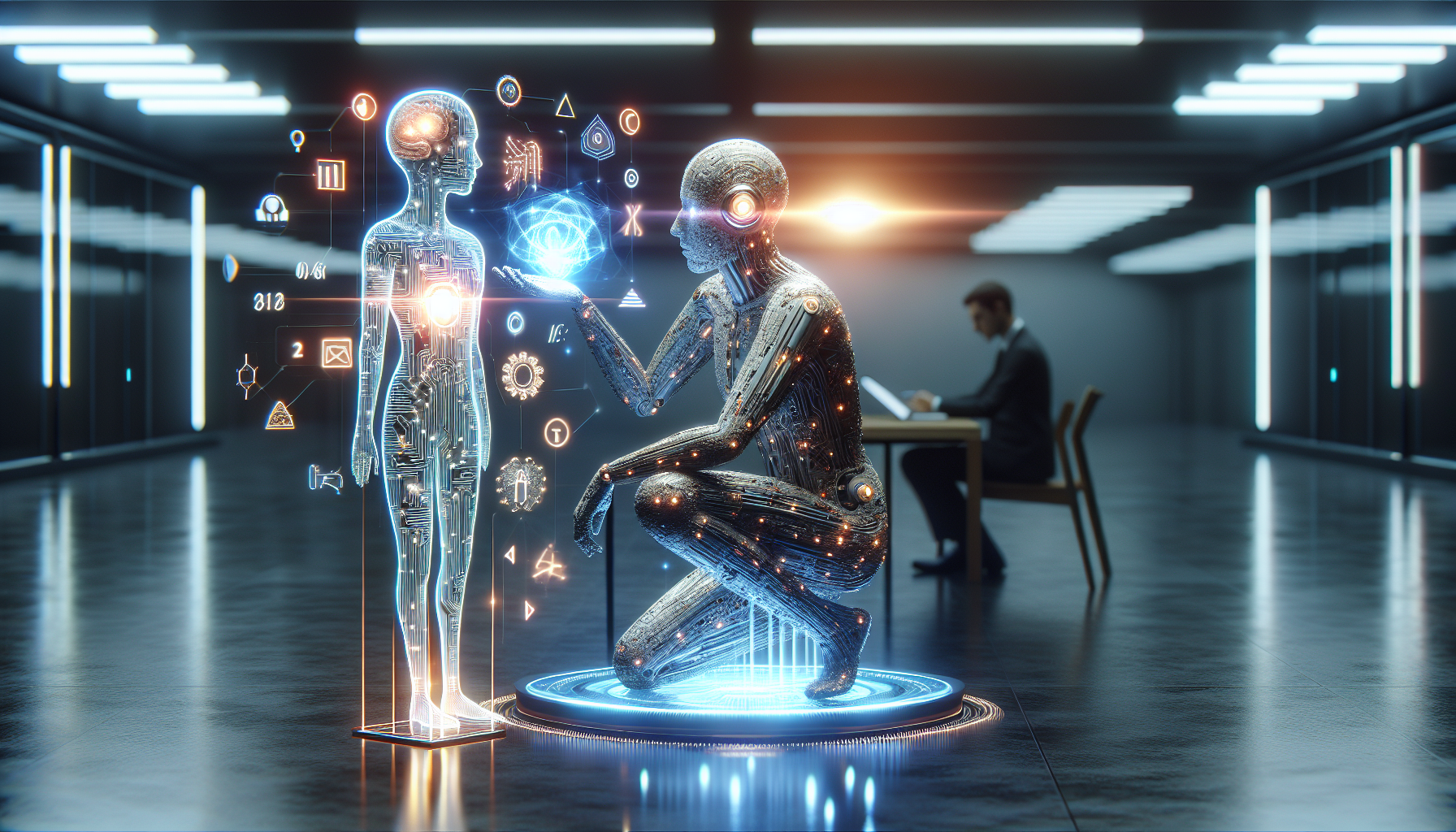
Artificial intelligence will not replace human physicians; rather, it serves as a powerful diagnostic and operational co-pilot that transforms clinical workflows, enhances decision-making, and restores the human element to patient-centered medicine.
The discourse surrounding artificial intelligence in medicine is often plagued by extremes. On one side, speculative technology narratives suggest that algorithms will soon render human clinicians obsolete, operating autonomous clinics and making infallible diagnostic decisions. On the other side, skepticism fueled by privacy concerns, algorithmic bias, and high-profile software failures breeds resistance among medical professionals. Neither perspective accurately reflects the current reality or the trajectory of modern healthcare. Rather than wholesale displacement, artificial intelligence represents a profound paradigm shift—an evolution in tools that augments human capability rather than supplanting it. Understanding this transition requires separating science fiction from clinical reality, examining how machine learning models actually function within hospitals and clinics, and identifying the precise boundaries where human judgment remains irreplaceable.
The Origins of the Automation Anxiety in Medicine
The fear that machines will replace human workers is as old as the industrial revolution, but its application to medicine carries unique emotional and ethical weight. Healthcare is deeply personal, rooted in empathy, touch, and moral responsibility. When computational models begin to match or exceed human performance in narrow tasks—such as detecting microcalcifications on mammograms or parsing complex genomic sequences—anxiety naturally follows. This anxiety is amplified by sensationalist media headlines that misinterpret technological milestones, framing them as adversarial contests between human doctors and silicon algorithms.
Historically, every major technological leap in medicine—from the invention of the stethoscope and the introduction of X-ray imaging to the implementation of electronic health records—met with initial resistance and existential dread. Physicians worried that machines would distance them from patients or reduce their clinical autonomy. Yet, these tools ultimately expanded the boundaries of what medicine could achieve. Artificial intelligence is no different. It enters the clinical ecosystem not to execute the holistic art of healing, but to shoulder the crushing cognitive and administrative burdens that currently contribute to widespread physician burnout. By examining the structural limitations of machine learning, it becomes clear why the human physician remains the irreplaceable anchor of patient care.
Deconstructing the Myths: Why Algorithms Cannot Practice Medicine Alone
To understand why artificial intelligence will not replace doctors, one must first examine the fundamental constraints of machine learning models. Algorithms excel at pattern recognition within massive, structured datasets, but they lack general intelligence, emotional sentience, and contextual awareness. A diagnostic algorithm can identify a lesion on a radiological scan with astonishing speed, but it does not understand the patient's lived experience, cultural background, economic constraints, or personal values. Medicine is not merely a series of isolated pattern-matching exercises; it is a continuous process of negotiation, interpretation, and compassionate communication under conditions of radical uncertainty.
| Feature or Capability | Artificial Intelligence Models | Human Physicians |
|---|---|---|
| Primary Strength | Rapid processing of vast datasets and pattern recognition. | Holistic reasoning, empathy, and ethical judgment. |
| Contextual Awareness | Limited to trained parameters and historical data inputs. | Broad understanding of social, emotional, and environmental factors. |
| Adaptability | Rigid; struggles with novel, out-of-distribution clinical presentations. | Highly adaptable; excels at navigating ambiguous or unprecedented scenarios. |
| Accountability | None; software cannot hold legal or moral responsibility. | Fully accountable; legally and ethically bound by professional licensure. |
Furthermore, artificial intelligence systems are vulnerable to specific failure modes that human clinicians naturally navigate. Algorithmic bias, data drift, and "hallucinations" in generative models present severe risks if systems operate without rigorous clinical oversight. A machine learning model trained primarily on demographic data from a single urban hospital may perform poorly when applied to rural or diverse patient populations. Human physicians provide the critical filter, recognizing when an algorithmic output contradicts clinical intuition or patient history. Without this supervisory layer, relying on autonomous artificial intelligence would introduce unacceptable clinical risks.
How Artificial Intelligence Augments Clinical Workflows
While artificial intelligence will not replace doctors, it is actively transforming how doctors practice. The most profound impacts of machine learning are occurring in areas characterized by high data density and repetitive cognitive tasks. By integrating computational tools into daily workflows, healthcare systems are finding ways to alleviate administrative fatigue and improve diagnostic precision.
- Diagnostic Radiology and Pathology: Algorithms assist by pre-screening imaging studies, flagging subtle abnormalities, and prioritizing urgent cases in radiology queues, allowing specialists to focus on complex interpretations.
- Administrative Automation: Natural language processing tools transcribe patient-physician conversations in real-time, automatically populating electronic health records and reducing hours of post-shift documentation.
- Pharmacology and Drug Discovery: Machine learning models simulate molecular interactions at unprecedented speeds, dramatically shortening the timeline for identifying viable therapeutic compounds and personalized treatment regimens.
- Predictive Risk Modeling: Continuous monitoring algorithms analyze vital signs and lab values in intensive care units to predict sepsis or clinical deterioration hours before symptoms become overt.
These applications demonstrate that artificial intelligence functions best as a force multiplier. Rather than doing the doctor's job, technology handles the computational heavy lifting, empowering clinicians to dedicate more time to direct patient interaction, complex decision-making, and empathetic communication.
The Ethical, Legal, and Regulatory Frameworks Governing Clinical AI
The integration of artificial intelligence into patient care introduces complex legal and ethical questions that necessitate strict regulatory oversight. Unlike traditional medical devices—such as a scalpel or an MRI machine—which operate deterministically under direct human control, machine learning algorithms can be dynamic, evolving, and opaque. This creates challenges regarding liability, transparency, and patient consent.
When an artificial intelligence tool assists in a misdiagnosis, determining legal accountability is complex. Current legal frameworks maintain that the ultimate responsibility rests with the licensed human practitioner who acts upon the technological output. Regulators, such as the U.S. Food and Drug Administration and the European Medicines Agency, enforce rigorous validation standards for Software as a Medical Device (SaMD). These standards require manufacturers to demonstrate clinical safety, algorithmic fairness, and post-market surveillance to track performance drift over time. Ensuring that these systems remain transparent—often referred to as explainable AI—is paramount, as clinicians must understand the underlying rationale behind an algorithmic recommendation before incorporating it into a treatment plan.
Preparing for a Collaborative Healthcare Future
Embracing the future of healthcare requires a fundamental restructuring of medical education, professional training, and institutional culture. As artificial intelligence becomes a permanent fixture in clinical environments, medical schools and residency programs are beginning to incorporate foundational data science, bioinformatics, and algorithmic literacy into their curricula. Clinicians do not need to become software engineers, but they must develop the critical appraisal skills necessary to evaluate technological tools with the same rigor they apply to randomized controlled trials or pharmacological studies.
Healthcare organizations must also invest in robust governance structures to audit algorithms for bias, protect patient privacy, and ensure equitable access to technological advancements. By fostering a collaborative ecosystem where computer scientists and clinicians work side-by-side, the medical community can steer technological development toward genuine human-centric outcomes. The goal is not to engineer the human element out of medicine, but to harness computational power in service of better health outcomes and a more compassionate healthcare experience for all.
Frequently Asked Questions
Will artificial intelligence ever become advanced enough to completely replace doctors?
No. While artificial intelligence can automate specific analytical and administrative tasks, it cannot replicate the complex emotional intelligence, ethical reasoning, cross-contextual problem-solving, and legal accountability required to practice medicine. Human doctors will remain central to healthcare delivery.
How are doctors currently using artificial intelligence in their daily practice?
Clinicians use artificial intelligence primarily for administrative automation, such as ambient clinical documentation, as well as for diagnostic assistance in fields like radiology, pathology, and dermatology. These tools help streamline workflows and catch subtle patterns in large datasets.
What are the biggest risks of using artificial intelligence in healthcare?
Primary risks include algorithmic bias stemming from non-representative training data, data privacy vulnerabilities, over-reliance on automated outputs by clinicians, and "hallucinations" or errors in generative models that could lead to inappropriate clinical decisions if left unverified.
How do regulatory bodies ensure medical artificial intelligence is safe?
Agencies evaluate algorithms through rigorous pre-market clearance processes that require clinical validation data. They also mandate continuous post-market surveillance to monitor software performance, detect algorithmic drift, and ensure ongoing safety and efficacy.
Will medical students need to learn computer science and coding?
While full coding proficiency is generally unnecessary, future medical professionals require a strong foundation in digital health literacy, data interpretation, and critical appraisal of algorithmic tools to safely and effectively integrate them into patient care.
Strategic Integration and Next Actions for Healthcare Professionals
To successfully navigate this technological transition, clinicians, administrators, and healthcare organizations should prioritize active engagement over passive observation. Begin by auditing current clinical workflows to identify bottlenecks where administrative automation can yield immediate relief. Establish multidisciplinary committees within your institution to evaluate new software solutions for clinical validity, security, and equity. For individual practitioners, pursue continuing education opportunities focused on digital health and algorithmic literacy. By proactively mastering these tools rather than resisting them, healthcare professionals can ensure that technology remains subservient to the core mission of medicine: healing and caring for humanity.