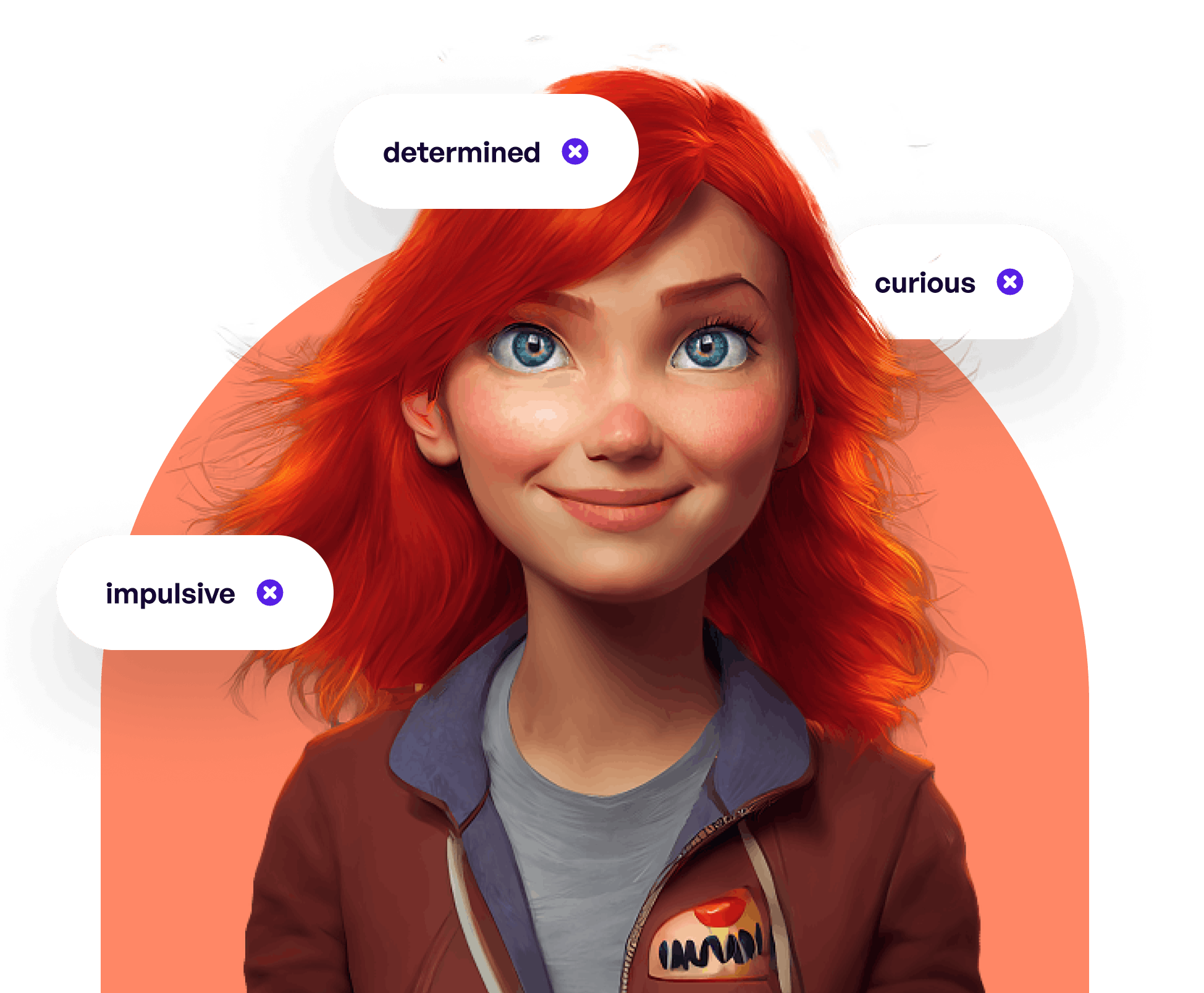
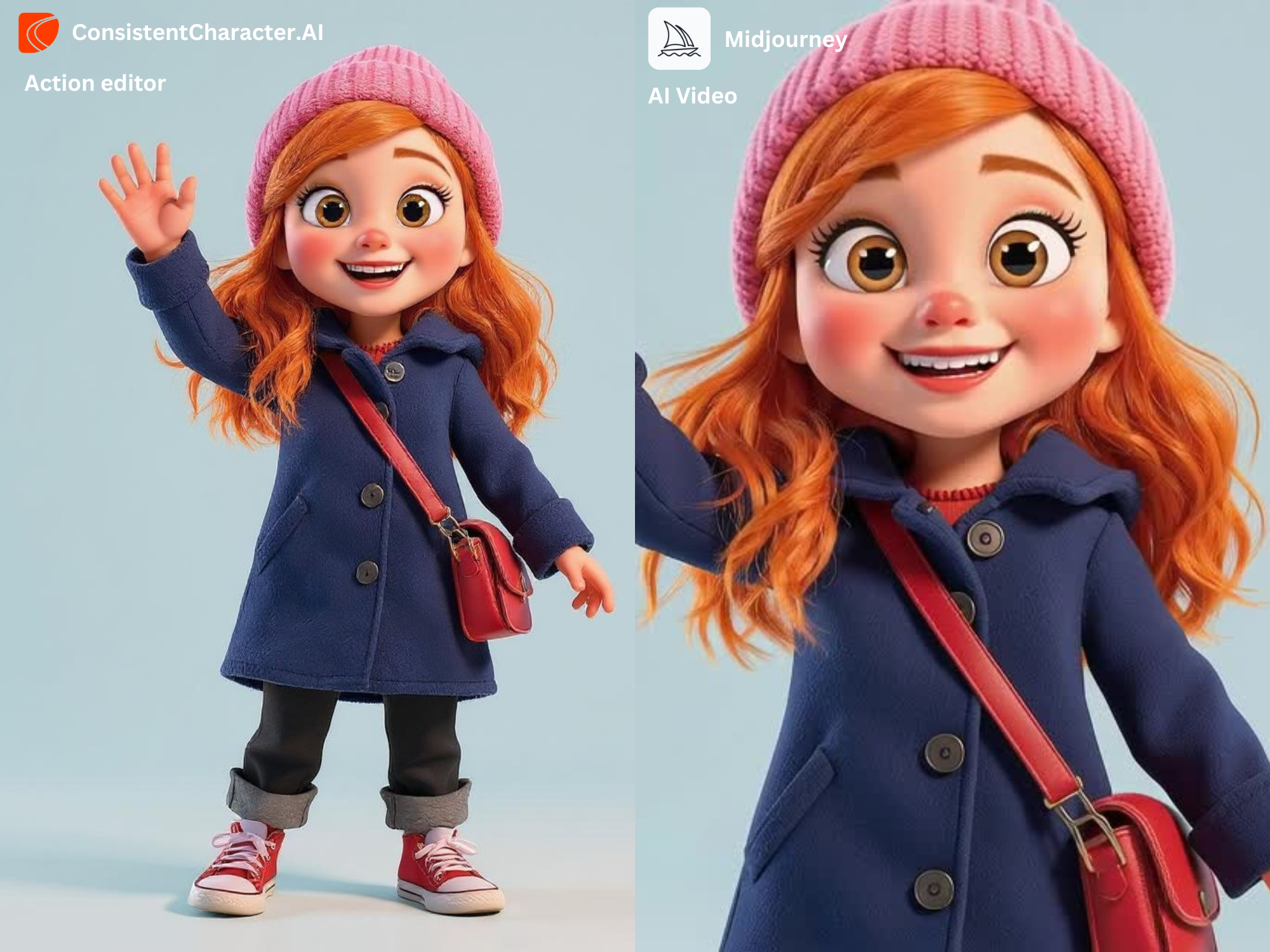
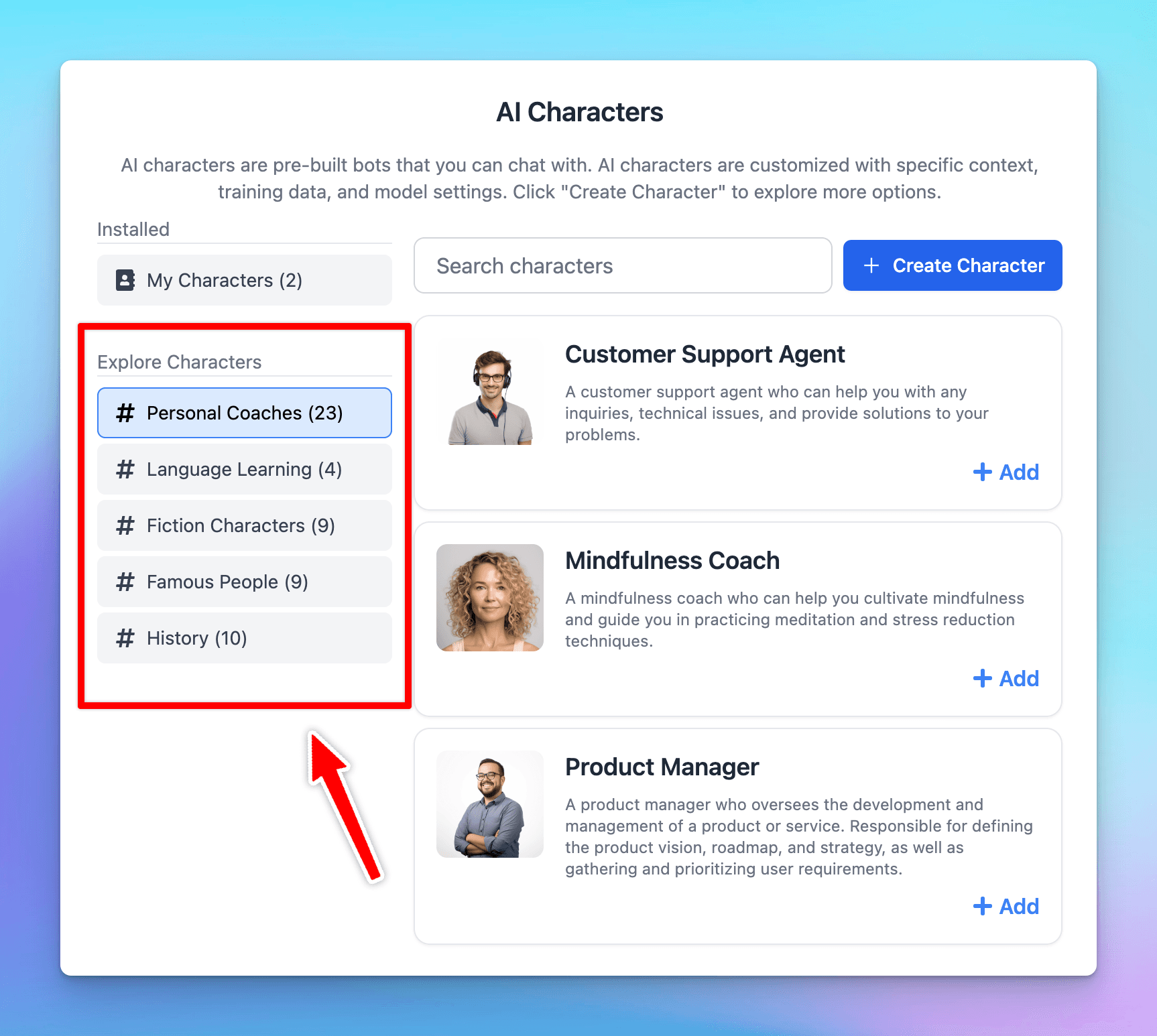
AI characters are computer-driven virtual personas powered by machine learning models and large language models that engage users through natural language, adaptive behaviors, and distinct personalities across gaming, storytelling, and digital assistant platforms.
The evolution of generative artificial intelligence has fundamentally transformed how users interact with software. Traditional computer characters in video games, productivity tools, and virtual environments historically relied on rigid, pre-scripted decision trees and hardcoded dialogue paths. Today, the integration of advanced natural language processing, transformer architectures, and persistent memory systems has given rise to dynamic AI characters. These entities possess individualized traits, memory retention, emotional modeling, and the capacity for open-ended conversation. Understanding how these systems function requires examining their core technologies, practical applications, ethical considerations, and the technical frameworks that govern their deployment in modern digital ecosystems.
Core Technical Foundations of Modern AI Characters
At the heart of any sophisticated AI character lies a complex interplay of foundational machine learning architectures. Rather than operating on isolated scripts, modern virtual personas combine large language models (LLMs) for text generation, speech synthesis engines for voice generation, and computer vision or animation pipelines for visual representation. The LLM serves as the cognitive core, responsible for parsing user inputs, maintaining situational awareness, and generating contextually appropriate responses that reflect the character's designated personality profile.
To maintain structural consistency, developers utilize prompt engineering, fine-tuning, and retrieval-augmented generation (RAG). System prompts define the persona's background, core motivations, linguistic quirks, and behavioral boundaries, ensuring the character does not break character or produce erratic outputs. Meanwhile, vector databases allow these systems to retain long-term memory. When a user mentions a specific detail during a conversation, the system stores that information and retrieves it during future interactions, creating a seamless illusion of genuine interpersonal continuity and relational development.
Common Use Cases and Ecosystem Categories
AI characters manifest across several distinct industry sectors, each serving unique functional purposes and user engagement goals. Recognizing these categories clarifies the divergence in technical requirements, safety guardrails, and architectural complexity between different implementations.
| Category | Primary Function & Environment |
|---|---|
| Interactive Gaming | Non-player characters with dynamic dialogue and unscripted quests. |
| Companion & Social | Virtual friends or mentors providing emotional support and open chat. |
| Brand & Corporate | Customer service avatars and marketing representatives embodying brand values. |
| Creative & Writing | Collaborative partners for fiction development and roleplaying scenarios. |
As detailed in the table above, the deployment environment heavily dictates the underlying system design. Gaming environments prioritize low latency and spatial awareness, whereas social companions focus on high empathy metrics and long-term memory preservation. Corporate avatars, by contrast, require rigorous constraint adherence to prevent hallucinations or brand liability issues.
Development Workflows and Creation Methodologies
Creating a functional AI character involves a structured multi-phase workflow that bridges narrative design with software engineering. Developers and creators begin by establishing the character profile, which outlines the persona's backstory, psychological traits, tone of voice, and ethical boundaries. This conceptual framework is then translated into system instructions and configuration files compatible with AI character platforms or custom inference pipelines.
The second phase involves technical integration. Creators select an appropriate base foundation model, configure parameters such as temperature and top-p sampling to control creativity versus determinism, and establish memory parameters. If visual or auditory output is required, developers integrate text-to-speech models with voice cloning capabilities alongside real-time lip-sync animation tools.
Testing and refinement constitute the final and most critical stage. Creators subject the persona to rigorous red-teaming—deliberately attempting to provoke rule-breaking, harmful speech, or out-of-character behavior. Through iterative prompt adjustments and safety filter integration, developers harden the character against exploitation before releasing it to end users.
Safety, Privacy, and Ethical Considerations
The widespread availability of interactive AI characters brings significant ethical responsibilities, particularly regarding user attachment, data privacy, and content moderation. Because these systems are engineered to simulate empathy and active listening, vulnerable users can develop intense emotional dependencies on artificial entities. This dynamic raises concerns regarding parasocial relationships, manipulation, and the psychological impact of abrupt service termination or platform changes.
From a data privacy perspective, conversations with virtual personas often involve highly personal disclosures. Ensuring that user transcripts are encrypted, handled in compliance with frameworks like the General Data Protection Regulation (GDPR), and not used without explicit consent for secondary model training is a paramount operational requirement for ethical platform providers. Furthermore, robust content moderation guardrails must be implemented to prevent the generation of hate speech, non-consensual sexual content, self-harm encouragement, or misinformation, ensuring that creative freedom does not compromise public safety.
Operational Limitations and Common Technical Bottlenecks
Despite rapid advancements, deploying and interacting with AI characters involves notable operational limitations and technical friction points. Understanding these constraints helps set realistic expectations for developers and end-users alike.
- Latency: Real-time conversation requires rapid inference. Combining LLM text generation with voice synthesis can introduce noticeable delays that disrupt natural conversational flow.
- Hallucinations: Foundation models occasionally generate factually incorrect information or contradict established lore within the character's fictional universe.
- Context Window Degradation: As long conversations progress, older details can fall outside the model's active context window, causing the character to forget important shared history unless robust memory retrieval systems are active.
- Cost of Operation: Running high-parameter models for sustained, open-ended dialogue incurs substantial computational and API expenses compared to traditional scripted logic.
Mitigating these bottlenecks requires continuous optimization, such as utilizing smaller, quantized edge models for localized interactions, caching frequent response patterns, and employing efficient vector search algorithms to maintain memory fidelity without overwhelming the processing pipeline.
Future Trajectories in Virtual Persona Engineering
The trajectory of AI character development points toward increasingly multimodal, embodied, and autonomous systems. Future iterations will likely move beyond text and audio interfaces to integrate real-time emotional recognition via computer vision, allowing virtual personas to react dynamically to a user's facial expressions and body language in augmented and virtual reality environments.
Moreover, advancements in agentic workflows will enable virtual personas to act with greater autonomy within digital ecosystems, executing complex multi-step tasks on behalf of users rather than merely conversing. As underlying hardware improves and model efficiency increases, the boundary between scripted digital tools and living, adaptive artificial companions will continue to blur, redefining human-computer interaction across consumer and enterprise landscapes.
Frequently Asked Questions
What differentiates an AI character from a traditional video game NPC?
Traditional non-player characters rely on pre-written dialogue trees, hardcoded state machines, and predictable paths. AI characters utilize generative language models and dynamic memory systems, allowing them to formulate unique responses on the fly, adapt to unexpected user inputs, and maintain distinct conversational personalities without being restricted to predetermined scripts.
Can I create my own custom AI character without coding experience?
Yes, numerous consumer-facing platforms and developer tools allow users to build custom personas simply by writing detailed character biographies, setting behavioral traits, and uploading example dialogue. These no-code platforms handle the underlying API connections, model hosting, and inference management automatically.
How do AI characters maintain memory across multiple chat sessions?
AI characters maintain long-term memory by integrating vector databases and external memory retrieval systems. When a conversation occurs, key facts and user preferences are extracted, vectorized, and stored in a database. When a new session begins, the system queries this database and injects relevant historical context back into the model's active prompt.
Are conversations with AI characters private and secure?
Privacy depends entirely on the specific platform provider's data governance policies, encryption standards, and terms of service. Some commercial platforms utilize user chat logs for further model training, while enterprise-grade or privacy-focused applications enforce strict zero-retention policies and end-to-end encryption. Users should review specific platform privacy disclosures before sharing sensitive information.
What causes an AI character to break character or hallucinate?
Breaking character typically occurs when a user's prompt strongly contradicts the system instructions, or when the conversation exceeds the model's active context window, causing it to forget its core persona parameters. Hallucinations happen because probabilistic language models predict the next likely token rather than retrieving a verified database fact, occasionally leading to fabricated information.
Choosing and Implementing the Right Character Platform
Selecting an appropriate AI character platform requires a careful assessment of technical requirements, customization depth, privacy policies, and intended use cases. Whether developing a commercial application or exploring interactive storytelling for personal use, practitioners should begin by defining their core performance metrics, establishing strict safety boundaries, and testing baseline model responses against edge-case scenarios to ensure reliable, engaging, and secure virtual interactions.