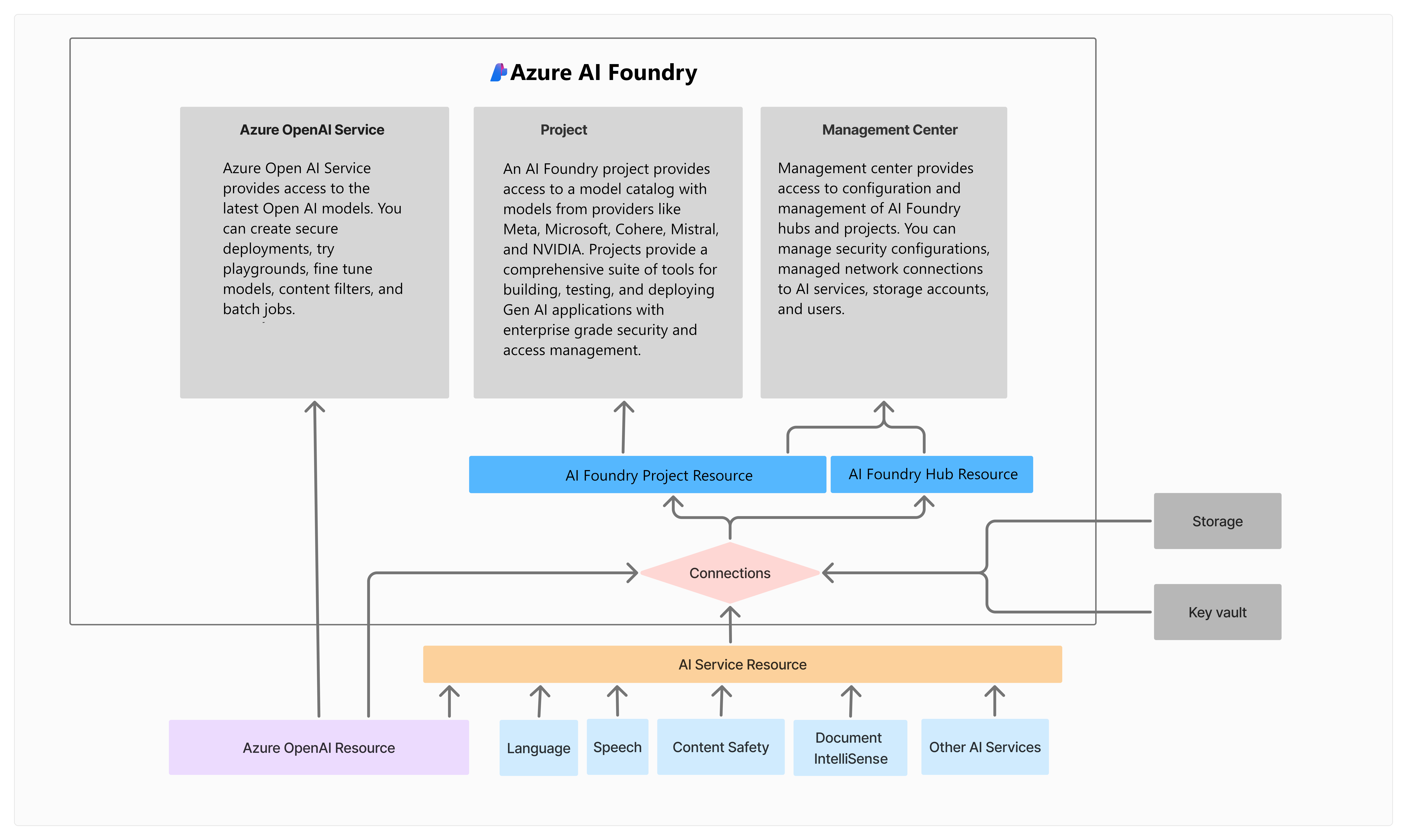
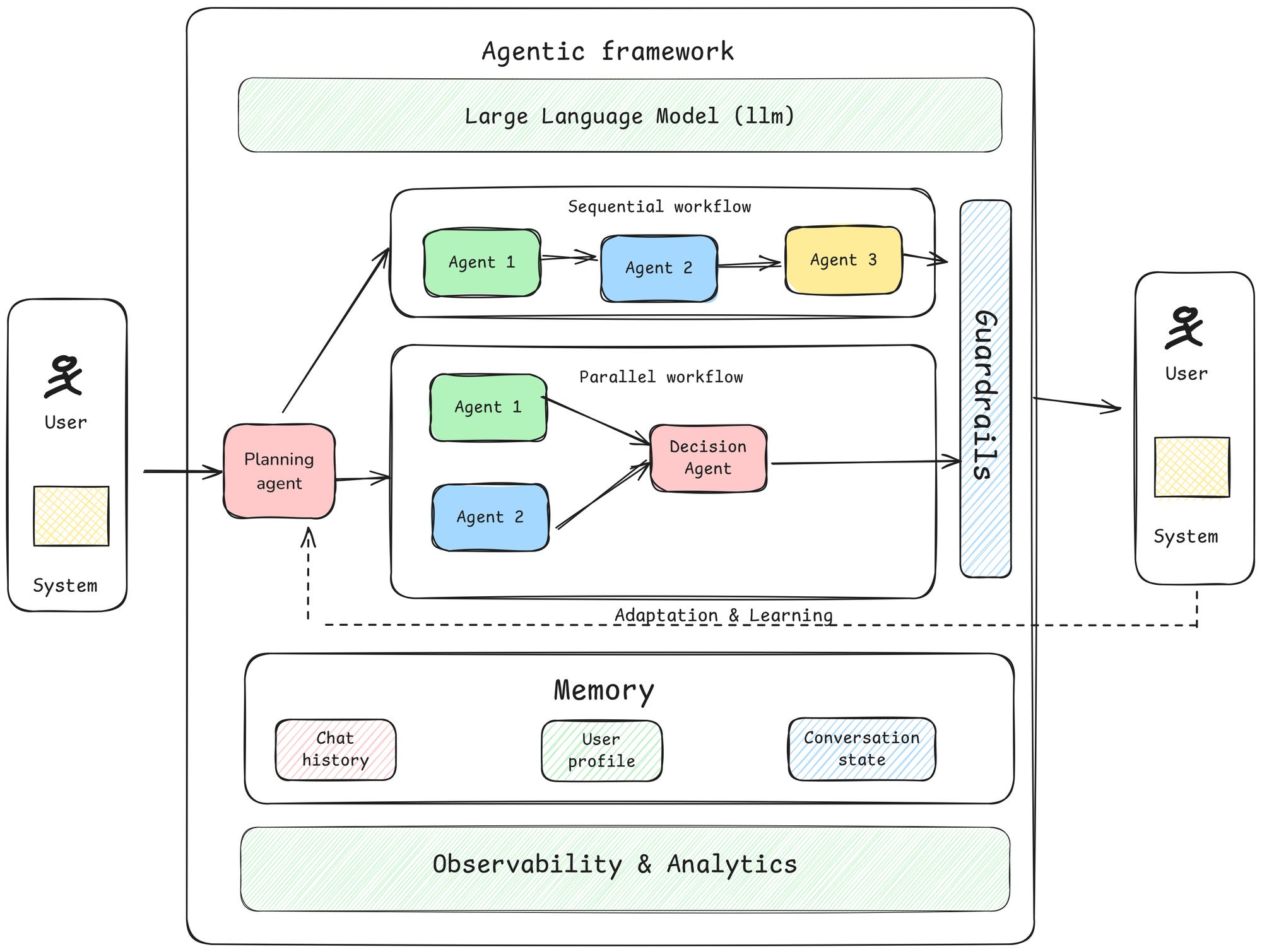
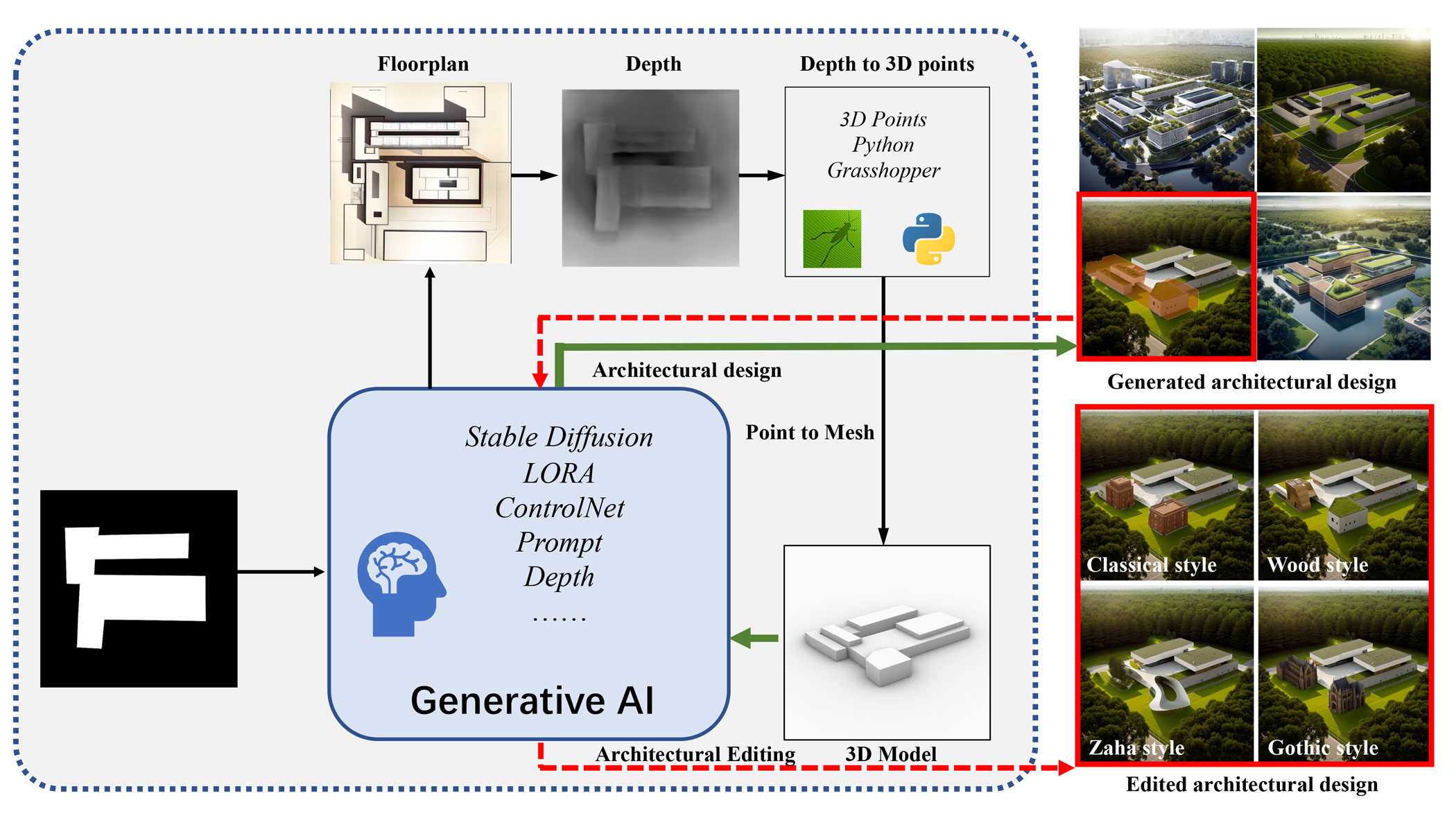
AI architecture refers to the structured framework of hardware, software, data pipelines, and algorithmic models that enable artificial intelligence systems to ingest data, learn patterns, and execute decisions at scale. Designing these systems requires deliberate alignment between computational resources, machine learning models, and application logic to ensure high performance, security, and scalability.
Foundations of Modern AI Systems
Building a resilient artificial intelligence solution begins with a deep understanding of its foundational layers. These systems deviate significantly from traditional software engineering paradigms because they are data-centric and probabilistic rather than strictly deterministic. At the bedrock of any modern deployment lies the infrastructure layer, which manages the massive compute requirements dictated by deep learning and large-scale data processing.
The evolution of artificial intelligence frameworks has shifted focus from simple script-based models to comprehensive enterprise pipelines. An enterprise-grade design must accommodate heterogeneous computing environments, blending central processing units for orchestration with graphics processing units and tensor processing units for parallel model training and inference. Furthermore, storage infrastructure must provide high input/output operations per second to prevent data starvation during training epochs.
Data ingestion and management represent the next critical pillar. Before an algorithmic model can extract insights, raw data must be collected from disparate sources, cleaned, transformed, and indexed. This pipeline relies heavily on distributed processing frameworks and object storage repositories. Without a disciplined data foundation, even the most sophisticated model architecture will yield unreliable or biased outputs, underlining the adage that system quality is bounded by data quality.
Core Components of AI System Design
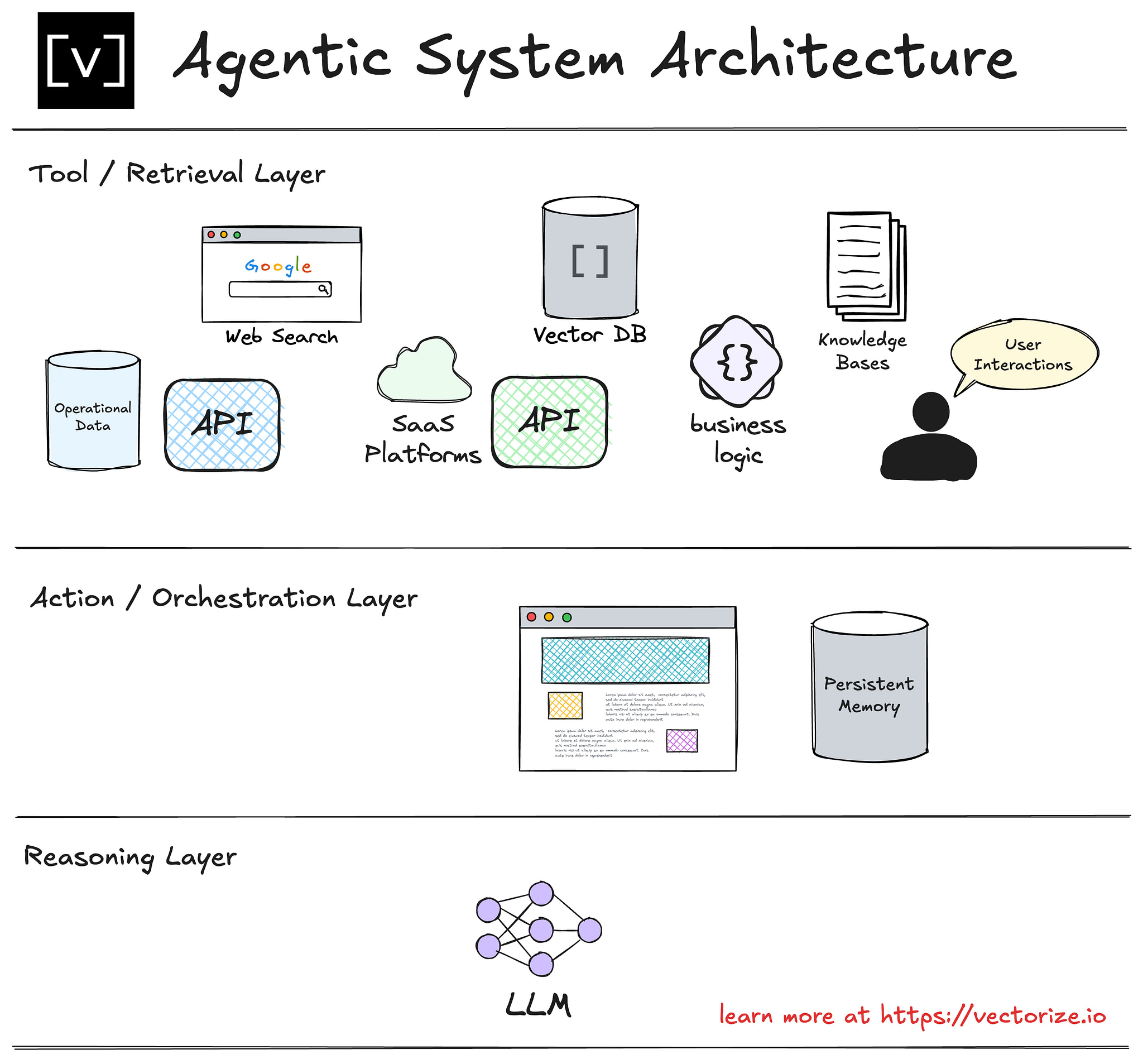
Every comprehensive design blueprint divides into distinct functional blocks that interact dynamically. Understanding these components clarifies how raw inputs translate into intelligent actions. The primary elements include the data ingestion engine, the feature store, the model training and tuning pipeline, the inference engine, and the application integration layer.
- Application Integration Layer
- Inference Engine
- Model Training & Tuning Pipeline
- Feature Store
- Data Ingestion & Pipeline
The feature store serves as a centralized repository that maintains curated features for both training and real-time inference. This component eliminates feature duplication across engineering teams and ensures consistency between offline historical training data and online production data. The model training tier handles hyperparameter optimization, neural network weight updates, and validation protocols, leveraging orchestration tools to automate lifecycle management.
Once models are trained, the inference engine takes over to process live queries. This tier can operate in two primary modes: batch inference, which processes accumulated data at scheduled intervals, and real-time inference, which requires sub-millisecond response latencies. The choice between these modes dictates hardware provisioning, caching strategies, and load balancing configurations across the deployment cluster.
Comparative Overview of Infrastructure Paradigms
Selecting the appropriate deployment paradigm depends on organizational scale, latency tolerances, regulatory constraints, and budget limitations. The table below outlines the primary infrastructure choices utilized in contemporary intelligent systems design.
| Paradigm | Primary Advantage | Operational Limitation | Ideal Use Case |
|---|---|---|---|
| Cloud-Native Managed | Rapid provisioning, auto-scaling, minimal hardware maintenance | Higher long-term running costs, vendor lock-in | Fast-growing startups, dynamic workloads, agile prototyping |
| On-Premises Dedicated | Absolute data sovereignty, predictable fixed costs, custom hardware tuning | High capital expenditure, specialized maintenance staffing | Financial institutions, healthcare providers with strict compliance |
| Hybrid Cloud | Flexibility to balance sensitive data locally with elastic burst compute | Complex network topology, latency management across boundaries | Enterprise organizations with mixed data governance policies |
| Edge Computing | Ultra-low latency, autonomous operation without constant connectivity | Limited compute power, complex firmware update cycles | Autonomous vehicles, industrial Internet of Things devices |
Designing for Scalability, Security, and Observability
As artificial intelligence systems transition from experimental prototypes to mission-critical production environments, non-functional requirements dictate long-term viability. Scalability in this domain means not only handling increased user traffic but also managing exponential growth in model parameters and training dataset dimensions. Horizontal scaling strategies, containerized microservices orchestration, and model parallelism are standard practices used to distribute computational loads effectively.
Security requires a multi-layered defensive strategy tailored to the vulnerabilities unique to machine learning. Adversarial attacks can manipulate inputs to deceive classification models, while data poisoning exploits vulnerabilities in the training pipeline to inject biases or backdoor behaviors. Implementing strict access controls, secure enclaves, and cryptographic verification of datasets helps safeguard the integrity of the ecosystem.
Observability goes beyond traditional application performance monitoring. Because models can degrade silently over time due to data drift or concept drift, specialized monitoring frameworks must track statistical properties of incoming data, prediction distributions, and resource consumption metrics. Automated alerts trigger retraining pipelines when performance degradation crosses predefined statistical thresholds, maintaining operational reliability without manual intervention.
What Are the Common Pitfalls in System Design?
Ignoring Data Drift and Model Degradation
Models often fail silently in production because real-world data distributions evolve away from the training distribution. Without continuous monitoring and automated retraining protocols, system accuracy deteriorates over time, leading to faulty business decisions or degraded user experiences.
Over-Provisioning Compute Resources
Misjudging compute requirements can lead to prohibitive cloud infrastructure bills. Developers frequently deploy oversized GPU clusters for inference workloads that could run efficiently on optimized CPU instances or smaller specialized accelerators, straining budgets unnecessarily.
Neglecting Data Governance and Lineage
Failing to track data provenance makes it difficult to reproduce training runs, debug model errors, or comply with regulatory mandates such as data privacy laws. Establishing clear lineage ensures transparency across the entire lifecycle of the model.
Coupling Monolithic Application Code with Machine Learning Models
Hardcoding model calls directly into monolithic application codebases creates maintenance bottlenecks. Decoupling models behind standardized application programming interfaces allows data science teams to update model weights and architectures independently of software release cycles.
How Can Organizations Implement Robust Validation Protocols?
Validating an intelligent system requires going beyond traditional software unit testing to include rigorous statistical evaluations, bias audits, and stress testing under adversarial conditions. Organizations should establish a multi-stage validation pipeline that assesses generalization capabilities on held-out test datasets that reflect realistic operational variance.
Cross-validation techniques, sensitivity analyses, and shadow deployments—where the model runs in parallel with existing systems without influencing live outcomes—provide safe environments to verify behavior before full deployment. Additionally, domain-specific evaluation metrics must be chosen carefully to reflect true operational success rather than relying solely on generalized statistical scores.
Optimizing Future Operations and Next Actions
Deploying a resilient system requires an ongoing commitment to iterative refinement, rigorous testing, and cross-functional collaboration between data scientists, software engineers, and domain experts. To operationalize these principles successfully, begin by conducting a comprehensive audit of current data pipelines and identifying potential bottlenecks in model deployment and monitoring. Establish clear performance baselines, invest in centralized feature stores, and implement automated validation frameworks to ensure your intelligent systems remain secure, scalable, and accurate over time.