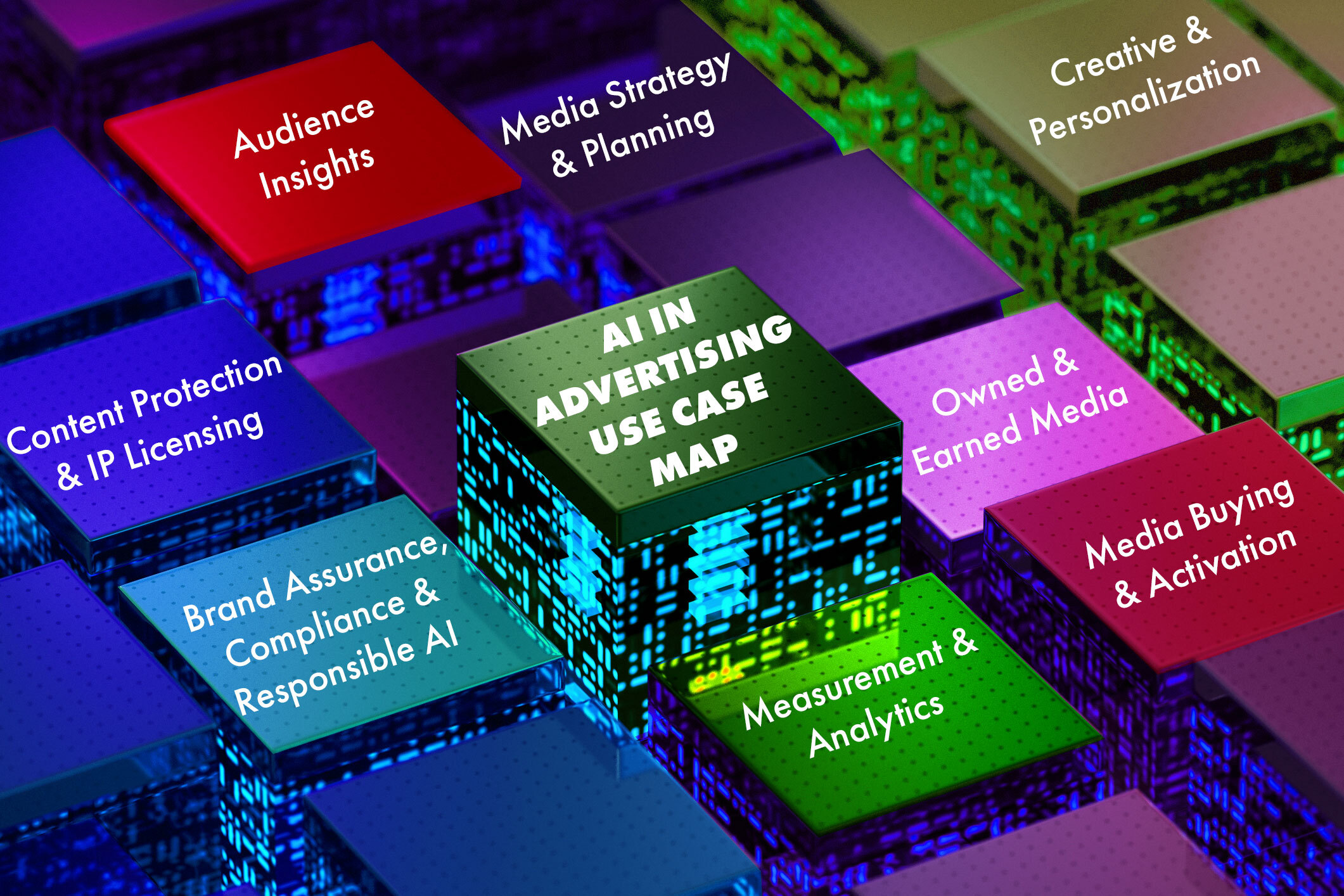
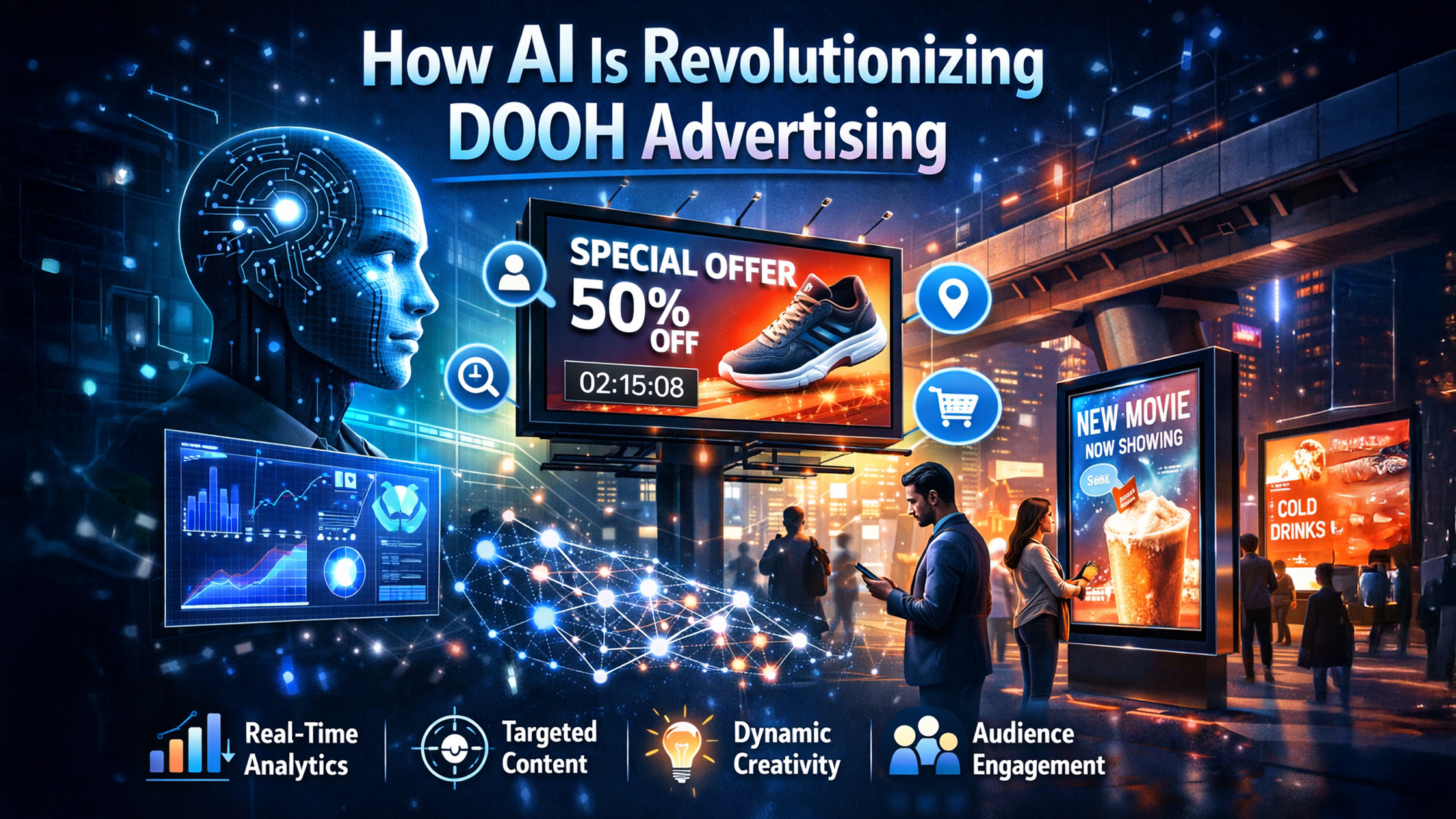
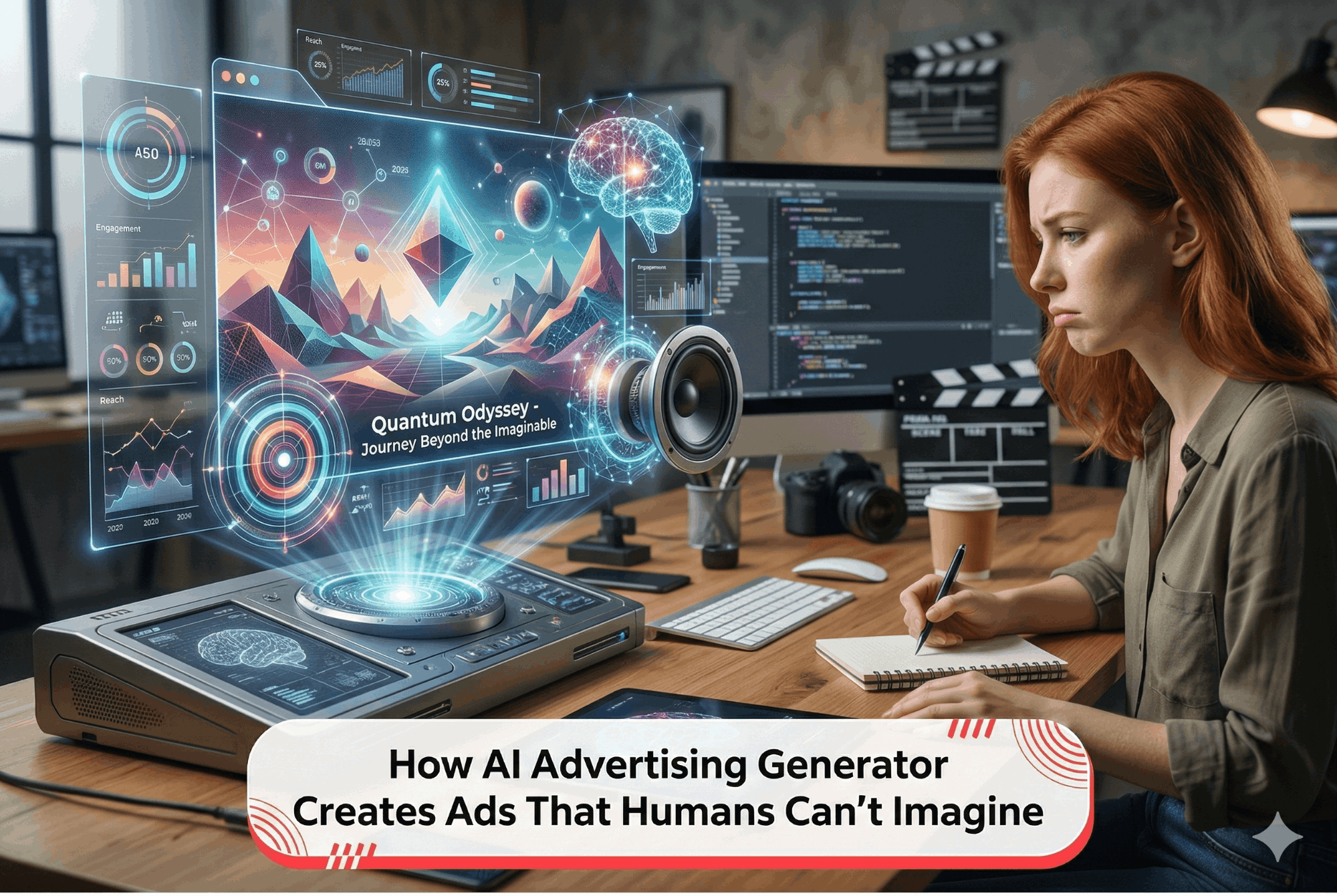
Artificial intelligence in advertising encompasses the machine learning models, natural language processing algorithms, and predictive analytics systems used to automate, optimize, and personalize marketing campaigns across digital and traditional channels. By processing vast datasets at unprecedented speeds, these technologies reshape how brands identify target audiences, allocate budgets, and generate creative assets.
Core Technologies Driving Modern Advertising Systems
The architecture of modern advertising relies on several core artificial intelligence subsets. Machine learning models analyze historical campaign performance to predict future user behaviors, enabling automated systems to adjust bids in real-time programmatic auctions. Natural language processing evaluates consumer sentiment across social media platforms, reviews, and search queries, giving advertisers immediate qualitative feedback on brand perception.
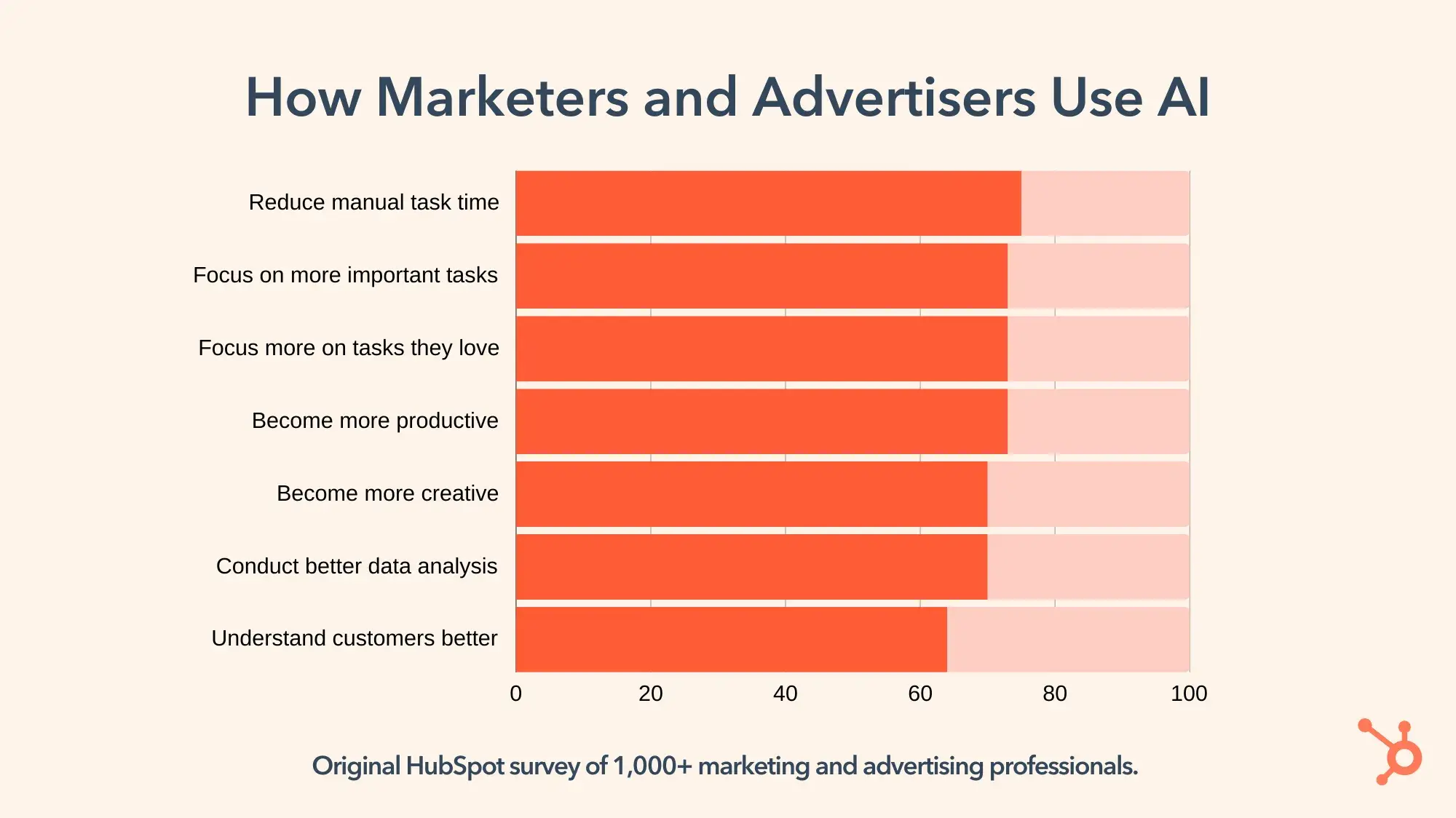
Computer vision technologies scan visual assets to categorize imagery, ensure brand safety, and predict which creative elements will resonate with specific demographic segments. Meanwhile, generative artificial intelligence tools assist media teams in producing text, imagery, and video variants at scale. These underlying technologies eliminate manual bottlenecks, allowing marketing professionals to shift focus from operational execution to high-level strategic planning and audience insights.
Programmatic Media Buying and Real-Time Optimization
Programmatic advertising has evolved from simple rule-based automated bidding into sophisticated, predictive ecosystem management. Artificial intelligence algorithms evaluate millions of data points within milliseconds during programmatic auctions, determining the precise value of an ad impression based on user context, historical conversion rates, and campaign objectives.
- Data Ingestion
- User context
- Historical conversions
- Predictive Evaluation
- Real-time bidding (RTB)
- Conversion probability
- Automated Execution
- Dynamic budget shifting
- Placement optimization
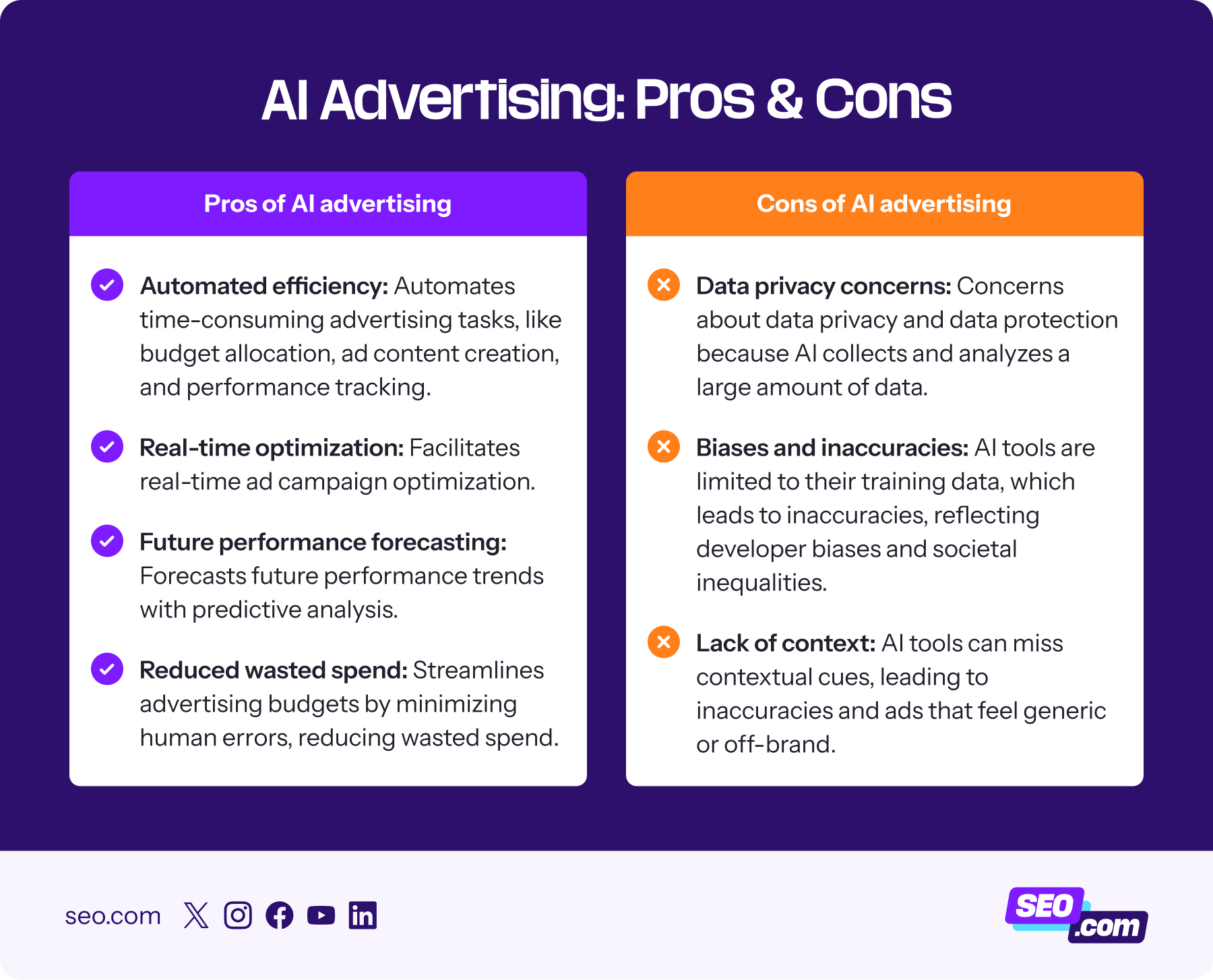
Rather than locking budgets into static placements, AI-driven platforms dynamically shift capital toward high-performing channels, publishers, and audience segments. This dynamic allocation reduces wasted ad spend and improves return on ad spend (ROAS). Furthermore, predictive pacing algorithms ensure that campaign budgets are distributed evenly throughout a campaign lifecycle, preventing early budget depletion during sudden spikes in user traffic.
Personalization, Audience Segmentation, and Zero-Party Data
Traditional demographic targeting often results in broad, inefficient audience buckets. Artificial intelligence enhances audience segmentation by uncovering non-obvious behavioral patterns within first-party and zero-party datasets. Machine learning clusters users based on micro-behaviors, purchase intent signals, and contextual triggers rather than static age or location metrics.
| Segmentation Approach | Data Sources | Primary Advantage | Operational Limitation |
|---|---|---|---|
| Demographic | Age, gender, location, income | Simple to implement and scale | High waste; low behavioral accuracy |
| Behavioral AI | Clickstreams, dwell time, purchase history | High precision and intent alignment | Requires robust data infrastructure |
| Contextual AI | Page semantics, sentiment analysis, keywords | Privacy-compliant; cookie independent | Sensitive to publisher content shifts |
As third-party cookies phase out across major browsers, contextual AI has regained prominence. Advanced natural language processing models evaluate the exact sentiment and subject matter of a webpage, placing relevant advertisements in brand-safe environments without requiring user tracking identifiers. This balances effective personalization with evolving consumer privacy expectations and regulatory frameworks.
Creative Generation and Dynamic Content Optimization
Generative artificial intelligence has transformed ad creative production from a linear, resource-intensive process into an agile, multi-variant workflow. Advertisers can input core product attributes, brand guidelines, and target audience parameters to generate hundreds of localized ad variations simultaneously.
Dynamic Creative Optimization (DCO) systems then assemble these modular assets in real-time, tailoring headlines, imagery, and calls-to-action to match the specific profile of the individual viewing the ad. For example, an e-commerce retailer might display a winter coat against a snowy backdrop to a user in Chicago, while showing the same coat with an urban lifestyle background to a user in New York. Continuous multivariant testing ensures that the highest-performing creative combinations receive the majority of impressions.
Measurement, Attribution, and Predictive Analytics
Accurately attributing conversions across fragmented customer journeys remains a persistent challenge for advertisers. Artificial intelligence addresses this complexity through machine learning-based marketing mix modeling (MMM) and multi-touch attribution (MTA) systems. These tools untangle the overlapping impact of social media impressions, search clicks, and display ads.
Predictive analytics also allow brands to forecast campaign outcomes before capital is committed. By simulating various market conditions, seasonal trends, and creative strategies, media planners can stress-test campaigns and optimize resource allocation proactively. This reduces reliance on lagging indicators and enables agile mid-campaign pivots.
Operational Challenges, Ethical Considerations, and Brand Safety
Despite its operational efficiencies, deploying artificial intelligence in advertising introduces notable risks. Algorithmic bias can lead models to inadvertently exclude specific demographic groups or reinforce harmful stereotypes in creative output. Advertisers must implement rigorous human-in-the-loop oversight to audit training data and model outputs continuously.
Brand safety remains another critical concern. Automated placement systems can occasionally misinterpret web page context, placing premium brand advertisements next to inflammatory or inappropriate content. To mitigate these risks, agencies deploy multilayered verification tools that combine AI-driven semantic analysis with human blocklists, protecting brand equity in complex programmatic ecosystems.
Frequently Asked Questions
How does artificial intelligence improve programmatic bidding?
Artificial intelligence improves programmatic bidding by processing historical user data and real-time contextual signals within milliseconds. This allows algorithms to predict the exact conversion probability of a single ad impression and adjust bid amounts dynamically to maximize return on ad spend.
Is AI replacing human copywriters and designers in advertising?
Artificial intelligence is not replacing human creative professionals; rather, it functions as a force multiplier. While AI excels at scaling content variants, executing programmatic adjustments, and handling repetitive tasks, human strategists remain essential for brand vision, emotional resonance, and ethical oversight.
What is contextual AI advertising in the post-cookie era?
Contextual AI advertising uses natural language processing to analyze the sentiment, topics, and semantics of digital content in real time. This enables brands to place highly relevant ads next to appropriate content without relying on third-party user tracking cookies.
What are the main risks of using AI in advertising campaigns?
The primary risks include algorithmic bias in audience targeting, unintended brand safety violations through misclassified placements, and potential data privacy compliance issues when handling sensitive consumer information.
Next Steps for Integrating AI into Your Advertising Strategy
Begin your organization's AI adoption by auditing existing data pipelines to ensure first-party data is clean, structured, and accessible. Pilot artificial intelligence tools within a controlled campaign subset—such as dynamic creative optimization or automated bid management—before scaling across all channels. Establish clear cross-functional guidelines involving marketing, legal, and data science teams to monitor model performance, maintain brand safety, and ensure ongoing regulatory compliance.