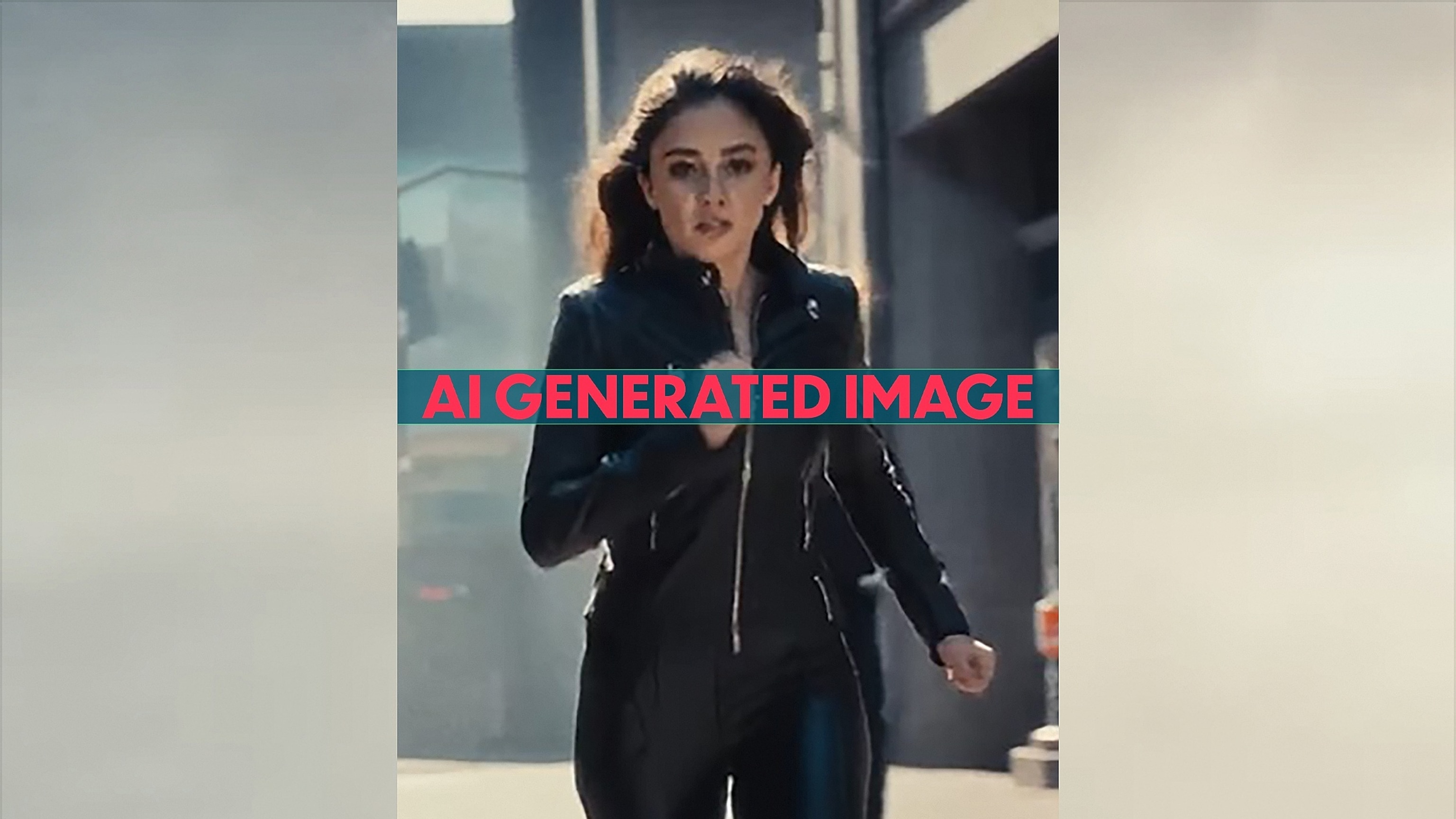
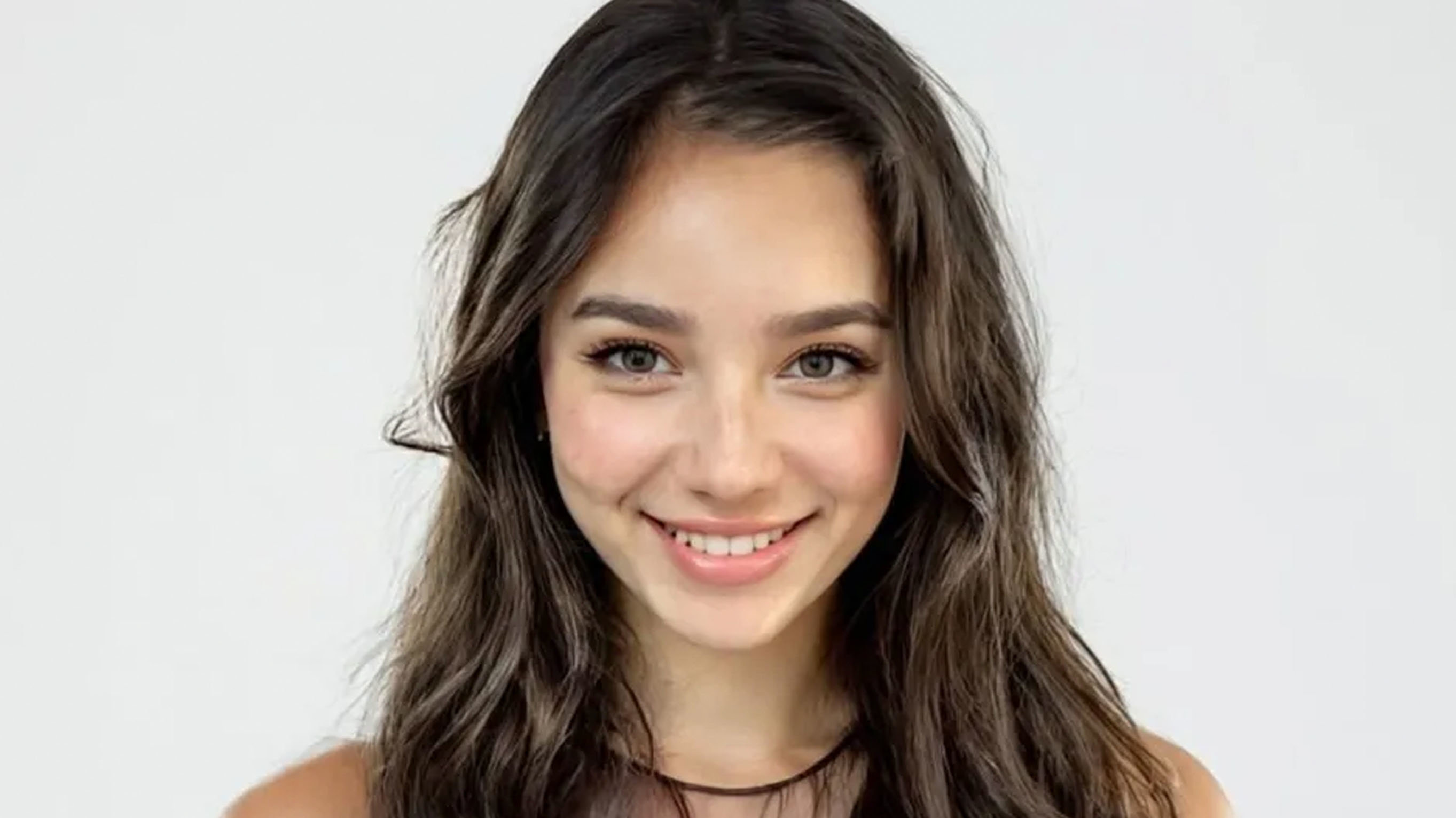
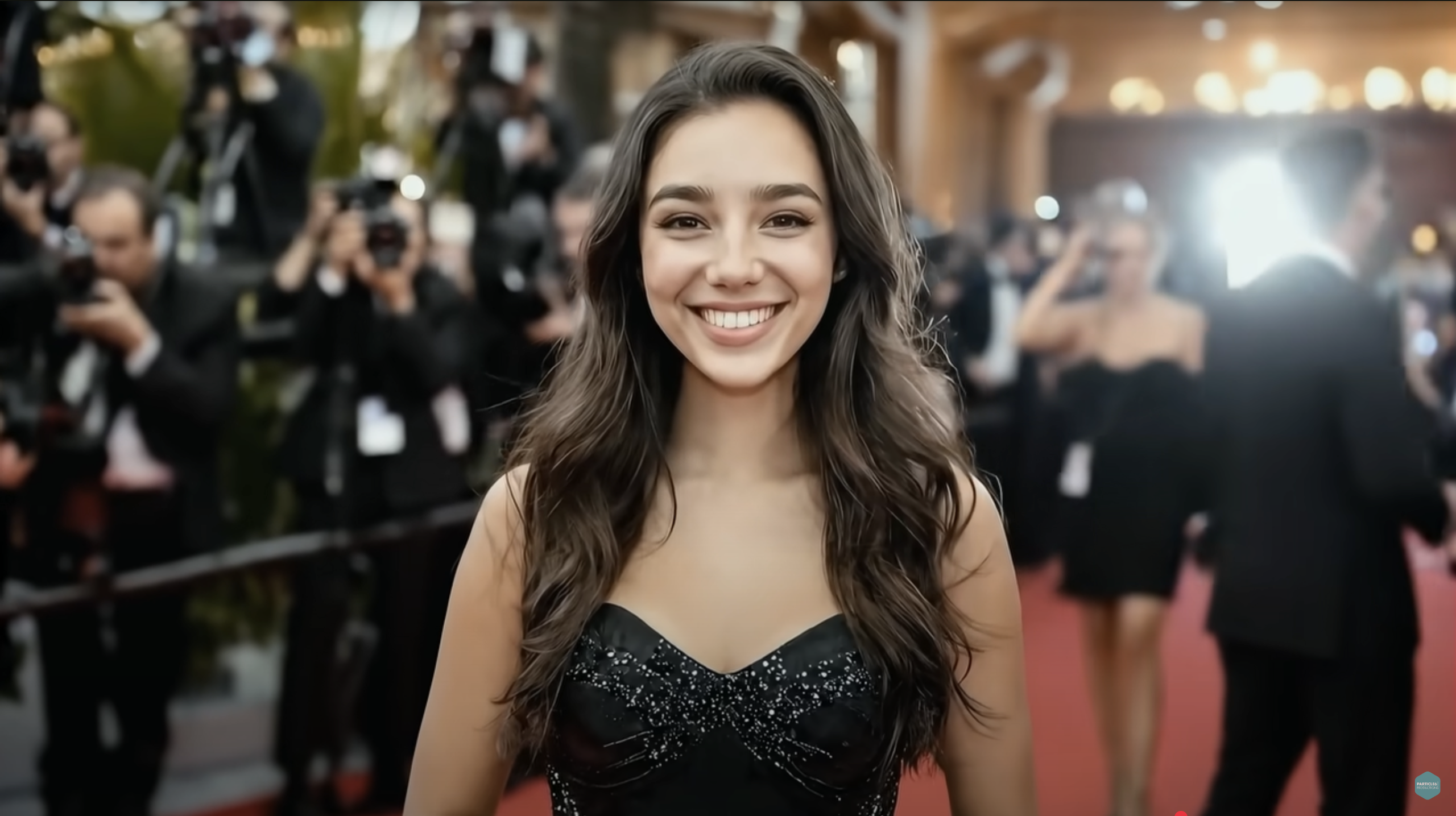
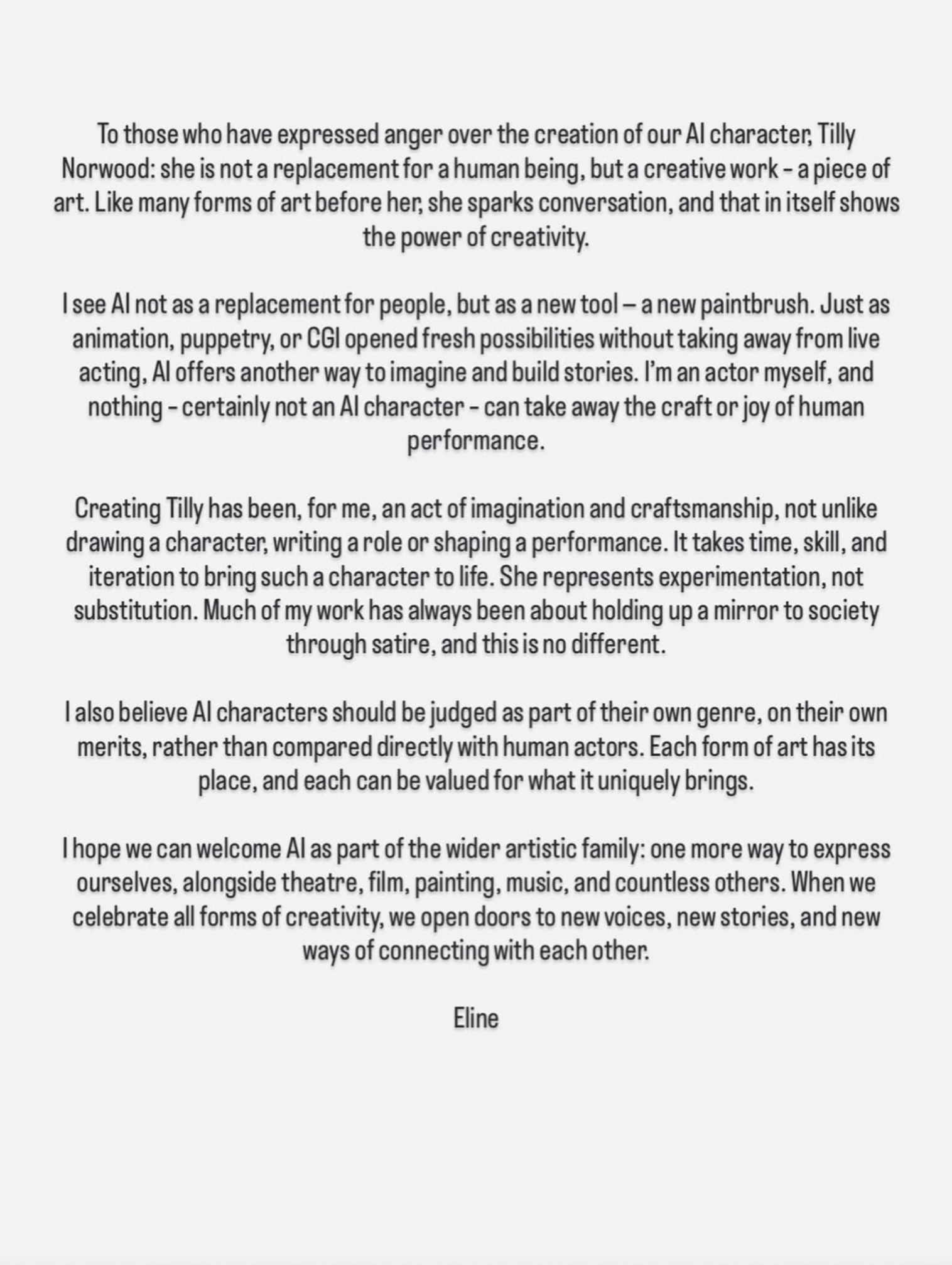
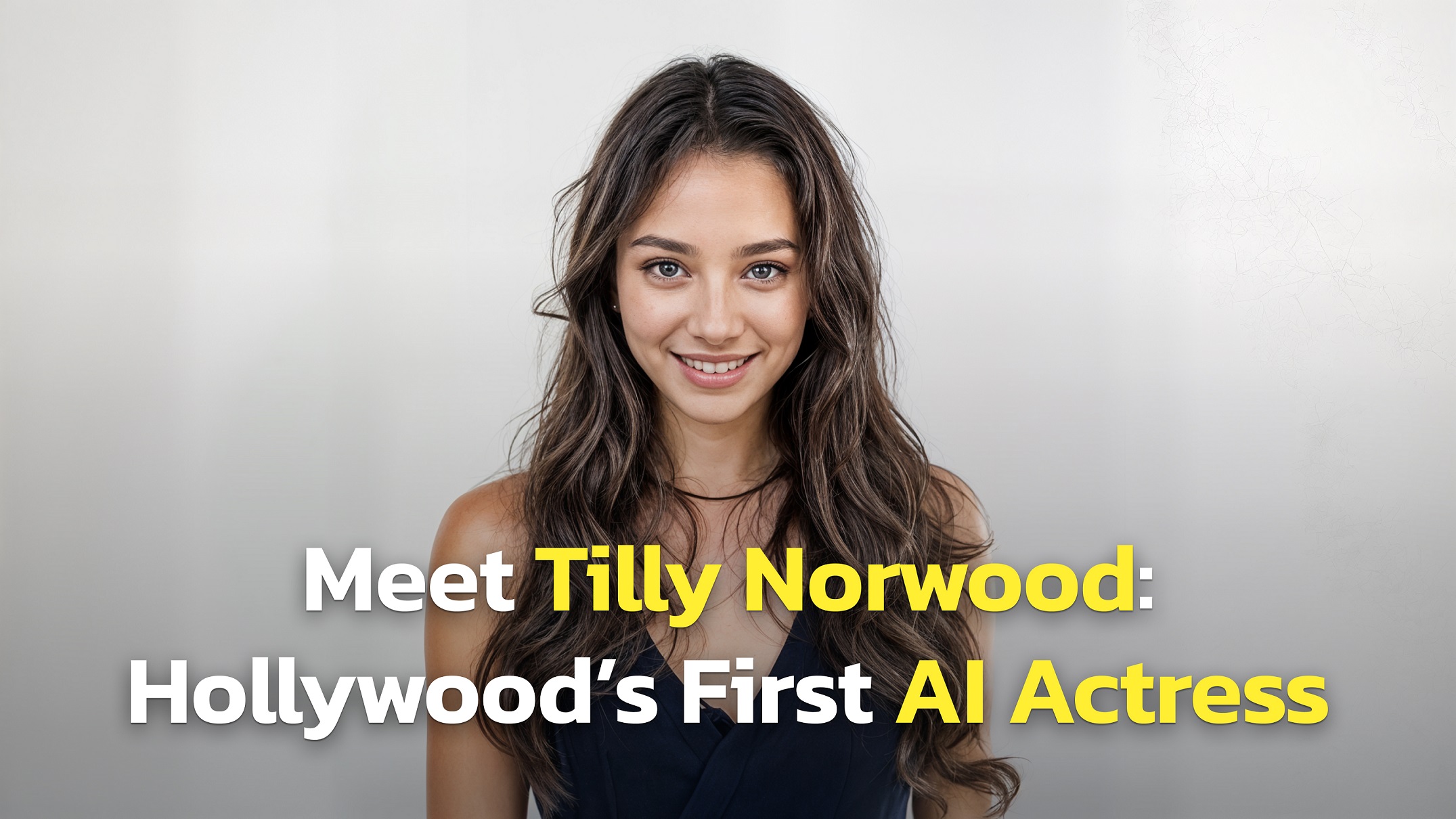
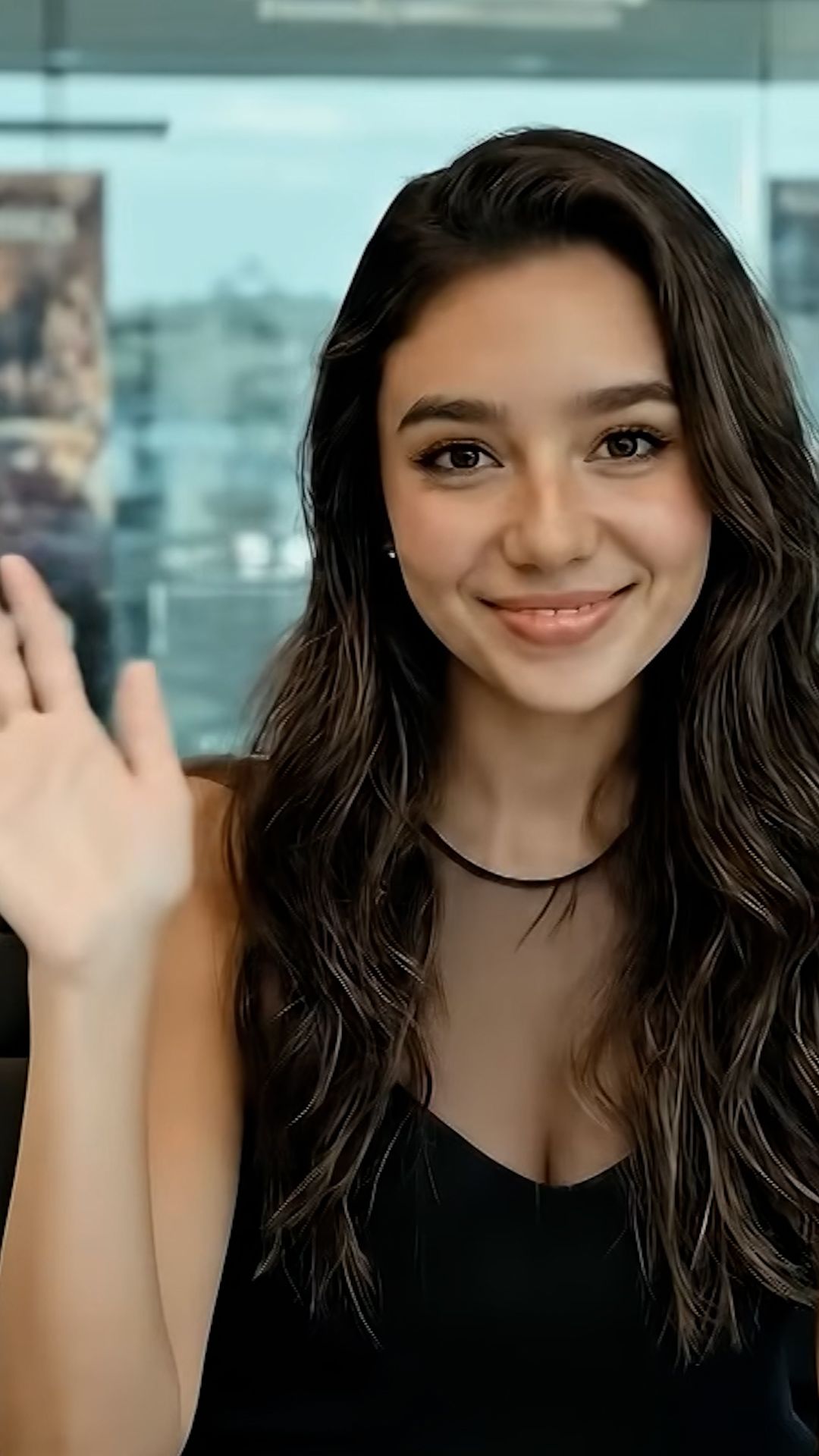
An AI actress is a synthetically generated digital human character powered by artificial intelligence, machine learning, and computer graphics, capable of performing roles in film, advertising, and digital media. These virtual performers utilize neural rendering, text-to-speech synthesis, and motion capture data to simulate realistic human appearance, facial expressions, and vocal delivery without requiring a physical human actor on set.
Understanding the Technology Behind Synthetic Performers
The development of an artificial intelligence performer relies on a convergence of advanced computational pipelines, primarily deep learning, generative adversarial networks (GANs), and high-resolution 3D facial rigging. Rather than depending entirely on traditional computer-generated imagery (CGI), which demands extensive manual keyframing by animators, modern synthetic actors are trained on vast datasets of human performance. Machine learning models analyze thousands of micro-expressions, lighting interactions, and vocal tonalities to construct a persistent digital avatar that can be manipulated across different scripts and directorial instructions.
At the core of this technology is the decoupling of performance data from a physical body. Voice cloning algorithms can replicate human vocal tracts, accents, and emotional inflections from short audio samples, while neural radiance fields (NeRFs) and Gaussian splatting render realistic skin textures, hair movement, and ocular reflections in real time. This technical leap allows creators to generate consistent character continuity across multiple scenes, adjusting age, emotional state, or physical appearance through parameter adjustments rather than costly makeup or re-shoots.
Production Workflows: How Virtual Talent Integrates into Media
Integrating a synthetic performer into a commercial or cinematic workflow requires specialized technical infrastructure that differs significantly from traditional live-action production. The process typically begins with asset generation, where artists define the character’s biometric profile, facial bone structure, and default styling. Once the digital model is established, directors use script-driven interfaces or performance capture systems—such as markerless computer vision tracking—to animate the character.
Voice generation runs parallel to visual rendering. Sound designers input dialogue text into speech synthesis engines, adjusting pitch, pacing, and emphasis parameters to match the dramatic context. Compositing teams then blend the rendered AI actress into virtual or live-action backgrounds, matching focal lengths, color grading, and ambient lighting to ensure the digital asset anchors believably within the frame.
| Production Phase | Traditional Human Actor | AI Actress Workflow |
|---|---|---|
| Casting & Auditioning | In-person or self-tape auditions; availability scheduling | Selecting predefined digital avatars or training custom models |
| Principal Photography | Set construction, lighting crews, actors, wardrobe, and makeup | Data input, script processing, rendering farms, and post-production compositing |
| Voice Recording | Sound stages, microphones, retakes for inflection and clarity | Text-to-speech synthesis, parametric voice tuning, and audio cloning |
| Reshoots & Edits | Re-booking the physical talent, crew, and location for pickup shots | Modifying script parameters, regenerating frames, and adjusting temporal alignment |
Commercial Applications in Advertising and Entertainment
The adoption of synthetic talent is most pronounced in commercial advertising, corporate training videos, and localized marketing campaigns. Brands leverage artificial intelligence performers to bypass logistical hurdles such as travel schedules, language barriers, and talent availability. For global campaigns, a single digital character can be deployed across dozens of localized markets, with neural translation models adapting both the voice and lip-movements to match native languages with high phonetic accuracy.
In the entertainment sector, the application is more nuanced. While full-length feature films starring entirely synthetic lead actors remain rare, background actors, digital stunt doubles, and de-aged iterations of living performers are standard practice. Studios utilize these tools to extend the working lives of established actors, manage insurance risks associated with hazardous stunts, or resurrect historical figures for biographical documentaries under strict licensing agreements.
Legal, Ethical, and Copyright Considerations
The proliferation of synthetic media has introduced complex legal and ethical challenges regarding likeness rights, copyright ownership, and labor protections. Unlike traditional CGI characters invented entirely from imagination, an AI actress is frequently modeled on the biometric data, facial scans, or voice recordings of living or deceased human artists. This dynamic has sparked intense regulatory debates and union negotiations concerning consent, compensation, and the right of publicity.
- Consent and Biometric Licensing: Performers must legally authorize the capture and utilization of their digital likeness, specifying the exact types of media, duration, and platforms where the synthetic clone may appear.
- Residuals and Compensation: Industry guilds, such as SAG-AFTRA, actively negotiate protective frameworks to ensure human actors receive fair compensation when their digital replicas are deployed in lieu of physical labor.
- Copyright Attribution: Intellectual property laws struggle to define authorship when a machine learning model generates the final performance based on prompts rather than direct human execution.
Limitations, Technical Bottlenecks, and Uncanny Valley Challenges
Despite rapid technological advancements, synthetic performers encounter significant operational limitations that restrict their deployment in prestige narrative cinema. The primary hurdle is the "uncanny valley"—a psychological phenomenon where synthetic replicas that closely resemble humans elicit feelings of unease or revulsion in viewers due to subtle imperfections in blinking, micro-expressions, or eye tracking.
Furthermore, rendering high-fidelity digital humans requires immense computational power and rendering time, making real-time interactive performances difficult outside controlled environments. Subsurface scattering—the way light penetrates human skin—remains notoriously difficult to simulate perfectly under dynamic, changing lighting conditions. Additionally, capturing deep emotional nuance and spontaneous improvisation, which rely on the lived experiences of human actors, continues to be a formidable barrier for algorithmic generation engines.
Future Outlook for Synthetic Performers in Media Production
The trajectory of synthetic human technology indicates a shift toward democratization, where independent creators gain access to tools previously restricted to major visual effects studios. As consumer-grade hardware and cloud-based rendering platforms improve, generating a custom AI actress will become faster and more cost-effective. However, human oversight, directorial vision, and raw emotional authenticity will remain irreplaceable components of storytelling. Rather than entirely replacing human talent, synthetic performers are positioned to serve as an expansion of the visual effects toolkit, handling repetitive, localized, or high-risk tasks within the modern media landscape.