American Horror Story: Murder House introduced audiences to a terrifying yet seductive world of restless spirits, tragic pasts, and psychological torment, brought to life by a stellar ensemble cast. This comprehensive guide breaks down the core characters, the talented actors who portrayed them, and the intricate web of horrors that made the inaugural season of Ryan Murphy and Brad Falchuk's anthology series a cultural phenomenon.
Understanding the Ensemble of the First Season
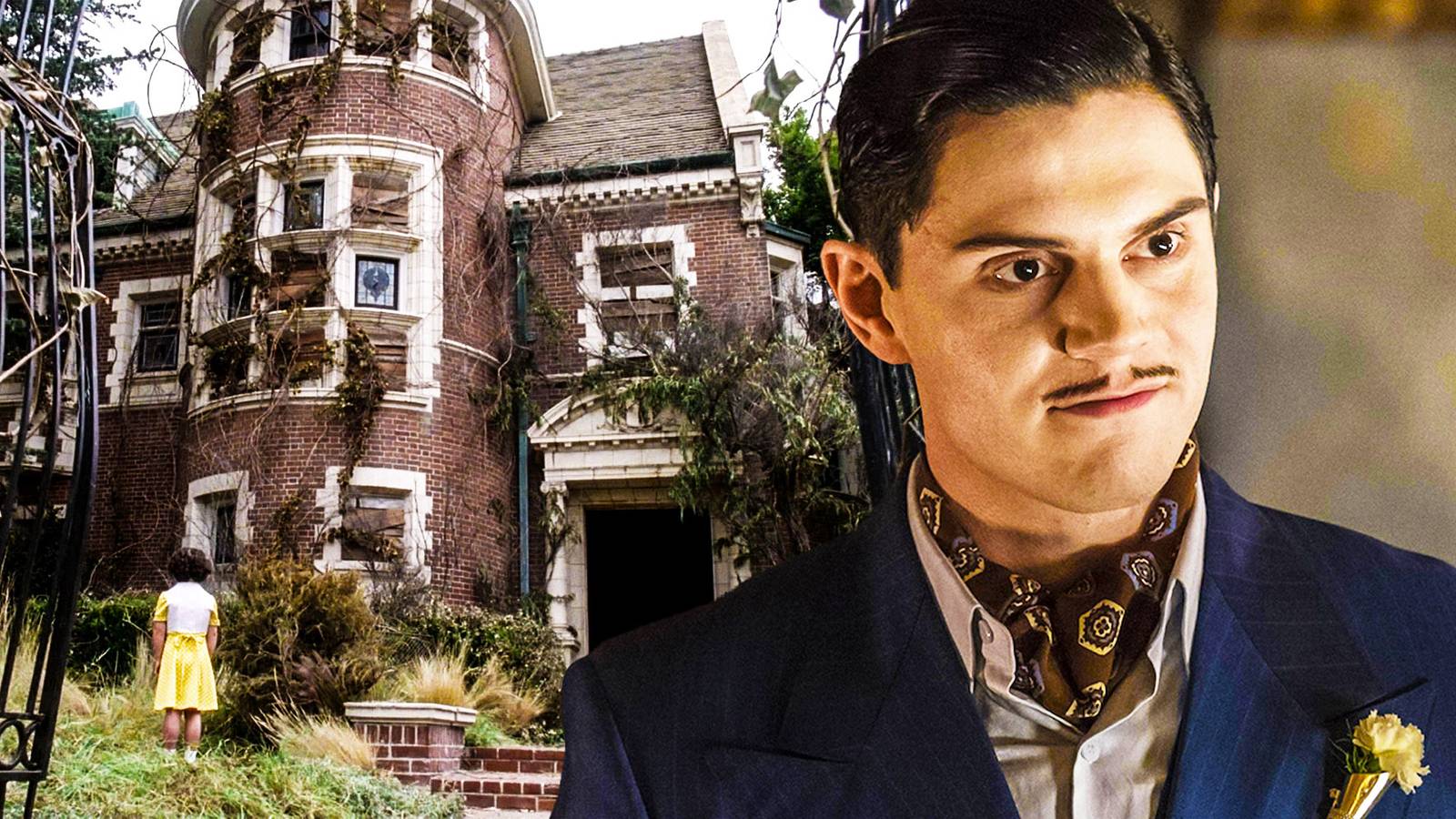
The success of American Horror Story: Murder House relied heavily on a tight-knit ensemble cast portraying characters whose lives became permanently intertwined with a gothic revival mansion in Los Angeles. The narrative follows the Harmon family—Ben, Vivien, and their daughter Violet—as they attempt to rebuild their fractured lives after a series of personal crises. Unbeknownst to them, the house functions as a purgatory for everyone who has ever died on its grounds.
Unlike traditional horror formats where characters are picked off one by one and forgotten, the deceased individuals in the Murder House remain active participants in the unfolding drama. This unique structural choice allowed the writers to explore complex psychological themes, domestic trauma, and generational curses. The brilliance of the casting lies in the deliberate blurring of lines between the living and the dead, forcing both the characters and the viewers to question who poses the greater threat: the supernatural entities lurking in the shadows or the living humans trapped inside the walls.
The Harmon Family Dynamics
At the center of the narrative are the Harmons, whose relocation from Boston to Los Angeles serves as the catalyst for the season's harrowing events.
Ben Harmon, portrayed by Dylan McDermott, is a psychiatrist seeking a fresh start after an affair with one of his students nearly destroys his marriage. Professional arrogance and denial characterize Ben's early arc, as he attempts to establish a home practice while remaining oblivious to the paranormal history of the estate. McDermott captures the character's descent from a well-meaning patriarch into a man paralyzed by guilt, manipulation, and supernatural gaslighting.
Vivien Harmon, played by Connie Britton, anchors the emotional core of the season. After suffering a traumatic stillbirth and discovering Ben's infidelity, Vivien agrees to the cross-country move to salvage her family. Britton portrays Vivien with fierce maternal protectiveness and palpable vulnerability. As the season progresses, Vivien's journey shifts from coping with marital betrayal to enduring bizarre medical terrors orchestrated by the house and its inhabitants.
Violet Harmon, brought to life by Taissa Farmiga, represents the classic brooding teenager navigating isolation and severe depression. Violet is uniquely positioned as the skeptic who quickly realizes the house is haunted. Farmiga infuses the role with world-weary cynicism that dissolves into heartbreaking terror when she discovers her own fate. Her romance with the troubled ghost Tate Langdon forms the emotional backbone of the season's younger demographic appeal.
The Langdons and Their Tragic Legacy
No exploration of the Murder House cast is complete without examining the Langdon family, whose deep-seated ties to the property dictate its lethal rules.
Constance Langdon, played with venomous theatricality by Jessica Lange in an Emmy-winning performance, is the quintessential southern belle turned neighborhood eccentric. Constance knows more about the history of the house than anyone else and views the property as her personal domain. Lange portrays Constance as a woman of profound cruelty and bizarre, distorted maternal instincts, particularly regarding her children.
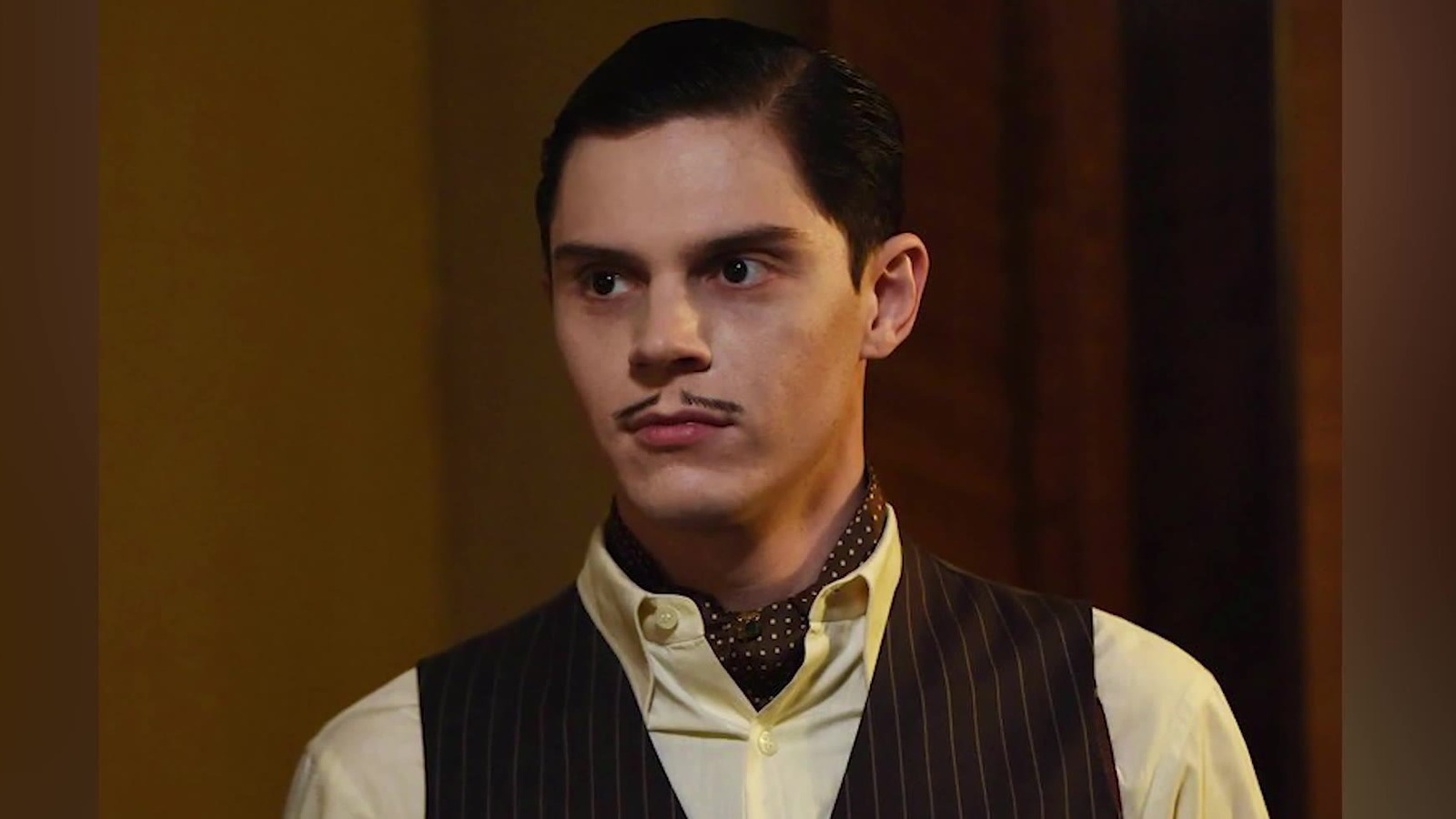
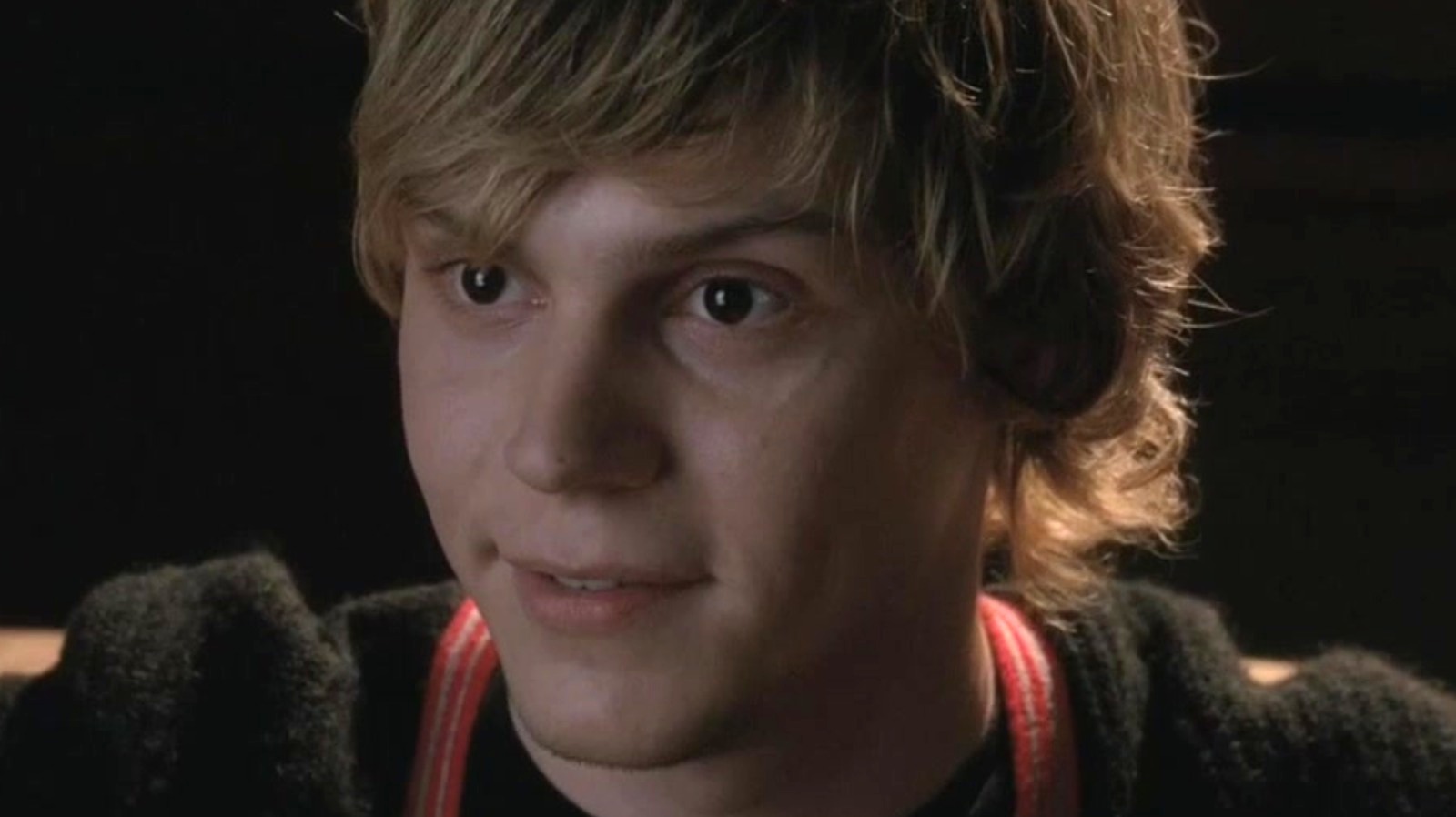
Tate Langdon, portrayed by Evan Peters, remains one of the most polarizing and complex characters in television horror. On the surface, Tate is a sensitive, poetry-loving teenager who forms a deep bond with Violet. Beneath this charming exterior lies a deeply disturbed mass shooter and entity bound to the house. Peters balances Tate's terrifying malice with a desperate, warped vulnerability, making him an unforgettable figure in the horror lexicon.
Adelaide "Addie" Langdon, played by Jamie Brewer, serves as a poignant contrast to her mother and brother. Addie has Down syndrome and possesses a supernatural awareness of the house and the souls trapped within it. Brewer delivers a performance characterized by innocence and emotional intuition, acting as a crucial warning system for the living characters before her tragic demise.
Supporting Residents and Supernatural Entities
The perimeter of the Murder House is crowded with supporting characters who died on the property and are doomed to repeat their past traumas for eternity.
| Character Name | Actor / Actress | Primary Role and Status in the House |
|---|---|---|
| Larry Harvey | Denis O'Hare | A former resident severely disfigured by burns, obsessed with Ben and the house. |
| Moira O'Hara (Older) | Frances Conroy | The ghostly housekeeper perceived as an aging maid by women and a seductress by men. |
| Moira O'Hara (Younger) | Alexandra Breckenridge | The provocative manifestation of the housekeeper seen primarily by male residents. |
| Nora Montgomery | Lily Rabe | The tragic original owner of the house who went mad after her infant son was dismembered. |
| Chad Warwick | Zachary Quinto | A former gay owner of the house murdered by Tate in a Halloween home invasion. |
| Patrick | Teddy Sears | Chad’s partner, also murdered by Tate on Halloween night. |
These supporting figures flesh out the multi-layered history of the house, spanning decades of gruesome murders, psychiatric experiments, and personal failures. Frances Conroy's portrayal of Moira O'Hara, in particular, highlights the gendered perception of the house's victims, while Denis O'Hare's Larry Harvey provides a disturbing look at self-inflicted damnation and obsession.
Character Comparison Matrix
To better understand how the living and deceased interact within the narrative framework of the first season, the following table outlines their alignment, primary motivations, and ultimate fates.
| Character | Classification | Primary Motivation | Ultimate Fate |
|---|---|---|---|
| Ben Harmon | Living (Initially) | Save his marriage and career | Murdered; trapped as a ghost in the house |
| Vivien Harmon | Living (Initially) | Protect her children and heal | Dies in childbirth; trapped as a ghost |
| Violet Harmon | Living (Initially) | Find acceptance and escape depression | Dies of an overdose; realizes she is a ghost |
| Constance Langdon | Living | Maintain control and maternal dominance | Survives; left raising the antichrist child |
| Tate Langdon | Deceased (Ghost) | Win Violet’s love; fulfill his dark urges | Bound eternally to the house |
| Dr. Charles Montgomery | Deceased (Ghost) | Pursue unethical medical practices | Bound eternally to the house |
Frequently Asked Questions
Who are the main characters in American Horror Story Murder House?
The main characters include Ben, Vivien, and Violet Harmon, the family that moves into the haunted Los Angeles mansion, alongside their disturbed neighbor Constance Langdon and her son Tate Langdon, who shapes much of the season's central conflict.
Are the characters in Murder House based on real people?
While the characters are fictional, some elements of the season are loosely inspired by true crime history. For instance, the infamous "Black Dahlia" murder features prominently in the plot, and the fictional mass shooting committed by Tate Langdon shares thematic similarities with real-world tragedies.
What happens to the Harmon family at the end of the season?
Every member of the Harmon family dies by the end of the season. Rather than leaving the property, their spirits remain bound to the Murder House, where they form an unconventional supernatural household alongside their former tormentors.
Why do ghosts cannot leave the Murder House?
According to the internal rules established in the first season of the anthology, anyone who dies on the property becomes bound to it and cannot permanently leave. On Halloween night, however, these spirits are granted temporary freedom to walk the outside world.
Who plays the Rubber Man in Murder House?
The Rubber Man persona is worn by multiple characters throughout the season, including Tate Langdon, Ben Harmon, and Chad Warwick, creating a layer of deception and horror that complicates the psychological dynamics among the residents.
Securing Your Understanding of the Cast
When analyzing the profound impact of American Horror Story: Murder House, the brilliance of the casting department under creators Ryan Murphy and Brad Falchuk cannot be overstated. By pairing seasoned stage and screen actors like Jessica Lange and Frances Conroy with rising stars like Evan Peters and Taissa Farmiga, the production established a repertory company model that defined the subsequent seasons of the franchise. To fully appreciate the narrative complexity of the season, viewers should pay close attention to the subtle background performances of the supporting ghosts, whose cyclical torments mirror the unresolved psychological traumas of the living protagonists.