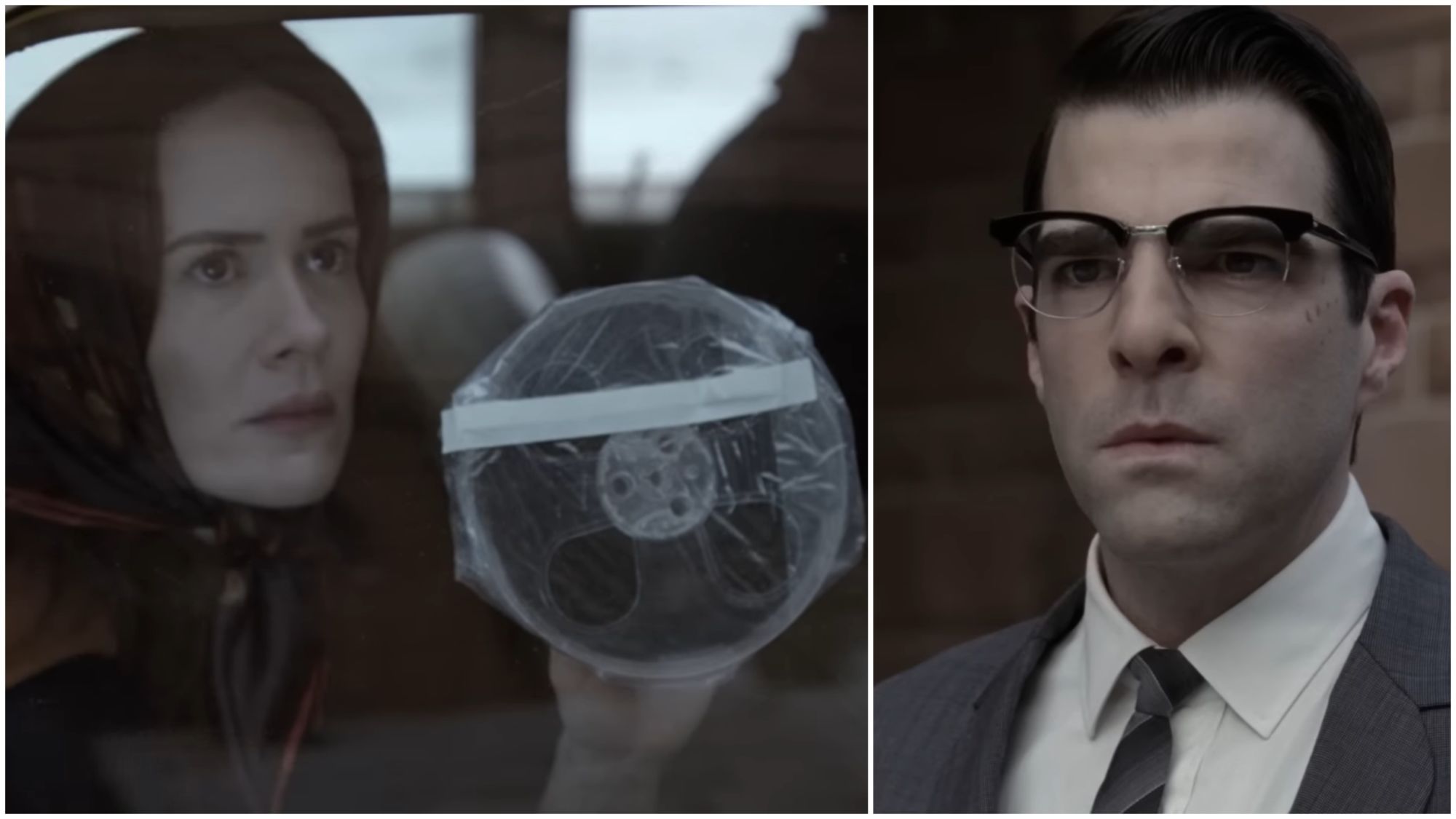
Sarah Paulson’s portrayal of characters in American Horror Story: Hotel encapsulates a unique intersection of high-concept terror and decadent design, transforming dread into a visually arresting aesthetic. Through her multifaceted performances—most notably as the tortured junkie Hypodermic Sally—Paulson anchors the nightmarish opulence of the fictional Cortez Hotel, a setting that redefines horror luxury through Art Deco decay, blood-soaked glamour, and timeless cinematic style.
The Architectural Genesis of Hotel Cortez and Horror Luxury
The visual language of American Horror Story: Hotel relies heavily on the architectural monstrosity of the fictional Hotel Cortez, a structure heavily inspired by the infamous Cecil Hotel in downtown Los Angeles. Conceived by the deranged serial killer James Patrick March in the 1930s, the hotel was meticulously designed as a labyrinthine death trap disguised as a masterpiece of Art Deco and Streamline Moderne architecture. This setting establishes the foundational premise of horror luxury: an environment where exquisite beauty, symmetrical grandeur, and opulent furnishings coexist seamlessly with depravity, entrapment, and eternal damnation.
In the world of prestige television production design, creating this level of horror luxury requires vast practical sets outfitted with authentic period details, custom wrought-iron elevator gates, intricate geometric carpets, and rich jewel-toned velvets. The juxtaposition of glittering chandeliers with hidden murder chutes creates an unsettling sensory experience for the viewer. It forces an appreciation of aesthetic perfection while simultaneously signaling moral and physical decay. This design philosophy influences how characters interact with their environment, turning every opulent hallway and gilded suite into a psychological cage.
Sarah Paulson as Hypodermic Sally and the Decadent Underbelly
Within this gilded cage, Sarah Paulson delivers a raw, haunting performance as Hypodermic Sally, a ghost bound to the Cortez since her murder on New Year's Eve in 1994. Sally represents the literal and figurative rot beneath the polished surface of the hotel's luxury. Adorned in distressed grunge fashion, smudged eyeliner, and blood-matted hair, her physical appearance sharply contrasts with the pristine, high-fashion wardrobe of the hotel's owner, The Countess, played by Lady Gaga. Yet, Sally remains an integral component of the hotel's dark aesthetic, embodying the tragic cost of pursuing ephemeral pleasures within a timeless, inescapable prison.
Paulson’s interpretation of Sally elevates the character from a standard horror trope to a deeply tragic figure consumed by loneliness, addiction, and eternal abandonment. Her interactions with other residents highlight the psychological toll of horror luxury, where immortality is not a gift, but an endless repetition of past trauma. The performance demonstrates how top-tier acting can ground surreal, stylized horror in genuine emotional resonance, making the luxurious surroundings feel all the more claustrophobic and oppressive.
| Character | Primary Role | Aesthetic / Style | Fate within Hotel Cortez |
|---|---|---|---|
| Hypodermic Sally | Resident Ghost / Addict | Grunge, distressed leather, smeared makeup | Bound eternally to the hotel, driven by isolation |
| The Countess (Elizabeth) | Hotel Owner / Vampire | 1930s Hollywood glamour, haute couture, diamonds | Trapped within the hotel after a fatal confrontation |
| James Patrick March | Hotel Founder / Serial Killer | Impeccable bespoke suits, 1930s dandyism | Spiritually and physically bound to his architectural creation |
| Detective John Lowe | Reluctant Resident / Killer | Mid-century detective suits, disheveled wear | Becomes the permanent Ten Commandments Killer resident |
The Duality of Glamour and Macabre in Production Design
The aesthetic brilliance of the fifth season of American Horror Story lies in its fearless embrace of excess. The production design team, led by Ryan Murphy's creative collaborators, utilized rich color palettes, deep crimsons, polished brass, and flickering neon to create a hypnotic visual rhythm. This environment forces audiences to question their own attraction to luxury when paired with danger. The horror luxury subgenre thrives on this paradox: the desire to inhabit a breathtaking, historical space battling against the instinct for survival.
Costume design plays an equally vital role in establishing this dichotomy. While characters like The Countess showcase archival designer pieces that exude untouchable wealth, characters like Sally wear the literal scars of their violent demises. This contrast creates a social hierarchy within the supernatural confines of the hotel. High luxury belongs to the predators and the architects of terror, while the victims and junkies inhabit the periphery, wearing the tattered remnants of a glamorous past that has turned sour.
Analyzing the Cultural Impact of AHS Hotel
American Horror Story: Hotel marked a distinct turning point for the anthology series, shifting its primary focus from traditional monster-driven scares to a sophisticated, highly stylized exploration of urban legends, classic Hollywood murder mysteries, and consumerist excess. By casting powerhouse actors like Sarah Paulson in roles that subvert expectations, the series captured a dedicated fanbase that appreciated the meticulous attention to interior design, fashion history, and cinematic references.
The legacy of this season persists in discussions surrounding cinematic architecture and the horror genre's ability to cross over into high-end lifestyle aesthetics. Fans frequently analyze the real-world locations that inspired the set designs, seeking out authentic Art Deco architecture in downtown Los Angeles to experience a fraction of that cinematic atmosphere. The concept of horror luxury has since influenced themed hospitality ventures, immersive theater experiences, and modern gothic interior design trends.
Frequently Asked Questions
What is the inspiration behind the Hotel Cortez in American Horror Story?
The fictional Hotel Cortez is primarily inspired by the historic Cecil Hotel in downtown Los Angeles, known for its dark history involving suicides, murders, and high-profile criminal residents. The show's creators blended this grim real-world history with 1930s Art Deco architecture and classic Hollywood lore to construct the nightmarish setting.
How does Sarah Paulson portray Hypodermic Sally?
Sarah Paulson portrays Hypodermic Sally with a blend of tragic vulnerability and predatory desperation. As a ghost bound to the hotel following her 1994 death, her performance relies heavily on physical acting, conveying the agony of eternal addiction, profound loneliness, and the psychological weight of entrapment within a luxurious prison.
What defines the concept of horror luxury in this season?
Horror luxury is defined by the deliberate juxtaposition of exquisite, high-end aesthetics—such as custom Art Deco interiors, haute couture fashion, and opulent furnishings—with extreme violence, decay, and supernatural terror. It creates an environment that is simultaneously alluring and deeply threatening.
Is the Hotel Cortez a real building that visitors can tour?
No, the interior and exterior of the Hotel Cortez were constructed on elaborate soundstages on the Fox lot in Los Angeles. While fans cannot visit the actual television set, many architectural elements were modeled after real historical Los Angeles landmarks from the Golden Age of Hollywood.
Why is fashion and costume design so prominent in this season?
Costume design serves as a vital storytelling tool in the fifth season, visually defining the social and supernatural hierarchy among the hotel's residents. High-fashion couture highlights the untouchable status of elite predators like The Countess, while distressed and period-accurate costumes reflect the trauma and decay of characters like Hypodermic Sally.
Securing Your Understanding of Cinematic Horror Luxury
Appreciating the artistry behind Sarah Paulson’s performance and the opulent terror of the Hotel Cortez requires looking beyond standard jump scares and examining the meticulous craftsmanship of television production. To fully grasp the enduring appeal of this season, audiences should explore the intersection of 20th-century architectural history, classic Hollywood true crime, and avant-garde costume design that brought this nightmare to life. Examine the visual motifs, study the historical homages embedded within the set design, and recognize how premier acting transforms genre television into enduring pop culture art.