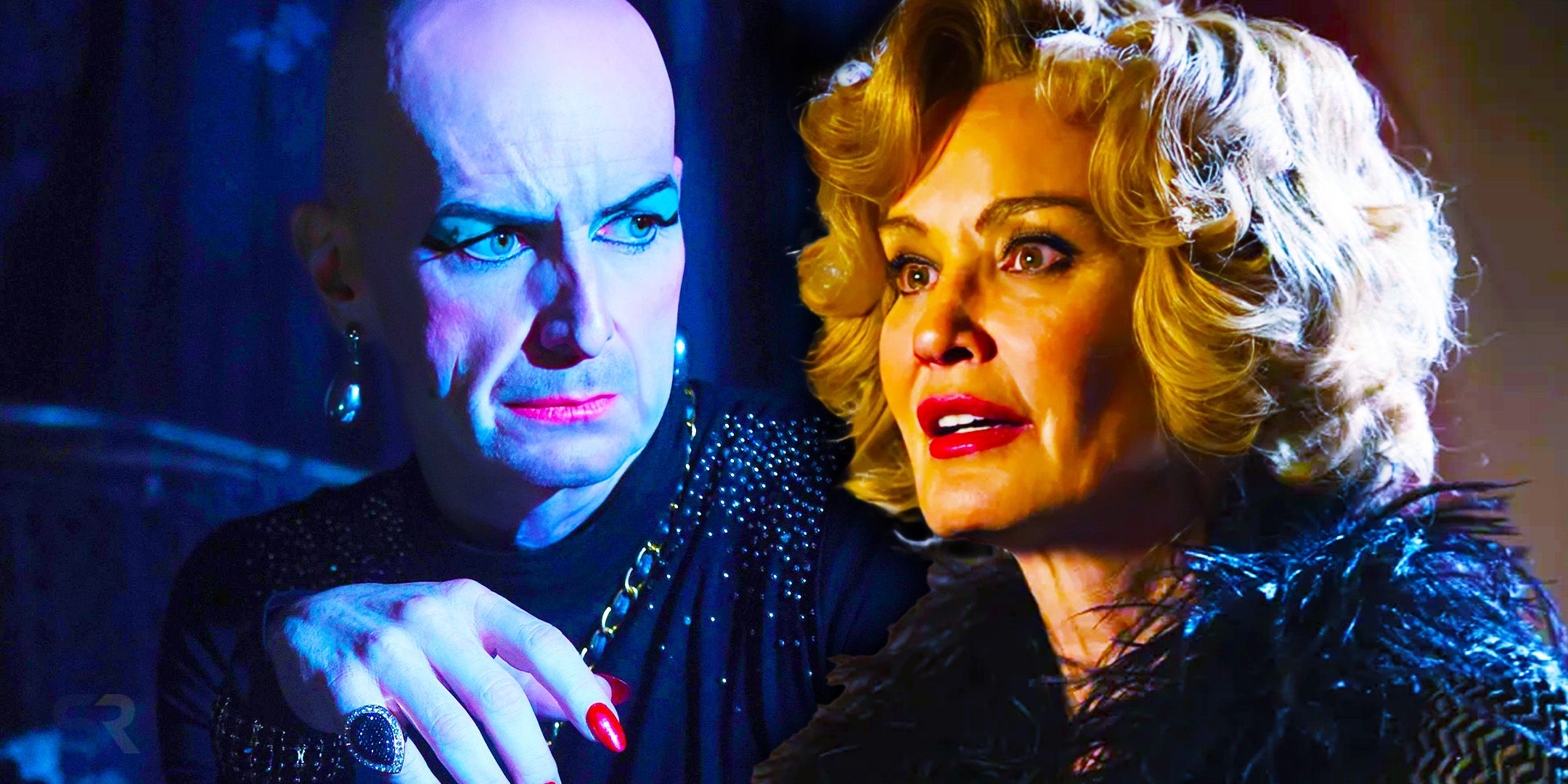
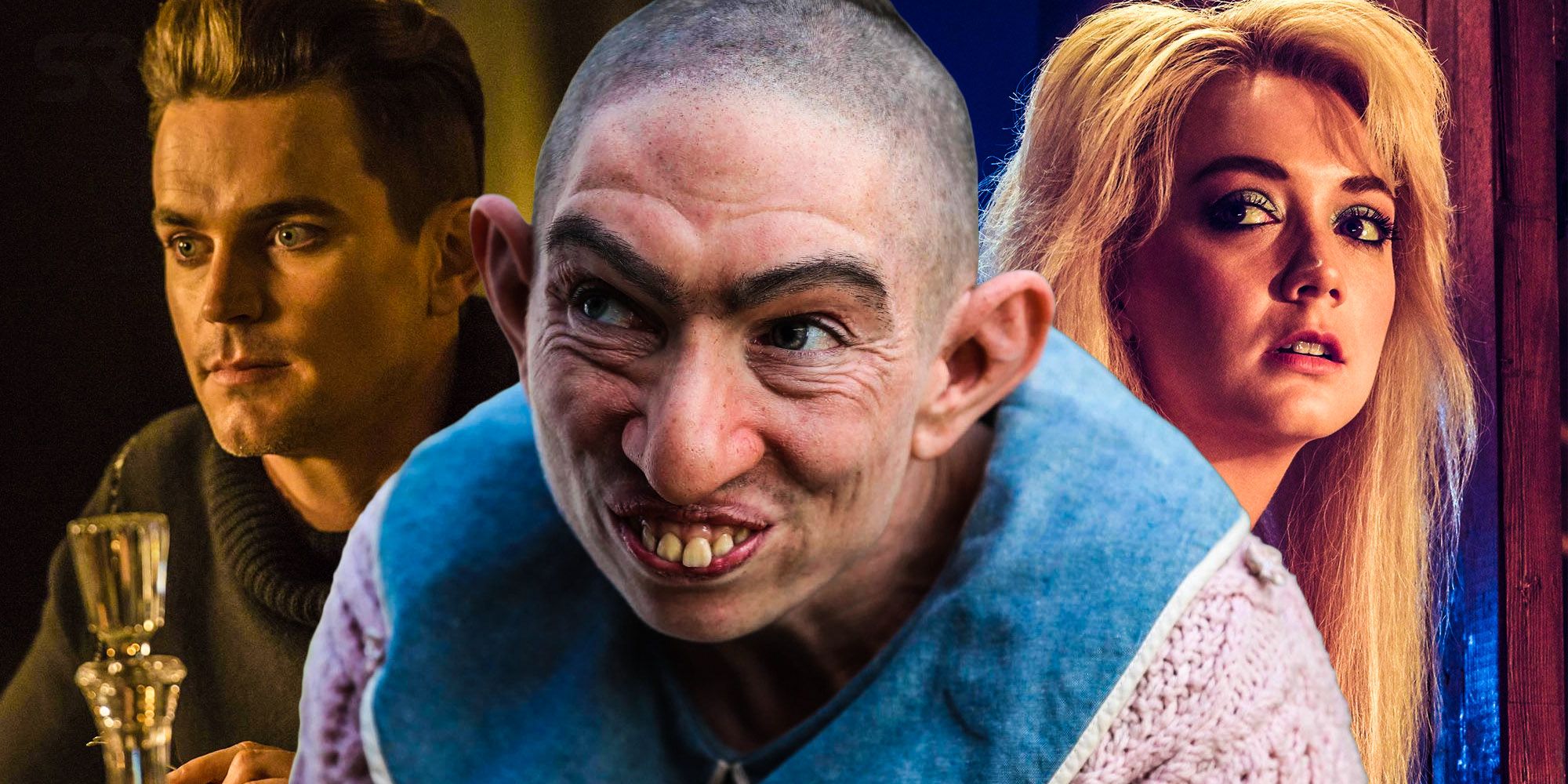
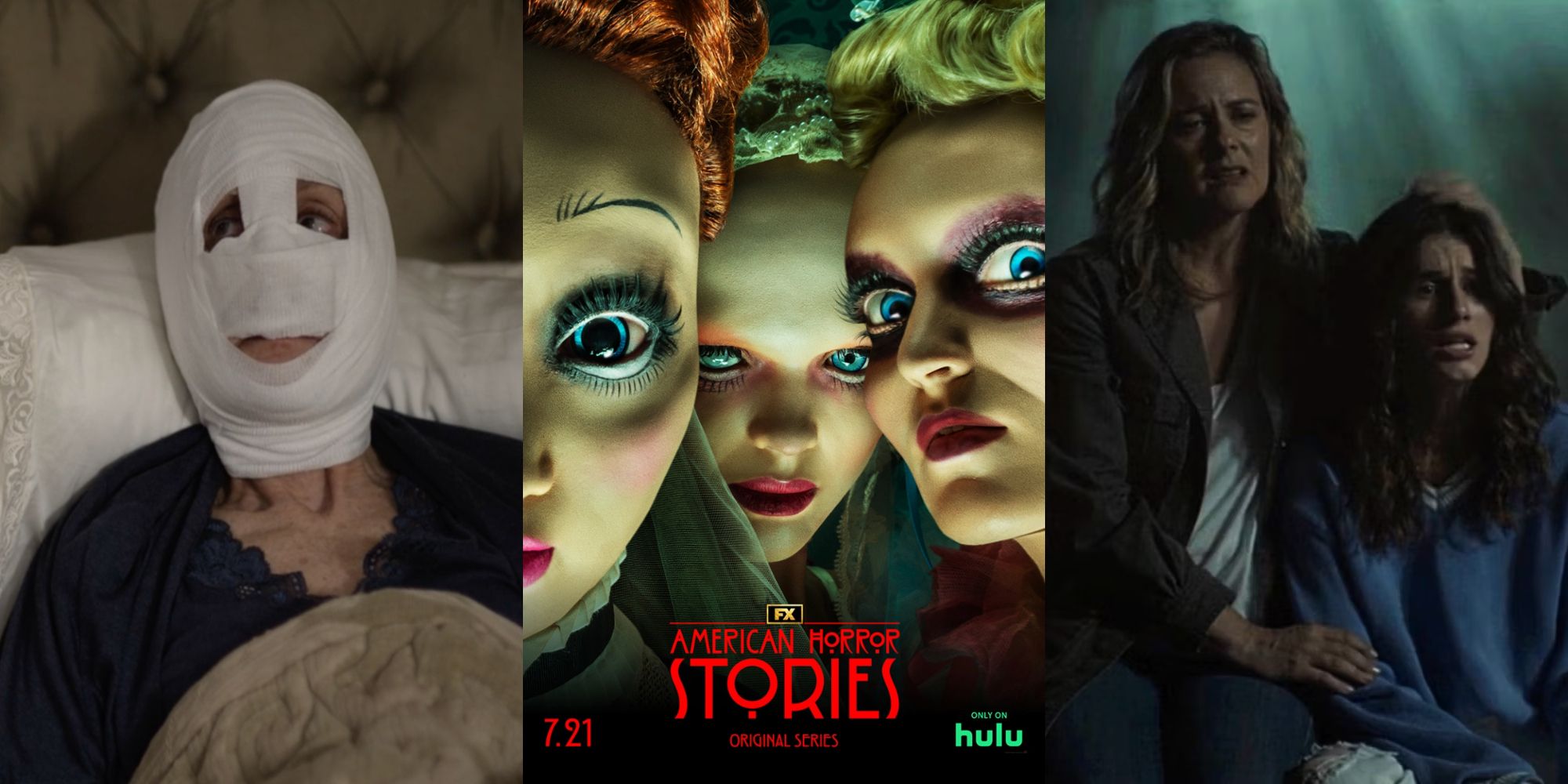
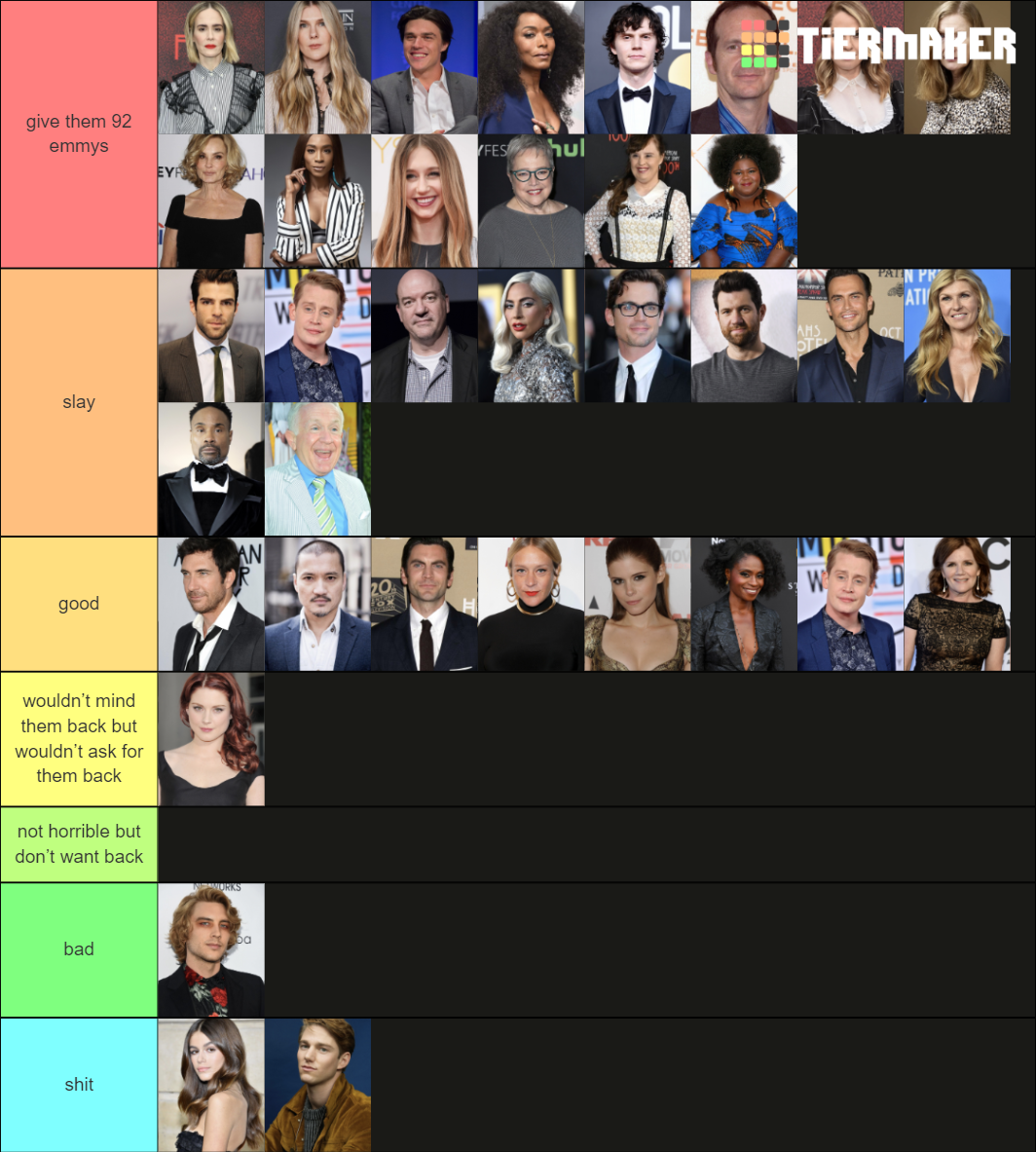
American Horror Story (AHS) revolutionized contemporary television horror by pioneering the anthology format, featuring a recurring repertory cast that transforms into entirely new characters, time periods, and horrifying realities with each new installment. Ryan Murphy and Brad Falchuk's groundbreaking FX television series relies heavily on this core troupe of actors, blending seasoned Hollywood legends with fresh theatrical talent. Understanding how this ensemble operates requires an exploration of the overarching anthology framework, the standout series regulars, recurring guest stars, memorable character transformations, and the structural dynamics that make the casting strategy a masterclass in modern television production.
Understanding the AHS Anthology Framework and Repertory Ensemble
The structural architecture of American Horror Story breaks away from traditional episodic or serialized television by resetting the setting, plot, and character dynamics every single season. Despite this constant reinvention, the audience anchors its experience on a familiar repertory ensemble. This repertory approach functions similarly to a classic theater troupe, where actors who played heroes in one season return as villains, ghosts, witches, or grotesque monstrosities in the next.
This rotating casting method creates a meta-narrative layer for dedicated viewers. When an actor like Sarah Paulson or Evan Peters steps onto the screen in a new season, the audience brings historical baggage from their previous roles, adding immediate depth to unfamiliar dynamics. The casting choices balance recognizable faces with high-profile guest stars, such as Lady Gaga, Kathy Bates, and Angela Bassett, which continuously revitalizes the audience demographic while honoring the core creative vision of the production team.
Core Series Regulars Who Defined the Franchise
Certain actors became synonymous with the American Horror Story brand by appearing across multiple seasons, often anchoring the emotional core of complex, terrifying narratives. Their presence serves as the baseline for the show's stylistic choices, ranging from campy melodrama to psychological dread.
Sarah Paulson
Sarah Paulson stands as the undisputed anchor of the AHS universe, transitioning from minor supporting roles in the early run to the undisputed lead of subsequent seasons. Her range encompasses fragile mediums like Billie Dean Howard (Murder House), resilient journalists like Lana Winters (Asylum), supreme witches like Cordelia Goode (Coven), conjoined twins Bette and Dot Tattler (Freak Show), hypodermic hotel addicts like Sally McKenna (Hotel), terrified documentary actors like Shelby Miller (Roanoke), and political operatives like Ally Mayfair-Richards (Cult). Paulson's performances rely on intense emotional vulnerability combined with fierce resilience, making her characters the moral compass or tragic focal points of their respective eras.
Evan Peters
Evan Peters specialized in playing troubled, volatile, and deeply complex young men during his initial tenure with the show. His breakout role as school shooter Tate Langdon in Murder House established his penchant for dark, sympathetic villains. He went on to portray mutated asylum patient Kit Walker (Asylum), resurrected frat boy Kyle Spencer (Coven), lobster-boy Jimmy Darling (Freak Show), historical serial killer James Patrick March (Hotel), political provocateur Edward Mott (Roanoke), cult leader Andy Warhol and various historical figures (Cult), and the humorous, incompetent hairdresser Gallant (Apocalypse). Peters brings a distinct theatrical intensity that allows audiences to sympathize with morally compromised or outwardly villainous figures.
Jessica Lange
Jessica Lange defined the golden era of the show's early seasons, bringing classical Hollywood gravitas and fierce theatricality to her roles as aging, ambitious, and deeply flawed matriarchs. As Constance Langdon (Murder House), Sister Jude Martin (Asylum), Fiona Goode (Coven), and Elsa Mars (Freak Show), Lange commanded the screen with unmatched authority. Her characters typically grapple with lost youth, fading beauty, and desperate desires for control, anchoring the melodramatic horror elements in genuine emotional tragedy. Although she departed as a series regular after Freak Show, her brief return in Apocalypse demonstrated her enduring impact on the franchise's identity.
Lily Rabe
Lily Rabe has delivered some of the most versatile performances in the series, effortlessly shifting between innocent victims, deeply disturbed patients, and powerful historical figures. Her work includes the grieving mother Nora Montgomery (Murder House), the possessed nun Sister Mary Eunice (Asylum), the bubbly swamp witch Misty Day (Coven), serial killer target Aileen Wuornos (Hotel), and specialized appearances in Roanoke, Apocalypse, 1984, and Double Feature. Rabe excels at portraying characters undergoing sudden, radical psychological breaks or supernatural transformations.
Essential Supporting Players and Dramatic Heavyweights
Beyond the primary headliners, the supporting cast provides the essential contrast that elevates the primary storylines. Actors like Denis O'Hare, Frances Conroy, and Angela Bassett bring decades of stage and screen experience to their respective roles, grounding surreal narrative premises in grounded, visceral performances.
Denis O'Hare carved out a niche for eccentric, physically altered, or deeply tragic outsiders, most notably as the burn victim Larry Harvey (Murder House), the mute butler Stanley (Freak Show), and the beloved hotel bartender Liz Taylor (Hotel). Frances Conroy similarly specialized in playing eccentric, haunting women, spanning from the ghostly maid Moira O'Hara (Murder House) to the tragic Angel of Death (Asylum), the eccentric witch Myrtle Snow (Coven), and the doomed Gloria Mott (Freak Show).
Angela Bassett and Kathy Bates injected classical gravitas into the later seasons, particularly starting with Coven. Bassett's portrayals of historical voodoo queen Marie Laveau (Coven), three-breasted sideshow performer Desiree Dupree (Freak Show), and actress Monet Tumusiime (Roanoke) highlight her commanding physical presence and sharp comedic timing. Bates won acclaim for her harrowing portrayal of historical torturer Madame Delphine LaLaurie (Coven), bearded lady Ethel Darling (Freak Show), ghost butcher Agnes Mary Winstead (Roanoke), and robotic camp counselor Ms. Meade (Apocalypse).
Evolution of Character Tropes and Acting Styles
The casting philosophy of American Horror Story evolved significantly over its run, mirroring shifts in horror television production standards. The early seasons relied heavily on gothic melodrama, drawing inspiration from classic horror cinema, Alfred Hitchcock thrillers, and theatrical grand Guignol. Actors were encouraged to lean into heightened emotional states, stylized dialogue, and dramatic character arcs.
As the series progressed into modern installments like Hotel, Roanoke, and 1984, the acting style adapted to encompass satirical social commentary, slasher tropes, and postmodern self-awareness. The introduction of pop culture icons like Lady Gaga (Hotel) and Kim Kardashian (NYC) shifted marketing strategies, blending prestige television acting with multimedia celebrity culture. Despite these shifts, the underlying requirement for physical versatility remained constant, as actors frequently had to manage complex prosthetics, stunt work, and rapid tonal shifts between comedy and sheer terror.
| Season Title | Primary Setting & Theme | Core Repertory Cast Members | Notable Guest Stars |
|---|---|---|---|
| Murder House (Season 1) | 2011 Los Angeles, Haunted House | Sarah Paulson, Evan Peters, Jessica Lange, Lily Rabe | Connie Britton, Dylan McDermott |
| Asylum (Season 2) | 1964 Massachusetts, Psychiatric Hospital | Sarah Paulson, Evan Peters, Jessica Lange, Lily Rabe, Frances Conroy | James Cromwell, Joseph Fiennes |
| Coven (Season 3) | 2013 New Orleans, Witchcraft | Sarah Paulson, Evan Peters, Jessica Lange, Frances Conroy, Lily Rabe | Kathy Bates, Angela Bassett |
| Freak Show (Season 4) | 1952 Jupiter, Florida, Sideshow | Sarah Paulson, Evan Peters, Jessica Lange, Frances Conroy, Denis O'Hare | Michael Chiklis, Finn Wittrock |
| Hotel (Season 5) | 2015 Los Angeles, Decadent Hotel | Sarah Paulson, Evan Peters, Denis O'Hare, Kathy Bates, Angela Bassett | Lady Gaga, Matt Bomer |
Frequently Asked Questions About the AHS Cast
Why do the same actors play different characters in every season?
American Horror Story utilizes an anthology format created by Ryan Murphy, meaning each season tells a completely standalone story with new characters and settings. To maintain continuity of tone and brand identity, Murphy employs a recurring repertory cast of actors who return each year to play entirely new roles, much like a traditional theater company.
Did Jessica Lange leave the show permanently?
Jessica Lange completed her run as a primary series regular following the conclusion of Freak Show (Season 4). However, she made a highly anticipated return to the franchise in Apocalypse (Season 8), reprising her iconic Murder House role as Constance Langdon for a special crossover episode.
Which actors have appeared in the most seasons of American Horror Story?
Sarah Paulson and Evan Peters hold the record for appearing as series regulars across the highest number of seasons, anchoring nearly every major installment of the franchise from its inception through its modern iterations, alongside frequent appearances by actors like Lily Rabe and Denis O'Hare.
Are the characters in different seasons connected to one another?
While each season is structurally independent, Ryan Murphy confirmed that all seasons exist within a shared universe. Subtle easter eggs, shared surnames, and explicit crossover events—most notably in Apocalypse, which bridges Murder House and Coven—connect the various timelines and characters together.
How are guest stars chosen for the series?
Casting directors select guest stars based on the specific thematic requirements of each season, often mixing acclaimed dramatic actors with high-profile musicians, fashion figures, and pop culture icons to match the stylistic excess and zeitgeist of the chosen era.
Strategic Viewing and Character Analysis Next Steps
To fully appreciate the intricacies of the American Horror Story cast, viewers should approach the series with an awareness of how individual actors subvert their previous typecasting from season to season. Tracking an actor like Sarah Paulson from a timid medium to a ruthless supreme witch offers a masterclass in television performance range. For those diving into the franchise for the first time, starting with foundational seasons like Murder House or Coven establishes the necessary baseline of the repertory ensemble before exploring more experimental or genre-specific entries like Roanoke or 1984.